Frozen vs Fresh Produce: Which Saves Money?
Compare frozen and fresh produce to discover which option truly saves you money on groceries.
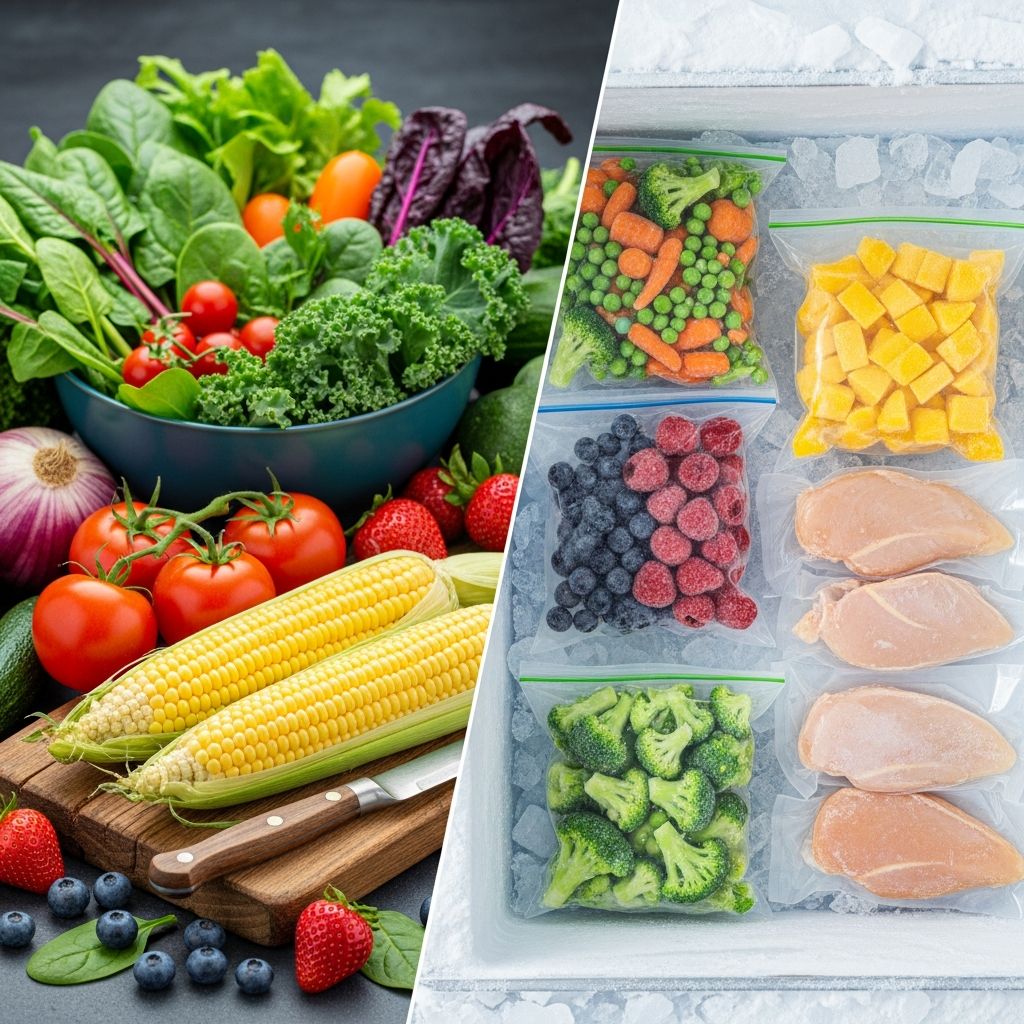
When it comes to grocery shopping, one of the most common questions people ask is whether frozen or fresh produce offers better value for their money. The answer is more nuanced than you might think. Both frozen and fresh produce have distinct advantages and disadvantages, particularly when it comes to cost, nutrition, convenience, and shelf life. Understanding these differences can help you make informed decisions that align with your budget and lifestyle.
The Cost Comparison: Fresh vs Frozen Produce
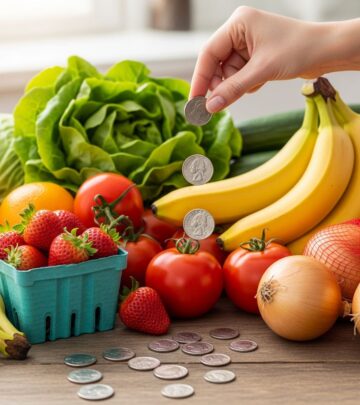
One of the most significant factors when choosing between frozen and fresh produce is the price difference. Frozen vegetables are typically more affordable than fresh alternatives, making them an attractive option for budget-conscious shoppers. This cost difference isn’t arbitrary—it’s rooted in supply chain economics.
Fresh produce requires rapid processing from harvest to consumer purchase. The entire chain—harvesting, packing, shipping, displaying, and selling—must happen quickly to prevent spoilage. This time-sensitive nature increases transportation and handling costs, which are ultimately passed on to consumers. Frozen produce, conversely, benefits from a more flexible timeline. Since it’s already preserved, it can be shipped using more economical methods and stored for extended periods without quality degradation.
Fresh Produce: Flavor and Appeal
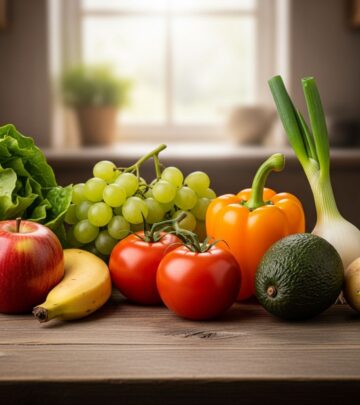
Fresh fruits and vegetables offer undeniable appeal that frozen options cannot fully replicate. Fresh produce typically boasts enhanced flavor and texture, with a crispness and juiciness that many consumers prefer. Additionally, the vibrant colors of fresh fruits and vegetables enhance the visual presentation of meals, making them more appetizing and attractive.
However, these sensory benefits come at a premium price. The convenience of seeing exactly what you’re buying and enjoying produce at its peak ripeness appeals to many shoppers, but it requires accepting higher grocery bills and more frequent shopping trips to prevent waste.
Frozen Produce: Nutritional Benefits You Might Not Expect
A surprising truth about frozen produce is that it may actually be more nutritious than fresh produce purchased at supermarkets. This counterintuitive finding is backed by scientific research and understanding the harvesting and freezing process.
Why Frozen Produce Can Be More Nutritious
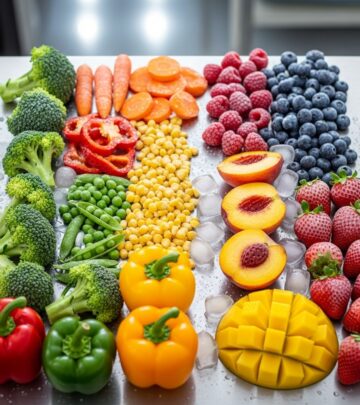
Frozen vegetables are picked at peak ripeness—when nutrient levels are at their highest—and then immediately flash frozen. This rapid freezing process locks in essential vitamins and minerals, preventing nutrient degradation. In contrast, fresh produce is typically harvested before reaching full maturity to allow ripening during transport. This premature harvesting means fresh vegetables have less time to develop their full complement of vitamins, minerals, and antioxidants.
Studies have shown that frozen produce retains nutritional value similar to or sometimes exceeding that of supermarket fresh produce. Research comparing items like peas, green beans, carrots, spinach, and broccoli found antioxidant activity and nutrient content to be comparable between frozen and fresh varieties when the fresh produce has been stored for several days.
Specific Nutrient Preservation
Certain nutrients are particularly well-preserved through freezing. Vitamin A, carotenoids, vitamin E, minerals, and fiber show minimal differences between fresh and frozen produce and are generally unaffected by the blanching process used before freezing. Additionally, frozen fruits and vegetables may contain higher levels of vitamin C compared to fresh varieties that have been stored at home for several days.
Understanding Nutrient Loss in Fresh Produce
Fresh produce begins losing nutritional value immediately after harvesting. Vitamin C in fresh vegetables declines right after harvest and continues to decline during storage. For example, green peas can lose up to 51% of their vitamin C within the first 24-48 hours after harvesting.
Studies have found nutrient decline in fresh produce after just 3 days of refrigeration, with values sometimes falling below those of frozen varieties. Additionally, in vegetables stored at chilled or room temperature, antioxidant activity declined measurably.
Convenience and Shelf Life Benefits of Frozen Produce
Frozen produce offers extended shelf life of approximately 8-12 months, allowing for better inventory management and significantly reduced food waste. This extended storage period is particularly valuable for households that struggle with produce spoilage.
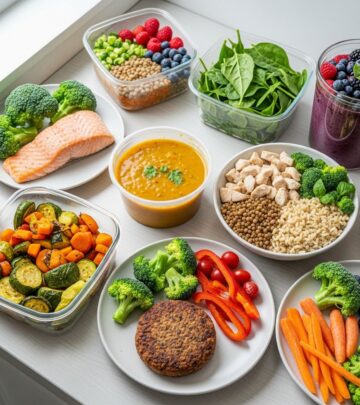
Beyond shelf life, frozen vegetables offer practical convenience advantages. They are typically already washed, peeled, and chopped, eliminating prep work and saving time in the kitchen. This pre-processing can significantly reduce labor costs for commercial kitchens and save busy households valuable time during meal preparation.
When Fresh Produce Makes Sense
Despite the advantages of frozen options, fresh produce still has its place. Fresh fruits and vegetables are ideal when you want immediate consumption, prefer specific recipes that benefit from fresh texture and appearance, or simply enjoy the sensory experience of fresh food. For those with gardens or access to farmers’ markets, fresh produce at peak ripeness offers the highest quality option available.
Considerations for Frozen Produce
While frozen produce offers many advantages, there are some limitations to consider. Freezing can alter the texture of certain items, particularly leafy greens, causing them to become softer than desired when thawed. Additionally, some frozen produce may experience flavor variations due to the freezing process, impacting taste compared to fresh alternatives.
Certain recipes or dishes may require the fresh texture or flavor of produce, limiting the culinary applications of frozen alternatives. Furthermore, when choosing frozen vegetables with added sauces and seasonings, it’s important to check sodium content on nutrition labels, as these products often contain excess sodium and calories.
Cost-Effectiveness Breakdown
The cost savings with frozen produce become evident through careful analysis. Research comparing prices at major grocery retailers consistently shows that frozen vegetables cost significantly less than their fresh counterparts. These savings result from multiple factors:
- Reduced transportation costs: Frozen items don’t require expedited shipping, lowering logistics expenses.
- Extended storage: Longer shelf life reduces waste and inventory management costs.
- Simplified supply chain: Frozen produce doesn’t require the complex cold chain logistics of fresh produce.
- Year-round availability: No seasonal fluctuations in price, offering consistent budgeting opportunities.
Seasonal Availability and Menu Consistency
Frozen produce is available year-round, regardless of season, allowing businesses and households to maintain consistent menu options with diverse fruits and vegetables even when certain items are out of season. This availability eliminates seasonal price spikes and provides reliable access to nutritious options throughout the year.
Health Value: The Bottom Line
According to nutritional research, frozen produce is nutritionally similar to fresh produce, and when nutrient decreases are reported in frozen varieties, they are generally small. When comparing supermarket fresh produce with frozen options, the nutritional content is comparable, making frozen produce a legitimate choice for health-conscious consumers on a budget.
For optimal nutrition, many experts recommend choosing a mix of fresh and frozen produce to ensure you get the best range of nutrients while maintaining budgetary constraints.
Making the Smart Choice for Your Budget
Deciding between frozen and fresh produce ultimately depends on your priorities. If cost-effectiveness is your primary concern, frozen produce clearly wins. If you prioritize immediate consumption, specific recipes, or visual appeal, fresh produce may be worth the premium. Many households find that a combination of both options provides the best balance of nutrition, convenience, cost, and satisfaction.
When shopping, compare prices for the specific items you need, consider how quickly you’ll use them, and evaluate your recipes’ requirements. Frozen vegetables with no added sauces or seasonings offer the best nutritional value and cost-effectiveness, while fresh produce remains ideal for immediate use or specific culinary applications.
Frequently Asked Questions
Q: Are frozen vegetables as healthy as fresh vegetables?
A: Yes, frozen vegetables are nutritionally similar to fresh vegetables. Research shows that when nutrient decreases occur in frozen produce, they are generally minimal. Frozen vegetables are picked at peak ripeness and flash frozen to preserve nutrients, sometimes retaining more vitamins like vitamin C than fresh produce stored at home for several days.
Q: Why is frozen produce cheaper than fresh?
A: Frozen produce is more cost-effective because it doesn’t require the rapid transportation and handling that fresh produce needs. The extended shelf life allows for more economical shipping and storage methods, with these savings passed to consumers.
Q: How long can frozen produce last in the freezer?
A: Frozen produce typically lasts approximately 8-12 months in the freezer, providing extended shelf life that allows for better inventory management and reduced food waste.
Q: Does freezing destroy nutrients in vegetables?
A: No, the freezing process actually preserves nutrients. Flash freezing locks in vitamins and minerals at peak levels. While some nutrients like vitamin C are sensitive to processing, overall nutrient retention in frozen produce is high.
Q: What’s the difference between frozen and canned vegetables?
A: Both frozen and canned vegetables are harvested at peak freshness and offer convenience with long shelf lives. Frozen vegetables are quickly frozen to retain nutrients and texture, while canned vegetables are preserved in cans and often have a softer texture. Frozen options typically retain more of the original texture.
Q: Should I avoid frozen vegetables with added seasonings?
A: Frozen vegetables with added sauces and seasonings often contain excess sodium and calories. It’s advisable to compare nutrition labels and choose products with the lowest sodium content, or opt for plain frozen vegetables and add your own seasonings.
Q: Can I use frozen vegetables in all recipes that call for fresh?
A: Most recipes work well with frozen vegetables, but some limitations exist. Freezing can alter texture in certain items like leafy greens, and certain recipes requiring specific fresh textures or appearances may not work as well with frozen alternatives.
References
- Frozen vs Fresh Produce — Webstaurant Store. 2024. https://www.webstaurantstore.com/blog/5444/frozen-vs-fresh-produce.html
- Fresh vs Frozen Fruit and Vegetables — Which Are Healthier? — Healthline. 2024. https://www.healthline.com/nutrition/fresh-vs-frozen-fruit-and-vegetables
- 4 Reasons to Choose Frozen Vegetables Over Fresh — Florida Freezer. 2024. https://www.flfreezer.com/news/4-reasons-to-choose-frozen-vegetables-over-fresh/
- Fresh, Frozen or Canned Fruit and Vegetables: All Can Be Healthy Choices — American Heart Association. 2024. https://www.heart.org/en/healthy-living/healthy-eating/add-color/fresh-frozen-or-canned-fruits-and-vegetables-all-can-be-healthy-choices
- Why frozen fruit and veggies may be better for you than fresh — National Center for Biotechnology Information (NCBI)/CNN. 2024. https://www.ncbi.nlm.nih.gov/search/research-news/4060
Similar Articles








Read full bio of Sneha Tete