Frostburg State University: Affordable Excellence in Higher Education
Discover Frostburg State University: Quality education, affordability, and regional leadership in Maryland.
Frostburg State University: A Comprehensive Overview
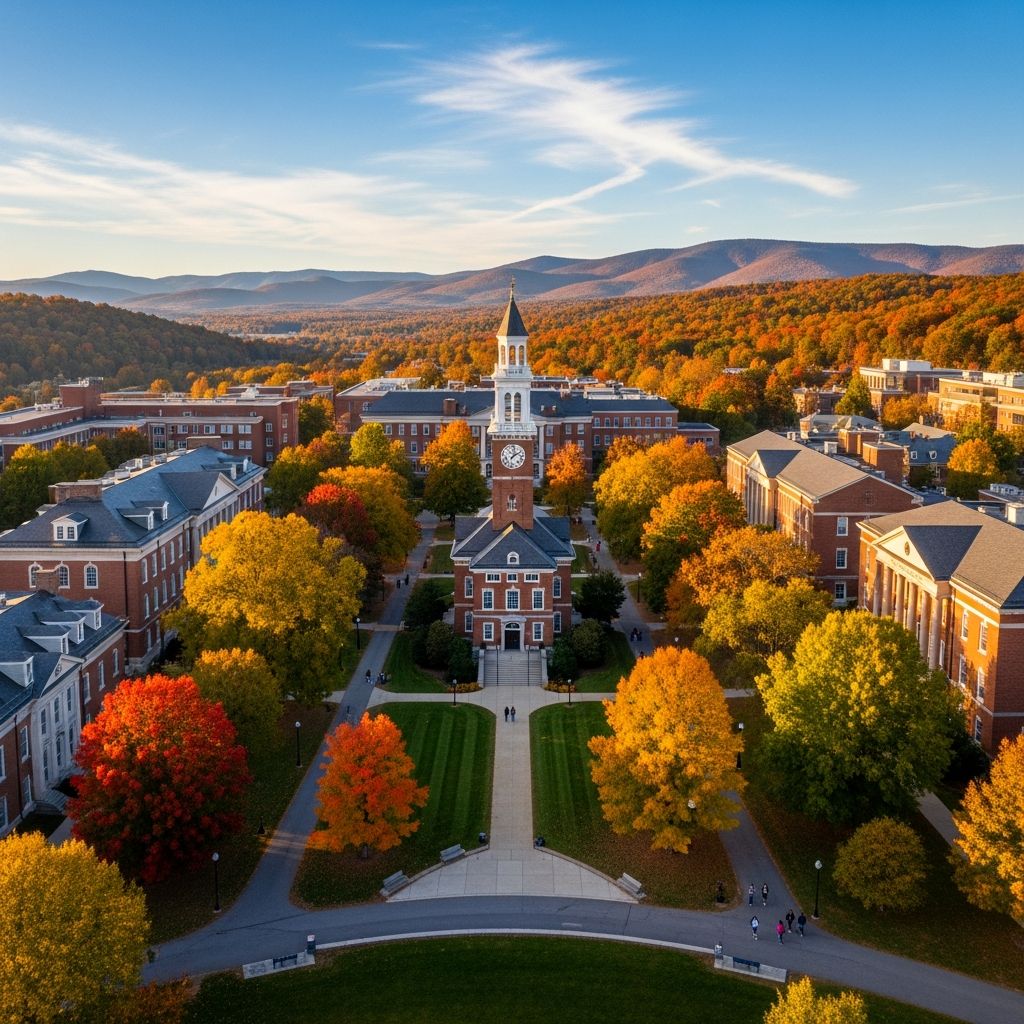
Frostburg State University (FSU) stands as a premier public institution dedicated to providing quality education that translates into real-world success. Located in Western Maryland’s Appalachian region, FSU represents a unique opportunity for students seeking a comprehensive, student-centered educational experience without the burden of excessive debt. As the only four-year institution of the University System of Maryland west of the Baltimore-Washington corridor, Frostburg has established itself as a regional leader in higher education since its founding in 1898.
With an enrollment of approximately 4,858 students, FSU maintains a strong commitment to accessible education while preserving academic excellence. The university offers 47 undergraduate majors, 14 graduate programs, and a doctorate in educational leadership, ensuring that students have diverse pathways to achieve their career aspirations.
Academic Excellence and Program Offerings
FSU’s academic structure is organized around three colleges, each designed to foster intellectual growth and prepare students for leadership roles in an increasingly complex global society. The university’s curriculum is grounded in a liberal arts tradition that emphasizes problem-solving, critical thinking, and decision-making abilities.
College of Business
The College of Business at FSU prepares graduates for careers in commerce, finance, management, and entrepreneurship. With a focus on practical application and real-world case studies, the college ensures that business students graduate with both theoretical knowledge and practical experience in their chosen fields.
College of Education
FSU’s College of Education offers six concentrations and advanced programs including a doctoral degree in Educational Leadership. The college emphasizes experiential learning, ensuring that future educators gain hands-on classroom experience alongside their coursework.
College of Liberal Arts and Sciences
This college encompasses a wide range of disciplines including biology, computer science, counseling psychology, and recreation and parks management. The diverse offerings allow students to explore interdisciplinary approaches to solving contemporary challenges.
Campus Profile and Student Demographics
FSU maintains an intimate learning environment with a 13:1 student-to-faculty ratio, allowing for meaningful interaction between students and professors. As of Fall 2024, the university enrolls 3,422 undergraduates, 594 graduate students, and 88 doctoral candidates. This distribution reflects FSU’s primary focus on undergraduate education while offering robust graduate opportunities.
Student Composition
The university draws students from all counties in Maryland as well as other states and foreign countries. Notably, 84% of students are Maryland residents, making FSU an accessible option for local families. The total minority population among undergraduates stands at 40%, reflecting FSU’s commitment to diversity and inclusive education.
Faculty Credentials
Full-time FSU faculty predominantly hold recognized terminal degrees in their respective disciplines, ensuring that students benefit from instruction by subject-matter experts. This commitment to faculty excellence directly contributes to the quality of education delivered across all academic programs.
Affordability: Making Quality Education Accessible
One of FSU’s most compelling advantages is its affordability. For Maryland residents, tuition and fees for the 2023-2024 academic year cost approximately $9,658, while out-of-state students pay $24,640. When combined with room and board costs, FSU remains significantly more affordable than many peer institutions across the nation.
This commitment to affordability represents a core institutional value. FSU recognizes that financial barriers should not prevent qualified students from accessing quality higher education. By maintaining competitive pricing while delivering excellent programming, the university fulfills its mission to serve regional and statewide economic and workforce development.
Campus Life and Facilities
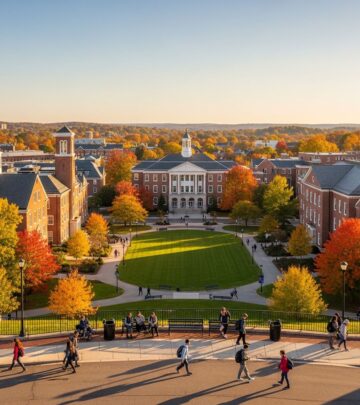
The main campus spans 260 acres in Frostburg, providing students with a modern, resource-intensive learning environment. The university features state-of-the-art facilities including a comprehensive library system, fine dining options, residential halls, and challenging athletics programs. Beyond academics, FSU fosters a vibrant campus culture through numerous student organizations, cultural events, and community engagement initiatives.
Location and Community
Frostburg itself has earned recognition as the 3rd best small college town in the U.S. according to USA Today’s 10 Best Readers’ Choice 2024. The charming mountain town provides an ideal setting for focused academic work while maintaining sufficient cultural and recreational opportunities. Additionally, FSU operates satellite campuses in Hagerstown, Anne Arundel County, Garrett County, and Cecil County, alongside comprehensive online program offerings.
Strategic Direction and Future Growth
Looking forward, FSU has developed an ambitious strategic plan focused on enrollment growth, financial sustainability, and academic excellence. Key objectives for fiscal years 2026-2027 include increasing first-time, full-time student headcount from 550 to 625 students, growing transfer enrollment by 20%, and expanding total graduate enrollment by 20%.
Financial Sustainability Initiatives
The university is committed to strengthening financial sustainability through several strategies: increasing revenue from non-tuition sources by 5%, reducing the FSU discount rate by 5%, and increasing net tuition revenue by 5% for the 2026-2027 academic year. These efforts ensure that FSU can continue investing in student success while maintaining its commitment to affordability.
Academic Enhancement
FSU is incorporating artificial intelligence competencies into 35% of lecture courses, preparing students for careers in an increasingly technology-driven world. The university is also redesigning its honors program, developing new majors for off-campus delivery, and implementing completion pathways for high-volume transfer programs. These initiatives reflect FSU’s dedication to innovation and student success.
Accreditation and Institutional Recognition
FSU is accredited by the Middle States Commission on Higher Education, ensuring that its degrees meet rigorous quality standards recognized nationally and internationally. The university is classified as a Master’s College and University I by the Carnegie Institute, reflecting its comprehensive offerings and research capabilities. This accreditation status provides assurance to students and employers that FSU graduates have met stringent educational standards.
Student Retention and Success
FSU demonstrated a freshman retention rate of 70% in Fall 2023, indicating strong student engagement and satisfaction with the university experience. The university’s strategic plan includes an objective to increase the overall average retention rate by 7%, demonstrating institutional commitment to supporting student completion and academic achievement.
Experiential Learning and Real-World Application
FSU emphasizes experiential learning throughout its curriculum, helping students connect classroom concepts to professional practice. Whether through internships, service learning, research projects, or community partnerships, FSU ensures that students graduate with practical experience alongside their academic credentials. This focus on real-world application directly translates to improved employment outcomes and career satisfaction among graduates.
Regional Economic and Workforce Development
Beyond serving individual students, FSU plays a vital role in regional economic development. The university collaborates with local organizations and businesses to create experiential learning opportunities for students while addressing regional workforce needs. This reciprocal relationship strengthens both the institution and the communities it serves, advancing regional prosperity and social responsibility.
Frequently Asked Questions
Q: What is the student-to-faculty ratio at Frostburg State University?
A: FSU maintains a 13:1 student-to-faculty ratio, ensuring that students receive personalized attention and meaningful interaction with their instructors.
Q: How much does it cost to attend Frostburg State University?
A: For the 2023-2024 academic year, Maryland residents pay approximately $9,658 in tuition and fees, while out-of-state students pay $24,640. Room and board costs are additional.
Q: How many undergraduate majors does FSU offer?
A: FSU offers 47 undergraduate majors across its three colleges, providing students with diverse academic pathways and career options.
Q: What percentage of FSU students are Maryland residents?
A: Approximately 84% of FSU students are Maryland residents, making the university an accessible option for local families seeking quality higher education.
Q: Does FSU have campus locations outside of Frostburg?
A: Yes, FSU operates satellite campuses in Hagerstown, Anne Arundel County, Garrett County, and Cecil County, along with comprehensive online program offerings.
Q: What is the current enrollment at Frostburg State University?
A: As of Fall 2024, FSU enrolls approximately 3,422 undergraduates, 594 graduate students, and 88 doctoral candidates.
Q: Is FSU accredited?
A: Yes, FSU is accredited by the Middle States Commission on Higher Education and is classified as a Master’s College and University I by the Carnegie Institute.
Q: What graduate programs are available at FSU?
A: FSU offers 14 graduate programs including education with six concentrations, business, biology, computer science, counseling psychology, and recreation and parks management, along with a doctorate in Educational Leadership.
Why Choose Frostburg State University
Frostburg State University represents an exceptional choice for students seeking quality higher education at an affordable price point. The institution’s commitment to student-centered learning, combined with its comprehensive academic offerings, experienced faculty, and vibrant campus community, creates an environment where students thrive both academically and personally. Whether you are a first-generation college student, a working professional seeking graduate education, or a transfer student looking to complete your degree, FSU provides the support, resources, and quality programming necessary to achieve your educational and career goals.
References
- Frostburg State University Introduction and History — Frostburg State University. 2024. https://frostburg.edu
- About Frostburg State University — Frostburg State University. 2024. https://www.frostburg.edu/about-frostburg/
- Strategic Plan: Objectives and Key Results FY26–FY27 — Frostburg State University. 2024. https://www.frostburg.edu/about-frostburg/strategic-plan-2024-2026/
- Frostburg State University — Wikipedia. 2024. https://en.wikipedia.org/wiki/Frostburg_State_University
- Facts & Rankings – Frostburg State University — Frostburg State University. 2024. https://www.frostburg.edu/why-fsu/fsu-facts.php
- Frostburg State University Overview — CollegeData. 2024. https://www.collegedata.com/college-search/Frostburg-State-University
Similar Articles








Read full bio of Sneha Tete