Understanding Front Trunk Storage in Modern EVs
Discover how front trunk compartments revolutionize electric vehicle storage and practicality.
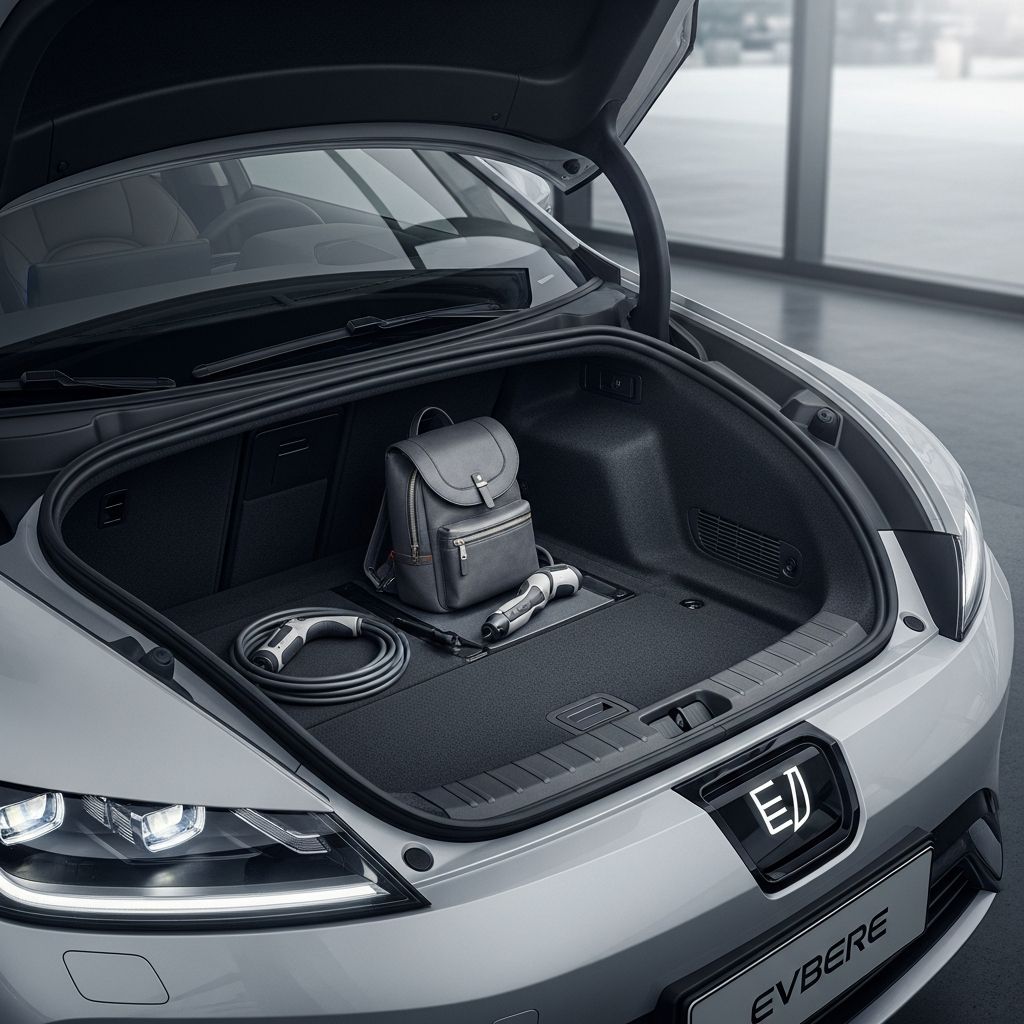
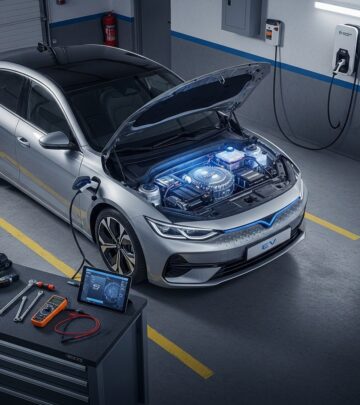
The automotive industry continues to evolve with innovative terminology and features that reflect changing vehicle design paradigms. As electric vehicles gain market prominence, new vocabulary emerges to describe their unique characteristics. One such term that has become increasingly familiar to car enthusiasts and EV owners is the frunk, a portmanteau combining “front” and “trunk.” This forward-positioned storage compartment represents a fundamental shift in how manufacturers approach vehicle design, taking advantage of the compact nature of electric motors to create additional cargo space where traditional internal combustion engines once resided.
The frunk concept exemplifies how EV innovation extends beyond environmental benefits to encompass practical improvements in daily vehicle usability. Understanding this storage solution helps prospective EV buyers make informed decisions about vehicle selection while appreciating the thoughtful engineering that maximizes utility in electric vehicles.
Defining the Frunk and Its Evolution
A frunk is a covered storage compartment located at the front of a vehicle, typically found in electric cars, that provides additional cargo capacity. The term gained widespread recognition during the early 2010s when Tesla popularized the concept among mainstream consumers. However, the design philosophy behind front storage compartments predates the modern EV era significantly.
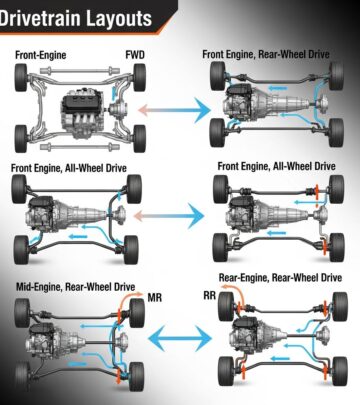
The frunk concept isn’t exclusively tied to battery-powered vehicles. Classic Volkswagen Beetles featured front storage due to their rear-engine configuration, while contemporary performance vehicles like the Porsche 911 incorporate frunks for the same reason. Mid-engine sports cars such as the Chevrolet Corvette even feature storage compartments at both ends of the vehicle. What distinguishes modern frunk implementations is their integration with EV architecture, where battery placement in the rear or lower portions of the vehicle frees considerable front-end space.
As EV battery technology advances and manufacturers achieve greater efficiency in energy storage, front compartments continue to increase in size and functionality. Many newer electric vehicle models now feature both a spacious rear trunk and a usable frunk, a trend that reflects improving battery packaging technologies. This dual-storage approach maximizes the practical advantages EVs offer over conventional vehicles while maintaining safety and performance standards.
The Functional Purpose and Practical Applications
The primary function of a frunk centers on providing accessible storage space for everyday items that car owners typically need during their journeys. Unlike rear trunks that require opening the vehicle’s back end, frunks offer convenient front-access storage for quick retrieval of frequently needed items.
Common items suitable for frunk storage include:
- Groceries and perishable items requiring temperature control
- Recreational equipment such as golf clubs, sports gear, or bicycles
- Luggage and travel accessories
- Business-related materials and documents for professional drivers
- EV charging cables and accessories
- Tools and maintenance equipment
- Coolers and beverage containers for social gatherings
- Weather-appropriate items like umbrellas or winter accessories
The versatility of frunk applications extends to creative uses beyond traditional cargo storage. Some EV owners utilize lined frunks as serving stations for food and beverages during outdoor events, taking advantage of the compartment’s insulated design and weatherproof construction. The accessibility of front storage makes frunks particularly valuable for urban drivers who frequently make quick stops for shopping or errands.
For business professionals utilizing electric vehicles as company cars, the frunk provides discreet and secure storage for sensitive materials, electronic devices, and work-related equipment. The front positioning ensures easy access without requiring passengers to exit the vehicle completely, enhancing efficiency during business-related stops.
Storage Capacity Comparison Across EV Models
| Vehicle Model | Frunk Capacity (cu. ft.) | Notable Features |
|---|---|---|
| Tesla Model 3 | 3 | Compact design, suitable for small items |
| Polestar 2 | 1 | Minimal storage, specialty use |
| Ford Mustang Mach-E | 4.7 to 5 | All-weather mat, drain plug, equivalent to 36-gallon cooler |
| Lucid Air | 10 | Largest sedan frunk capacity |
| Rivian R1T/R1S | 11.1 | Off-road kit, LED lighting, 12-volt outlet, storage net |
| Ford F-150 Lightning | 14 | Power opening, four 120V outlets, 400-pound capacity, LED lighting, grocery hooks |
The variation in frunk dimensions reflects different vehicle classes and design priorities. Compact sedans typically feature limited front storage as manufacturers prioritize aerodynamics and weight distribution. Conversely, electric pickup trucks and SUVs often dedicate substantial front-end volume to frunk functionality, recognizing that truck owners expect generous cargo capacity. The Ford F-150 Lightning exemplifies this approach, offering the substantial 14-cubic-foot “Mega Power Frunk” with integrated power outlets, making it a functional extension of the vehicle’s workspace capabilities.
Engineering and Material Construction
Frunks are typically constructed using EPP foam—expanded polypropylene—a lightweight, closed-cell material that combines strength with insulation properties. This material selection reflects careful engineering decisions aimed at balancing weight reduction (crucial for EV efficiency) with durability and thermal protection.
The EPP foam construction provides several advantages:
- Temperature regulation for climate-sensitive items
- Impact absorption in collision scenarios
- Lightweight composition supporting overall vehicle efficiency
- Weather resistance and moisture protection
- Durability across various temperature conditions
- Easy maintenance and cleaning
Modern frunk implementations increasingly incorporate additional design features that enhance usability. Many manufacturers integrate interior LED lighting for visibility during low-light conditions, all-weather floor mats to protect the compartment surface, and drainage holes to manage moisture accumulation. Premium models offer underfloor storage compartments, tie-down points for securing items, and specialized hooks designed for specific purposes like grocery bag retention.
Safety Advantages Beyond Storage Capacity
Beyond providing practical storage solutions, frunks contribute significantly to vehicle safety performance. In frontal collision scenarios, the frunk compartment serves as an additional crumple zone, absorbing impact energy and creating additional distance between the collision point and vehicle occupants. This structural benefit complements the rigid battery pack positioned in the vehicle’s lower center, contributing to a comprehensive safety structure that protects passengers during accidents.
The presence of a frunk also influences weight distribution characteristics. By utilizing front storage space and strategically positioning battery components, EV designers achieve improved weight balance compared to traditional vehicles with heavy front-mounted engines. This balanced weight distribution enhances handling characteristics, improves stability during maneuvers, and contributes to overall vehicle performance and safety.
Operational Mechanics and Access Methods
Frunks operate similarly to conventional vehicle hoods, employing mechanical opening systems controlled through various methods depending on the vehicle model. Traditional mechanical levers located within the cabin provide the most basic access mechanism, while modern EV implementations frequently incorporate multiple opening options for enhanced convenience.
Contemporary frunk access methods include:
- Interior cabin levers for traditional mechanical operation
- Dashboard touchscreen controls for integrated access
- Key fob buttons enabling remote opening
- Mobile phone applications allowing smartphone control from outside the vehicle
- Voice command activation in vehicles with advanced infotainment systems
These varied access options reflect the technological sophistication of modern EVs and acknowledge diverse user preferences. Consumers working with their hands full appreciate remote opening capabilities, while technology enthusiasts may prefer smartphone or voice-activated systems. The flexibility in access methods enhances overall user experience and accessibility for drivers with different physical capabilities.
Limitations and Realistic Expectations
While frunks offer genuine practical benefits, potential EV buyers should approach capacity expectations realistically. In vehicles featuring both frunk and rear trunk storage, the front compartment typically provides significantly less space than its rear counterpart. The 2022 Ford Mustang Mach-E, for example, offers only 5 cubic feet of frunk capacity compared to 30 cubic feet in the rear trunk—representing approximately 16 percent of total cargo space.
Some electric vehicles, particularly compact models prioritizing performance and efficiency, feature minimal frunk capacity barely suitable for small items. All-wheel-drive configurations with dual electric motors positioned at front and rear wheels often sacrifice frunk space to accommodate the front motor. Prospective buyers should carefully examine specific frunk dimensions and configurations rather than assuming standard capacity across different EV models.
Design Evolution and Future Directions
As EV battery technology matures and manufacturers achieve more efficient energy storage systems, frunk designs continue evolving. The trend toward both functional frunks and rear trunks in increasingly diverse EV models reflects confidence in battery miniaturization and improved packaging efficiency. Future electric vehicles are likely to feature larger, more versatile front storage compartments as battery technology advances.
Manufacturers continue innovating with frunk-specific features that address consumer needs and enhance vehicle functionality. Integrated power outlets transform frunks from simple storage into mobile workspaces, while specialty design elements cater to different user groups—outdoor enthusiasts receive off-road recovery kits, while picnic enthusiasts benefit from insulated designs suitable for food storage.
Frequently Asked Questions About Frunks
Are frunks waterproof?
Most modern frunks feature water-resistant construction with drainage holes and protective sealing, though complete waterproofing varies by manufacturer. Premium models like the Ford F-150 Lightning achieve water-tight sealing suitable for outdoor use.
Can frunk contents freeze in winter conditions?
The EPP foam insulation provides some temperature regulation, though frunks lack active climate control. Users should consider external temperature conditions when storing temperature-sensitive items during extreme weather.
Do all electric vehicles have frunks?
While nearly all EVs include some front storage, not all models have substantial usable frunk capacity. All-wheel-drive models with dual motors often sacrifice frunk space, and some compact vehicles feature minimal compartments.
How heavy can items in a frunk be?
Weight capacity varies significantly by model. Standard sedans safely accommodate 50-150 pounds, while the Ford F-150 Lightning supports up to 400 pounds, reflecting its larger structure and reinforced design.
Is frunk space included in advertised cargo capacity?
Manufacturers typically advertise rear trunk capacity separately from frunk space. Total cargo availability requires adding both measurements, which can be substantial in vehicles with generous frunk designs.
References
- What is a Frunk? — AAA Connected, 2024. https://www.acg.aaa.com/connect/blogs/4c/auto/what-is-a-frunk
- What Is a Frunk? — JD Power, 2024. https://www.jdpower.com/cars/shopping-guides/what-is-a-frunk
- What Can You Store In A Frunk? — Kia, 2024. https://www.kia.com/uk/about/news/what-can-you-store-in-a-frunk/
- What is a Frunk? — Capital One Auto Navigator, 2024. https://www.capitalone.com/cars/learn/finding-the-right-car/what-is-a-frunk/1270
- What is a Frunk? — Electrifying.com, 2024. https://www.electrifying.com/blog/article/frunks-putting-the-boot-in
Similar Articles








Read full bio of medha deb