Fringe Benefits: Definition, Types, and Examples
Comprehensive guide to fringe benefits: types, tax implications, and employee value.
What Are Fringe Benefits?
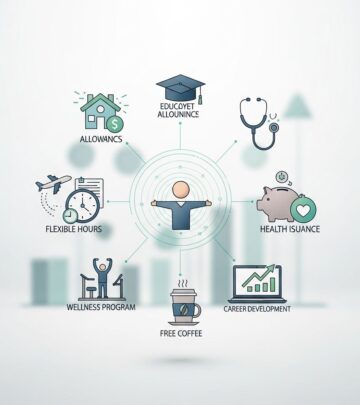
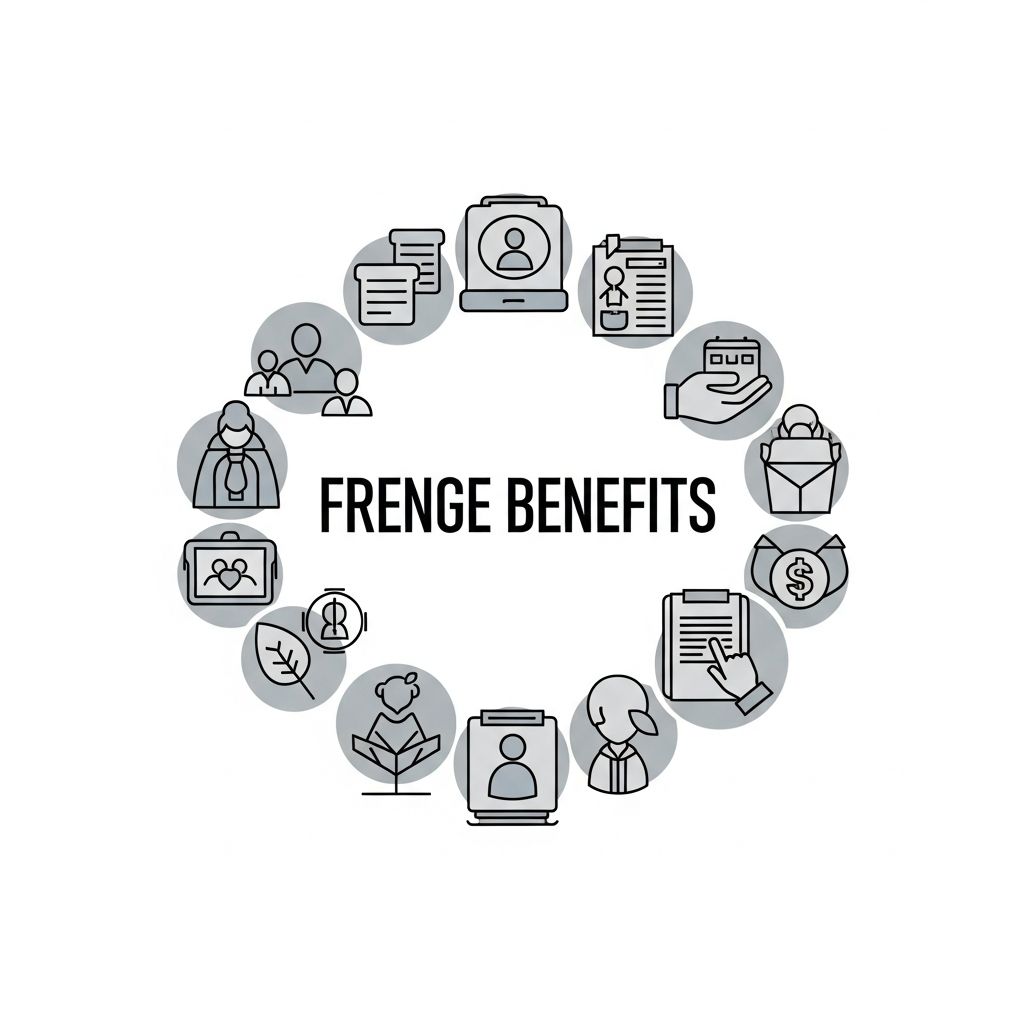
Fringe benefits are additional forms of compensation provided to employees beyond their regular salary or wages. These non-cash benefits represent a significant portion of total employee compensation packages and serve as powerful tools for attracting, motivating, and retaining talented workforce members. Rather than being paid directly as wages, fringe benefits take the form of perks, services, or allowances that enhance an employee’s overall compensation and quality of life.
The concept of fringe benefits extends beyond simple salary considerations. Employers recognize that comprehensive compensation packages that include various benefits contribute substantially to employee satisfaction, workplace morale, and long-term retention. From healthcare coverage to flexible work arrangements, fringe benefits address diverse employee needs and preferences, making them essential components of modern employment relationships.
Types of Fringe Benefits
Mandatory Fringe Benefits
Certain fringe benefits are legally required by government regulations to protect employees’ welfare and financial security. These mandatory benefits establish baseline protections that all employers must provide:
- Social Security: A federal program providing retirement, disability, and survivor benefits to eligible workers and their families.
- Medicare: A federal health insurance program serving individuals aged 65 and older, as well as younger individuals with disabilities and certain medical conditions.
- Unemployment Insurance: Temporary financial assistance provided to eligible workers who lose their jobs through no fault of their own.
- Workers’ Compensation: Medical care and wage replacement benefits provided to employees injured while performing job duties.
Discretionary Fringe Benefits
Beyond legally mandated benefits, employers voluntarily offer discretionary fringe benefits to differentiate themselves as employers and demonstrate commitment to employee wellbeing. These optional benefits create competitive advantages in talent recruitment and foster positive workplace cultures.
Tax-Free Fringe Benefits
Certain fringe benefits receive special tax treatment, allowing employees to receive them without incurring income tax liability. These tax-advantaged benefits maximize employee value:
- Health insurance premiums and coverage
- Life insurance provided by employers
- Disability insurance coverage
- Qualified retirement plan contributions
- Certain educational assistance programs
- Dependent care flexible spending accounts
- Health savings accounts (HSAs)
- Commuter transportation benefits
Taxable Fringe Benefits
Some fringe benefits constitute taxable income and must be included in an employee’s gross income for tax purposes. These benefits are subject to income tax withholding and employment taxes. Common taxable fringe benefits include:
- Personal use of company vehicles for commuting or personal travel
- Employer-provided housing or housing allowances
- Excessive meal allowances beyond reasonable amounts
- Gift certificates or cash bonuses
- Free or discounted commercial flights
- Memberships in country clubs or social clubs
- Tickets to entertainment or sporting events
Common Examples of Fringe Benefits
Health and Wellness Benefits
Health-related fringe benefits represent among the most valued employee perks, addressing fundamental employee needs for medical security and wellbeing:
- Comprehensive health insurance coverage
- Dental and vision coverage plans
- Life insurance policies
- Disability insurance protection
- Flexible Spending Accounts (FSAs)
- Health Savings Accounts (HSAs)
- On-site fitness centers or gym reimbursements
- Wellness programs including nutrition counseling and preventive care
Time Off and Work Flexibility
Work-life balance benefits have become increasingly important to modern employees, particularly for professionals seeking flexibility and personal time:
- Paid vacation and sick leave
- Paid holidays and personal days
- Parental leave for new parents
- Flexible work arrangements including telecommuting options
- Flexible hours or flextime arrangements
- Sabbaticals for extended personal time
- Additional paid time off beyond legal requirements
Financial Support Benefits
Financial assistance fringe benefits help employees plan for their futures and manage significant life expenses:
- Retirement plans including 401(k) programs and pensions
- Employee Stock Ownership Plans (ESOPs) and stock options
- Tuition reimbursement for educational advancement
- Childcare assistance and subsidies
- Employee discounts on company products or services
- Dependent care flexible spending accounts
- Commuter benefits and transportation subsidies
Workplace Perks and Amenities
Additional workplace perks enhance the employee experience and foster positive workplace environments:
- Company vehicles or car allowances
- Public transportation subsidies and passes
- On-site dining facilities or meal vouchers
- Employee Assistance Programs (EAPs) providing counseling services
- Professional development opportunities and training
- High street vouchers or gift cards
- Pet insurance coverage
- Eldercare support services
Special Fringe Benefit Categories
No-Additional-Cost Services
These tax-free benefits represent services provided by employers at no additional cost to the company. They typically involve services that generate excess capacity or that the employer already provides to customers. Examples include transportation tickets, hotel rooms, entertainment facilities, and recreation amenities that the employer already operates.
Qualified Employee Discounts
Qualified employee discounts allow workers to purchase employer products or services at prices substantially below those offered to the general public. Many employers extend these discounts to parks, fitness facilities, retail products, or other services they offer, creating immediate financial benefits for participating employees.
Working Condition Fringe Benefits
These benefits provide employees with items or services necessary for performing their job duties. Examples include company-provided tools, equipment, professional uniforms, or subscriptions to industry-specific publications and software.
De Minimis Fringe Benefits
De minimis benefits represent small value items provided to employees that are administratively impractical to track separately. These might include occasional meal allowances, holiday gifts of minimal value, or other small perks that create positive workplace culture without substantial financial impact.
How Fringe Benefits Work
Fringe benefits function as integrated components of comprehensive compensation packages. When employers structure benefit programs, they consider multiple factors including industry standards, company size, employee preferences, and budget constraints. The implementation process typically involves:
Assessment and Planning: Employers analyze employee demographics and conduct surveys to understand benefit preferences, ensuring benefit packages address genuine employee needs.
Cost Management: Organizations calculate the total cost of benefits, including administrative expenses, and determine how much they can allocate to various benefit categories.
Tax Compliance: Employers must understand tax implications of various benefits, ensuring proper classification and withholding to maintain regulatory compliance.
Communication: Clear communication about available benefits helps employees understand their total compensation value, including both salary and non-cash benefits.
Advantages of Fringe Benefits for Employers
Talent Attraction: Comprehensive benefit packages help employers compete for quality candidates in competitive job markets, particularly attracting employees who value security and work-life balance.
Employee Retention: Meaningful benefits create positive workplace environments that encourage employees to remain with organizations longer, reducing costly turnover.
Productivity Enhancement: When employees feel valued and secure through benefits, they demonstrate increased motivation, engagement, and productivity.
Tax Advantages: Certain benefits provide tax deductions for employers while remaining tax-free or tax-deferred for employees, creating mutual financial benefits.
Employee Perspective on Fringe Benefits
Employees consistently rank fringe benefits as highly valuable components of overall compensation. According to research, the most desired fringe benefits include health insurance, paid time off, vacation time, and flexible work schedules. These preferences highlight employee priorities regarding family support, health security, work-life balance, and personal flexibility.
Beyond their financial value, fringe benefits communicate organizational commitment to employee wellbeing. Perks like gym memberships, on-site amenities, and employee discounts ensure positive work environments and make employees feel valued and appreciated. By providing opportunities for recreation, relaxation, and social interaction, employers demonstrate their investment in employees’ overall quality of life.
Fringe Benefits by Industry
Fringe benefit offerings vary significantly across industries based on competitive requirements, business models, and workforce preferences. Technology companies typically emphasize flexible arrangements and professional development. Healthcare organizations prioritize comprehensive health benefits. Retail and hospitality frequently offer employee discounts. Financial services firms emphasize retirement planning and financial security benefits. Professional services companies highlight educational assistance and career advancement opportunities. Understanding industry norms helps employers remain competitive in their specific talent markets.
Tax Considerations for Fringe Benefits
Tax treatment of fringe benefits significantly impacts both employee and employer financial planning. Employers must properly classify benefits to ensure appropriate withholding and reporting. The IRS provides detailed guidance on which benefits qualify for tax-free treatment. Certain benefits may qualify for exclusion from employee income if they meet specific requirements, while others must be included in taxable wages. Employers should consult with tax professionals to ensure compliance with current tax regulations, as laws governing fringe benefits are subject to change.
Frequently Asked Questions
Q: What is the difference between salary and fringe benefits?
A: Salary represents direct cash compensation paid to employees for their work, while fringe benefits are non-cash compensation provided in the form of services, insurance, allowances, and other perks that supplement base salary.
Q: Are all fringe benefits tax-free?
A: No, some fringe benefits are tax-free while others are taxable. Tax treatment depends on the benefit type and compliance with specific IRS requirements. Health insurance and certain retirement contributions are typically tax-free, while personal use of company vehicles and excessive allowances are usually taxable.
Q: How do employers calculate the value of fringe benefits?
A: Employers calculate fringe benefit value by totaling direct costs (insurance premiums, contributions) plus administrative expenses, then dividing by the number of covered employees to determine per-employee cost.
Q: Can employers require employees to accept certain fringe benefits?
A: Legally mandated benefits must be provided, but most discretionary benefits are voluntary. However, employers may structure benefit eligibility based on employment status, tenure, or position requirements.
Q: What are the most cost-effective fringe benefits for small businesses?
A: Cost-effective options include flexible work arrangements, employee discounts on products or services, professional development opportunities, and employee wellness programs that require minimal ongoing expenses.
References
- Fringe Benefits: Types, Examples and Advantages — Workable. 2025. https://resources.workable.com/hr-terms/fringe-benefits-types-examples-advantages
- Fringe Benefits Definition, Types & Examples — GoCardless. 2025. https://gocardless.com/guides/posts/fringe-benefits-definition-types-and-examples/
- Eight Types of Fringe Benefits — Tilson HR. 2025. https://www.tilsonhr.com/eight-types-of-fringe-benefits/
- Fringe Benefits: Definition, How They Work, and Types — Corporate Finance Institute. 2025. https://corporatefinanceinstitute.com/resources/career/fringe-benefits/
- Employee Benefits — Internal Revenue Service. 2025. https://www.irs.gov/businesses/small-businesses-self-employed/employee-benefits
Similar Articles








Read full bio of Sneha Tete