4 Ways My Freezer Helps Me Save $65 a Month on Groceries
Discover how strategically using your freezer can cut grocery costs by $65 monthly through smart meal prep, bulk buying, and waste reduction.
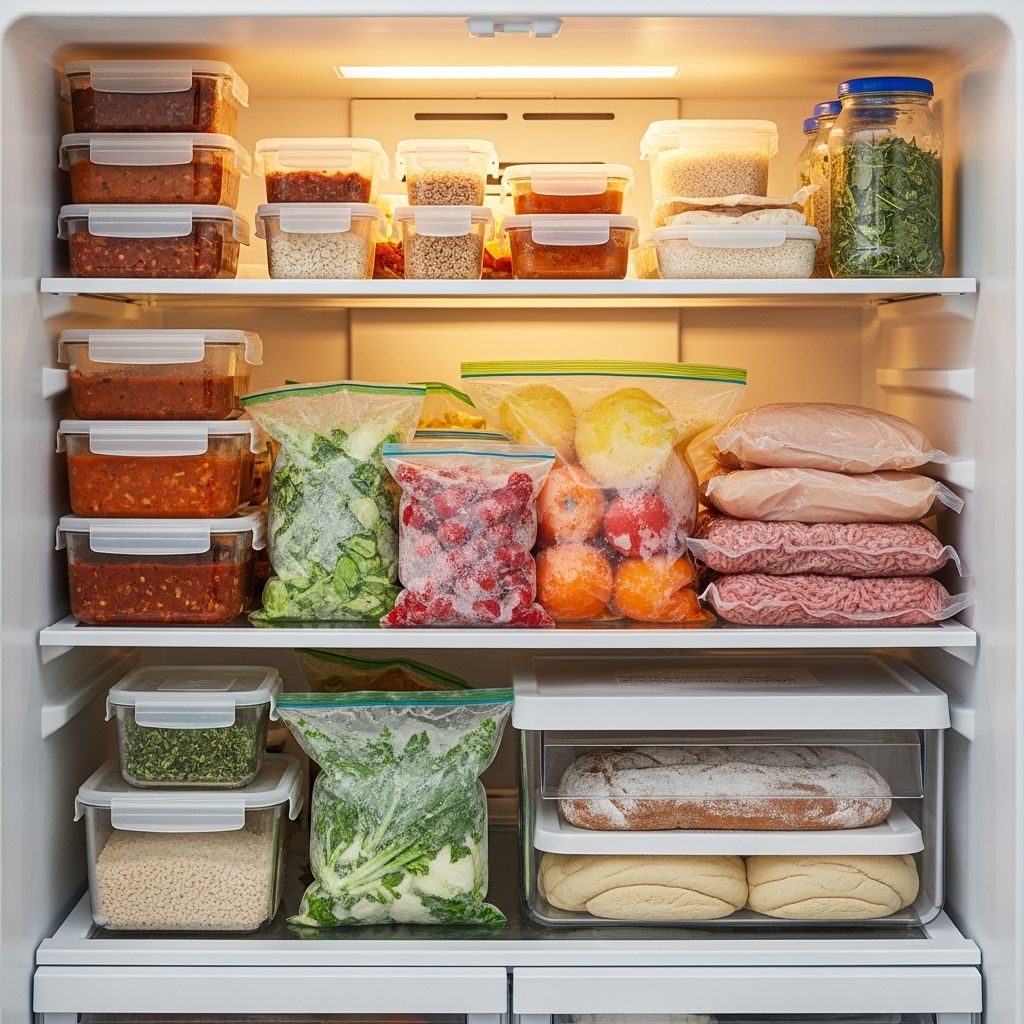
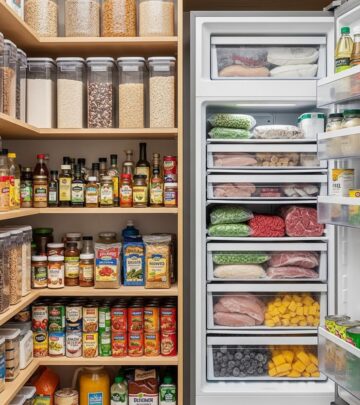
Strategically filling my freezer with meals and ingredients has become a game-changer for my grocery budget. By planning ahead and using my freezer wisely, I’ve consistently saved around $65 each month on groceries. This approach not only cuts costs but also reduces food waste and simplifies meal times. Here’s how I do it, with practical tips you can implement today.
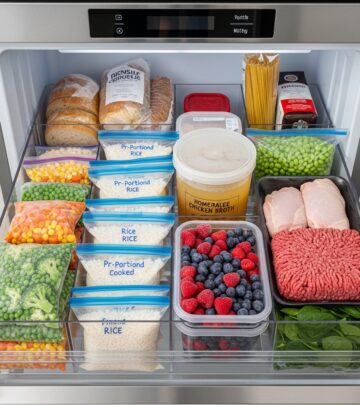
1. Bulk Buying on Sale and Freezing Extras
One of the smartest ways to save is buying in bulk when items are on sale, then freezing the excess to avoid spoilage. Grocery stores frequently discount meat, produce, and dairy, but these deals mean nothing if the food goes bad before you use it. My freezer turns these bargains into long-term savings.
For example, when chicken breasts drop to $1.99 per pound, I stock up on 10 pounds instead of my usual 3. I portion them into dinner-sized bags—two breasts per meal for my family of four—and freeze immediately. This method has saved me over $20 monthly on proteins alone. Vegetables like bell peppers or berries work similarly; wash, chop, and freeze on a tray before bagging to prevent clumping.
- Tip: Label bags with contents and dates using a permanent marker. Use oldest stock first (FIFO: first in, first out).
- Produce winners: Berries, spinach, onions, and herbs freeze beautifully for smoothies, sauces, or soups.
- Meat prep: Marinate before freezing for instant flavor—think garlic herb chicken ready to cook.
Bulk buying reduces per-unit costs by 30-50%, according to USDA guidelines on food preservation. Without a freezer plan, I’d waste $15-20 weekly on spoiled extras. Now, those savings compound.
2. Batch Cooking and Freezer Meals for Busy Weeks
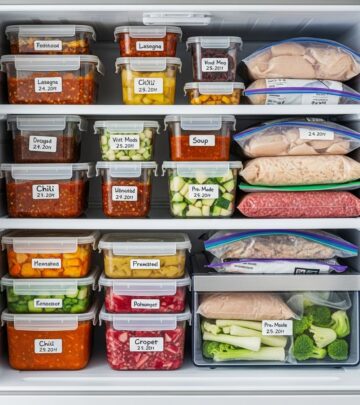
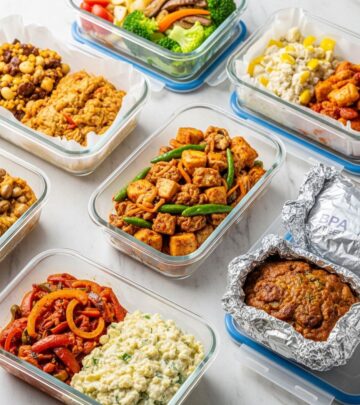
Batch cooking is my secret to effortless dinners. On weekends, I prepare 5-7 meals, portion them into containers, and freeze. This prep saves $30 monthly by avoiding takeout and last-minute shops. Healthy, homemade meals cost $4-6 per serving versus $12+ for delivery.
Popular recipes in my rotation include chili, lasagna, and enchiladas. For chili: brown 5 pounds of ground turkey (bought on sale), add canned tomatoes, beans, and spices. Divide into eight portions. Lasagna assembles in foil pans—freeze uncooked for baking straight from frozen. These meals reheat in under an hour, perfect for weeknights.
| Meal | Prep Time | Cost per Serving | Serves |
|---|---|---|---|
| Turkey Chili | 45 min | $3.50 | 8 |
| Vegetable Lasagna | 60 min | $4.20 | 12 |
| Chicken Enchiladas | 50 min | $4.80 | 10 |
| Beef Stew | 90 min | $5.10 | 8 |
Invest in freezer-safe containers or heavy-duty bags. Flatten bags for space efficiency—stack like files. Thaw safely in the fridge overnight, never at room temperature to avoid bacteria. This habit eliminated my $50 monthly takeout splurges.
3. Freezing Leftovers to Eliminate Waste
Food waste is a budget killer—U.S. households discard $1,800 yearly, per USDA estimates. My freezer rescues leftovers, turning them into future meals and saving $15 monthly. Instead of tossing half-eaten casseroles or extra rice, I portion and freeze immediately.
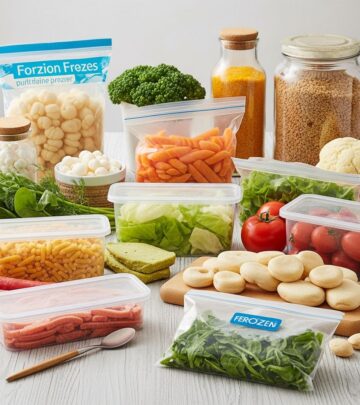
Soup and stews freeze best; use within 3 months for peak quality. Grains like rice or quinoa portion into muffin tins for single servings—pop out and bag. Even bread slices freeze flat for toast. One week, I froze lasagna slices, rice from stir-fry, and veggie soup, creating three bonus dinners.
- Don’t freeze: High-water produce like cucumbers or lettuce, creamy sauces that separate, or fried foods that sog.
- Hack: Freeze broth in ice cube trays for flavor boosts in recipes.
- Track: Use a freezer inventory list or app to monitor contents.
This practice aligns with EPA recommendations for waste reduction, directly impacting my bottom line. No more Monday fridge cleanouts—just pure savings.
4. Preserving Fresh Produce and Herbs Year-Round
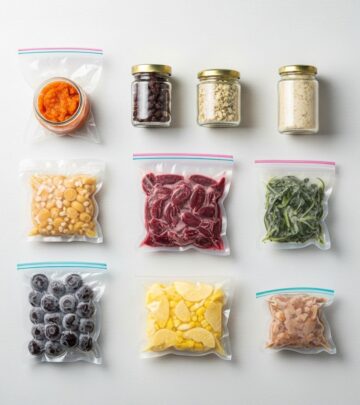
Fresh produce spoils quickly, but freezing extends its life. I buy seasonal sales—like strawberries at $1 per pint—and freeze for smoothies or desserts, saving $10-15 monthly. Herbs pureed with oil freeze in cubes for instant pesto or marinades.
Blanch veggies like broccoli or green beans first: boil 2-3 minutes, ice bath, then freeze. Fruits? Slice bananas or mangoes for yogurt toppers. Ginger and garlic mince and freeze in spoonfuls. These preserved gems make healthy eating affordable off-season.
In winter, frozen summer berries beat $5 store pints. My family enjoys ‘fresh’ produce without premium prices, boosting nutrition without cost hikes.
Freezer Management Tips for Maximum Savings
To optimize, maintain your freezer at 0°F (-18°C), per FDA standards. Organize by zones: meats bottom, veggies middle, meals top. Defrost quarterly to prevent ice buildup, which wastes energy and space. A full freezer runs efficiently—fill gaps with ice packs if needed.
Upgrade to an energy-efficient model if yours is over 10 years old; newer ones save $50 yearly on electricity. These habits ensure my $65 monthly savings are sustainable.
Real Results: Tracking My Savings
Over six months, freezer strategies cut my $450 grocery bill to $385 average. Bulk buys: $25 saved; batch cooking: $25; leftovers: $10; produce: $5. Total: $65. During pantry challenges, my freezer was invaluable, unearthing forgotten treasures like peas for pesto.
Frequently Asked Questions (FAQs)
How much can I really save with a freezer strategy?
Expect $50-100 monthly, depending on family size and habits. Track for a month to personalize.
What foods freeze best?
Meats, cooked meals, fruits/veggies (blanched), herbs, broths. Avoid dairy, eggs in shell, mayo.
How long do frozen foods last?
Meats: 6-12 months; veggies/fruits: 8-12; cooked meals: 2-3. Quality dips after, but safe longer if sealed.
Can I refreeze thawed food?
Yes, if thawed in fridge and still icy-cold. Cook immediately after refreezing.
What’s the best way to thaw?
Fridge (safest, 24 hours), cold water (change every 30 min), or microwave (cook right after).
Start Your Freezer Savings Plan Today
Implement one tip weekly: inventory this weekend, batch cook next. Your wallet and taste buds will thank you. Combine with pantry challenges for even bigger wins.
References
- Save Money on Groceries With the Pantry Challenge — The Penny Hoarder. 2024. https://www.thepennyhoarder.com/save-money/pantry-challenge/
- 4 Ways My Freezer Helps Me Save $65 a Month on Groceries — The Penny Hoarder. 2024. https://www.thepennyhoarder.com/save-money/freezer-helps-save-money-on-groceries/
- Freezing and Food Safety — USDA FoodSafety.gov. 2024-04-01. https://www.foodsafety.gov/food-safety-charts/cold-food-storage-charts
- Household Food Waste Estimates — USDA Economic Research Service. 2023-12-15. https://www.ers.usda.gov/data-products/chart-gallery/chart-detail/?chartId=107806
- Refrigerator & Freezer Storage Chart — FDA. 2024-02-20. https://www.fda.gov/food/buy-store-serve-safe-food/refrigerator-freezer-storage-chart
- Best Practices for Freezing Produce — USDA National Center for Home Food Preservation. 2024. https://nchfp.uga.edu/how/freeze.html
Similar Articles








Read full bio of medha deb