Freeganism: 5 Practical Strategies To Live Off Waste
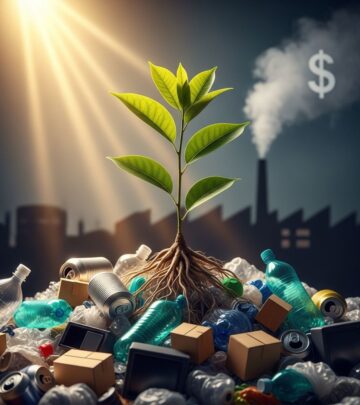
Understanding freeganism: An alternative lifestyle rejecting consumerism through resourceful living.

Understanding the Freegan Movement
Freeganism represents a radical departure from mainstream consumer culture, embodying an ideology of limited participation in the conventional economy and minimal consumption of resources. The term “freegan” itself is a portmanteau combining “free” and “vegan,” though modern freeganism extends far beyond dietary choices to encompass an entire philosophical approach to living. Rather than simply avoiding animal products like traditional vegans, freegans challenge the entire capitalist system by rejecting the notion of purchasing anything whatsoever, instead sourcing their needs through alternative means such as salvaging, sharing, and bartering. This lifestyle emerged as a response to what practitioners view as the destructive consequences of modern capitalism: excessive waste, environmental degradation, exploitative labor practices, and the perpetual cycle of meaningless work and consumption.
The modern freegan movement traces its roots to the Diggers, an anarchist counter-cultural group that emerged in 1960s San Francisco with a utopian vision of a society built on free exchange of goods and labor rather than monetary transactions. The Diggers organized free concerts, distributed complimentary food, established temporary housing for homeless individuals, and operated “free stores” that provided secondhand goods to anyone who needed them. This historical foundation established the philosophical underpinnings that continue to inspire contemporary freeganism. The term itself gained prominence in the mid-1990s when it first appeared in written form, coinciding with the rise of anti-globalization movements and increasing environmental consciousness. By the early 2000s, freeganism had developed into a recognizable lifestyle movement with organized networks, publications, and communities dedicated to practicing and promoting this alternative way of living.
The Historical Context and Evolution
Freeganism did not emerge in a vacuum but rather developed alongside broader critiques of consumer capitalism and environmental destruction. The 1960s counterculture movements, particularly through groups like the Diggers, laid important groundwork by demonstrating that alternative economic systems based on generosity and sharing were practically feasible. However, it was not until the late 1990s that the contemporary freegan movement coalesced around specific principles and practices. A pivotal moment came in 1999 when former drummer of the punk band Against Me!, Warren Oakes, wrote an influential pamphlet titled “Why Freegan?” distributed in Gainesville, Florida. This document defined freeganism as “an anti-consumeristic ethic about eating” while simultaneously presenting it as a comprehensive political ideology challenging the entire capitalist apparatus.
The timing of freeganism’s emergence coincided with growing awareness about food waste, globalization’s negative impacts, and the environmental consequences of mass consumption. As the anti-globalization movement gained momentum in the late 1990s and early 2000s, freeganism attracted individuals who were increasingly disillusioned with conventional activism and political engagement. Many freegans saw their lifestyle choices as a form of direct action that required no permission from government authorities or reliance on politicians to implement change. Instead of protesting against the system, they opted to simply step outside it entirely, viewing their withdrawal from consumer capitalism as an act of resistance that simultaneously demonstrated an alternative way of organizing human relationships and resource distribution.
Core Principles of Freeganism
At its philosophical heart, freeganism rests on several interconnected principles that inform the practical strategies practitioners employ. These principles extend beyond mere survival tactics to represent a coherent worldview about how society should function and what constitutes a meaningful human existence.
Anti-Capitalism and Political Resistance
The foundational principle underlying freeganism is explicit opposition to capitalism and its mechanisms of control and exploitation. Freegans argue that capitalism systematically generates waste, exploits human laborers, abuses animals, and depletes natural resources in pursuit of endless profit accumulation. Rather than seeking to reform or seize state power as traditional socialists and communists advocate, freegans embrace an anarchist approach termed “prefigurative politics.” This strategy involves building the alternative society they envision within the shell of the existing capitalist system, demonstrating through lived example that communities can organize themselves around principles of cooperation, generosity, sharing, and mutual aid rather than money exchange and competitive individualism.
Environmental Stewardship
Environmental concerns motivate many freegans to adopt this lifestyle. They recognize that consumer capitalism generates unprecedented quantities of waste, with significant percentages of food and manufactured goods discarded while potentially useful to others. By salvaging items destined for landfills and consuming less overall, freegans argue they reduce their environmental footprint substantially. This principle connects freeganism to broader green movements and sustainability advocates, though freegans typically maintain that environmental protection requires systemic change rather than mere individual consumer choices. They contend that recycling programs and “ethical consumption” serve as false solutions that perpetuate capitalist logic while providing consumers with the illusion of responsibility.
Freedom and Autonomy
A central appeal of freeganism lies in the promise of liberation from wage labor and the constraints of money. By eliminating the need to purchase goods, freegans argue they reduce their dependence on employment and can work significantly fewer hours, if at all. This freedom from economic coercion translates into greater autonomy over one’s time and life choices. Rather than spending decades working jobs they may find unfulfilling or unethical to finance consumption, freegans can devote their time to activities they find meaningful, whether that involves community organizing, artistic pursuits, skill development, or simply enjoying leisure time. This principle represents a fundamental rejection of the Protestant work ethic and the equation of human worth with economic productivity.
Practical Strategies for Freegan Living
While freeganism originates from political ideology, it necessarily translates into concrete daily practices. Successful freegans employ diverse strategies to meet their needs without participating in monetary exchange.
Salvaging and Dumpster Diving
The most visible and commonly associated freegan practice involves recovering discarded food and goods from dumpsters and trash receptacles. This practice, often called “dumpster diving” or “skipping,” takes advantage of the enormous quantity of edible food that retailers and restaurants discard due to cosmetic imperfections, minor packaging damage, or arbitrary expiration dates. Bakeries, supermarkets, and restaurants discard perfectly consumable food daily, and experienced freegans can reliably source nutritious meals through this method. Beyond food, freegans salvage clothing, furniture, books, and other items from residential trash collection and commercial disposal areas, demonstrating that what some discard as garbage remains valuable to others.
Reusing, Repairing, and Recycling
Rather than following the throwaway consumer mentality of purchasing new items when existing ones break or become unfashionable, freegans prioritize extending the lifespan of goods through careful maintenance and creative repair. Freegans possess diverse practical skills including sewing, bicycle repair, carpentry, and general maintenance that enable them to keep possessions functional far longer than mainstream consumers typically do. When items reach the end of their useful life, freegans recycle materials where possible and compost organic waste rather than contributing to landfills. This principle reflects a deeper respect for resources and an understanding that materials represent embodied labor and environmental costs.
Free Stores and Really Really Free Markets
Freegan communities have developed unique institutions for resource distribution that operate entirely outside monetary exchange. Free stores and Really Really Free Markets function as gathering places where individuals can leave items they no longer need and take items they require. Unlike traditional charity or thrift stores, these spaces operate on gift economy principles with no transactions, receipts, or obligation. Participants leave what they can spare and take what they need, trusting in reciprocity and mutual aid rather than formalized economic relationships. These institutions have proliferated across numerous North American cities, becoming hubs for freegan activity and community building.
Growing Food and Homesteading
Many freegans, particularly those in rural areas, practice homesteading and subsistence agriculture to maximize their independence from commercial food systems. They cultivate gardens producing vegetables, fruits, and herbs; raise livestock for eggs and other products; forage wild edibles from forests and fields; and preserve foods through canning, drying, and fermentation. Some freegans heat their homes with wood, use alternative energy sources, and make their own clothing and household goods. This approach represents perhaps the purest expression of freeganism, creating almost complete independence from capitalist institutions and demonstrating practical viability of alternative living arrangements.
Bartering and Skill Sharing
Freegans maintain and strengthen community bonds through direct exchange of skills and services. A freegan with carpentry expertise might repair a neighbor’s roof in exchange for childcare or vegetable gardening assistance. This practice restores direct human relationships to economic exchange, replacing abstract monetary transactions with face-to-face interactions and mutual obligation. Skill-sharing networks allow freegans to collectively solve problems and meet needs while strengthening social cohesion and interdependence.
Criticisms and Challenges to Freeganism
Despite its appealing principles and passionate adherents, freeganism faces substantial philosophical and practical criticisms that highlight inherent contradictions and limitations in the movement’s approach.
Dependence on Capitalist Waste
The most fundamental critique observes that freeganism paradoxically depends on the wasteful capitalist system it purports to reject. Dumpster diving and salvaging only function because consumer capitalism generates massive quantities of surplus and discarded goods. If capitalism disappeared or corporations stopped overproducing and throwing away food and products, the material basis for freegan practice would evaporate. Critics argue that freeganism thus remains complicit with capitalism, existing as a marginal phenomenon enabled by capitalist excess rather than representing a genuine alternative system. The lifestyle could not scale to support significant populations or persist if it became the predominant economic model. This critique suggests that freeganism represents a parasitic rather than transformative relationship to capitalism, consuming its waste products while potentially lacking the capacity to generate sufficient resources through its own productive activities to sustain participants.
Scalability Limitations
Related to the parasitism critique, freeganism cannot realistically serve as a universal model for human civilization. If everyone attempted to live freegan lifestyles simultaneously, the discarded surplus that makes dumpster diving possible would disappear, production would cease, and starvation would result. Freegans counter this by emphasizing that their movement never intended to replace capitalism entirely but rather represents a viable option for motivated individuals within mixed economies. They point out that they engage in productive activities including gardening, food preservation, skill development, and mutual aid that generate real value beyond merely consuming others’ waste. However, this response essentially concedes that freeganism functions as an individual lifestyle choice rather than a generalizable systemic alternative.
Accessibility and Privilege
Critics observe that successful freeganism requires substantial privilege, knowledge, and access to resources that not all individuals possess. Living without money in urban areas demands knowledge of where to find salvageable food and goods, transportation to access these locations, secure housing to store gathered items, and the physical capacity to engage in often labor-intensive activities. Individuals experiencing homelessness or severe poverty, while arguably already living outside monetary systems through necessity, typically lack the safety net and autonomy that privileged freegans enjoy. This critique suggests that freeganism functions as a lifestyle choice for relatively educated, relatively healthy individuals with pre-existing housing and social networks rather than as a genuine solution to economic marginalization and poverty.
Legal and Safety Concerns
Dumpster diving and salvaging often occupy legally ambiguous territory. Some jurisdictions prohibit trespassing on commercial property to access dumpsters, and some property owners have prosecuted individuals for theft when salvaging items from trash. Additionally, consuming food from unknown sources and of unknown storage conditions carries genuine health risks, as contamination or spoilage may not be visually apparent. While freegans typically exercise caution and apply food safety knowledge, this remains a practical limitation and risk factor that distinguishes freeganism from guaranteed access to food through conventional purchasing.
Frequently Asked Questions
Q: Is freeganism the same as veganism?
A: No. While the term combines “free” and “vegan,” modern freeganism extends far beyond dietary choices to encompass an entire anti-capitalist lifestyle philosophy and practice. Though some freegans are vegans, many consume animal products if salvaged from waste streams, distinguishing freeganism from veganism’s stricter ethical consumption standards.
Q: How do freegans afford housing?
A: Housing arrangements vary widely. Some freegans own property outright, eliminating rent obligations. Others occupy abandoned buildings, negotiate extremely low rents in exchange for labor, share housing costs communally, or live in vehicles or temporary structures. Urban freegans often face housing challenges that rural homesteaders do not.
Q: Is dumpster diving illegal?
A: Legality varies by jurisdiction. Some areas explicitly permit removing items from dumpsters, while others consider it theft or trespassing. Freegans typically research local laws and seek permission when possible, though this remains a source of legal risk in many locations.
Q: Can someone be a part-time freegan?
A: Absolutely. Many individuals adopt certain freegan practices like shopping at free stores or attending Really Really Free Markets without fully abandoning monetary participation. Freeganism exists on a spectrum rather than as a binary identity.
Q: What skills are most valuable for freegans?
A: Practical skills including carpentry, sewing, gardening, food preservation, basic plumbing and electrical work, bicycle repair, and cooking are particularly valuable. Additionally, knowledge of local resources, food identification, and community organizing proves essential.
Conclusion
Freeganism represents a thought-provoking challenge to consumer capitalism and conventional assumptions about human needs and economic organization. By demonstrating that individuals can meet their material requirements outside monetary exchange while building stronger communities and reducing environmental impact, freeganism forces society to confront uncomfortable questions about waste, work, and what constitutes a meaningful life. However, the movement’s inherent contradictions and limitations prevent it from functioning as a universal systemic alternative. Rather, freeganism remains most accurately understood as a lifestyle option and political statement available to motivated individuals with sufficient privilege and access to resources. Whether viewed as genuine resistance to capitalism or as a parasitic phenomenon enabled by capitalist excess, freeganism undeniably offers insights into alternative ways of organizing human relationships and resource distribution that challenge dominant cultural assumptions.
References
- Freeganism — Wikipedia Foundation. 2024. https://en.wikipedia.org/wiki/Freeganism
- Freeganism – Definition and Overview of the Movement — Revise Sociology. 2017. https://revisesociology.com/2017/01/15/freeganism-definition-summary-lifestyle/
- Freeganism — Philosophical Vegan Wiki. https://philosophicalvegan.com/wiki/index.php/Freeganism
- What is a Freegan? What Your Business Can Learn from the Freeganism Movement — Rubicon. https://www.rubicon.com/blog/freeganism-movement/
- Freeganism: What, Why, And How? — Timothy Peters, Thousand Year Picnic. https://thousandyearpicnic.substack.com/p/freeganism-what-why-and-how
Similar Articles








Read full bio of Sneha Tete