Free Wireless Service: Save Big on Phone Bills
Discover legitimate ways to access free or deeply discounted wireless service through government programs and smart carrier deals.
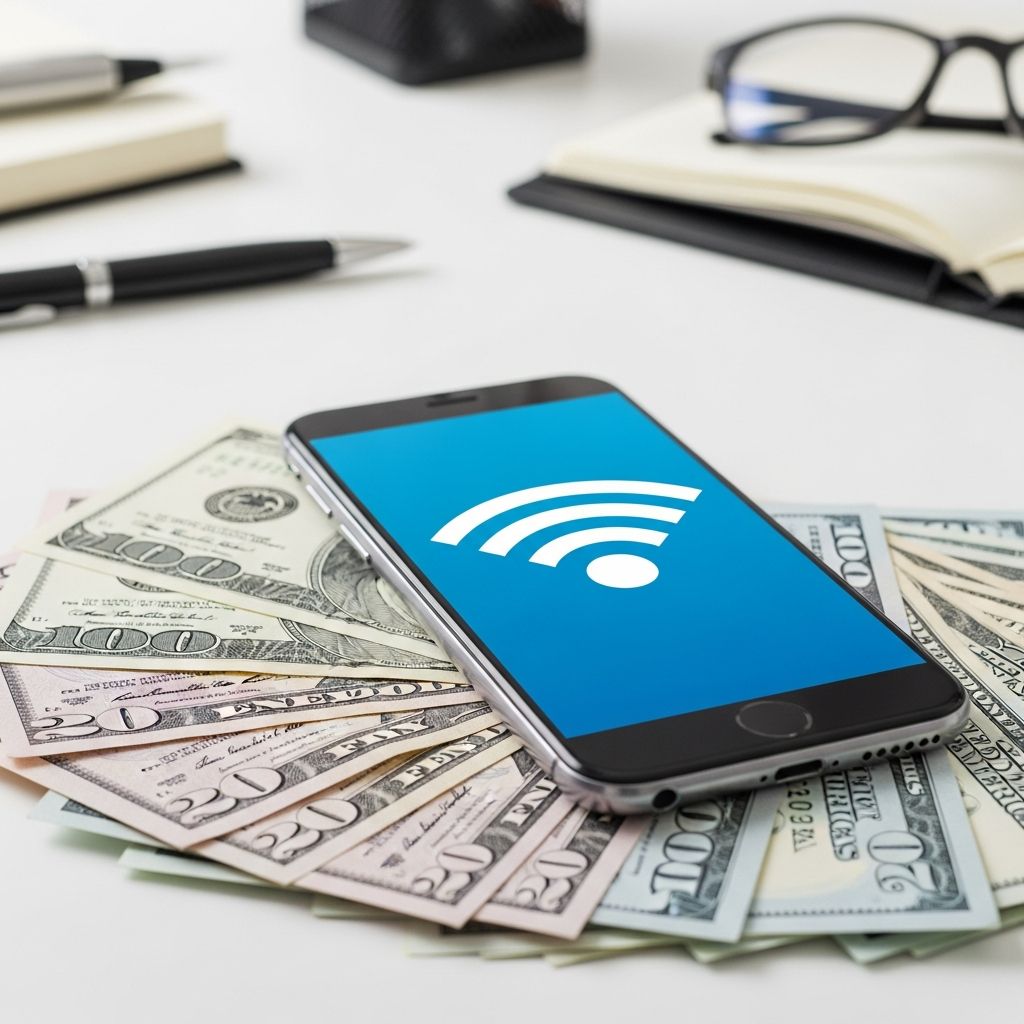
Struggling with high phone bills? Free wireless service is available through government programs like Lifeline for low-income households and seniors. This guide covers eligibility, application, top providers, free phone options, and additional ways to slash costs on cell service.
What Is Free Wireless Service?
Free wireless service refers to government-subsidized cell phone plans that provide free or discounted talk, text, and data to qualifying individuals. Primarily offered through the federal
Lifeline program
, it ensures affordable communication access for those in need, including seniors on fixed incomes.Launched in 1985 by the Federal Communications Commission (FCC), Lifeline originally supported landlines but now includes wireless services. Eligible users receive up to
$9.25 monthly
toward phone bills, often resulting in completely free service from participating carriers.Who Qualifies for Free Wireless Service?
Eligibility is based on income or participation in federal assistance programs. Key criteria include:
- Household income at or below
135% of the Federal Poverty Guidelines
(e.g., $20,331 annually for a single-person household in 2025). - Enrollment in programs like SNAP (food stamps), Medicaid, SSI, or federal housing assistance.
- Seniors over 65 often qualify easily due to fixed incomes and program overlaps.
Only one benefit per household. Veterans and tribal members may have expanded eligibility.
How to Apply for Lifeline and Free Wireless Service
Applying is straightforward via the
National Verifier
portal at nationalverifier.gov. Steps include:- Check eligibility online or call 800-234-9473 (7 days a week, 9 a.m.–9 p.m. ET).
- Submit proof: tax returns, pay stubs, or benefit letters.
- Approval typically takes 1–2 weeks; recertify annually.
Post-approval, select a provider within 90 days using the Lifeline Companies Near Me tool. Your discount applies directly or via a free plan.
Top Lifeline Providers for Free Wireless Service
National providers like
Assurance Wireless
,SafeLink Wireless
,Life Wireless
, andAccess Wireless
dominate. Regional options vary by state. Compare offerings:| Provider | Free Plan Basics | Free Phone Options | Coverage Network |
|---|---|---|---|
| Assurance Wireless | Unlimited talk/text, up to 8GB data | Blu Studio Mini, TCL K11 | T-Mobile |
| SafeLink Wireless | Unlimited talk/text, 4.5GB data | Android basics like Wiko | Verizon/AT&T |
| Life Wireless | 5GB data, unlimited talk/text | ANS Koobee models | T-Mobile/Verizon |
| Access Wireless | Unlimited talk/text, 4.5GB high-speed data | Basic smartphones | Verizon |
Phones arrive in 7–10 days. Add-ons for extra data cost $5–10.
What Free Phones Can You Get?
Lifeline phones are functional Android devices, not flagships. Expect 4G/5G basics with cameras and apps. Examples:
- **TCL K11**: 6.5″ screen, 3GB RAM, hotspot capable.
- **Blu Studio Mini**: Compact, long battery life.
- Upgrade paths available for minimal fees after initial free device.
Quality suits calls, texting, and light browsing. Hotspot and international options vary by provider.
Free Wireless for Seniors: Special Considerations
Seniors qualify readily via SSI or low income. Programs ensure lifeline connectivity for emergencies and family contact. Beyond Lifeline, carriers like Verizon offer senior discounts (e.g., 50% off select plans for AARP members). Pair with free phones via trade-ins.
Alternatives If You Don’t Qualify for Lifeline
No Lifeline? Explore these:
- Carrier Promotions: Verizon/AT&T free phones with unlimited plans ($70+/month) or trade-ins.
- MVNOs: Mint Mobile ($15/month unlimited), Visible (Verizon network, $25/month).
- Prepaid Plans: Boost Mobile free Celero 5G with $60 plan.
- ACP Program: Free internet (up to $30/month) for overlapping eligible households.
Bring your own phone to MVNOs for max savings. Check coverage maps: Verizon leads nationally.
Tips to Maximize Savings on Any Wireless Plan
Even without free service:
- Audit data usage—most need <10GB/month.
- Switch to prepaid/MVNOs piggybacking big networks.
- Bundle with streaming (T-Mobile Netflix, Verizon Disney+).
- Buy used phones on Amazon/Craigslist + low-cost SIM.
- Test 30-day trials risk-free.
Average savings: $50+/month vs. major carriers’ $160 family plans.
Frequently Asked Questions (FAQs)
Can anyone get free wireless service?
No, eligibility requires low income (<135% FPL) or assistance programs like SNAP. One per household.
How long does Lifeline approval take?
1–2 weeks typically. Use National Verifier for fastest processing.
Are Lifeline phones any good?
Basic but reliable for essentials. Hotspot/data add-ons available.
What if I move states?
Reapply or transfer via new provider; coverage varies regionally.
Can I keep my current number?
Yes, most providers support number porting seamlessly.
Potential Pitfalls and How to Avoid Them
Scams promise ‘free phones’ via shady sites—stick to official Lifeline. MVNOs may throttle speeds at peak times. Always verify coverage before switching.
Free wireless bridges the digital divide, saving eligible users $100s yearly. Apply today for immediate relief.
References
- How to Get Discounted or Free Cell Phones for Seniors — The Penny Hoarder / Rachel Christian. 2023. https://www.thepennyhoarder.com/retirement/free-cell-phones-for-seniors/
- High Phone Bill? 10 Tips to Find Cheap Cell Phone Plans — The Penny Hoarder / Kaz Weida. 2023. https://www.thepennyhoarder.com/save-money/cheap-cell-phone-plans/
- Universal Service Administrative Company: Lifeline Program — USAC (Official .gov). 2025-01-10. https://www.lifelinesupport.org/
- How to Get Free Internet With the Affordable Connectivity Program — The Penny Hoarder / Rachel Christian. 2023. https://www.thepennyhoarder.com/save-money/affordable-connectivity-program/
- Federal Poverty Guidelines — U.S. Department of Health & Human Services (.gov). 2025-01-15. https://aspe.hhs.gov/topics/poverty-economic-mobility/poverty-guidelines
Similar Articles








Read full bio of medha deb