10 Ways to Get Free or Cheap Kids’ Clothes
Discover 10 proven strategies to clothe your kids for free or next to nothing, from swaps and trades to smart repurposing.
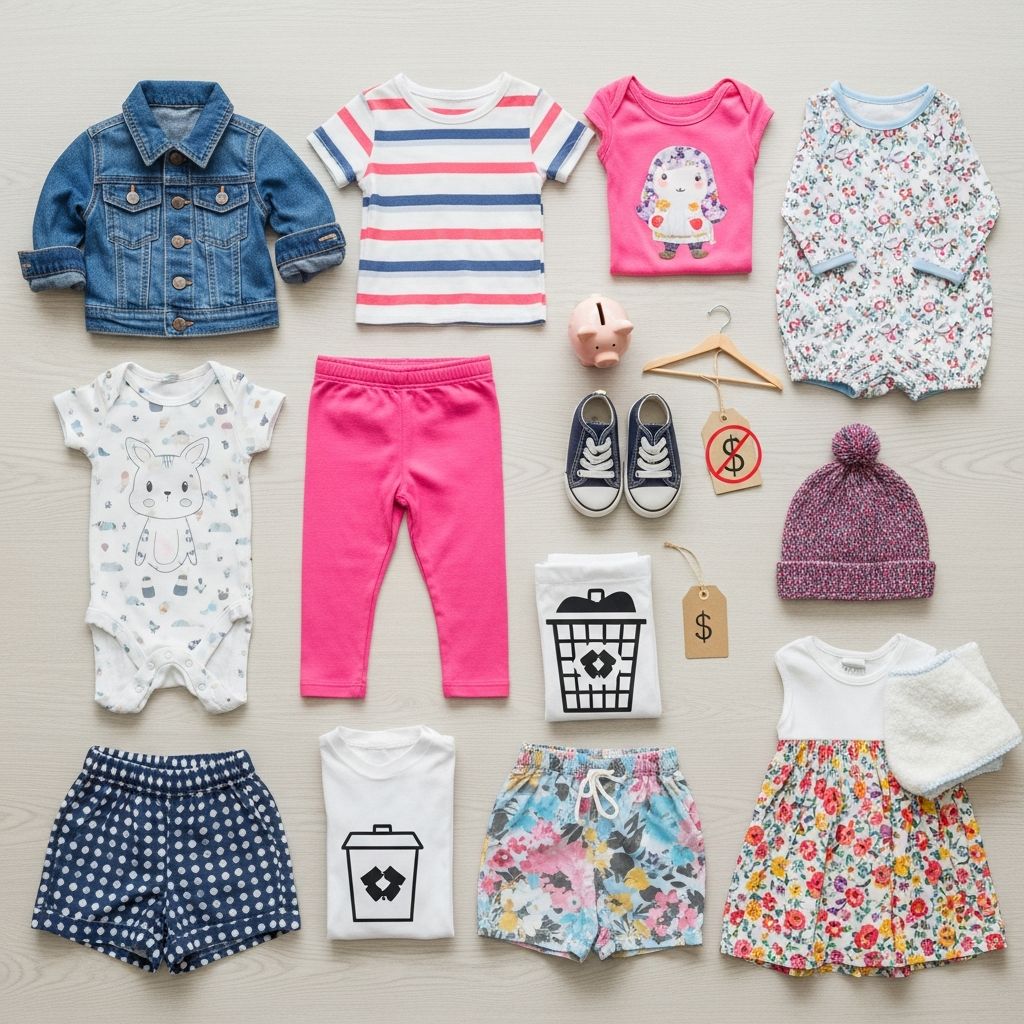
Clothing kids can be expensive, especially as they grow out of sizes quickly. But with creative strategies like community swaps, trading services, and leveraging online groups, parents can outfit their children for free or nearly free. This guide covers 10 practical methods to build a wardrobe without breaking the bank, drawing from real-world tips that help families save hundreds each year.
1. Host a Community Clothing Swap
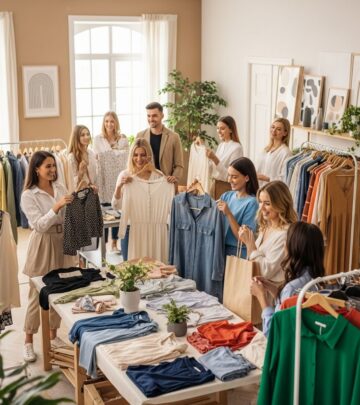
Organizing a clothing swap is one of the most enjoyable and effective ways to refresh your kids’ wardrobes at no cost. Invite friends, neighbors, and community members with children in similar age groups to bring gently used clothes they’ve outgrown. Set the event two to four weeks before seasonal changes, like back-to-school or summer, to ensure timely needs are met.
Provide light refreshments to make it a social gathering. Participants sort clothes by size and gender, then take turns selecting items they need. This method not only saves money but also fosters community bonds. To maximize success, establish simple rules: clean clothes only, no damaged items, and a ‘take what you need, give what you can’ policy.
- Promote via neighborhood apps or flyers for wider participation.
- Theme it by season, e.g., ‘Winter Warmers Swap’.
- Include accessories like shoes or jackets for complete outfits.
Many families report scoring entire outfits, reducing clothing expenses by up to 80% through swaps.
2. Shop Thrift Stores and Consignment Shops
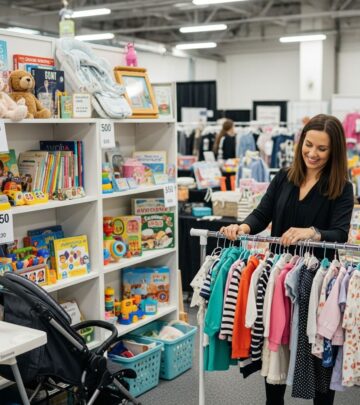
Thrift and consignment stores offer high-quality kids’ clothes at fractions of retail prices—often under $5 per item. These shops curate gently used name-brand clothing, toys, and gear. Visit during end-of-season sales for even deeper discounts, where items might go for $1 or less.
Pro tip: Build relationships with staff for alerts on new arrivals or special deals. Some stores have loyalty programs or bag sales (e.g., $10 fills a bag). Always check for sales days, typically mid-week, to snag the best finds.
| Store Type | Average Savings | Best For |
|---|---|---|
| Thrift Stores (Goodwill, Salvation Army) | 70-90% | Everyday basics |
| Consignment Shops | 50-80% | Designer or specialty items |
| Garage Sales (end of day) | 90-100% | Bulk lots |
3. Trade Your Services for Outgrown Clothes
Leverage your skills to barter for kids’ clothes from parents whose children are a size or two ahead. Offer services like babysitting (e.g., two evenings for a bag of clothes), meal prep, haircuts, or car maintenance. This win-win exchange provides value without cash.
Post in parent groups: ‘Trading 5 home-cooked meals for size 5T boys’ clothes.’ Be specific about sizes and quantities to match needs. This approach builds lasting networks and ensures clothes are in good condition from trusted sources.
4. Join or Create a Facebook Clothing Trade Group
Facebook groups dedicated to kids’ clothing trades are goldmines for free or low-cost items. Search for local ‘Buy Nothing,’ ‘Moms Trading Kids Clothes,’ or create your own with rules emphasizing free swaps. Members post photos of bundles, specifying sizes and seeking specifics like rain boots or uniforms.
Unlike one-off swaps, these are ongoing, reaching hundreds in your area. Safety tip: Meet in public spots. Users often find exact matches unavailable elsewhere, turning potential $50 purchases into freebies.
- Post ‘ISO’ (In Search Of) for targeted requests.
- Pay it forward by donating outgrown items.
- Verify group activity to avoid inactive ones.
5. Repurpose Old Clothes
Pajamas and lounge wear don’t need to be pristine. Transform stained T-shirts, worn track pants, or old adult shirts into sleepwear. Cut shirts into nightgowns or pair with shorts for PJ sets—no sewing required for basics. This zero-cost hack extends clothing life.
For minor repairs, use iron-on patches or fabric glue. Donate unusable items to rags, avoiding waste. Kids won’t mind quirky PJs since they’re just for bed, saving $20-50 per set annually.
6. Create a List and Sort Through What You Have
Impulse buys happen when you forget inventory. Start with a needs list: ‘2 more shorts.’ Then, audit every spot—drawers, laundry, bags—tallying items: 12 T-shirts, 15 shorts, etc. Update your wallet list to curb extras.
This reveals abundance, like discovering forgotten shorts. Quarterly audits prevent overbuying, potentially saving $100+ yearly by maximizing existing stock.
- Write initial needs.
- Gather and sort all clothes.
- Tally by category.
- Compare and adjust.
- Store list digitally or printed.
7. Borrow One-Time-Use Items
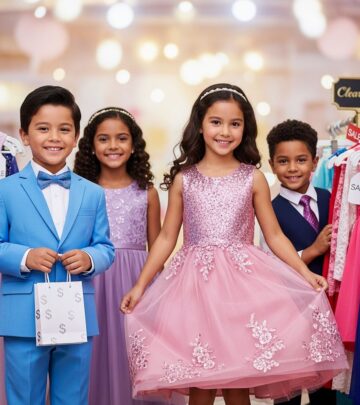
For events needing white shoes or black dresses (rarely reused), borrow instead of buy. Post on social media: ‘Need size 8 black dress for recital—can return cleaned!’ Include thanks and reciprocity offer.
Friends and networks often have matches, saving $30-100 per item. Track borrows to repay favors promptly.
8. Check Buy Nothing Groups and Apps
‘Buy Nothing’ projects on Facebook or apps like OfferUp/Free section give away kids’ clothes freely. Check daily for local postings—curb alerts for free piles too. Respond quickly with polite messages.
These reduce landfill waste while providing free gear. Combine with Nextdoor for neighborhood freebies.
9. Check Craigslist and Social Media for Free Items
Scan Craigslist ‘Free’ section and Facebook Marketplace free listings weekly. People declutter generously—bags of clothes await takers. Use filters for ‘kids clothes free’ in your zip code.
Pickup promptly; first come, first served. Launder upon receipt for safety.
10. Use Referral Programs
Online kids’ retailers like ThredUp or primary.com offer referral credits: $20-50 per friend signup, redeemable for free clothes. Share links via email or social media ethically. Stack with sales for outfits under $10.
Examples: Refer 3 friends for a free coat. Track via apps for maximum rewards.
Frequently Asked Questions (FAQs)
Are clothing swaps safe for kids’ items?
Yes, request clean, gently used clothes only. Inspect for stains or wear during swaps.
How often should I inventory closets?
Quarterly or pre-season to avoid duplicates and identify true gaps.
Can I get brand-new clothes for free?
Referral programs and samples from brands like Carter’s occasionally provide new items.
What’s the best day for thrift shopping?
Mid-week for restocks and color-tag sales.
Do Buy Nothing groups ship items?
No, local pickup only to keep it community-focused.
References
- Child Care Services: Clothing Assistance Programs — U.S. Department of Health and Human Services. 2024-06-15. https://www.acf.hhs.gov/occ/resource/child-care-development-fund-ccdf-glance
- Consumer Expenditure Survey: Apparel Spending — U.S. Bureau of Labor Statistics. 2025-09-10. https://www.bls.gov/cex/
- National Diaper Bank Network: Family Support — National Diaper Bank Network. 2025-01-05. https://nationaldiaperbanknetwork.org/
- Community Resource Guide for Families — USDA Economic Research Service. 2024-11-20. https://www.ers.usda.gov/topics/food-nutrition-assistance/
- Thrift Store Economic Impact Study — Goodwill Industries International. 2025-03-12. https://www.goodwill.org/research/
Similar Articles








Read full bio of medha deb