Free Government Debt Relief Programs: Your Guide to Financial Freedom
Explore legitimate federal debt relief programs to manage student loans, tax debt, and achieve financial stability.
Free Government Debt Relief Programs: Your Complete Guide
Millions of Americans struggle with overwhelming debt each year, ranging from student loans to tax obligations. Fortunately, the federal government offers legitimate debt relief programs designed to help borrowers manage their financial obligations more effectively. Understanding which programs you may qualify for is the first step toward achieving financial stability and regaining control of your finances.
Government debt relief programs provide various solutions tailored to specific types of debt. These programs can significantly reduce monthly payments, lower interest rates, or even forgive remaining balances under certain conditions. However, it’s crucial to distinguish between legitimate government programs and fraudulent schemes that prey on desperate borrowers.
Understanding Government Debt Relief Programs
A government debt relief program is a federal initiative designed to assist borrowers who are struggling with specific types of debt. These programs are distinct from private debt settlement companies and offer more protections and legitimacy. The most common types of government debt relief focus on federal student loans and unpaid taxes, as these represent the largest categories of government-held debt.
Unlike credit card debt, which is held by private lenders, federal debt relief programs specifically address obligations owed to the government. This distinction is important because government programs have statutory authority and are backed by federal agencies, making them more reliable and secure than private alternatives.
Types of Government Debt Relief Programs
Student Loan Relief Programs
Student loan debt represents one of the largest debt categories in America, affecting millions of borrowers. The federal government has established several programs to help manage and reduce this burden.
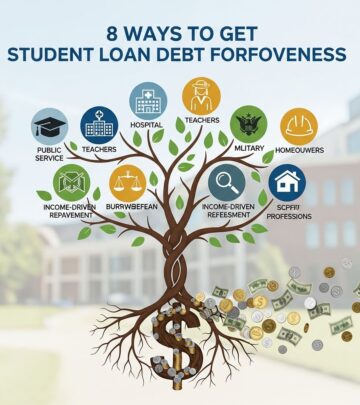
Income-Driven Repayment Plans: These programs adjust your monthly loan payments based on your current income and family size, making payments more affordable during periods of financial hardship. Available income-driven plans include:
- Save on a Valuable Education (SAVE) Plan: Formerly known as REPAYE, this program limits undergraduate borrower payments to just 5% of discretionary income and graduate borrower payments to 10%. After 20 to 25 years of qualifying payments, any remaining balance is forgiven.
- Pay As You Earn (PAYE) Plan: Caps repayment at 10% of discretionary income with loan forgiveness after 20 years of qualifying payments.
- Income-Based Repayment (IBR) Plan: Limits payments to either 10% or 15% of discretionary income depending on when you borrowed, with forgiveness after 20 to 25 years.
- Income-Contingent Repayment (ICR) Plan: Sets payments at 20% of discretionary income with forgiveness after 25 years of qualifying payments.
These plans are not automatic. Borrowers must actively apply through StudentAid.gov and renew their applications annually. Eligibility depends on your financial circumstances, loan type, and borrowing date.
Public Service Loan Forgiveness (PSLF)
The Public Service Loan Forgiveness program offers a pathway to complete loan forgiveness for borrowers working in qualifying public service positions. This program recognizes the financial sacrifice many public servants make and rewards their commitment with debt relief.
To qualify for PSLF, you must:
- Make 120 qualifying payments toward your loans
- Work full-time for a qualifying employer, including federal, state, local, or tribal government agencies, or eligible non-profit organizations
- Enroll in an income-driven repayment plan or standard 10-year repayment plan
- Hold eligible Direct Loans (or consolidate other federal loans into Direct Loans)
The 120 payment requirement typically represents 10 years of employment in public service. Qualifying payments don’t need to be consecutive, and partial years of service can count if you work full-time.
Student Loan Disability Discharge
Borrowers who become totally and permanently disabled may qualify for automatic discharge of their federal student loans. This program recognizes that severe disabilities can make loan repayment impossible and provides relief without requiring lengthy application processes.
IRS Fresh Start Program
The IRS Fresh Start initiative helps taxpayers with unpaid tax liabilities manage their obligations through various relief options. This program includes installment agreements, currently not collectable status, and offers in compromise, allowing qualified taxpayers to settle their tax debt for less than the full amount owed.
Pros and Cons of Government Debt Relief Programs
| Advantages | Disadvantages |
|---|---|
| Significantly lower monthly payments based on income | Strict eligibility requirements limit access |
| Legitimate protection from federal agencies | Potential tax implications on forgiven amounts |
| No upfront fees or processing charges | Long repayment timelines for forgiveness |
| Automatic interest rate reductions in some cases | Annual recertification requirements |
| Protection from wage garnishment and collection actions | Requires active management and application renewal |
Eligibility Requirements and Application Process
Each government debt relief program has specific eligibility criteria. Generally, to qualify for federal relief programs, you must demonstrate financial hardship, maintain federal loan status, and meet income thresholds where applicable.
The application process typically begins through official government websites like StudentAid.gov for student loans or IRS.gov for tax relief. Borrowers should never pay upfront fees to apply for legitimate government programs, as this is a major red flag for fraud.
Important Considerations Before Applying
Beware of Debt Relief Scams
Fraudulent debt relief companies often use aggressive marketing tactics and claim guaranteed results. Legitimate government programs never guarantee forgiveness or demand upfront payments. Be cautious of companies claiming special government relationships or exclusive access to relief programs.
Understanding Tax Implications
When student loan debt is forgiven through income-driven repayment plans or Public Service Loan Forgiveness, the forgiven amount may be considered taxable income. However, recent legislation has provided temporary tax relief for certain forgiveness programs. Consult a tax professional to understand your specific situation.
Annual Recertification
Most income-driven repayment plans require annual income recertification. Failure to recertify can result in losing your lower payment status and reverting to standard repayment terms. Set calendar reminders to ensure timely recertification.
Alternative Solutions for Other Debt Types
While government programs primarily address student loans and tax debt, borrowers with credit card debt or other obligations have other options available.
Hardship Programs
Many credit card issuers offer hardship programs that can reduce or pause payments temporarily, lower interest rates, or waive fees for borrowers experiencing genuine financial difficulty. Contact your creditor directly to inquire about available hardship options.
Debt Consolidation and Management Plans
Non-profit credit counseling agencies can help establish debt management plans that consolidate multiple debts into single payments with reduced interest rates. These services are typically offered free or at minimal cost through certified credit counselors.
Bankruptcy as a Last Resort
Chapter 7 or Chapter 13 bankruptcy may provide relief for those with overwhelming debt obligations. While bankruptcy should be considered a last resort due to long-term credit consequences, it remains a legitimate legal option for severe financial distress.
Taking Action: Steps to Get Started
Begin by assessing your current debt situation and identifying which government programs you may qualify for. If you have federal student loans, visit StudentAid.gov and complete the loan simulator to explore income-driven repayment options. For tax debt, contact the IRS directly or consult a tax professional about Fresh Start options.
Gather necessary documentation including income verification, proof of employment (if pursuing PSLF), and loan statements. Apply through official government channels only, and maintain copies of all submitted documents.
Frequently Asked Questions
Q: Are there government-sponsored programs for credit card debt relief?
A: No, there are currently no federal credit card debt relief programs. Credit card relief operates through private debt settlement companies, debt management plans, and creditor hardship programs.
Q: How long does the Public Service Loan Forgiveness process take?
A: The process typically requires 10 years of qualifying payments and employment. After 120 qualifying payments, you can submit your PSLF application for forgiveness review.
Q: Will my forgiven student loan debt be taxed?
A: Forgiven student loan debt may be considered taxable income under certain circumstances. However, recent tax relief provisions provide temporary exemptions for certain types of forgiveness. Consult a tax professional for your specific situation.
Q: Can I switch between income-driven repayment plans?
A: Yes, you can switch between income-driven plans at any time by updating your Student Aid account. Each plan has different payment calculations and forgiveness timelines, so evaluate which works best for your circumstances.
Q: What happens if I don’t renew my income-driven repayment certification?
A: Failure to recertify annually may result in your account reverting to standard 10-year repayment terms with significantly higher monthly payments. Set reminders to ensure timely annual recertification.
Q: Is there a statute of limitations on government debt relief applications?
A: Most government programs have no age limit for applications. However, certain provisions like loan discharge for disability have specific timeframes, so apply as soon as you determine eligibility.
References
- Federal Student Aid: Income-Driven Repayment Plans — U.S. Department of Education. Accessed 2025. https://studentaid.gov/manage-loans/repayment/plans/income-driven
- Public Service Loan Forgiveness Program — U.S. Department of Education. Accessed 2025. https://studentaid.gov/manage-loans/forgiveness-cancellation/public-service
- IRS Fresh Start Initiative — Internal Revenue Service. 2025. https://www.irs.gov/individuals/tax-professionals/fresh-start-initiative
- What is a Debt Relief Program and How Do I Know If I Should Use One? — Consumer Financial Protection Bureau. Accessed 2025. https://www.consumerfinance.gov/ask-cfpb/what-is-a-debt-relief-program-and-how-do-i-should-use-one-en-1457/
- Debt Relief Scams — Federal Trade Commission. 2025. https://www.ftc.gov/debt-relief
Similar Articles








Read full bio of Sneha Tete