How to Get Free Feminine Hygiene Products
Discover practical ways to access free tampons, pads, and menstrual products through schools, nonprofits, and community programs to combat period poverty.
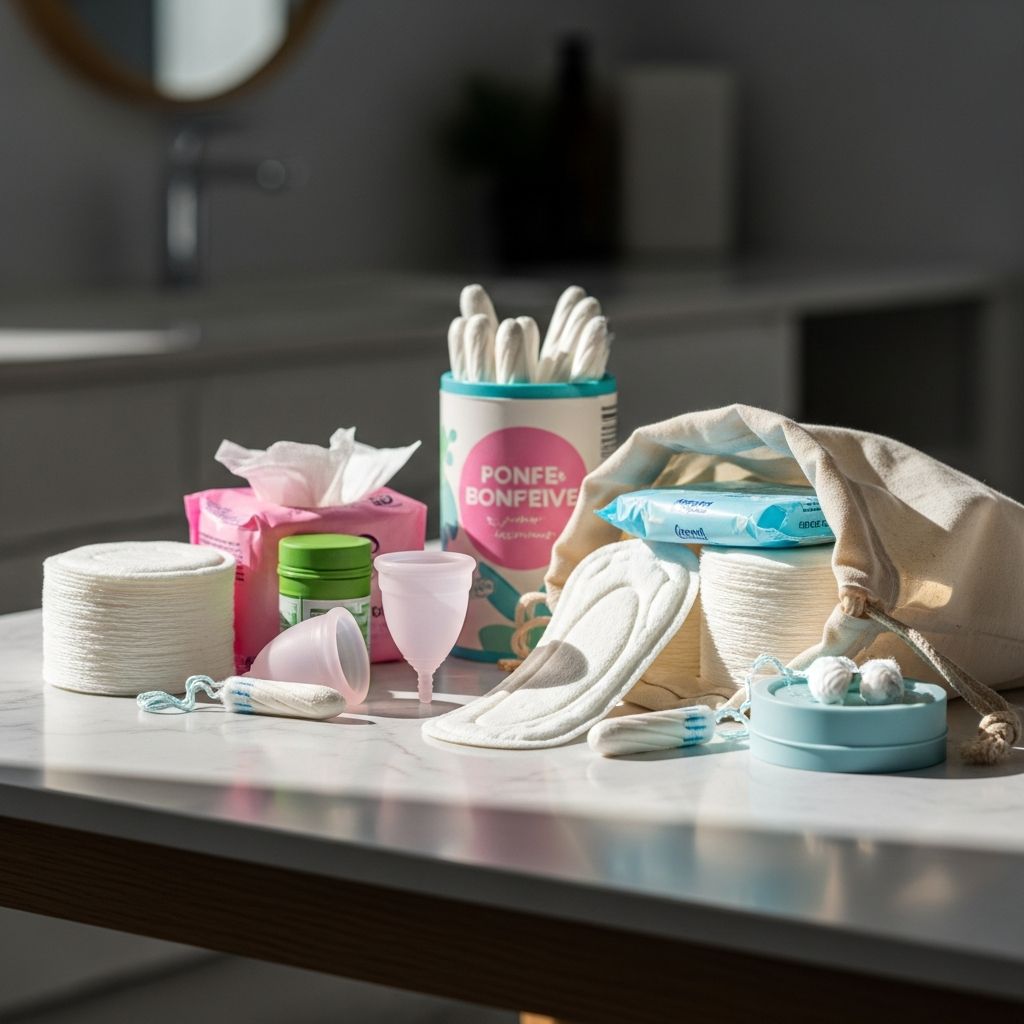
Menstrual products like tampons, pads, and liners are essential for millions, yet they represent a recurring expense that can strain budgets, especially for low-income individuals, students, and those experiencing homelessness. Period povertya term describing the inability to afford or access these necessitiesaffects dignity and health. Fortunately, numerous programs, schools, nonprofits, and community resources provide free feminine hygiene products across the U.S. and beyond. From state-mandated school supplies to nonprofit distributions, this guide outlines actionable ways to access them, drawing from credible organizations and recent initiatives.
Free Menstrual Products in Schools
One of the most accessible sources for students is public schools in states with laws mandating free period products. By the 2022-2023 academic year, 20 states required certain schools to stock free tampons and pads in restrooms, funded through state budgets or grants. These include Alabama, California, Colorado, Connecticut, Delaware, District of Columbia, Hawaii, Illinois, Maine, Maryland, Nevada, New Hampshire, New York, Oregon, Rhode Island, Tennessee, Utah, Virginia, and Washington.
Additionally, several states provide funding without a strict mandate, enabling more schools to participate. Nonprofits like Free The Tampons advocate for expansion, noting that five statesCalifornia, New York, Illinois, New Hampshire, and othershave passed legislation, with movements pushing for nationwide access. Students should check with school counselors or restrooms directly, as supplies are often in discreet dispensers.
- California: K-12 and college mandates ensure free access.
- New York: Public schools required to provide products.
- Illinois: State funding supports distribution.
- How to access: Ask administrators or visit school health officesno questions asked.
Organizations like The Pad Project bolster this by granting up to $500 in products to U.S. schools and startups via their Leap of Faith program, focusing on public districts.
Nonprofit Organizations Providing Free Supplies
Dozens of nonprofits combat period poverty by distributing free menstrual products nationwide. These groups collect donations, partner with manufacturers, and deliver kits to shelters, food banks, and individuals. Key players include:
- Alliance for Period Supplies: Sponsored by U by Kotex, text 211 or visit 211.org to locate 120+ sites with free tampons and pads, often tied to food and diaper banks.
- Helping Women Period: Since 2015, this Michigan-based group has distributed over 2 million pads, tampons, wipes, and liners to homeless and low-income women. Sister chapters are expanding.
- #HappyPeriod: A Black-led nonprofit providing hygiene kits and education to low-income, unhoused, and teens nationwide.
- I Support The Girls (ISTG): Accepts mail-in new/sealed products (tampons, pads, cups) and distributes to homeless women via vetted local orgs. In the last year, they handled 785,000 menstrual items and 135,000 bras.
- Aunt Flow: Donated over 7 million products since 2021, including 1.117 million in 2024 alone, to fight period poverty. Partners with businesses for organic cotton supplies.
- PERIOD.org: Distributes free packs to chapters and youth-led groups serving local needs in schools, shelters, and prisons.
- The Pad Project: Funds pad machines, washable pads, and workshops globally, plus U.S. school grants.
- Women In Training and She Supply: Regional efforts in Alabama/Texas and California schools.
To get involved or request: Visit websites, text hotlines, or mail products. Many offer direct shipping for those in need.
Food Banks, Diaper Banks, and Shelters
Essential resources like food pantries often stock free menstrual products alongside staples, as period supplies aren’t covered by SNAP or WIC. Contact local food banks via 211.org or Alliance for Period Supplies for allied programs warehousing and distributing supplies. Homeless shelters and diaper banks (e.g., via Planned Parenthood’s menstrual aid pantries) provide tampons, pads, liners, cups, and underwear based on donations.
| Resource Type | Examples | How to Access |
|---|---|---|
| Food Banks | Local pantries via 211 | Call/text 211; no ID required |
| Diaper Banks | Alliance partners (120+ sites) | Visit 211.org locator |
| Shelters | Planned Parenthood, homeless services | Inquire on-site or call |
These outlets ensure no one chooses between food and pads.
Manufacturer Samples and Other Sources
Request free samples directly from brands like U by Kotex or Playtex, which partner with nonprofits. Playtex supports causes delivering products to those in need.[10] Planned Parenthood sites host pantries; check locally.
Tips to Save Money on Period Products
Beyond free options, cut costs strategically:
- Store brands: Cheaper than name brands.
- Bulk buys: Lower per-unit cost.
- Online deals: Exclusive discounts.
- Coupons/sales: Track retailers.
- FSA/HSA: Pre-tax purchases.
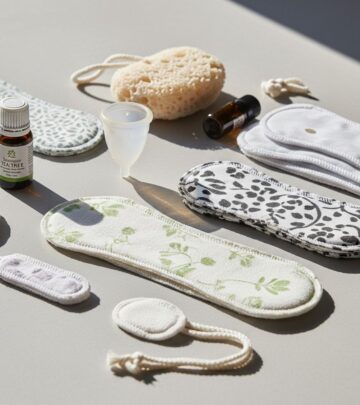
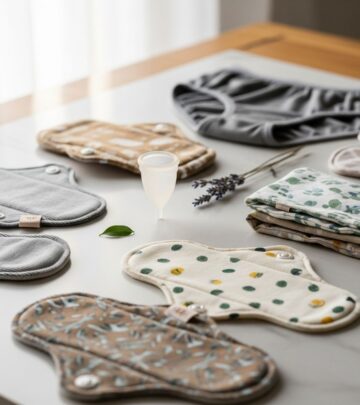
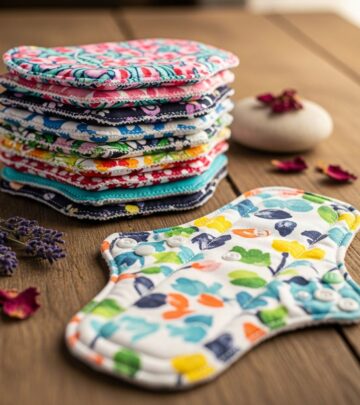
- Reusable options: Cups, underwear (sometimes free via nonprofits).
In 2022, CVS cut store-brand prices 25% and absorbed taxes in 12 states. Globally, Scotland offers universal free access.
Frequently Asked Questions (FAQs)
Can students get free tampons in schools?
Yes, in 20 states like California, New York, and Illinois, laws require free products in schools. Check with your school.
How do I find free pads near me?
Text 211 or use 211.org for Alliance locations, food banks, or nonprofits like Helping Women Period.
What products are available for free?
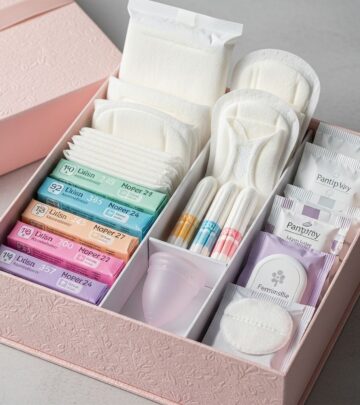
Tampons, pads, liners, cups, underwear, wipes—varies by org.
Can homeless individuals access supplies?
Yes, via ISTG, Helping Women Period, shelters, and Aunt Flow donations.
Are there international programs?
The Pad Project funds global pad machines and workshops.
Combating Period Poverty: The Bigger Picture
Advocacy has driven change: States eliminated tampon taxes, schools stock supplies, and nonprofits distributed millions (e.g., Aunt Flow’s 7M+). No one should face period poverty—use these resources for dignity and savings. (Word count: 1678)
References
- The Best Ways to Apply for Free Tampons, Other Menstrual Products — GoodRx. 2023. https://www.goodrx.com/health-topic/womens-health/free-tampons-and-period-menstrual-products
- Helping Women Period – Providing feminine hygiene products — Helping Women Period. 2023. https://www.helpingwomenperiod.org
- Donation Program – Aunt Flow — Aunt Flow. 2024. https://goauntflow.com/donation-program/
- Mail In or Drop Off Products – I Support The Girls — I Support The Girls. 2023. https://isupportthegirls.org/get-involved/mail-in-products/
- Period.org | Home — PERIOD.org. 2023. https://period.org
- How We Help – The Pad Project — The Pad Project. 2023. https://thepadproject.org/how-we-help/
Similar Articles








Read full bio of medha deb