Free Stargazing Date Night Ideas for Couples
Discover romantic, budget-friendly stargazing date ideas that cost nothing but create unforgettable memories.
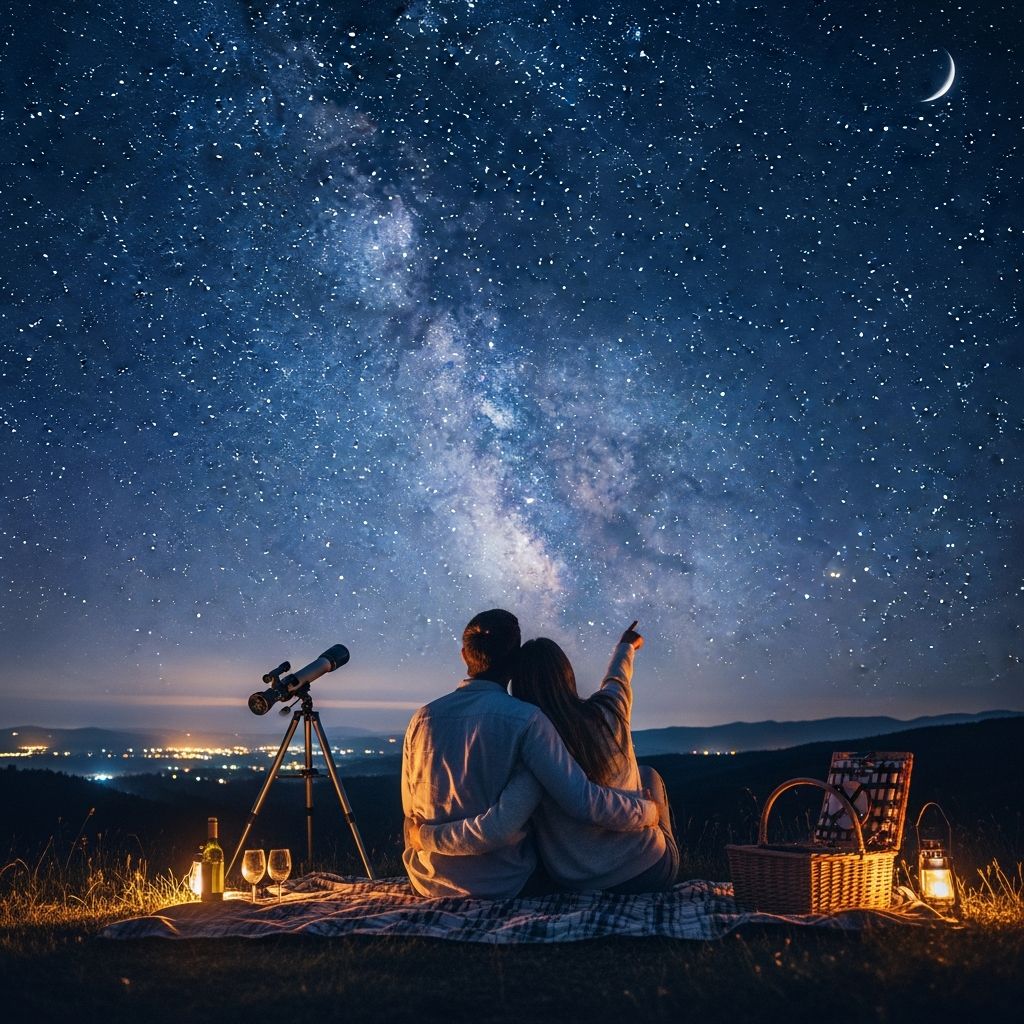
Need a Free Family Activity or Date Night? Try Stargazing
Looking for a romantic date night that won’t drain your wallet? Stargazing offers the perfect solution—an enchanting experience that costs absolutely nothing. Whether you’re a couple seeking memorable moments together or a family wanting quality time under the stars, stargazing delivers romance, wonder, and adventure without any financial burden. All you need for stargazing is a clear night and an open space to create an evening you’ll never forget.
In today’s economy, finding affordable entertainment options is more important than ever. Stargazing stands out as one of the best free date night ideas available, combining natural beauty, romantic atmosphere, and educational value in one package. This timeless activity has captivated humans for centuries and continues to inspire awe and connection between people.
Why Stargazing Makes the Perfect Date Night
Stargazing offers unique advantages that make it ideal for couples looking to connect and enjoy each other’s company. Unlike typical date activities that require spending money at restaurants, theaters, or entertainment venues, stargazing eliminates these costs entirely while providing something arguably more meaningful—a shared experience of natural wonder.
The activity encourages conversation and bonding. As you explore the night sky together, you’ll naturally discuss what you’re seeing, share thoughts about the universe, and create inside jokes about constellations. The peaceful, contemplative nature of stargazing creates the perfect environment for meaningful discussions and romantic moments. Additionally, stargazing works well for couples at any stage of their relationship, from new dates to long-term partnerships.
The romantic ambiance is inherent. Unlike manufactured date settings, the starlit sky provides a naturally romantic backdrop. The vastness of the universe puts everyday worries into perspective, and the beauty of celestial objects creates genuine moments of awe that you’ll experience together.
Getting Started: What You Need to Know
Before heading out for your stargazing adventure, understanding a few basic concepts will enhance your experience significantly. The preparation phase doesn’t require expensive equipment—just knowledge and planning.
Best Times for Stargazing
Timing is crucial for a successful stargazing date. The ideal stargazing window occurs from midnight to very early morning, when the sky typically reaches its darkest point. However, you don’t need to stay out until 3 AM if that doesn’t work for your schedule. You can enjoy stargazing anytime after sunset, though earlier evening stargazing may show fewer stars due to twilight conditions.
Seasonal considerations matter significantly. Different constellations and celestial objects are visible during different times of the year. Research what you can expect to see during the season of your planned stargazing date. For example, summer offers excellent visibility for certain constellations, while winter provides different celestial viewing opportunities.
Weather Conditions Matter
Always choose a night when the weather forecast predicts clear and cloudless skies. Clouds block your view of the stars, making it impossible to enjoy the experience you’ve planned. Check the forecast before committing to your date night. A clear night can mean the difference between seeing hundreds of stars and seeing practically nothing.
Humidity and temperature also affect viewing conditions. Lower humidity provides clearer skies, and while temperature doesn’t affect visibility, it certainly affects your comfort. Dress warmly, as outdoor temperatures drop significantly at night, even during warmer seasons.
Essential Supplies to Bring
While stargazing requires minimal equipment, bringing the right supplies ensures comfort and enhances your experience.
- Blanket or Reclining Chairs: Lying on your back for extended periods is the best way to view the stars. A thick, comfortable blanket works perfectly for lying on the ground, or bring reclining chairs designed for outdoor use.
- Red Flashlight: If you need light, use a red flashlight rather than white light. Red light preserves your night vision, allowing your eyes to remain adjusted to the darkness so you can see more stars.
- Warm Clothing: Bring jackets, blankets, or sweaters. Nighttime temperatures feel significantly colder than daytime temperatures, even in summer.
- Snacks and Drinks: Pack light snacks and warm beverages like hot chocolate or coffee. These small comforts make the experience more enjoyable and give you something to enjoy while stargazing.
- Bug Spray: Depending on your location and season, mosquitoes and other insects may be active. Bring insect repellent to stay comfortable.
- Phone or Device Power Bank: You’ll want your phone for stargazing apps, so bring a backup power source to ensure your device doesn’t die during the evening.
Choosing the Perfect Location
Location dramatically affects the quality of your stargazing experience. The primary consideration is light pollution—artificial light from cities and towns that brightens the sky and obscures stars.
Dark Sky Locations
The best stargazing locations are away from city lights. If you live in an urban area, drive 30-60 minutes to find a darker sky location. State parks, national forests, and rural areas typically offer significantly darker skies than city neighborhoods. Research dark sky areas near you using online resources and stargazing maps designed specifically to help you find locations with minimal light pollution.
Accessible Urban-Adjacent Options
If you live in a major metropolitan area, don’t despair. Many cities have nearby locations that offer reasonable stargazing opportunities without requiring extensive travel. For example, residents of Phoenix can visit Lost Dutchman State Park or Tortilla Flat, just 45 minutes from the city center. Las Vegas area residents can travel to Red Rock Canyon or Valley of Fire State Park, combining outdoor adventures with stargazing opportunities.
Backyard Stargazing
If you have your own backyard or access to a rooftop, consider stargazing from home. While urban backyards don’t offer the pristine skies of remote locations, you can still see stars and enjoy the romantic experience without traveling. Set up cozy blankets and cushions on your rooftop or patio for a convenient option.
Free Observatory Tours and Events
Many observatories around the United States offer completely free tours and events for the public. These experiences provide educational value while maintaining the romantic atmosphere of stargazing.
How to Find Free Observatory Events
Most observatories are run by universities or other educational organizations and typically host free public events regularly. Search online for “free observatory tour [your city]” to discover options in your area. These tours often include telescope viewing, expert presentations, and fascinating information about astronomy and space exploration.
Allegheny Observatory in Pittsburgh, Pennsylvania
The Allegheny Observatory in Pittsburgh offers free tours every Thursday from April through October, running from 8 PM to 10 PM. Reservations are required, so call ahead to secure your spot. The observatory also hosts an extremely popular lecture series that runs throughout the entire year on one Friday per month, with topics covering fascinating aspects of astronomy. The presentation is followed by a tour of the building—all completely free.
Griffith Observatory in Los Angeles, California
Admission to Griffith Observatory is entirely free, and visiting opportunities are frequent and convenient. The observatory is open Tuesday through Friday from 12 PM to 10 PM and Saturday through Sunday from 10 AM to 10 PM. The facility is closed to the public only on Mondays. While the observatory offers planetarium shows that cost extra, these shows are completely optional. If you choose to watch a planetarium show, admission fees are minimal: $7 for adults, $5 for seniors and students (with ID), $3 for children ages 5-12, and children under five enter free if they sit on a parent’s lap.
Maunakea Observatory Stargazing Deck in Hilo, Hawaii
The observatories at Maunakea are among the best situated in the world. While the observatories themselves are closed to the public, visitors can stargaze for free every day from a half hour after sunset to a half hour before sunrise on the stargazing deck outside the observatories. Reaching the peak requires an adventure and significant travel, but the experience of stargazing from this renowned location makes it worthwhile for dedicated astronomy enthusiasts.
Affordable Observatory Options Worldwide
While many observatories in the United States offer free admission, some locations worldwide charge modest fees that remain budget-friendly compared to typical date night activities.
The Sydney Observatory in New South Wales, Australia, offers stargazing tours that, while not free, are remarkably affordable. A couple can gain admission for as low as $15.30 total. This admission includes not only telescope viewing but also a show in the planetarium. The Sydney Observatory employs qualified astronomers on hand to answer questions during your visit, and features a solar telescope for daytime visits that allows you to observe the sun safely.
This level of affordability is common at observatories outside the United States. Even when you can’t access completely free stargazing, you can still classify it as an exceptionally cheap date night idea compared to traditional entertainment options.
Using Technology to Enhance Your Experience
Modern technology offers tools that can significantly improve your stargazing date without adding cost to the activity.
Stargazing Apps
Download free stargazing apps to identify constellations and planets easily. Apps like SkySafari and Star Walk function as handy guides, displaying a map of the night sky and helping you locate specific celestial objects. Simply point your phone at the sky, and the app shows you what you’re looking at. These apps transform stargazing from passive observation into interactive learning.
Planning Around Astronomical Events
Research events like meteor showers or planet sightings happening around your planned date night for an extra touch of magic. Meteor showers are free natural light shows that provide spectacular stargazing opportunities. Planet sightings offer chances to see familiar celestial neighbors with enhanced visibility.
Equipment Options
While stargazing requires no equipment, adding optional items can enhance the experience.
Telescopes and Binoculars
If you have access to a telescope or binoculars, bring them along to get a closer look at specific celestial objects. Telescopes reveal details invisible to the naked eye, such as Saturn’s rings or Jupiter’s moons. However, these are entirely optional—plenty of stargazers enjoy excellent experiences viewing with their eyes alone.
Star Charts
Printed star charts provide guidance for finding constellations and identifying celestial objects. Many are available free online and can be printed at home before your stargazing date.
Creative Stargazing Date Ideas
Beyond traditional stargazing, numerous creative variations can make your date night unique and memorable.
- Constellation Storytelling: Learn traditional constellation myths, then create your own constellation patterns and love story in the stars.
- Night Sky Navigation Challenge: Turn learning into a game by creating a scavenger hunt of celestial objects or challenging each other to find specific constellations.
- Stargazing Picnic Date: Prepare a delightful nighttime picnic complete with star-shaped treats and dine under the stars.
- Camping Date: Spend the entire night camping, immersing yourselves in nature’s beauty.
- Hiking Date: Plan a romantic evening hike to a hilltop or scenic viewpoint for a stunning stargazing experience.
- Beach Stargazing: Head to the beach with a comfy blanket and watch the stars dance above the ocean waves.
- Hot Tub Stargazing: If you have access to a hot tub, stargazing while soaking in warm water can be incredibly relaxing and romantic.
- Starlit Wine Tasting: Set up a wine tasting session under the stars and sip on your favorite wines.
- Night Sky Photography Date: Experiment with photography as you capture the beauty of the stars together, creating lasting visual memories.
Planning Your Stargazing Date Night
Successful stargazing requires minimal planning but benefits from thoughtful preparation. Follow these steps to ensure your date night exceeds expectations.
Step-by-Step Planning Guide
- Choose Your Date: Select a date when weather forecasts predict clear, cloudless skies.
- Research Your Location: Identify a dark sky location near you or plan an observatory visit.
- Check Astronomical Events: Research any meteor showers, planet sightings, or other celestial events occurring around your date.
- Prepare Your Equipment: Gather blankets, flashlights, snacks, warm clothing, and any optional equipment like binoculars or star charts.
- Download Apps: Install stargazing apps on your phone and familiarize yourself with how they work.
- Make Reservations: If visiting an observatory, call ahead for reservations or confirm free admission times.
- Dress Appropriately: Plan outfits with warm layers, as nighttime temperatures are significantly cooler than daytime.
- Arrive Early: Get to your location with time to spare, allowing your eyes to adjust to darkness and your mind to settle into the experience.
Why Stargazing Beats Expensive Date Night Ideas
In an era where typical date nights can easily cost $100 or more, stargazing offers unparalleled value. A dinner and movie date might run $75-150, while stargazing costs nothing except minimal supplies you likely already own. Yet stargazing often creates more meaningful memories than traditional paid activities.
The natural beauty of the night sky provides inherent romance without manufactured atmosphere. The opportunity for genuine conversation and connection typically exceeds that of entertainment-focused activities. And the educational component adds depth, allowing you to learn together about constellations, planets, and the universe.
Frequently Asked Questions
Q: What if it’s cloudy on my planned stargazing date?
A: Check the weather forecast before finalizing your date. If clouds are predicted, reschedule for another night. Clouds completely block starlight, making stargazing impossible. Having flexibility with your date allows you to choose truly clear nights.
Q: Do I need a telescope to enjoy stargazing?
A: No, telescopes are entirely optional. Many stargazers enjoy excellent experiences viewing constellations and bright stars with their naked eyes. Telescopes enhance the experience by revealing details, but they’re not necessary for a romantic, enjoyable date night.
Q: How far from the city do I need to travel for good stargazing?
A: This depends on your location. Generally, traveling 30-60 minutes away from city centers provides significantly better stargazing conditions. Use online dark sky maps to identify the nearest suitable locations. Backyard stargazing is possible in cities but with fewer visible stars.
Q: What time should we go stargazing?
A: Late evening to early morning (midnight to just before sunrise) offers the darkest skies. However, you can begin stargazing any time after sunset. If midnight is too late, early evening stargazing still offers a romantic experience, just with potentially fewer visible stars.
Q: Are observatories worth visiting, or is backyard stargazing sufficient?
A: Both offer value. Observatory visits provide educational components, expert guidance, and telescope access, often for free. Backyard stargazing offers convenience and privacy. Combining both throughout the year provides variety and discovery.
Q: How do I preserve my night vision while stargazing?
A: Use only red flashlights or keep flashlight use minimal. Red light preserves night vision, while white light destroys it, making it harder to see stars. Allow 15-20 minutes for your eyes to fully adjust to darkness before expecting optimal viewing.
References
- Need a Free Family Activity or Date Night? Try Stargazing — The Penny Hoarder. 2024. https://www.thepennyhoarder.com/save-money/free-date-night-stargazing/
- How to Stargaze Like the Pros for Free — Femme Frugality. 2024. https://femmefrugality.com/how-to-stargaze-like-the-pros-for-free/
- 15 Romantic Stargazing Date Ideas — Bold Bubbly. 2024. https://boldbubbly.com/stargazing-date/
- Stargazing Date Night Ideas: A Photographer’s Guide to Romance Under the Stars — Tensix Photography. 2025. https://www.tensixphotography.com/eclipse-blog/stargazing-date-night-ideas-a-photographers-guide-to-romance-under-the-stars/
- Some Fun, Free Summer Date Night Ideas Like Hiking and Stargazing — Aprilaire. 2024. https://www.aprilaire.com/blog/fun-free-summer-date-night-ideas/
Similar Articles








Read full bio of Sneha Tete