Free Cover Letter Examples & Writing Tips
Master the art of cover letter writing with expert tips, proven examples, and strategies.
Free Cover Letter Examples and Writing Tips
A cover letter is your opportunity to introduce yourself to potential employers and demonstrate why you are the ideal candidate for a position. While your resume lists your qualifications and experience, your cover letter tells your story and shows your personality, enthusiasm, and alignment with the company’s values. Crafting an effective cover letter can significantly increase your chances of landing an interview and securing your dream job.
What Is a Cover Letter?
A cover letter is a formal document that accompanies your resume when applying for a job. It serves as your introduction to hiring managers and provides context for your application. Unlike your resume, which is typically formatted as a list of accomplishments and experiences, a cover letter allows you to communicate in a more personal and persuasive manner. It gives you the opportunity to explain why you are interested in the position, highlight relevant skills and achievements, and demonstrate your knowledge of the company and industry.
Employers use cover letters to assess your written communication skills, gauge your genuine interest in the role, and determine whether you understand the company’s mission and values. A well-written cover letter can set you apart from other applicants and make a lasting impression on decision-makers.
Essential Components of a Strong Cover Letter
Every effective cover letter should include specific structural and content elements that work together to create a compelling narrative. Understanding these components will help you organize your thoughts and ensure you cover all important information.
Cover Letter Header
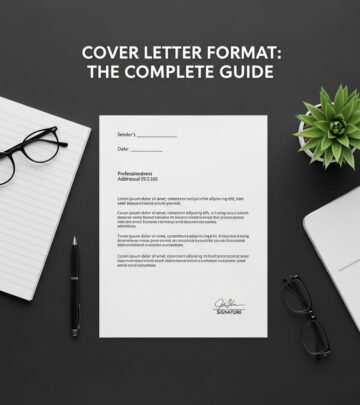
The header is the first element of your cover letter and should appear at the top of the document. Include your full name, street address, city and state with zip code, email address, and phone number. Below your contact information, add the date you are sending the letter. If you know the name and address of the hiring manager and company, include that information as well. A properly formatted header demonstrates professionalism and ensures the hiring manager can easily contact you if they wish to discuss your application further.
Salutation
Begin your letter with a professional salutation. Whenever possible, address the hiring manager by name using “Dear [First Name Last Name]:” If you cannot find the hiring manager’s name, use a general greeting such as “Dear Hiring Manager:” or “Dear [Company Name] Recruiting Team:” Addressing someone by name shows you have done your research and adds a personal touch to your application.
Opening Paragraph
Your opening paragraph should grab the reader’s attention immediately. Start with a strong opening that demonstrates your enthusiasm for the role and the company. You might mention a specific achievement, reference something about the company’s mission that resonates with you, or include a touch of appropriate humor. Be concise in this section—no more than three sentences. The opening paragraph should clearly state the position you are applying for and briefly explain why you are interested in the opportunity.
Body Paragraphs
The body of your cover letter typically consists of one to two paragraphs where you highlight your relevant skills, experiences, and accomplishments. Use specific examples to demonstrate how your qualifications match the job requirements. Instead of simply listing skills, explain how you have applied those skills in previous roles and what results you achieved. Use concrete numbers and data whenever possible to quantify your accomplishments. For example, rather than saying you “improved sales,” state that you “increased sales by 35% in the first quarter.” Connect your experiences directly to the company’s needs and show that you understand what they are looking for in a candidate.
Closing Paragraph
Your closing paragraph should reiterate your interest in the position and include a call to action. Thank the hiring manager for considering your application and express your enthusiasm about the opportunity to discuss how you can contribute to their organization. Indicate that you are available for an interview at their convenience and provide your contact information again. Keep this section brief but impactful.
Sign-Off
End your letter with a professional closing such as “Sincerely,” “Best regards,” “With appreciation,” or “Thank you.” Leave space for your handwritten signature if you are printing the letter, or simply type your full name if submitting electronically. Your closing should reinforce the professional tone you have established throughout the letter.
Standard Cover Letter Format
Following proper formatting conventions demonstrates attention to detail and professionalism. Here are the key formatting guidelines for your cover letter:
- Use a standard font such as Arial, Calibri, or Times New Roman in 10 to 12-point size
- Set margins between one-half inch and one inch on all sides
- Keep your letter to one page in length
- Use single spacing within paragraphs and double spacing between paragraphs
- Align all text to the left side of the page
- Save your document as a PDF to preserve formatting
- Use a professional file naming convention such as “FirstName_LastName_CoverLetter.pdf”
Writing Tips for an Effective Cover Letter
Start With a Strong Opening
Your first sentence is crucial. Open with a catchy statement that demonstrates your passion for the work, showcases your research about the company, or includes appropriate humor. This opening should make the hiring manager want to continue reading your letter. Avoid generic statements like “I am writing to apply for the position of…” Instead, be creative and memorable while remaining professional.
Quantify Your Achievements
Numbers and data make your accomplishments more credible and impressive. Rather than making vague claims about your abilities, provide specific examples backed by measurable results. If you increased productivity, by what percentage? If you managed a budget, how large was it? If you led a team, how many people reported to you? These concrete details demonstrate that you can produce tangible results and give the hiring manager confidence in your abilities.
Tailor Your Letter to the Company and Role
One of the most important aspects of writing an effective cover letter is customization. Generic cover letters rarely make an impact. Instead, research the company thoroughly and reference specific details such as recent achievements, company values, products, or initiatives that resonate with you. Explain how your skills and experiences align with the company’s specific needs and goals. This shows that you are genuinely interested in the organization and have invested time in learning about them.
Keep It Concise and Focused
Hiring managers are busy and receive numerous applications. Keep your cover letter to one page with three to four short paragraphs. Each paragraph should have a clear purpose and no more than three sentences. Remove any unnecessary information and focus on what is most relevant to the position. Every sentence should serve a purpose and contribute to your overall message.
Use an Authoritative Voice
Write with confidence and conviction. Avoid uncertain language such as “I think,” “I believe,” or “I hope.” Instead, use direct statements that demonstrate your expertise and capability. “I have successfully managed…” is stronger than “I believe I could potentially manage…” Your tone should convey confidence while remaining humble and professional.
Avoid Common Mistakes
Be mindful of pitfalls that can weaken your cover letter. Do not mention salary or benefits—you can discuss compensation later if an offer is extended. Avoid exaggerating your skills or qualifications; only mention abilities you genuinely possess. Do not focus excessively on the past; while mentioning relevant experience is appropriate, emphasize what you can bring to the role in the future. Finally, ensure your letter is engaging and interesting rather than boring, as a dull cover letter will decrease your chances of receiving a callback.
Cover Letter Examples and Templates
Professional Cover Letter Example
A professional cover letter maintains a formal tone while showcasing your qualifications and enthusiasm for the role. This type of letter works well for traditional industries such as finance, law, healthcare, and corporate management. A professional cover letter should demonstrate your understanding of industry standards and your alignment with the company’s formal culture.
Creative Cover Letter Example
For creative positions in marketing, advertising, design, or media, a cover letter with personality and flair can help you stand out. You can incorporate creative formatting, unique storytelling, or appropriate humor while still maintaining professionalism. This approach allows you to showcase your creativity and individuality, which are often valued in creative industries.
Entry-Level Cover Letter Example
If you are applying for your first job or an entry-level position, focus on highlighting your education, internships, volunteer experience, and transferable skills. Emphasize your eagerness to learn and your enthusiasm for the industry. You might not have extensive professional experience, but you can demonstrate your potential and commitment through relevant coursework, projects, and extracurricular activities.
Career Change Cover Letter Example
When changing careers, your cover letter should address the transition thoughtfully. Explain your motivation for the career change and highlight transferable skills from your previous roles. Show how your unique background brings valuable perspective to your new field. Demonstrate that you understand the requirements of the new position and that you are committed to making a successful transition.
Industry-Specific Cover Letter Tips
Finance and Banking
In the finance industry, precision and accuracy are paramount. Your cover letter should demonstrate strong analytical skills, attention to detail, and knowledge of financial principles. Highlight relevant certifications, technical competencies, and specific achievements with measurable outcomes. Use professional language and avoid unnecessary creative flourishes.
Technology
For technology positions, emphasize technical skills, programming languages, and relevant projects you have completed. Show your familiarity with industry trends and emerging technologies. If you have contributed to open-source projects or have a portfolio, reference it in your cover letter. Demonstrate both technical expertise and the ability to communicate complex concepts clearly.
Healthcare
Healthcare professionals should emphasize their commitment to patient care, relevant certifications, and clinical experience. Highlight your understanding of HIPAA regulations and your ability to work in a patient-centered environment. Demonstrate your compassion, reliability, and dedication to maintaining high standards of care.
Sales and Marketing
For sales and marketing positions, showcase your results-driven approach and communication skills. Highlight specific achievements such as revenue growth, customer acquisition, or successful campaigns. Demonstrate your understanding of the target market and your ability to develop compelling messaging. Show enthusiasm and energy that aligns with sales and marketing cultures.
Using Cover Letter Templates
Cover letter templates can provide a helpful starting point for your writing process. Templates offer a structure and format that you can customize with your own information and experiences. Many organizations provide templates on their websites, and numerous free templates are available online through career resources. However, remember that templates should be personalized to reflect your unique voice and tailored to each specific position. A template that is used verbatim without customization will likely not make a strong impression on hiring managers.
Frequently Asked Questions About Cover Letters
Q: How long should my cover letter be?
A: Your cover letter should be one page in length, consisting of three to four short paragraphs. It should be concise enough to read in one to two minutes but detailed enough to make a compelling case for your candidacy.
Q: Should I include a cover letter if it is not required?
A: Yes, including a cover letter even when not required can demonstrate your genuine interest in the position and provide additional context that your resume does not convey. Many hiring managers appreciate the extra effort and opportunity to learn more about applicants.
Q: How should I address the hiring manager if I do not know their name?
A: If you cannot find the hiring manager’s name, use a general greeting such as “Dear Hiring Manager,” “Dear [Company Name] Recruiting Team,” or “To Whom It May Concern.” However, taking time to research and find the specific person’s name is always preferable.
Q: Can I use the same cover letter for multiple positions?
A: While you can use the same basic template and structure, you should customize each cover letter for the specific position and company. Hiring managers can often tell when a generic letter has been sent, and personalized letters are much more effective in capturing their attention.
Q: What tone should I use in my cover letter?
A: The tone should be professional yet personable. While maintaining formality appropriate to the industry, allow your personality to shine through. Strike a balance between confidence and humility, demonstrating your qualifications without appearing arrogant.
Q: Should I mention salary expectations in my cover letter?
A: Generally, you should not mention salary in your cover letter. Save compensation discussions for later stages of the interview process. Focus your letter on demonstrating your value and interest in the role rather than on financial considerations.
Q: How should I format my cover letter when submitting it electronically?
A: Save your cover letter as a PDF to preserve formatting and ensure it appears the same on all devices. Use standard fonts and avoid special formatting that might not display correctly. Include your contact information clearly at the top, and use a descriptive file name.
References
- The 11 Best Cover Letter Examples of 2025 — Resume Genius. 2025. https://resumegenius.com/blog/cover-letter-help/best-cover-letters
- How to Write a Cover Letter for a Job — Money. https://money.com/how-to-write-a-cover-letter/
- Queen’s Best Cover Letters — Queen’s University Career Services. 2023. https://careercenter.queensu.ca/
- Cover Letters — Cawley Career Education Center, Georgetown University. https://careercenter.georgetown.edu/major-career-guides/resumes-cover-letters/cover-letters/
Similar Articles








Read full bio of medha deb