Free Boat Accommodations & Paid Jobs at Sea
Live and work on boats worldwide: discover how to secure free accommodations and paid maritime employment opportunities.
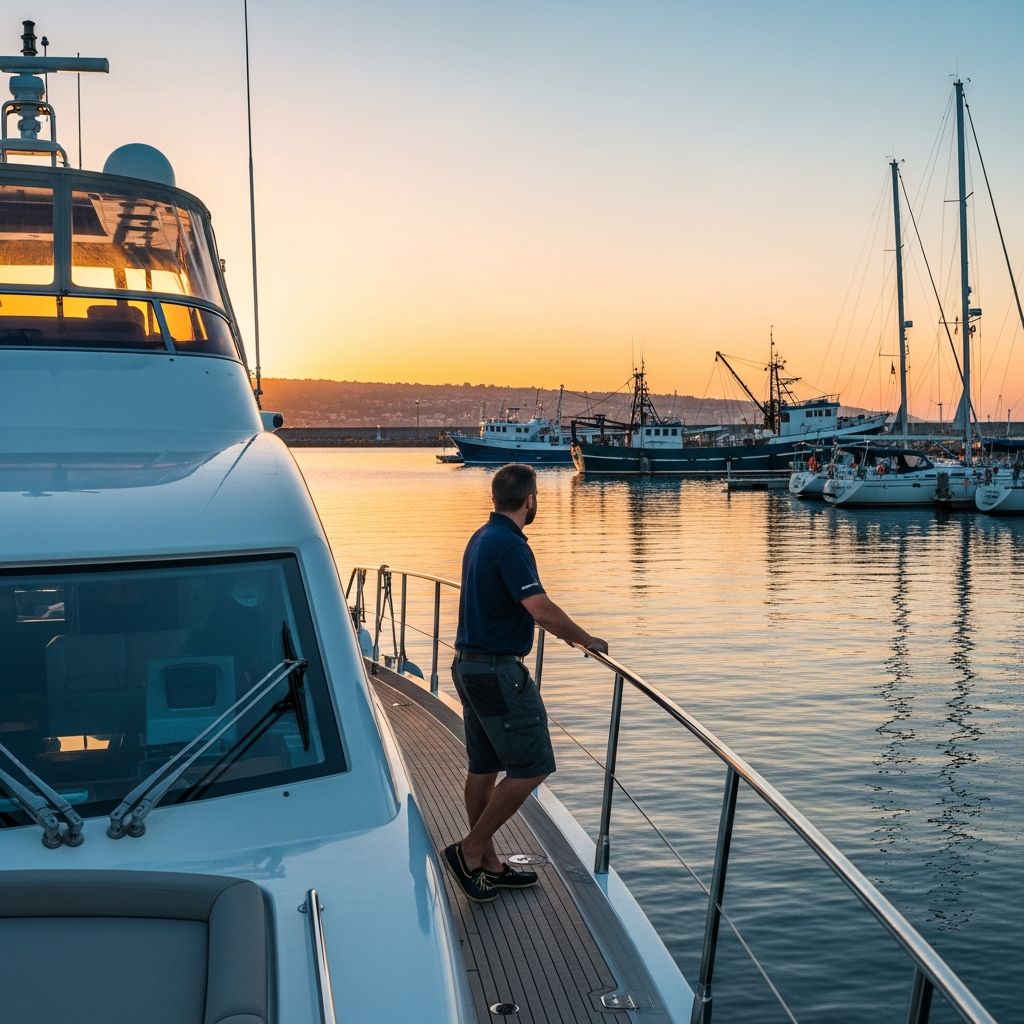
Live and Work on Boats: Your Guide to Free Accommodations and Paid Maritime Jobs
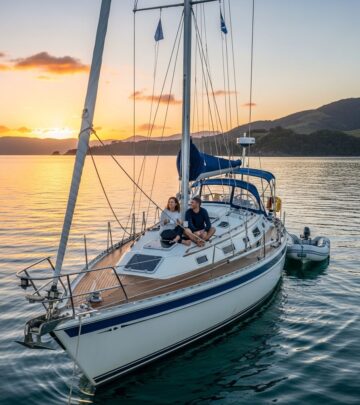
Imagine waking up to the sound of waves, enjoying free accommodations, and getting paid for your work — all while living on a boat. This lifestyle is entirely achievable for adventurous travelers willing to explore the world’s nautical communities. Whether you’re seeking free passage on sailboats or paid employment on mega-yachts, the maritime industry offers diverse opportunities for those with the right skills, attitude, and preparation.
The boat-based lifestyle combines sustainability, adventure, and community in ways traditional travel cannot match. Unlike land-based tourism that drains your wallet with daily accommodation costs, working on boats eliminates housing expenses entirely while building genuine connections with captains, crew members, and fellow travelers. This guide explores everything you need to know about securing free accommodations on boats and finding lucrative paid positions in the maritime industry.
Understanding the Boat Work Culture and Lifestyle
The maritime community represents a unique subculture of travelers and professionals united by their passion for ocean life. Working on boats isn’t simply a job or housing arrangement — it’s a lifestyle choice that demands flexibility, adaptability, and genuine enthusiasm for water-based living. Many boat captains, especially those operating sailboats, are solo travelers themselves who understand the loneliness that can accompany maritime life.
The sailing community is remarkably small and interconnected. Once you join one boat, you’ll quickly discover how easy it is to meet other captains, learn about upcoming opportunities, and find your next position through word-of-mouth recommendations. This organic networking system has sustained the boat-working community for decades and remains the most effective way to secure quality placements.
What makes this lifestyle particularly appealing is the incredible variety of experiences available. Each boat operates differently, each captain has unique needs, and each location offers distinct adventures. You might find yourself cooking gourmet meals for charter guests in the Caribbean one month, providing technical expertise on a video production boat the next, or simply offering an extra set of helping hands to a solo sailor navigating challenging waters.
How to Find Free Boat Accommodations
Finding free accommodations on boats requires understanding where captains and travelers connect. Multiple platforms and websites facilitate these matches, creating a marketplace where boat owners seeking crew can meet nomadic travelers offering skills and companionship.
Several established websites specialize in connecting crew members with boat captains:
- Sailing-specific platforms that cater exclusively to the nautical community
- General travel exchange sites adapted for maritime arrangements
- Niche networks focused on nomadic sailors and traveling professionals
- Social media groups dedicated to boat crew opportunities
- Word-of-mouth networks within coastal sailing communities
The key to success on these platforms is presenting yourself professionally. Highlight any relevant skills — sailing experience, cooking abilities, mechanical expertise, video production talents, or hospitality experience. Captains seek crew members who can contribute meaningfully, whether through technical knowledge or practical support.
Your skills determine your value to boat captains. Someone with extensive sailing experience becomes invaluable for navigation and seamanship. A talented cook can transform the boat experience for both the captain and charter guests. Those with mechanical or technical skills solve problems quickly and efficiently. Even general handiness and a positive attitude count significantly when living in close quarters with others.
Understanding Your Responsibilities When Working on Boats
Responsibilities vary dramatically depending on the boat type, captain’s needs, and specific arrangement. Before committing to any position, clarify expectations thoroughly. Misaligned expectations lead to uncomfortable situations where crew members and captains find themselves frustrated or overwhelmed.
Common responsibilities include:
- General deck maintenance and boat cleaning
- Navigation assistance and watch-keeping
- Meal preparation and kitchen management
- Guest services and hospitality duties
- Equipment maintenance and repairs
- Safety protocol compliance
- Administrative or business support tasks
The most successful boat crew members understand that living and working in small, confined spaces requires exceptional communication. Regular check-ins about expectations, concerns, and adjustments prevent minor irritations from becoming serious conflicts. Flexibility and a positive attitude matter more than perfection — captains value crew members who adapt to changing conditions and unexpected challenges.
Charter Boats: Paid Positions with Guest Interaction
Charter boats represent one of the most accessible paid opportunities in maritime work. Sailboat owners generate income by hosting paying guests for sailing holidays, creating demand for crew members who can handle various responsibilities.
Charter experiences vary significantly based on the boat owner’s business model. Some captains operate all-inclusive, fully-catered sailing vacations where guests expect gourmet meals, entertainment, and attentive service. Others run more casual, informal charters with relaxed expectations. Understanding the specific charter’s requirements before accepting a position prevents frustrating mismatches.
Charter Host and Hostess Positions
Host and hostess roles typically involve comprehensive guest care throughout multi-day sailing trips. Responsibilities include meal planning that accommodates dietary preferences and restrictions, grocery shopping with limited budget constraints, cooking meals that range from casual lunches to multi-course dinners with appetizer platters and afternoon drinks, and maintaining immaculate cabin cleanliness. This position requires strong organizational skills, culinary confidence, and genuine hospitality instincts.
The advantage of charter positions is the built-in daily structure. While you’re managing guest needs and maintaining the boat, you’re simultaneously enjoying ocean activities. Many charter boats visit new islands daily, offering opportunities for swimming, snorkeling, and exploration during downtime. You’re essentially paid to travel while providing essential services that enhance guest experiences.
Hostessing a charter through exotic locations like the British Virgin Islands provides memories that rival traditional vacation experiences. You’re not simply visiting these destinations — you’re living and working within them, developing genuine familiarity with local waters, communities, and hidden gems that typical tourists never discover.
Finding Paid Maritime Jobs Beyond Charter Boats
The paid maritime job market extends far beyond charter positions. Mega-yachts, commercial vessels, research boats, and specialty maritime businesses all require skilled crew members.
Popular platforms for finding paid boat jobs include:
- Dedicated yacht crew recruitment websites
- Maritime job boards specializing in commercial positions
- International marine employment agencies
- Specialized mega-yacht crew platforms
- Niche maritime industry job sites
Paid maritime positions often offer significantly higher compensation than free accommodations arrangements, particularly on luxury yachts and commercial vessels. Salaries vary based on position level, vessel size, location, and season. Entry-level deck crew positions pay less than senior crew roles, but advancement opportunities exist for those building maritime expertise.
Mega-yacht positions attract professionals worldwide because compensation packages include not only salary but also free meals, accommodation, and international benefits. These positions often require more formal qualifications, safety certifications, and previous maritime experience than casual sailing arrangements.
Essential Skills and Qualifications for Boat Work
Different boat positions require different skill sets. Understanding your strengths helps you target appropriate opportunities and present yourself effectively to potential captains.
Technical and Sailing Skills
Sailing experience remains highly valuable in the maritime community. Crew members with knowledge of sailboat handling, navigation, rigging, and seamanship can solve problems independently and reduce the captain’s workload significantly. Safety certifications such as first aid, sea survival, and fire safety increase your marketability for paid positions.
Hospitality and Culinary Expertise
Cooking abilities open numerous doors in charter and luxury boat positions. The ability to plan nutritious, appealing meals with limited galley resources, accommodate dietary restrictions, and serve with genuine hospitality makes you invaluable on guest-focused vessels. Even basic cooking competence combined with enthusiasm for learning can lead to excellent opportunities.
Mechanical and Technical Proficiency
Boat engines, electrical systems, plumbing, and navigation equipment require regular maintenance. Crew members with mechanical skills or technical expertise become indispensable problem-solvers. Formal certifications in marine engineering or mechanical work significantly increase earning potential and job security.
Additional Valuable Skills
Photography, videography, social media management, business administration, and other specialized skills can justify your presence on boats pursuing non-traditional work. As boats increasingly operate mobile businesses, crew members with digital expertise become valuable team members.
Safety Considerations and Important Precautions
While boat work offers tremendous opportunities, certain precautions deserve serious attention. The maritime environment presents unique safety challenges, and living in close quarters with strangers requires careful judgment.
For All Boat Workers
- Research captains and boat owners before committing
- Trust your instincts about people and situations
- Maintain communication with friends and family about your whereabouts
- Understand maritime safety protocols and emergency procedures
- Carry travel insurance that covers maritime activities
- Know your rights regarding work conditions and compensation
Particularly for Women and Solo Travelers
While these precautions apply to everyone, certain populations face heightened vulnerability in isolated maritime environments. Women, in particular, should carefully evaluate captains, boat crew composition, and safety measures before boarding. Trust your instincts — if something feels wrong, it probably is. Prioritize communication with other crew members, establish clear boundaries, and maintain independence through personal finances and backup plans.
The sailing community largely self-regulates through reputation. Problematic captains quickly gain negative reputations that spread through word-of-mouth networks. Conversely, respectful, fair captains attract excellent crew members who voluntarily return for multiple seasons or recommend others.
Positioning Yourself Strategically for Boat Work
Success in securing boat positions depends partly on timing, location, and presentation. Understanding boat work seasonality and regional opportunities increases your chances of landing desirable positions.
Seasonal Considerations
Different regions have distinct sailing seasons. The Caribbean experiences peak charter activity during winter months when wealthy guests escape cold climates. Mediterranean sailing intensifies during summer. Understanding these patterns helps you position yourself in the right location when opportunities are abundant.
Strategic Presentation
When approaching captains or applying for positions, lead with your most relevant skills. If you’re an accomplished cook, emphasize culinary credentials. If you have sailing experience, highlight specific certifications and previous positions. Even casual crew members can present themselves professionally by demonstrating enthusiasm, reliability, and genuine interest in maritime life.
Building Relationships in Sailing Communities
The interconnected nature of the sailing community means relationships matter enormously. Spend time in coastal sailing hubs, attend maritime events, join online sailing communities, and engage genuinely with boat-working culture. These connections generate opportunities that never appear on public job boards.
Expectations vs. Reality: Setting Yourself Up for Success
The transition from land-based living to boat life requires significant adjustment. Success depends on managing expectations realistically and approaching the experience with flexibility.
Living on boats involves genuine challenges alongside incredible benefits. Space is limited, privacy is minimal, and physical work can be demanding. Weather delays can disrupt plans, seasickness affects many new boat dwellers, and interpersonal dynamics intensify in confined spaces. However, for those seeking adventure, affordability, and community, these challenges pale beside the opportunities.
The most successful boat workers are those who clearly understand what they’re signing up for, communicate openly about boundaries and expectations, and maintain flexibility when circumstances change. This mindset transforms boat work from merely securing cheap accommodations into a genuine lifestyle adventure.
Frequently Asked Questions About Boat Work
Q: Do I need sailing experience to work on boats?
A: While sailing experience helps significantly, many boats need crew members for cooking, cleaning, hospitality, and general labor. Enthusiasm to learn matters more than existing expertise for many casual sailing arrangements.
Q: How long are typical boat work placements?
A: Placements vary widely — from single-week charters to multi-month sailing adventures. Discuss duration expectations with captains before committing to ensure alignment with your plans.
Q: Will I get paid for free accommodation arrangements?
A: Usually not. Free accommodation arrangements are exchanges where you provide labor in exchange for housing and meals. Paid positions on mega-yachts and commercial vessels offer actual salaries beyond housing.
Q: What certifications improve my marketability?
A: Maritime certifications like first aid, CPR, sea survival training, and safety courses significantly increase your competitiveness for paid positions. Sailing-specific certifications and culinary credentials are also valuable.
Q: How do I avoid problematic captains or unsafe situations?
A: Research captains thoroughly, ask detailed questions about expectations, trust your instincts, maintain communication with others, and prioritize your safety above securing any position. The sailing community’s reputation network helps identify problematic individuals.
Q: Can I save money working on boats?
A: Absolutely. Free accommodations and meals eliminate major expenses. Some paid maritime positions offer excellent compensation, making boat work financially advantageous compared to traditional travel.
Starting Your Boat Work Adventure
The journey toward boat-based living and maritime employment begins with research and genuine interest in nautical culture. Explore websites connecting crew with captains, engage with online sailing communities, visit coastal areas known for maritime activity, and build relationships with boat-working professionals. Start small if you’re nervous — perhaps a one-week charter position or casual sailing arrangement before committing to longer voyages.
The boat-working lifestyle isn’t for everyone, but for those who embrace adventure, value community, and seek sustainable travel alternatives, it offers incomparable rewards. Free accommodations combine with paid opportunities, diverse experiences, and genuine friendships to create a fulfilling lifestyle that transcends traditional vacation travel. Your maritime adventure awaits — explore the possibilities and discover whether boat-based living aligns with your travel dreams.
References
- How to Get Free Accommodations (and Paid Jobs) on Boats — Wise Bread. 2024. https://www.wisebread.com/how-to-get-free-accommodations-and-paid-jobs-on-boats
- International Maritime Organization Safety of Life at Sea (SOLAS) Convention — International Maritime Organization. 2024. https://www.imo.org/
- Crew Competency Standards for Maritime Positions — U.S. Coast Guard. 2024. https://www.uscg.mil/
Similar Articles








Read full bio of Sneha Tete