How to Score Free or Almost Free College Textbooks
Smart strategies to eliminate or drastically reduce textbook costs during college.
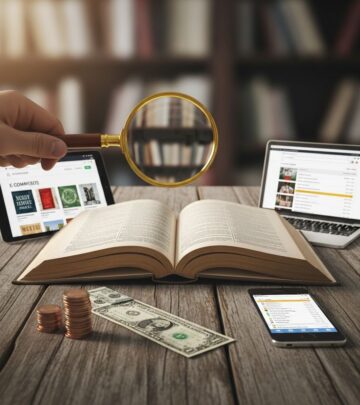
College textbooks represent a significant financial burden for students. The most expensive printed textbooks can sell for over $200 at college bookstores, and even used or digital copies often cost substantial amounts that add up across multiple courses. With many students already struggling to cover tuition, housing, and other expenses, textbook costs can force difficult choices. According to recent surveys, seven in ten students have skipped buying a textbook because of its cost, potentially compromising their academic performance. However, numerous strategies exist to dramatically reduce or eliminate textbook expenses entirely. This guide explores practical methods to help you keep more money in your pocket while still accessing the course materials you need.
Buy Used Textbooks
One of the most accessible ways to save money on textbooks is purchasing used copies instead of new ones. Used textbooks are often in excellent condition—many were never opened by previous owners—yet cost substantially less than pristine new editions. This option provides significant savings while still giving you physical ownership of the book.
Several online marketplaces specialize in used textbooks:
- Amazon — Offers extensive used textbook inventory with Prime shipping options for two-day delivery
- eBay — Provides competitive pricing through individual sellers and allows you to compare options
- AbeBooks — Connects you with independent booksellers offering used academic texts
- Half.com — Specializes in used books and media at discounted prices
When shopping across platforms, carefully compare total costs including shipping fees and estimated delivery times. Books shipped internationally, particularly from China, may not arrive until semester end, making them unsuitable for immediate coursework. Conversely, Amazon Prime-eligible books guarantee rapid delivery without shipping charges.
Purchase Previous Editions
Textbook publishers release new editions regularly, but content often remains virtually identical to previous versions. New editions typically include minor changes such as updated articles, different photographs, or reorganized appendices, while core material stays consistent—unless your field involves rapidly evolving technology. This reality makes older editions an excellent cost-saving strategy.
To implement this approach effectively:
- Research the ISBN numbers for both the current and previous edition
- Confirm with classmates that content aligns between versions
- Purchase the older edition at a fraction of the current price
- Compare page numbers and chapter organization to ensure compatibility with assignments
Many students have completed entire degrees—including master’s programs—by strategically purchasing older editions through Amazon and similar platforms. The savings can be remarkable, sometimes reducing costs by 50-75% compared to current editions.
Rent Textbooks Instead of Buying
Textbook rental programs offer a middle ground between purchasing and free access, particularly beneficial for courses where you won’t need the book after the semester ends. Electronic textbook rentals provide particularly attractive pricing structures. For example, platforms like Pearson offer six-month eTextbook rentals for as little as $51, compared to $95 for purchase or $165 for new physical copies.
Rental advantages include:
- Significantly lower costs than purchasing new books
- No shipping required for eTextbooks—instant digital access
- Automatic access termination prevents accidental cost overruns
- Environmentally friendly alternative to physical book ownership
College bookstores typically offer rental options for physical textbooks as well, though online platforms often provide better pricing and selection.
Utilize Your College Library
Academic libraries represent underutilized resources for textbook access. Many professors assign textbooks not because students must own them, but because specific chapters or sections support the course. Libraries frequently maintain multiple copies of required texts available for in-library reference or extended checkout periods.
To maximize library resources:
- Check required reading lists as soon as they become available
- Visit the library early to secure limited copies before other students
- Ask librarians about interlibrary loan systems that access books from partner institutions
- Inquire whether textbooks are available as reference-only materials or for overnight checkout
- Explore intercollegiate book sharing networks, which connect hundreds of libraries and provide free access to resources across institutions
This strategy requires some planning and flexibility but costs absolutely nothing beyond your student fees that already support library services.
Opt for Electronic Textbooks
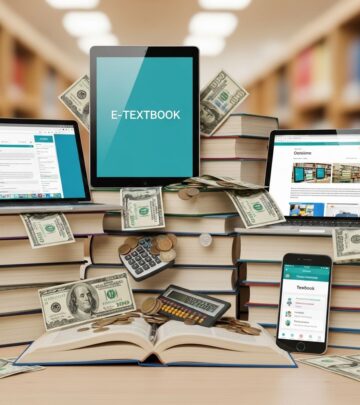
Electronic textbooks (eTextbooks) offer both budgetary and practical advantages. Digital versions typically cost substantially less than physical copies, and you can carry all your course materials on a single tablet or laptop. ETextbooks also enable interactive studying through highlighting, note-taking, copying, and pasting functionality.
Benefits of eTextbooks include:
- Lower purchase or rental prices
- Instant digital delivery—no waiting or shipping costs
- Portability across multiple devices
- Interactive annotation and note-taking capabilities
- Searchable text for quick reference
- Environmentally sustainable option
However, verify platform requirements and digital rights management restrictions before purchasing, as some eTextbooks have limitations on sharing, printing, or offline access.
Explore Open Educational Resources
Open Educational Resources (OER) represent a transformative approach to eliminating textbook costs entirely. These free, publicly available materials—including textbooks, videos, and interactive content—are licensed for educational use without cost. California’s community college system exemplifies this movement, allocating $115 million to help campuses create no-cost digital class materials.
Benefits of OER adoption include:
- Zero cost to students
- Faculty flexibility to customize materials for their courses
- Regularly updated content reflecting current knowledge
- Inclusive design accessible to diverse learners
One San Diego community college student reported saving $700 annually by taking classes using open educational resources, allowing him to reduce work hours and focus more on studies. As one student noted, “Not having to worry about an extra cost that sometimes costs even more than the class itself is pretty nice.”
When registering for courses, look for classes explicitly marked as having zero textbook costs or using open educational resources. This requires faculty investment in reviewing public domain materials and creating supporting homework, but produces substantial student benefits over time.
Share Textbooks with Classmates
Coordinating with classmates provides another cost-sharing strategy. You might split the cost of a new textbook with one or more students, with each person using the book on different days or taking turns with overnight access. Alternatively, photograph or scan key chapters (respecting copyright limitations) to share digital versions among study groups.
Effective textbook sharing requires:
- Clear agreements about access schedules
- Reliable classmates who follow through on commitments
- Understanding of your institution’s copyright policies
- Communication about when each person needs the material
Ask Your Professor
Many professors are aware of textbook cost burdens and may have solutions. Some keep copies on reserve at the library, provide digital excerpts, or recommend free alternatives. Others might accept work in exchange for textbook costs or provide copies to students with demonstrated financial hardship.
When approaching professors:
- Ask early in the semester before purchasing
- Explain your situation respectfully
- Inquire about reserve copies or open-access alternatives
- Ask if older editions or alternative resources work for the course
Check for Digital Access Codes
Some textbooks come bundled with access codes for online platforms, homework systems, or supplementary materials. When these items are included as packages, purchasing used physical textbooks may not provide access to digital components. Conversely, purchasing new books specifically for access codes might be cost-effective if the code and associated platform are essential for the course. Clarify exactly what you need before purchasing.
Plan Ahead and Compare Costs
Strategic planning significantly reduces textbook expenses. As soon as course schedules are available, identify which classes use open educational resources or zero-cost materials. When registering, factor textbook costs into your decision-making. Sometimes a slightly different section or time slot of the same course uses different (cheaper) materials.
Before purchasing any textbook:
- Compare prices across all platforms
- Calculate total cost including shipping and taxes
- Verify the ISBN matches your course requirements
- Read reviews about book condition and shipping reliability
- Check return policies in case the material doesn’t meet expectations
Frequently Asked Questions
Q: Are older textbook editions really equivalent to current editions?
A: In most disciplines, older editions contain nearly identical content with minor variations in images, article selections, or appendix materials. However, in rapidly evolving fields like technology or medicine, newer editions may contain essential updates. Always verify compatibility with your professor before purchasing an older edition.
Q: Can I legally share eTextbooks with classmates?
A: Most eTextbook licenses restrict sharing and simultaneous access. Sharing violates terms of service. However, sharing physical textbooks is generally legal. Check your specific eTextbook’s licensing agreement before assuming sharing is permitted.
Q: How do I find open educational resources for my courses?
A: Ask your professor directly if open-access alternatives exist for required materials. Check your college’s registrar website for courses designated as having zero textbook costs. Websites like OpenStax and MERLOT aggregate free educational resources by discipline.
Q: Will buying a used textbook affect my learning?
A: No, used textbooks contain identical content to new copies. The only differences might be previous owner annotations, wear and tear, or missing supplementary access codes. A well-maintained used book functions identically to a new one for learning purposes.
Q: Is textbook rental worth it for semester-long courses?
A: Rentals work well for courses where you won’t need the book after the semester ends. If you anticipate keeping the book for future reference or selling it back, purchase options may ultimately be more economical. Calculate your specific situation’s total costs.
Conclusion
College textbook costs represent a genuine financial hardship affecting student success and wellbeing. However, multiple strategies enable you to dramatically reduce or eliminate these expenses. By combining approaches—purchasing used older editions, renting when appropriate, leveraging library resources, and seeking out open educational materials—you can maintain full access to course content while preserving your financial resources for other essential needs. The key is planning ahead, comparing options systematically, and exploring all available resources at your institution. As textbook affordability initiatives expand, even more free and low-cost options will become available to students nationwide.
References
- Advocates See A Future Of Zero Textbook Costs For College Students — LAist. 2024. https://laist.com/news/education/advocates-zero-textbook-costs-for-college-students-open-education-resources
- Saving Money on College Textbooks — Aflac. 2024. https://knowledge.anbtx.com/paying-for-college/financing/article/saving-money-on-college-textbooks
- Best Money Tips: Ways to Save Money on College Textbooks — Wise Bread. 2024. https://www.wisebread.com/best-money-tips-ways-to-save-money-on-college-textbooks
- 7 in 10 Students Have Skipped Buying a Textbook Because of Its Cost — The Chronicle of Higher Education. 2024. https://www.chronicle.com/article/7-in-10-students-have-skipped-buying-a-textbook-because-of-its-cost-survey-finds/
Similar Articles








Read full bio of Sneha Tete