What to Do If You’re a Fraud or Scam Victim
Step-by-step guide: Recover from scams, protect your money, and prevent future fraud with expert advice on reporting and recovery.
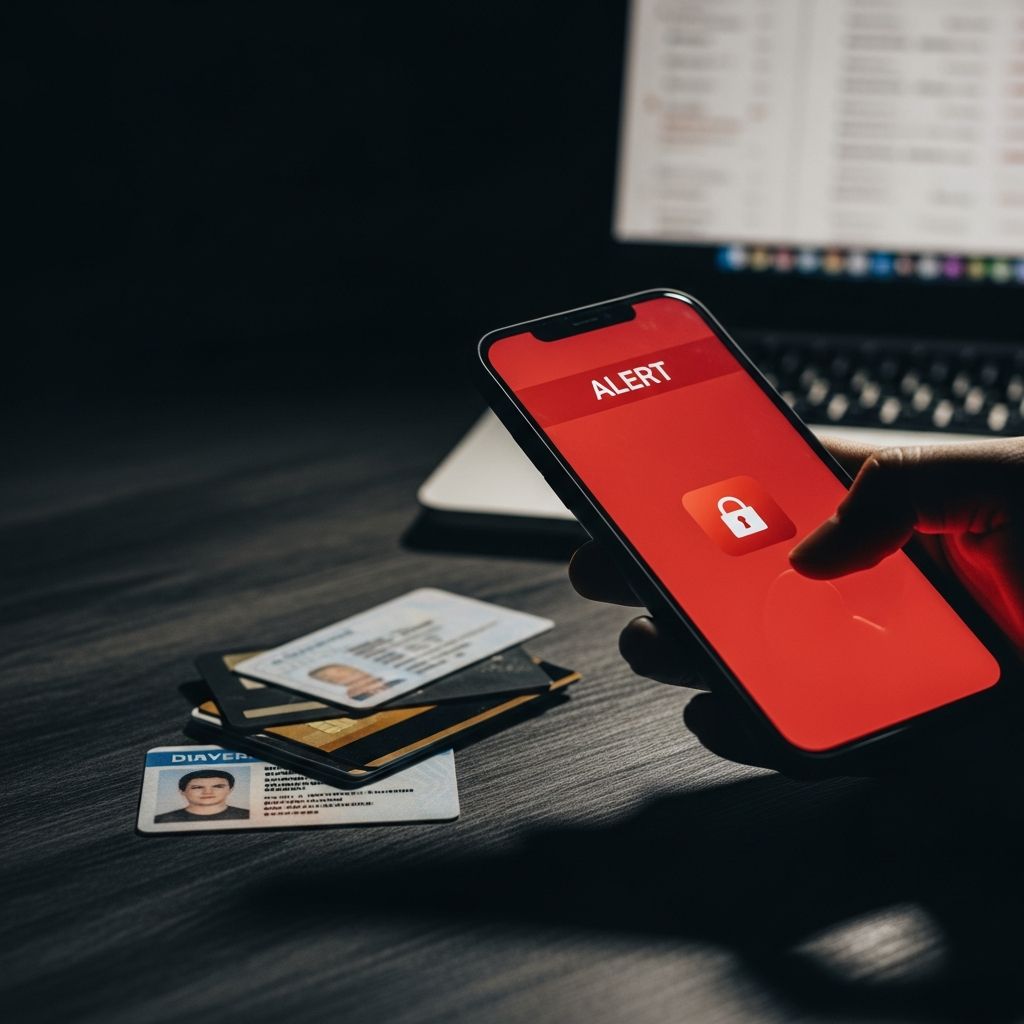
Falling victim to a scam or fraud can feel devastating, but swift action can minimize damage and aid recovery. This guide outlines immediate steps, reporting procedures, protective measures, and long-term strategies based on real victim stories and official recommendations.
Stay Calm and Assess the Situation
The first moments after realizing you’ve been scammed are critical. Avoid panic, which can lead to rash decisions exploited by scammers. Take a deep breath and document everything: note dates, times, transaction details, scammer communications, and any personal information shared.
- Secure your devices: Change passwords immediately on affected accounts, enable two-factor authentication (2FA), and run antivirus scans.
- Do not engage further: Scammers may call back pretending to help; hang up and contact official sources directly.
- Preserve evidence: Save texts, emails, screenshots, and call logs without deleting anything.
Real victims like a Penny Hoarder writer who fell for a phishing text about an undeliverable package emphasize acting fast to prevent further loss. In that case, the victim entered debit card details on a fake USPS site, highlighting how official-looking scams prey on trust.
Contact Your Bank or Financial Institution Immediately
Time is money—literally. Notify your bank, credit card issuer, or payment provider as soon as possible, ideally within 60 minutes of discovery. Federal law under the Fair Credit Billing Act limits liability for unauthorized charges to $50 if reported promptly, and often $0 for debit cards if acted on quickly.
| Account Type | Reporting Deadline | Max Liability |
|---|---|---|
| Credit Card | 60 days | $50 |
| Debit Card | 2 business days | Funds at risk until reported |
| Wire Transfer | Immediate | Typically non-reversible |
A St. Augustine couple lost $42,000 in an impersonation scam despite notifying Chase Bank within 10 minutes. The scammers spoofed calls, authorizing wires using a one-time passcode, yet detectives noted the bank should not have approved transfers on a flagged account. Persistence paid off in disputes, though recovery was denied.
Report the Scam to Law Enforcement and Agencies
Filing official reports creates a paper trail essential for reimbursements and investigations. Report to multiple agencies for comprehensive coverage.
- Federal Trade Commission (FTC): Visit reportfraud.ftc.gov for identity theft and scams. Provides an affidavit usable with banks.
- Internet Crime Complaint Center (IC3): File at ic3.gov for cybercrimes like phishing.
- Local Police: File a report for physical evidence or local jurisdiction.
- FBI or Secret Service: For large losses (>$100,000) or crypto scams.
A Maine couple lost $1.3 million in a government impersonation scam, transferring crypto over seven months under FTC pretense. Reporting post-scam helped authorities track patterns, though funds were gone.
Place Fraud Alerts and Credit Freezes
Protect your credit from further misuse. A fraud alert requires creditors to verify identity before opening accounts; it’s free and lasts one year (or seven via extended alert).
- Contact one credit bureau (Equifax, Experian, TransUnion)—they notify the others.
- Credit freeze: Free and instant online; blocks new account openings until lifted. Essential for identity theft.
Monitor credit reports weekly for free at AnnualCreditReport.com. Victims of phishing or data breaches should freeze all three bureaus immediately.
Notify Credit Card Companies and Other Services
Beyond your bank, alert issuers if cards were compromised. Request new card numbers and PINs. For services like PayPal, Venmo, or crypto exchanges:
- Freeze or close accounts if needed.
- Dispute charges via their portals.
- Watch for “refunds” that are actually new scams.
In a sneaky return scam, fraudsters used stolen card info for Best Buy purchases, then “returned” items for store credit—signs of account takeover.
Recover Your Money: Dispute and Reimbursement Options
Not all losses are permanent. Success rates vary by scam type and response time.
| Scam Type | Recovery Odds | Key Action |
|---|---|---|
| Card Not Present (Online) | High (80-90%) | Dispute with issuer |
| Wire/ACH | Low | Bank recall request |
| Crypto | Very Low | Report to blockchain trackers |
Government data shows $8.8 billion in U.S. fraud losses in 2023, with reimbursements via Regulation E for electronic transfers if reported timely. Consult a consumer attorney for large claims.
Protect Yourself from Future Scams
Prevention is the best recovery. Common red flags include urgent demands, unsolicited contacts, too-good-to-be-true offers, and requests for payment via gift cards, wire, or crypto.
- Use unique, strong passwords with a manager.
- Verify sources: Call back using official numbers from statements.
- Avoid public Wi-Fi for banking.
- Educate family, especially seniors vulnerable to impersonation.
Southeast Asia’s scam operations start with innocent texts, escalating to sophisticated plays. Charity and sweepstakes scams exploit generosity, promising millions for upfront fees.
Real Victim Stories: Lessons Learned
The Phishing Package Scam
A journalist received a text post-mailing: “Package undeliverable.” A fake USPS site stole debit info. Experts debate if data came from postal breaches or mass texts. Lesson: Hover links, call USPS directly.
Impersonation Nightmare
The Hills lost $42K to spoofed Chase reps demanding transfers. Despite fraud flags, wires cleared. Key: Banks won’t call for codes; forward suspicious texts to 7726.
Retirement Wipeout
Cooks handed $1.3M in crypto/gold believing they aided an FTC sting. Scammers tracked via WhatsApp. Red flag: Legit agencies never demand secrecy or crypto buys.
Frequently Asked Questions (FAQs)
What if I gave scammers remote access to my computer?
Disconnect from internet, run full scans with Malwarebytes or similar, change all passwords from a clean device, and consider professional wipe.
Can I get money back from crypto scams?
Rarely, as blockchain is irreversible. Report to FinCEN or IRS for tax write-offs; some platforms reimburse small amounts.
How do I know if my identity is stolen?
Check for unfamiliar accounts on credit reports, unexpected bills, or IRS notices. Use HaveIBeenPwned.com for breaches.
What about gift card scams?
Funds are gone once loaded. Report serial numbers to issuer; future tip: Scratch only with seller present.
Should I pay “recovery” services?
No—many are secondary scams. Use free FTC/IC3 resources.
Resources for Scam Victims
- IdentityTheft.gov: Step-by-step recovery plan.
- FTC Consumer Advice: Scam alerts.
- USA.gov Fraud Reporting.
References
- Consumer Sentinel Network Data Book 2023 — Federal Trade Commission. 2024-02-29. https://www.ftc.gov/reports/consumer-sentinel-network-data-book-2023
- Electronic Fund Transfers (Regulation E) — Consumer Financial Protection Bureau. 2024-10-01. https://www.consumerfinance.gov/rules-policy/regulations/1005/
- Fair Credit Billing Act — Federal Trade Commission. 2023-12-01. https://www.ftc.gov/legal-library/browse/statutes/fair-credit-billing-act
- Identity Theft Victim Checklist — Federal Trade Commission. 2025-01-10. https://www.identitytheft.gov/
- Internet Crime Report 2024 — FBI Internet Crime Complaint Center. 2025-03-15. https://www.ic3.gov/Media/PDF/AnnualReport/2024_IC3Report.pdf
Similar Articles








Read full bio of Sneha Tete