Fraud Alerts: Your Shield Against Identity Theft
Discover how fraud alerts protect your credit from thieves and keep your financial identity secure with simple, free steps.

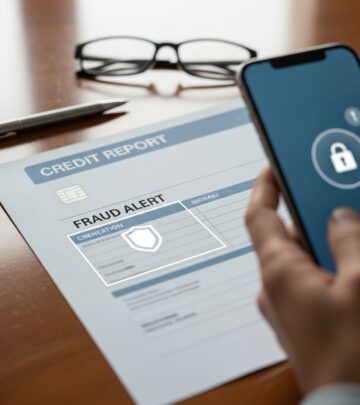
Fraud alerts serve as a critical first line of defense for anyone concerned about identity theft or credit fraud. These free notices placed on your credit reports signal to lenders and creditors that extra verification is needed before approving new accounts or credit increases in your name. By contacting just one of the three major credit bureaus—Experian, Equifax, or TransUnion—you ensure the alert appears on all three reports, streamlining the protection process.
Understanding the Core Purpose of Fraud Alerts
At their heart, fraud alerts notify potential creditors of potential risks associated with your identity. When someone attempts to open a new credit line, request a card replacement, or seek a higher limit using your information, the alert prompts the creditor to confirm your involvement. This might involve a phone call to your listed number or additional identity checks, making it harder for thieves to succeed.
Unlike more restrictive measures like credit freezes, fraud alerts allow continued access to your credit report by legitimate businesses while adding a safeguard layer. They are particularly useful after events like data breaches, lost wallets, or suspicious activity on accounts. Importantly, they also temporarily remove you from marketing lists for pre-approved offers, reducing spam and exposure to scams.
Types of Fraud Alerts and Their Key Differences
There are three primary types of fraud alerts, each tailored to specific situations and offering varying durations and requirements. Understanding these distinctions helps you choose the right one for your needs.
| Alert Type | Duration | Eligibility | Creditor Requirements | Marketing Opt-Out |
|---|---|---|---|---|
| Initial | 1 year (renewable) | Anyone | Verify identity reasonably | 6 months |
| Extended | 7 years (renewable with proof) | Identity theft victims with report | Contact by phone or in person | 5 years |
| Active-Duty | 1 year (renewable) | Active military | Verify identity reasonably | 2 years |
This table summarizes the main features based on guidelines from credit bureaus and federal consumer protection resources.
Initial Fraud Alert: Accessible Protection for All
The initial fraud alert is the most straightforward option, available to every consumer at no cost. It lasts for one year and can be renewed before expiration. Creditors must take steps to form a ‘reasonable belief’ about the applicant’s identity, often through contact methods like phone verification. Placing this alert also entitles you to a free credit report from each bureau, aiding in early detection of issues.
Ideal scenarios include suspicions of phishing attempts, stolen personal data, or general precaution after news of widespread breaches. Its simplicity makes it a go-to for proactive financial hygiene.
Extended Fraud Alert: Long-Term Safeguard for Victims
For those who have confirmed identity theft, the extended alert provides robust, extended coverage lasting seven years. Eligibility requires proof such as an FTC Identity Theft Report from IdentityTheft.gov or a police report. Creditors face stricter rules: they must reach you personally via phone or in-person before extending credit, and you’re opted out of prescreened offers for five years.
This alert demands more documentation but offers peace of mind over a longer horizon, preventing repeat victimization during recovery.
Active-Duty Alert: Tailored for Military Personnel
Active-duty service members gain specialized protection through this one-year alert, renewable during deployment. It mirrors the initial alert’s verification standards but includes a two-year marketing opt-out. Deployment often heightens vulnerability to fraud, making this a vital tool for those serving away from home.
Step-by-Step Guide to Placing a Fraud Alert
Adding a fraud alert is free and efficient. Start by choosing one bureau; it notifies the others automatically under federal law.
- Online for Initial or Active-Duty: Visit Experian’s Fraud Alert Center or similar portals on Equifax or TransUnion sites. Provide basic info and verify identity, possibly uploading documents for military status.
- Mail for Extended: Download forms from bureau websites, attach your identity theft report or police filing, and include contact details. Mail to the specified address.
- Phone Option: Call the bureau’s dedicated line for alerts, though online/mail is preferred for records.
Expect confirmation within days, and check your reports to verify placement. Renewals follow similar processes, with extended/active-duty types possibly needing refreshed proof.
Fraud Alerts vs. Credit Freezes: Which to Choose?
While fraud alerts flag risks without blocking report access, credit freezes lock your file entirely, preventing views by most lenders. Freezes require separate lifting for applications but offer stronger blockage against new account fraud. Use alerts for moderate concern or ongoing credit needs; opt for freezes post-theft for maximum lockdown.
Combining both provides layered security: alerts for verification, freezes for denial.
Common Myths and Realities of Fraud Alerts
- Myth: Alerts hurt your credit score. Reality: They don’t appear as negatives; they only prompt verification.
- Myth: You must contact all bureaus. Reality: One suffices.
- Myth: Alerts stop all fraud. Reality: Best for new credit; pair with monitoring for existing accounts.
Enhancing Protection Beyond Fraud Alerts
Integrate alerts with habits like regular credit monitoring, unique passwords, and two-factor authentication. Report theft promptly via IdentityTheft.gov for recovery resources. For military families, explore SCRA protections alongside alerts.
Frequently Asked Questions (FAQs)
What happens if a creditor ignores my fraud alert?
Creditors risk legal penalties for non-compliance, but report violations to the CFPB or FTC for enforcement.
Can I place an alert for a family member?
Generally no; minors or incapacitated persons require parent/guardian filings with proof.
Does a fraud alert affect renting or employment checks?
No, it targets credit extensions, not all inquiries.
How do I remove a fraud alert?
Contact the bureau that placed it; they notify others. No fee or special forms needed.
Are fraud alerts effective against all identity theft?
They excel at new account prevention but not existing misuse; monitor statements closely.
Real-World Impact: Statistics on Identity Theft Protection
In 2023, over 1 million identity theft reports were filed with the FTC, with credit fraud prominent. Fraud alerts helped thwart thousands of unauthorized accounts, per bureau data, underscoring their role in a comprehensive defense strategy.
References
- What Is a Fraud Alert? — Experian. 2023. https://www.experian.com/blogs/ask-experian/what-is-a-fraud-alert/
- 7 Things to Know About Fraud Alerts — Equifax. 2023. https://www.equifax.com/personal/education/identity-theft/articles/-/learn/7-things-to-know-about-fraud-alerts/
- Credit Freezes and Fraud Alerts — Federal Trade Commission (consumer.ftc.gov). 2024-03-15. https://consumer.ftc.gov/articles/credit-freezes-and-fraud-alerts
- Lessons From the Field – Tools: Fraud Alerts and Credit Freezes — Office for Victims of Crime, U.S. Department of Justice (ovc.ojp.gov). 2022. https://ovc.ojp.gov/sites/g/files/xyckuh226/files/pubs/ID_theft/fraudalerts.html
Similar Articles








Read full bio of Sneha Tete