Rent Payment Methods: A Practical Guide For Landlords 2025
Explore modern rent payment methods for landlords: from ACH transfers to digital wallets.

Forms of Payment to Accept as Rent
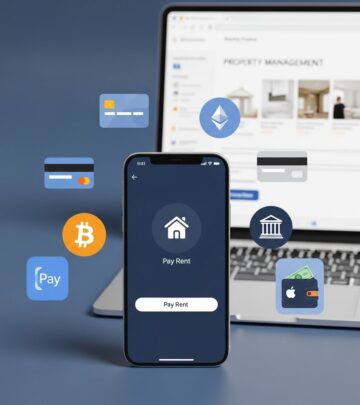
As a landlord or property manager, establishing multiple payment options for collecting rent is essential to ensure timely payments and tenant satisfaction. The rental payment landscape has evolved dramatically over the past few years, with digital payment methods gaining significant traction while traditional options remain relevant. Understanding the advantages and disadvantages of each payment method will help you make informed decisions about which options to offer your tenants.
Online Payment Methods
Online payment solutions have become the preferred choice for modern tenants and landlords alike. These methods provide convenience, security, and automated tracking capabilities that make rent collection more efficient than ever before.
Automated Clearing House (ACH) Transfers
ACH transfers represent one of the most reliable and cost-effective ways to collect rent payments. This method allows tenants to authorize direct transfers from their bank account to yours on a predetermined date each month. Many landlords consider ACH transfers the gold standard for rent collection due to their security, speed, and minimal processing costs.
Setting up ACH payments typically involves the tenant authorizing the transfer through your property management platform or directly with your bank. Once established, the payment can be set to process automatically on the same date each month, eliminating the need for manual intervention. The benefits of ACH transfers include:
- Minimal or no transaction fees for landlords
- Automatic payment capabilities reduce late payments
- Direct deposits to your bank account
- Secure bank-to-bank transfers
- Quick processing times
- Easily trackable payment records
According to recent data, 15% of landlords prefer direct bank transfers as their primary payment method, making it one of the most popular options available. The processing fees for ACH transfers are typically free or involve only a small charge, making them significantly more affordable than credit card payments, which usually incur fees between 2.5% and 3.5% per transaction.
Credit and Debit Card Payments
Credit and debit card payments have become increasingly popular among tenants, particularly for those seeking to build credit or earn rewards on their payments. While these methods offer flexibility, they come with higher processing fees for landlords.
Credit card rent payments surged 30% in April 2020 as people sought contactless payment solutions. Financially savvy tenants appreciate the ability to pay rent with credit cards while building credit history and potentially earning cashback or reward points through their card programs. Many tenants can immediately pay off credit card charges to avoid interest while still benefiting from credit building and card perks.
The primary disadvantage of credit and debit card payments is the higher transaction fee structure. Most payment processors charge between 2.99% and 3.5% per transaction, plus potential flat fees. Despite these costs, offering this option increases flexibility for tenants and may help reduce late payments. Some property management platforms allow landlords to pass these fees on to tenants, while others absorb the costs as a business expense.
Digital Payment Apps
Peer-to-peer payment applications have emerged as modern alternatives for rent collection, though they come with important considerations for serious landlords.
PayPal: PayPal offers rent payment processing through business accounts, with standard transaction fees of 2.99% plus $0.49 per transaction. If you require instant transfers to your bank account, PayPal charges an additional 1.5% fee. PayPal works best for landlords with informal rental arrangements or one-time payment needs rather than ongoing property management.
Venmo: Venmo enables instant rent payments to your wallet with a mobile-friendly interface. The platform allows tenants to send payments using their Venmo balance or linked bank account with no transaction fees. However, landlords must manually transfer funds to their bank account, which takes 1-3 business days. For instant transfers, Venmo charges a 1.75% fee with a minimum of $0.25 and maximum of $25.
Zelle: While Zelle transfers are fast and often free, experts caution against relying on peer-to-peer payment apps as primary rent collection methods, as these systems are not designed specifically for rental payments and could create legal or scaling complications.
Traditional Payment Methods
Despite the rise of digital payments, traditional methods remain viable options for tenants who prefer conventional approaches.
Checks
Personal checks have been the standard rent payment method for decades. However, this method involves several limitations in the modern rental landscape. Tenants must write and mail checks or drop them off in person, creating delays in payment processing. If a check bounces, landlords face additional wait times to receive payment and may incur insufficient funds fees.
Checks require manual tracking and record-keeping to maintain accurate payment documentation. Despite these drawbacks, only 6% of landlords still rely exclusively on checks or cash payments in 2025. For landlords who accept checks, implementing a system to quickly deposit them and confirm receipt helps minimize delays and disputes.
Certified, Cashier’s, and Money Order Payments
These certified payment methods offer greater security than personal checks because banks or other reputable institutions verify that funds are available before issuing them.
Certified Checks: The issuing bank verifies certified checks, allowing them to clear more quickly than personal checks. These checks guarantee that funds are available, preventing bounce risks.
Cashier’s Checks: Issued directly by banks, cashier’s checks are better suited for larger transactions like rent payments. They offer the same guarantee as certified checks and provide tenants and landlords with additional security.
Money Orders: Money orders can be purchased at stores, banks, and post offices and don’t require a bank account, making them accessible for unbanked tenants. While slightly safer than cash, money orders still require tenants to make a trip to purchase them and physically deliver them, which can be inconvenient.
These certified methods are more secure than personal checks and offer trackable payment records, reducing disputes over payment history. However, they require more effort from tenants than digital payment methods.
Cash Payment Solutions
While many landlords prefer to eliminate cash payments due to tracking challenges and security concerns, some tenants still prefer paying with cash. Modern cash payment solutions address these concerns through third-party platforms.
Electronic Cash Payments at Retail Locations
Services like PayNearMe allow tenants to pay rent with cash at over 24,000 convenient locations, including grocery stores and convenience stores they already frequent. This solution benefits tenants who prefer cash payments while protecting landlords from the risks of handling large amounts of cash directly.
With these services, tenants visit a participating store, provide payment information, and the funds are electronically transferred to the property manager’s account. This method eliminates the risk of cash being lost in the mail while maintaining the cash payment option for tenants who need it.
Electronic cash payments typically involve transaction fees per payment. For example, PayNearMe charges $3.99 per transaction through Rentec Direct, though a $200 setup fee and commitment to at least ten monthly cash payments may apply.
Direct Cash Collection
Some landlords with smaller operations continue to collect cash payments directly from tenants. However, this method creates significant challenges for record-keeping and security. Without a formal system, there is no automatic record unless the landlord manually logs each payment. Handling large amounts of cash also presents safety and liability concerns.
If you do accept direct cash payments, implement strict documentation procedures, provide tenants with written receipts for every payment, and maintain secure storage for collected funds.
Comparison of Payment Methods
| Payment Method | Cost to Landlord | Processing Time | Security Level | Tenant Convenience |
|---|---|---|---|---|
| ACH Transfers | Free or minimal fee | 1-2 business days | High | High |
| Credit/Debit Cards | 2.5%-3.5% | 1-3 business days | High | Very High |
| Personal Checks | Minimal | 5-7 business days | Low | Moderate |
| Certified/Cashier Checks | Minimal | 2-3 business days | Very High | Low |
| Money Orders | Minimal | 2-3 business days | High | Low |
| Cash (Direct) | Minimal | Immediate | Low | High |
| Electronic Cash | $3.99-$5.00 per transaction | 1-2 business days | High | High |
| PayPal/Venmo | 2.99%-3.5% | 1-3 business days | Moderate | High |
Best Practices for Collecting Rent
Implementing a comprehensive rent collection strategy involves offering multiple payment options while establishing clear policies and systems.
Offering Multiple Payment Methods
Providing tenants with different rent payment methods increases convenience and lowers the likelihood of missed payments. LeaseRunner and similar property management platforms support multiple payment options, allowing tenants to choose their preferred method while maintaining consistent record-keeping.
Offering multiple methods is particularly beneficial because:
- Accommodates various tenant preferences and banking situations
- Reduces payment delays and late fees
- Demonstrates flexibility and tenant-friendly policies
- Increases overall payment reliability
Automated Payment Systems
Modern rent collection platforms enable tenants to set up recurring payments on a specific date each month through a landlord portal. The system automatically withdraws rent, notifies both parties, and can even apply late fees when necessary. This automation reduces administrative burden and ensures consistent, on-time payments without manual intervention.
Property management software like Baselane allows landlords to receive payments directly into existing bank accounts or open property-specific banking accounts to maintain organized finances. Some platforms offer quick payout options, with funds available as early as two days.
Clear Payment Documentation
Regardless of the payment method accepted, maintain clear documentation of all rent payments. Digital payment methods typically provide automatic receipts and records, while cash and check payments require manual documentation. Always provide tenants with written confirmation of payment, including the date received, amount paid, and balance owed.
Trends in Rent Payment Methods
The rental payment landscape continues to evolve rapidly. Current statistics show that 54% of landlords use online rent collection platforms as their primary payment method. Additionally, 17% of landlords accept app payments through platforms like Venmo and Zelle.
This shift toward digital payments reflects both tenant preferences for convenience and landlord desires to reduce administrative overhead. As more properties adopt automated collection systems, traditional payment methods will likely continue to decline in popularity.
Frequently Asked Questions
Q: What is the most secure way to collect rent?
A: ACH transfers and online payment platforms offer the highest security levels, as they use encrypted bank-to-bank transfers and maintain digital records. Credit and debit cards also provide strong security through processor verification systems.
Q: Can tenants pay rent with credit cards?
A: Yes, many landlords accept credit card payments through online platforms. However, credit card transactions typically incur higher fees (2.5%-3.5%) that may be passed to tenants or absorbed by the landlord. Credit card payments also help tenants build credit and earn rewards.
Q: What should I do if a tenant’s check bounces?
A: Contact the tenant immediately to arrange an alternative payment method. Many lease agreements allow landlords to charge NSF fees. Request certified funds (cashier’s check or money order) or switch the tenant to ACH transfer for future payments to prevent recurrence.
Q: Is it legal to refuse certain payment methods?
A: Yes, landlords can establish which payment methods they accept as part of the lease agreement. However, some jurisdictions may have specific requirements. Check local rental laws to ensure your payment policies comply with regulations.
Q: How can I encourage on-time rent payments?
A: Offering multiple convenient payment options, setting up automatic payments, and clearly communicating payment deadlines all help encourage on-time payments. Some landlords offer small discounts for automatic ACH payments.
Q: What payment method minimizes fees for landlords?
A: ACH transfers typically have minimal or no processing fees, making them the most cost-effective option for landlords. Many payment platforms waive ACH fees when using their banking accounts.
Q: Can I use Venmo or PayPal for serious property management?
A: While these apps work for informal payments, they are not designed for professional property management and may create legal complications as your business scales. Dedicated property management platforms or bank transfers are better for serious landlords.
References
- 3 Rent Payment Methods Landlords Should Offer Tenants — Rentec Direct. 2024. https://www.rentecdirect.com/blog/3-rent-payment-methods-landlords-should-offer-tenants/
- Best Way to Collect Rent as Landlord 2025 — Baselane. 2025. https://www.baselane.com/resources/best-way-to-collect-rent-as-landlord
- Best Rent Payment System for Landlords 2025 — Baselane. 2025. https://www.baselane.com/resources/rent-payment-system-for-landlords
- Rent Payment Options: Why Online Payments Will Now Dominate — PropertyWare. 2024. https://www.propertyware.com/blog/rent-payment-options-why-online-payments-will-now-dominate/
- The Best Way to Collect Rent For Busy Landlords in 2025 — LeaseRunner. 2025. https://www.leaserunner.com/blog/best-way-to-collect-rent
- Pay Rent — New York City Housing Authority. 2025. https://www.nyc.gov/site/nycha/residents/pay-rent.page
Similar Articles








Read full bio of medha deb