Forensic Audit: Definition, Purpose & Methods
Comprehensive guide to forensic audits: uncovering fraud through investigative accounting.

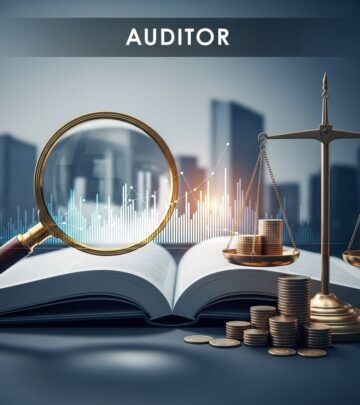
A forensic audit is an in-depth examination of a company’s financial records and transactions conducted to uncover evidence of fraud, misconduct, or other financial irregularities. Unlike standard audits that verify the accuracy of financial statements, forensic audits dig deeper into financial activities with the specific goal of gathering evidence that can be used in legal proceedings. The evidence collected during a forensic audit can support court cases, mediation, arbitration, or help organizations take corrective action to prevent future fraud.
The term “forensic” refers to applying scientific methods and analysis to investigate a crime, while an audit is an inspection of financial accounts. When combined, a forensic audit becomes a specialized investigative tool used by organizations, legal professionals, and law enforcement agencies to identify financial crimes and hold perpetrators accountable.
What Is a Forensic Audit?
A forensic audit is a detailed engagement that requires expertise in accounting, auditing procedures, and legal frameworks. It consists of digging into financial records to uncover issues or answer specific questions about suspected fraudulent activity. Forensic auditors conduct these investigations with the understanding that their findings may be presented in court or during legal proceedings, making the quality and integrity of their work critically important.
The primary distinction between a forensic audit and a standard internal audit lies in their purpose and scope. While an internal audit helps a business understand its financial structures and activities for reporting to owners or governing boards, a forensic audit is specifically designed to identify criminal activity and gather admissible evidence for legal action.
Certified fraud examiners (CFE) typically perform most forensic audits because of their combined understanding of criminology and accounting. These professionals possess specialized training in forensic audit techniques and the legalities of accounting issues, enabling them to navigate complex financial investigations effectively.
Why Organizations Conduct Forensic Audits
Organizations and individuals initiate forensic audits for several compelling reasons:
- To investigate suspected embezzlement or employee fraud
- To examine potential financial statement fraud or misrepresentation
- To resolve business disputes and calculate damages in legal cases
- To verify the accuracy of financial records before major investments or acquisitions
- To identify hidden assets during divorce proceedings or bankruptcy cases
- To support insurance claims investigations
- To comply with regulatory requirements or legal mandates
Executives, stakeholders, investors, and legal professionals may request forensic audits to learn more about a company or business partner before committing financial resources. In some cases, forensic audits are simply about gathering information to make informed business decisions rather than pursuing criminal charges.
Common Types of Fraud Identified in Forensic Audits
Forensic auditors investigate various types of financial fraud and irregularities. Understanding these common fraud schemes helps organizations recognize red flags and implement preventative measures.
Asset Misappropriation
Asset misappropriation is the most common and prevalent form of fraud identified during forensic audits. This occurs when employees or associates unlawfully take company assets for personal benefit. Examples include misappropriation of cash, creating fake invoices, making payments to non-existing suppliers or employees, misusing company assets, and theft of inventory. These schemes can range from small, ongoing thefts to elaborate, coordinated fraud spanning years.
Financial Statement Fraud
Financial statement fraud involves misinformation on public records that a company produces for its board and shareholders. Companies may commit this type of fraud to improve the appearance of their financial standing, mislead investors, or meet earnings targets. A forensic audit examining financial statement fraud compares accounting records with transaction records of revenue and expenses to determine whether financial statements account for all relevant financial information.
Other Financial Crimes
Forensic audits also investigate kickbacks, bribery, conflicts of interest, expense reimbursement fraud, and other financial misconduct. Each type of fraud requires different investigative approaches and evidence-gathering techniques.
Key Objectives of a Forensic Audit
When conducting a forensic audit, investigators work toward specific objectives designed to build a compelling case. These objectives include:
- Identifying if fraud is occurring and determining what type of fraud it is
- Establishing the time period during which the fraud occurred
- Identifying who committed the fraud
- Discovering who may have concealed or been complicit in the fraud
- Determining how the perpetrator concealed the fraudulent activity
- Calculating the financial losses suffered by the company
- Gathering admissible evidence to support legal proceedings
- Suggesting safeguards and controls to prevent fraud in the future
By the conclusion of a forensic audit, the auditor should understand the type of fraud committed, how it was executed, the identity of the perpetrators, the financial impact, and the parties affected by the fraud.
Steps of a Forensic Audit
A forensic audit typically follows a structured process with four general steps. While the first three steps resemble those of a standard financial audit, forensic audits include an additional final step related to potential legal proceedings.
Step 1: Planning and Investigation
The forensic auditor and team begin by planning the investigation and mapping out what they might find. During this phase, the auditor works with the client to understand the focus of the audit and establish clear objectives. For example, the client might be suspicious about possible fraud in the quality of raw materials supplied or suspect embezzlement by specific employees. The forensic auditor will plan their investigation to achieve defined objectives and determine the scope of the audit.
Planning includes identifying the key areas to examine, understanding the organizational structure, reviewing existing controls, and developing a strategy for evidence collection. This phase sets the foundation for an effective investigation.
Step 2: Collecting Evidence
This is often considered the core phase of the forensic audit. The auditor takes an in-depth look at the company’s financial records, attempting to uncover what happened, identify who did it, and determine how much was lost. During evidence collection, forensic auditors examine all financial records, receipts, and bank statements to track inaccuracies in income or expenditures.
Modern forensic audits leverage both manual and computer-assisted research techniques. Common methods for collecting evidence include:
- Reconciling financial reports to identify discrepancies and inconsistencies
- Analyzing analytical procedures to compare trends and identify aberrations
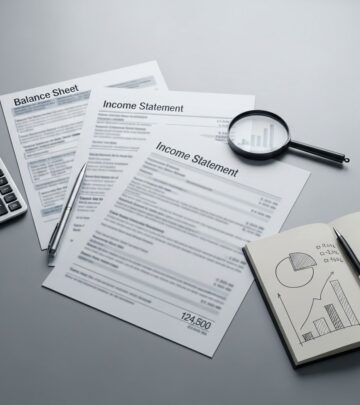
- Maintaining balance sheets to follow money transactions and locate suspicious patterns
- Interviewing employees and relevant parties
- Examining supporting documentation and transaction records
- Using data analytics and specialized software for pattern recognition
Forensic auditors are required to take precautions to ensure that documents and evidence collected are not damaged or altered by anyone. The preservation of evidence integrity is crucial for legal admissibility.
Step 3: Documenting Findings
After collecting evidence, the forensic auditor documents their findings in a comprehensive report. This documentation must establish a logical flow of evidence to help courts and legal professionals understand the fraud and the evidence presented. The report should clearly outline what was found, how it was discovered, who was responsible, and the financial impact of the fraud.
The documentation must be thorough enough to prove the identity of the fraudsters in court, reveal the details of the fraud scheme, and document the amount of financial loss suffered and the parties affected by the fraud.
Step 4: Legal Proceedings and Expert Testimony
Unlike standard audits, forensic audits include an additional final step involving potential court appearances. Forensic auditors may be called upon to provide expert witness testimony in legal proceedings, defending their findings and methodologies. This step distinguishes forensic audits from routine financial audits and underscores the legal importance of the investigation.
Forensic Auditors: Qualifications and Expertise
Forensic auditors possess specialized qualifications and training that set them apart from standard auditors. Most forensic audits are performed by Certified Fraud Examiners (CFE) who have expertise in both criminology and accounting. These professionals understand financial investigation techniques, legal requirements, and how to gather evidence that will withstand judicial scrutiny.
A forensic auditor is required to have special training in forensic audit techniques and in the legalities of accounting issues. Beyond standard accounting knowledge, they must understand various fraud schemes, investigation methods, evidence preservation, and how to present findings in a manner that supports legal action. Many forensic auditors also collaborate with law enforcement agencies, attorneys, and other professionals to investigate financial crimes and prepare cases for trial.
Forensic Audit vs. Standard Audit
| Aspect | Forensic Audit | Standard Audit |
|---|---|---|
| Primary Purpose | Identify fraud and gather legal evidence | Verify accuracy of financial statements |
| Scope | In-depth investigation of specific issues | Broader review of financial records |
| Focus | Criminal activity and misconduct | Financial accuracy and compliance |
| Evidence Use | Admissible in court proceedings | Reported to management and stakeholders |
| Expertise Required | Specialized training in forensics and law | Standard accounting knowledge |
| Timeline | Varies based on complexity | Typically annual or periodic |
How Forensic Audits Help Organizations
Forensic audits provide organizations with tangible benefits beyond identifying fraud. They help establish trust with stakeholders by demonstrating a commitment to financial integrity. When a company conducts a forensic audit to dispel any belief of financial statement fraud, it can encourage trust in its board members and shareholders.
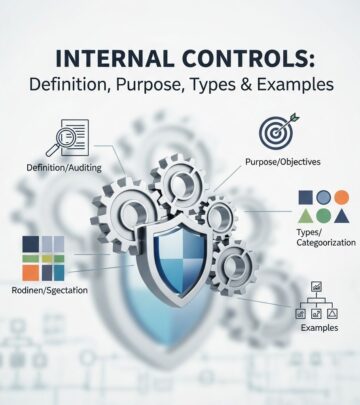
Additionally, forensic audits identify vulnerabilities in internal controls and accounting systems, enabling organizations to implement preventative measures. By understanding how fraud was committed, companies can strengthen their systems and reduce future risk. This proactive approach protects assets, maintains reputation, and supports long-term financial stability.
Forensic Audit Case Example
Consider a scenario where Telemart, on the recommendation of its Chief Financial Officer (CFO), entered into a contract with RJ Inc for the supply of carts. However, RJ Inc was not authorized to conduct business due to a suspended license caused by tax irregularities. The CFO had knowledge of this fact but still recommended the contract because he was secretly receiving compensation from RJ Inc in return. A forensic audit could reveal such cases of fraud by examining the contract approval process, the CFO’s compensation records, and connections to RJ Inc.
Frequently Asked Questions
Q: How long does a forensic audit typically take?
A: The timeline for a forensic audit varies significantly based on the complexity of the case, the scope of the investigation, and the volume of financial records. Simple investigations might take weeks, while complex fraud schemes can require months or longer.
Q: What is the cost of a forensic audit?
A: Costs depend on factors such as the auditor’s expertise, the investigation’s complexity, the time required, and the geographic location. Organizations should obtain detailed estimates from forensic audit firms before engagement.
Q: Can forensic audits be used in civil cases?
A: Yes, forensic audits are frequently used in civil proceedings including divorce settlements, business disputes, insurance claims, and bankruptcy cases. The evidence gathered can support damage calculations and legal arguments.
Q: Who can request a forensic audit?
A: Various parties can request forensic audits, including company executives, board members, shareholders, investors, attorneys, law enforcement agencies, insurance companies, and individuals involved in legal disputes.
Q: What happens if fraud is not found?
A: Even if no fraud is discovered, a forensic audit provides value by documenting the absence of wrongdoing, strengthening internal controls, and providing assurance to stakeholders about financial integrity.
Q: How do forensic auditors gather evidence digitally?
A: Modern forensic auditors use specialized software and data analytics tools to analyze electronic records, identify patterns, reconstruct deleted files, trace digital transactions, and uncover anomalies in large datasets.
References
- A Guide to Forensic Audits: Definition, Uses and Importance — Indeed Career Advice. Accessed 2025. https://www.indeed.com/career-advice/career-development/forensic-audit
- Forensic Accounting vs. Auditing: What’s the Difference? — Stevenson University. Accessed 2025. https://www.stevenson.edu/online/about-us/news/forensic-accounting-vs-auditing/
- Forensic Audit Guide – Definition, Steps, Reasons — Corporate Finance Institute. Accessed 2025. https://corporatefinanceinstitute.com/resources/accounting/what-is-a-forensic-audit/
- What is a Forensic Audit and Do I Need One? — DHJJ. Accessed 2025. https://dhjj.com/what-is-a-forensic-audit/
- Forensic Audits: All You Need to Know — Caseware. Accessed 2025. https://www.caseware.com/us/resources/blog/forensic-audits-all-you-need-to-know/
Similar Articles








Read full bio of medha deb