Forensic Accounting: Definition, Process, and Career
Discover how forensic accountants investigate financial crimes and provide evidence for legal proceedings.
What Is Forensic Accounting?
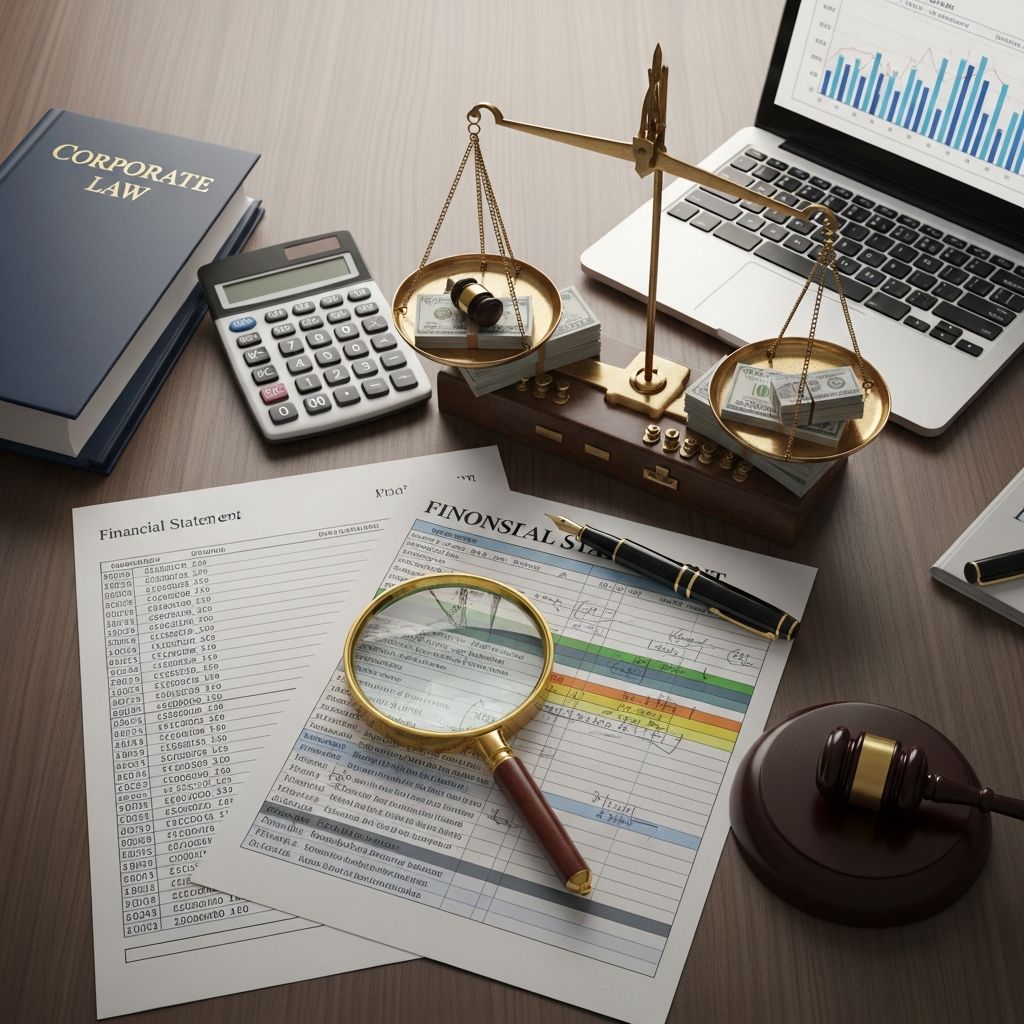
Forensic accounting is a specialized field of accounting that combines investigative techniques with financial analysis to uncover evidence of financial crimes, fraud, and misconduct. The term “forensic” refers to evidence that is suitable for presentation in a court of law, making forensic accounting a critical discipline at the intersection of finance and the legal system.
Forensic accountants act as financial detectives, scrutinizing financial records, transactions, and accounts with meticulous attention to detail. They use accounting, auditing, and investigative skills to determine whether a person or organization has engaged in financial misconduct such as embezzlement, fraud, money laundering, or misappropriation of funds. Unlike traditional accountants who focus on maintaining and reporting financial records, forensic accountants dig deeper into financial data to uncover irregularities, identify patterns of deception, and gather evidence that can withstand judicial scrutiny.
The work of forensic accountants encompasses providing litigation support and investigation accounting services. As noted by industry experts, forensic accounting “provides an accounting analysis that is suitable to the court which will form the basis for discussion, debate, and ultimately dispute resolution.” This court-ready analysis distinguishes forensic accounting from standard accounting practices and makes it invaluable in resolving financial disputes and prosecuting financial crimes.
Key Responsibilities of Forensic Accountants
Forensic accountants perform a wide range of duties depending on the nature of their engagement and the complexity of the case. Their responsibilities typically include:
- Conducting thorough forensic financial analysis of business and personal records to develop comprehensive financial profiles that illuminate the complete picture of an investigation
- Performing extensive data mining within financial records to identify suspicious patterns, unusual transactions, and inconsistencies that may indicate fraud or misconduct
- Gathering evidence and preparing search warrants and affidavits associated with financial analysis for law enforcement agencies
- Preparing and reviewing evidence, meeting with prosecuting attorneys to discuss legal strategies, and testifying as expert witnesses in judicial proceedings
- Preparing detailed forensic accounting reports, affidavits, and proof of evidence suitable for court presentation
- Calculating damages and losses in legal disputes, insurance claims, and other contexts
- Collaborating with law enforcement agencies, attorneys, and other professionals to investigate financial crimes and prepare cases for trial
- Reviewing documentation to identify areas of loss and assisting attorneys in formulating questions regarding financial evidence
Types of Forensic Accounting Investigations
Forensic accountants work on a diverse range of cases involving different types of financial crimes and legal disputes. The types of investigations typically align with the legal proceedings they support:
Embezzlement and Employee Fraud
One of the most common applications of forensic accounting involves investigating embezzlement cases where employees misappropriate company funds or assets. Forensic accountants analyze internal controls, examine cash flows, and trace suspicious transactions to identify how funds were diverted and determine the extent of the losses.
Financial Statement Fraud
Forensic accountants investigate cases where companies manipulate financial statements to misrepresent their financial position. This may involve fictitious revenue, concealed liabilities, or improper accounting practices designed to mislead investors and stakeholders.
Money Laundering
Forensic accounting plays a crucial role in detecting and investigating money laundering schemes where criminals attempt to legitimize proceeds from illegal activities. Accountants trace complex financial flows and identify suspicious transaction patterns that indicate the movement of illicit funds through the financial system.
Insurance Claims and Litigation Support
Forensic accountants provide expert analysis in insurance dispute cases, calculating damages and losses to support claims and counterclaims. They examine financial records to determine the true extent of damages in civil litigation matters.
Divorce and Family Law Cases
In divorce proceedings, forensic accountants assess financial discrepancies and trace hidden assets to ensure fair division of marital property. They analyze financial records to determine actual income and asset values, which is essential for equitable settlement negotiations.
Construction Project Fraud
Forensic accounting investigates whether fraud or other misconduct contributes to construction project delays and cost overruns. This includes examining contract documentation, payment records, and supplier relationships for signs of fraud or collusion.
Nonprofit and Charitable Organization Investigations
Nonprofits employ forensic accounting to verify donations and ensure financial transparency, providing assurance to donors and regulatory agencies. This helps prevent embezzlement and misuse of charitable funds.
Forensic Accounting vs. Traditional Auditing
While forensic accounting and traditional auditing both involve examining financial records, these disciplines differ significantly in their approach, scope, and objectives.
| Aspect | Forensic Accounting | Traditional Auditing |
|---|---|---|
| Primary Focus | Investigating fraud, misconduct, and financial crimes | Verifying accuracy and compliance with accounting standards |
| Scope | Investigates specific transactions or issues in detail | Examines overall financial records for accuracy |
| Objective | Gather court-ready evidence for legal proceedings | Provide assurance on financial statement accuracy |
| Methodology | Adversarial, investigative approach with legal focus | Systematic examination using standardized procedures |
| Deliverable | Expert testimony and forensic accounting reports | Audit opinion and financial statement certification |
| Legal Application | Used in criminal and civil litigation | Used for regulatory compliance and stakeholder reporting |
Essential Skills and Qualifications
Successful forensic accountants require a combination of technical accounting knowledge, investigative abilities, and legal understanding. Key skills and qualifications include:
Technical Accounting Expertise
Forensic accountants must possess deep knowledge of generally accepted accounting principles (GAAP), accounting regulations, and financial reporting standards. They need to understand complex accounting transactions, internal control systems, and how to identify deviations from proper accounting practices.
Professional Certifications
Many forensic accountants hold professional certifications that enhance their credibility and expertise, including the Certified Public Accountant (CPA) designation and the Certified Fraud Examiner (CFE) certification. These credentials demonstrate specialized knowledge in fraud detection and financial investigation.
Investigative Skills
Forensic accountants must develop strong investigative abilities, including the capacity to analyze large volumes of financial data, identify patterns of suspicious activity, and trace complex financial transactions. They employ data mining techniques and forensic software tools to uncover hidden evidence.
Legal Knowledge
Understanding legal procedures, evidence requirements, and courtroom standards is essential for forensic accountants. They must know how to present financial evidence in a manner that meets judicial requirements and can withstand cross-examination.
Communication and Testimony Skills
Forensic accountants must communicate complex financial information clearly to diverse audiences, including attorneys, judges, juries, and clients. They must be skilled at preparing detailed reports and providing expert witness testimony that is understandable and persuasive.
Career Opportunities in Forensic Accounting
The field of forensic accounting offers diverse career opportunities across multiple sectors. Professionals can work in various capacities, including:
Public Accounting Firms
Most medium to large-sized accounting firms maintain dedicated forensic accounting departments staffed with specialized forensic auditors. These professionals handle diverse investigations for corporate and individual clients seeking either defense or prosecution support.
Law Enforcement Agencies
Federal, state, and local law enforcement agencies employ forensic accountants to investigate financial crimes including fraud, embezzlement, money laundering, and tax evasion. These positions combine accounting expertise with criminal investigation.
Corporate Internal Audit Departments
Large corporations employ forensic accountants to detect internal fraud, evaluate internal controls, and assess organizational vulnerabilities to financial misconduct. These professionals help organizations strengthen their defenses against embezzlement and fraudulent transactions.
Insurance Companies
Insurance firms hire forensic accountants to investigate suspicious claims, determine the legitimacy of damages claims, and prevent insurance fraud. Their analysis helps protect companies from fraudulent payouts.
Government Agencies
Government entities at various levels employ forensic accountants to investigate fraud in public programs, government contracts, and benefits administration. These professionals help protect taxpayer funds and maintain integrity in government spending.
The Forensic Accounting Process
Forensic accounting investigations follow a structured process designed to gather admissible evidence and reach defensible conclusions:
Initial Engagement and Planning
The process begins when an organization or individual suspects fraud or misconduct and engages a forensic accounting firm. The forensic accountant meets with clients to understand the suspected violation, define the scope of investigation, and establish objectives and deliverables.
Data Collection and Analysis
Forensic accountants gather financial records, transaction documentation, bank statements, journal entries, and other relevant financial data. They perform extensive data mining and analysis to identify unusual patterns, suspicious transactions, and potential red flags indicating dishonesty or fraud.
Evidence Development
Through detailed analysis, forensic accountants develop evidence linking suspected misconduct to specific transactions or individuals. They trace money flows, identify the perpetrators, and document the methods used to commit the fraud or manipulation.
Report Preparation
Forensic accountants prepare comprehensive reports detailing their findings, methodology, analysis, and conclusions. These reports are structured to meet courtroom standards and support legal proceedings.
Expert Testimony
When cases proceed to litigation, forensic accountants serve as expert witnesses, presenting their findings and defending their analysis under cross-examination in depositions, arbitration, or trial proceedings.
Why Forensic Accounting Matters
Forensic accounting has become increasingly important in today’s complex financial landscape, particularly given the rise of corporate fraud cases that attract significant media attention. Organizations recognize that internal controls and standard auditing procedures may not be sufficient to detect sophisticated financial crimes. Forensic accountants provide specialized expertise that goes beyond traditional accounting to uncover deception, quantify losses, and provide evidence suitable for legal resolution.
The meticulous nature of forensic accounting ensures that conclusions are sustainable in court and can form the basis for debate, negotiation, and ultimate dispute resolution. Whether defending against accusations or prosecuting wrongdoers, organizations value the financial detective work that forensic accountants provide.
Frequently Asked Questions
Q: What is the main difference between forensic accounting and regular accounting?
A: Regular accounting focuses on recording, maintaining, and reporting financial information for business operations and tax compliance. Forensic accounting investigates financial records to uncover evidence of fraud or misconduct specifically suitable for legal proceedings and court presentation.
Q: What certifications do forensic accountants need?
A: While a CPA (Certified Public Accountant) credential is highly valued, many forensic accountants pursue the CFE (Certified Fraud Examiner) certification offered by the Association of Certified Fraud Examiners (ACFE). Some also obtain specialized certifications in fraud examination and financial investigation.
Q: How long does a typical forensic accounting investigation take?
A: The duration varies depending on the complexity and scope of the investigation. Simple cases may take several weeks, while complex investigations involving large datasets or multiple years of transactions can take months or even years to complete thoroughly.
Q: Can forensic accountants work on both criminal and civil cases?
A: Yes, forensic accountants provide services in both criminal investigations and civil litigation matters. They assist law enforcement in criminal fraud cases and help both plaintiffs and defendants in civil disputes involving financial issues.
Q: What types of evidence do forensic accountants look for?
A: Forensic accountants search for red flags such as unusual financial discrepancies, suspicious transaction patterns, falsified documents, concealed accounts, unexplained cash movements, and inconsistencies between financial records and supporting documentation.
Q: How much do forensic accountants earn?
A: Compensation varies based on location, experience, certifications, and employer type. Professional forensic accountants at major firms and government agencies typically earn competitive salaries with additional compensation for expert testimony and specialized engagements.
References
- Forensic Accounting: Definition and Overview — University of Massachusetts Isenberg School of Management. 2024-08-22. https://iconnect.isenberg.umass.edu/blog/2024/08/22/forensic-accounting-definition-and-overview/
- What Is Forensic Accounting? — Purdue University Global. Accessed 2025-11-29. https://www.purdueglobal.edu/blog/business/what-is-forensic-accounting/
- Forensic Accounting – Definition, Types, Careers — Corporate Finance Institute. Accessed 2025-11-29. https://corporatefinanceinstitute.com/resources/accounting/forensic-accounting-litigation/
- Forensic Accounting — EBSCO Research Starters. Accessed 2025-11-29. https://www.ebsco.com/research-starters/science/forensic-accounting
- What is Forensic Accounting? — Louisiana State University Online. Accessed 2025-11-29. https://online.lsu.edu/newsroom/articles/what-forensic-accounting/
- Forensic Accounting vs. Auditing: What’s the Difference? — Stevenson University. Accessed 2025-11-29. https://www.stevenson.edu/online/about-us/news/forensic-accounting-vs-auditing/
Similar Articles








Read full bio of medha deb