Foreign Transaction Fees: Essential Guide To Avoiding Costs
Understand what foreign transaction fees are, how they add up on your bills, and proven ways to sidestep them for smarter international spending.
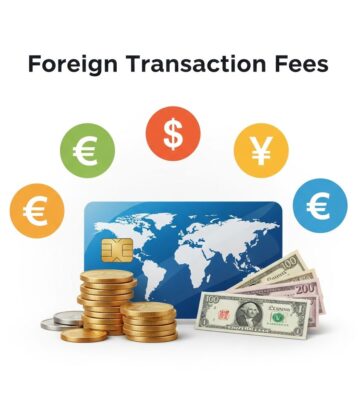
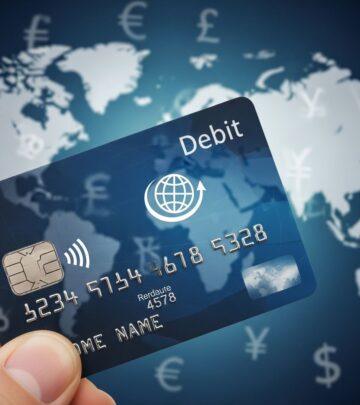
Foreign transaction fees represent a common yet often overlooked expense for credit card users engaging in international purchases. These charges, typically ranging from 1% to 3% of each transaction, apply not only to overseas spending but also to certain domestic buys processed abroad. By grasping their mechanics, users can select cards that eliminate these costs and preserve more of their rewards or cash flow.
Defining Foreign Transaction Fees
At its core, a foreign transaction fee—sometimes called an FX fee—arises whenever a credit card purchase involves a non-domestic element. This includes payments in a foreign currency or those routed through an international bank, even if billed in U.S. dollars. Card networks like Visa and Mastercard first convert the amount to USD using their exchange rates, then issuers layer on the fee atop this converted value.
These fees break down into two components: a network assessment, usually 1% from Visa or Mastercard, and an additional issuer markup that can reach 2% or more. The result appears as a single line item on statements, often labeled clearly as ‘foreign transaction fee’ or similar. Importantly, this charge does not contribute to earning rewards points, miles, or cash back on many cards, amplifying its sting.
When Do These Fees Trigger?
Travelers naturally encounter these fees abroad, but they strike closer to home too. Online shopping from overseas merchants qualifies, regardless of your location. Even U.S.-based purchases can trigger them if the merchant’s bank is foreign or the transaction processes internationally.
- Purchases from merchants outside the U.S., like a French retailer.
- Any spend in euros, pounds, or other non-USD currencies.
- Transactions passing through foreign acquirers, even in USD—common in places like Ecuador that adopt the dollar.
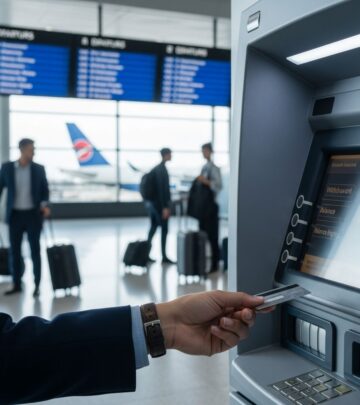
ATM withdrawals abroad often carry dual hits: the FX fee plus bank-specific cash advance charges. Always check statements post-purchase; fees emerge separately from the base amount.
Typical Costs and Real-World Impact
Most issuers peg fees at 3% total, though some hit 1% or waive them outright. On a $100 foreign buy, expect $1 to $3 extra—modest singly, but cumulative for avid shoppers or jet-setters.
For instance, a $5,000 European vacation splurge at 3% yields $150 in fees alone. Add frequent Amazon.de orders or global freelancing payments, and annual tallies climb into hundreds. Business users face similar drains; while deductible, prevention beats subtraction from profits.
| Transaction Amount (USD) | 1% Fee | 2% Fee | 3% Fee |
|---|---|---|---|
| $100 | $1.00 | $2.00 | $3.00 |
| $1,000 | $10.00 | $20.00 | $30.00 |
| $5,000 | $50.00 | $100.00 | $150.00 |
| $10,000 | $100.00 | $200.00 | $300.00 |
This table illustrates escalation; high spenders see outsized hits.
Distinguishing FX Fees from Other Charges
FX fees differ from dynamic currency conversion (DCC), where merchants offer home-currency billing at inflated rates. Always decline DCC and opt for local currency to leverage your card’s superior exchange rates. They also stand apart from ATM or cash advance fees, though all can compound abroad.
Currency conversion precedes the FX fee: networks apply rates, then fees attach to the USD equivalent. This sequence ensures charges reflect full post-conversion values.
Steps to Verify Your Card’s Policy
Locate your card’s terms under ‘fees’ or ‘rates and fees’ sections online or in paperwork. Post-purchase, scan statements for FX notations. No fee? Your card likely waives them.
- Log into your issuer’s site or app.
- Download the pricing and terms PDF.
- Search for ‘foreign transaction’ or ‘international fee.’
- Review recent statements for flagged charges.
Strategies to Eliminate Foreign Transaction Fees
Ditch fee-charging cards for no-FX alternatives from issuers like Chase, Citi, or Bank of America. Premium travel cards often absorb these to lure globe-trotters.
- No-fee cards: Many Visa/Mastercard options from major banks skip issuer markups, covering network costs themselves.
- Prepaid options: Load USD equivalents, though watch for other fees.
- Local payment apps: Services like Wise minimize conversions.
- Decline DCC: Insist on merchant’s currency.
Compare via issuer sites; prioritize cards aligning with your spend habits for max rewards sans fees.
Best Practices for International Card Use
Notify issuers of travel to avert fraud flags. Carry backups: a no-FX card primary, debit secondary. Use credit over debit or cash to earn rewards and retain purchase protections.
For ATMs, scout fee-free partners via bank apps. Track spending in real-time apps to curb impulse buys amid exchange confusion.
FAQs
Do foreign transaction fees apply to debit cards?
Yes, many do, often at 1-3%, plus potential ATM surcharges. Opt for no-fee checking accounts.
Can I avoid fees on online international buys?
Select no-FX cards; fees trigger on foreign merchant transactions regardless of your location.
Are FX fees tax-deductible for businesses?
Yes, as ordinary expenses, but switching cards saves more upfront.
How do exchange rates factor in?
Networks convert first to USD, then fees apply to that amount—shopper-unseen rates often beat airport kiosks.
What if my statement shows no fee?
Your card waives them; confirm via terms to ensure consistency.
Choosing the Right Card for Global Spending
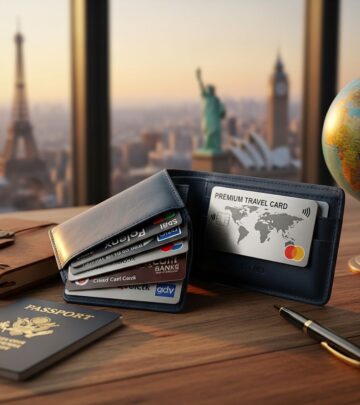
Target cards waiving FX fees while offering travel perks like lounge access or insurance. Weigh annual fees against savings: frequent travelers recoup via fee avoidance and bonuses.
Examples abound from Chase Sapphire or Citi Premier, but match to your profile. Annual reviews ensure optimal selection as policies evolve.
References
- What You Should Know About Foreign Transaction Fees — American Express. 2023. https://www.americanexpress.com/en-us/credit-cards/credit-intel/foreign-transaction-fees/
- Foreign Transaction Fees: What to Know and How to Avoid Them — NerdWallet. 2025-01-15. https://www.nerdwallet.com/credit-cards/learn/foreign-transaction-fee
- Foreign Transaction Fee: What is it? How does it work? — LendingTree. 2024-11-20. https://www.lendingtree.com/credit-cards/articles/foreign-transaction-fees/
- A Guide To Foreign Transaction Fees — Bankrate. 2025-02-01. https://www.bankrate.com/credit-cards/travel/a-guide-to-foreign-transaction-fees/
- Foreign Transaction Fee vs. Currency Conversion Fee — Citi. 2024. https://www.citi.com/credit-cards/understanding-credit-cards/foreign-transaction-fee-vs-currency-conversion-fee
- Foreign Transaction Fees: What to Know And To Avoid — Bill.com. 2024-09-10. https://www.bill.com/learning/foreign-transaction-fees
- Traveling Abroad: Payment Methods & Foreign Transaction Fees — Bank of America Better Money Habits. 2024. https://bettermoneyhabits.bankofamerica.com/en/saving-budgeting/how-to-pay-when-traveling-abroad
Similar Articles








Read full bio of medha deb