Foreign Transaction Fees: 4 Ways To Avoid Extra Charges
Understand what foreign transaction fees are, how they add up on your bills, and proven strategies to eliminate them entirely for smarter global spending.
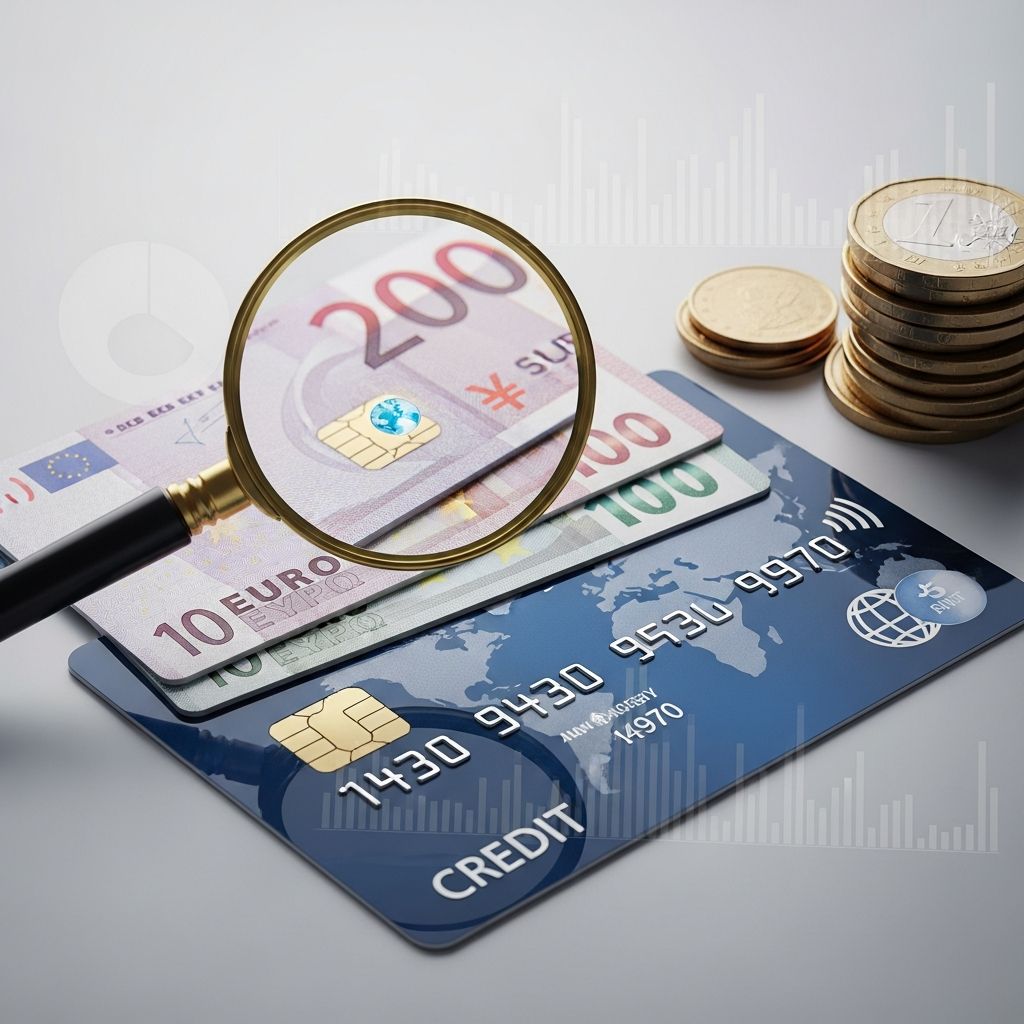
Foreign transaction fees represent a common yet often overlooked charge that credit card issuers and networks apply to purchases involving non-domestic currencies or merchants. These fees, typically ranging from 1% to 3% of the transaction amount, can significantly inflate costs for travelers and online shoppers dealing with international vendors.
Defining Foreign Transaction Fees
At its core, a foreign transaction fee—sometimes called an FX fee—is an additional surcharge tacked onto the converted value of a purchase made outside your home country’s currency system. This applies not just to physical swipes abroad but also to digital transactions with overseas entities. Card networks like Visa and Mastercard often contribute a base portion, around 1%, while the issuing bank may layer on another 1-2%.
These charges emerge because processing cross-border payments involves currency conversion, risk assessment for fraud, and administrative overhead. Even transactions denominated in your local currency can trigger the fee if routed through a foreign acquirer bank.
Mechanics Behind the Charges
The fee structure breaks down into two primary components: the network assessment and the issuer markup. Networks universally charge about 1% on every international transaction to cover conversion services. Issuers then decide whether to pass this along fully, partially, or absorb it—many opt to add their own fee, pushing the total to 3%.
Calculation occurs post-conversion. For instance, a 100-euro purchase converts to roughly $108 USD at prevailing rates. A 3% fee then adds $3.24 to your statement, billed as a single line item. This process repeats per transaction, making high-volume spending particularly expensive—for a $5,000 European trip, fees could exceed $150.
| Example Purchase | Foreign Amount | USD Conversion | Fee Rate | Total Fee | Final Charge |
|---|---|---|---|---|---|
| Hotel in Spain | €93 | $100 | 3% | $3 | $103 |
| Lunch in France | €20 | $21.60 | 3% | $0.65 | $22.25 |
| Online from UK | £50 | $65 | 2% | $1.30 | $66.30 |
This table illustrates real-world scenarios, highlighting how even modest spends accumulate fees after USD conversion.
Common Triggers for Fees
- Overseas Merchant Purchases: Any swipe, tap, or chip insertion at a non-U.S. location flags the transaction.
- Foreign Currency Billing: Paying in euros, pounds, or yen directly invokes the charge.
- Domestic Online Buys from Abroad: Shopping from international sites like a UK retailer ships to the U.S. but processes via foreign banks.
- USD Transactions via Foreign Banks: Countries like Ecuador using USD still route through local banks, potentially triggering fees.
Dynamic currency conversion (DCC) at merchants offers to bill in your home currency but often embeds worse rates and still incurs issuer fees—always decline and pay local.
Impacts on Debit, Credit, and Prepaid Cards
While most discussed for credit cards, these fees strike debit and prepaid travel cards too. Debit fees draw directly from checking accounts, amplifying pain on tight budgets. Credit variants may not earn rewards on the fee portion, diluting cash-back value.
Prepaid cards marketed for travel sometimes waive issuer fees but pass network costs, netting similar 1-3% hits. Always scrutinize terms before loading funds.
Strategies to Eliminate Foreign Transaction Fees
Avoidance starts with card selection. Numerous issuers like Capital One waive these entirely, absorbing both network and markup costs. Compare via issuer sites or tools listing “no foreign transaction fee” options—ideal for frequent travelers.
- Opt for no-FX-fee credit cards from banks like Capital One or certain Chase variants.
- Use local currency at POS; reject DCC prompts.
- Leverage digital wallets like Apple Pay if linked to no-fee cards.
- Carry minimal cash; ATMs often add separate surcharges.
Check agreements under “Rates and Fees” sections online or via customer service. Many premium travel rewards cards eliminate fees as a perk.
Real-World Cost Comparisons
| Card Type | Fee Rate | $1,000 Spend Abroad | Rewards Earned on Fees? |
|---|---|---|---|
| Standard Visa | 3% | $30 extra | No |
| No-Fee Mastercard | 0% | $0 extra | N/A |
| Debit Card | 2% | $20 extra | No |
Over multiple trips, no-fee cards save substantially while preserving rewards potential.
Frequently Asked Questions
Do foreign transaction fees apply to all cards?
No, many travel-oriented credit cards waive them completely. Review your card’s pricing insert.
Can I get hit with fees shopping domestically?
Yes, if the merchant or processor is foreign-based, even for USD charges.
How do I spot these fees on statements?
They appear as a percentage add-on post-conversion, often labeled “foreign transaction fee” or “FX.”
Are there alternatives to cards abroad?
Services like Wise offer low-conversion transfers, bypassing card fees for larger amounts.
Does paying in local currency always save money?
Typically yes, as network rates beat merchant DCC markups.
Long-Term Planning for Global Spending
For avid travelers, building a no-fee card portfolio maximizes value. Pair with apps tracking exchange rates for optimal timing. Monitor statements monthly to catch unexpected flags. As digital borders blur, these fees remain a key hurdle—proactive selection keeps more money in your pocket.
Annual fees on premium no-FX cards often offset via perks like lounge access, dwarfing avoided charges. Simulate spends via issuer calculators before applying.
References
- Foreign transaction fee: meaning and when it applies to you — Wise. 2023-10-15. https://wise.com/us/blog/foreign-transaction-fee
- What You Should Know About Foreign Transaction Fees — American Express. 2024-05-20. https://www.americanexpress.com/en-us/credit-cards/credit-intel/foreign-transaction-fees/
- Foreign Transaction Fee: What is it? How does it work? — LendingTree. 2024-08-12. https://www.lendingtree.com/credit-cards/articles/foreign-transaction-fees/
- Foreign Transaction Fees: What to Know and How to Avoid Them — NerdWallet. 2024-07-30. https://www.nerdwallet.com/credit-cards/learn/foreign-transaction-fee
- Foreign Transaction Fee vs. Currency Conversion Fee — Citi. 2023-11-05. https://www.citi.com/credit-cards/understanding-credit-cards/foreign-transaction-fee-vs-currency-conversion-fee
- Foreign Transaction Fees Defined & Explained — Capital One. 2024-03-18. https://www.capitalone.com/learn-grow/money-management/foreign-transaction-fees/
- A Guide To Foreign Transaction Fees — Bankrate. 2024-06-22. https://www.bankrate.com/credit-cards/travel/a-guide-to-foreign-transaction-fees/
Similar Articles








Read full bio of Sneha Tete