Foreclosure Process Unveiled
Navigate the complexities of foreclosure with this detailed guide on timelines, legal steps, and homeowner options across U.S. states.
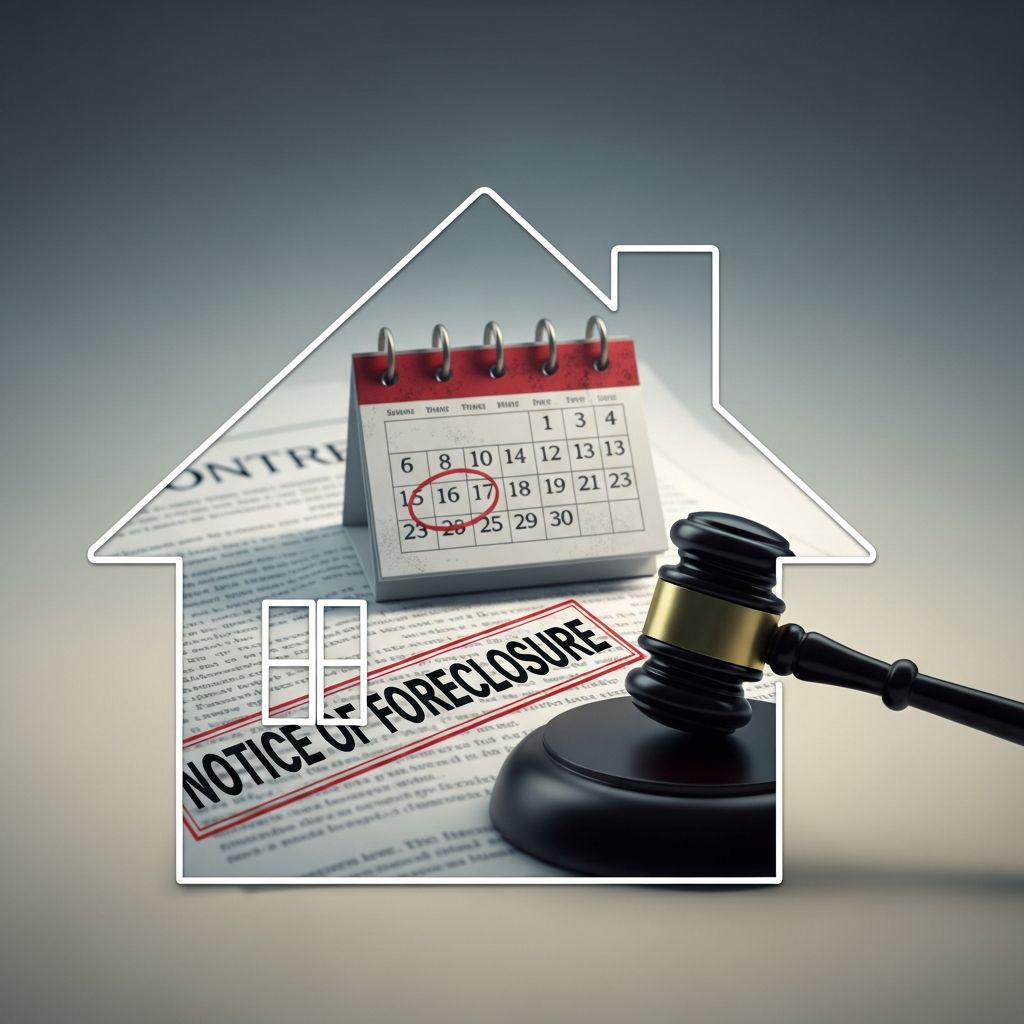
The foreclosure process represents a lender’s legal pathway to reclaim property when borrowers fail to meet mortgage obligations. This mechanism protects financial institutions while imposing severe consequences on homeowners, including credit damage and loss of shelter. Understanding its phases empowers individuals to explore alternatives early.
Defining Mortgage Default and Initial Lender Responses
A mortgage enters
default
the moment a payment misses its due date, typically after 30 days of delinquency. Lenders initiate contact immediately, sending reminders and assessing borrower circumstances. Within 45 to 90 days, they issue a formalNotice of Intent to Foreclose
, outlining arrears and demanding resolution. This document often accompanies a loss mitigation application, inviting homeowners to apply for forbearance, loan modification, or repayment plans.Federal regulations mandate lenders evaluate loss mitigation options before advancing. Borrowers receive at least 120 days from the first missed payment before the initial foreclosure filing, providing a critical window for intervention. Ignoring these notices accelerates the timeline toward property seizure.
Judicial Foreclosure: Court-Supervised Proceedings
In
judicial foreclosure
states, lenders file a lawsuit against the borrower. The complaint details the default, loan balance, and request for court approval to sell the property. Served with a summons, homeowners have 20 to 30 days to respond, raising defenses like improper notice or payment disputes.Court hearings follow if contested. A judge reviews evidence; prevailing lenders secure a foreclosure judgment authorizing sale. This process extends 6 to 12 months, offering borrowers extended negotiation time but higher lender costs passed to debtors via fees.
| Step | Typical Duration | Key Actions |
|---|---|---|
| Complaint Filing | 90-120 days post-default | Lender sues; borrower served |
| Response Period | 20-30 days | Borrower files answer or defenses |
| Hearings & Judgment | 3-6 months | Court rules; sale ordered |
Non-Judicial Foreclosure: Streamlined Power of Sale
**Non-judicial foreclosure** bypasses courts, relying on a ‘power of sale’ clause in the deed of trust. Prevalent in states like Texas, it allows faster resolution—often 60 to 120 days total. Lenders record a Notice of Default, followed by a Notice of Sale 21 days before auction. These must be posted publicly, mailed to the borrower, and filed with county clerks.
No judicial oversight means limited borrower defenses, emphasizing the urgency of early action. Auctions occur at courthouses, with properties sold to the highest bidder. Lenders may credit bid the loan balance; unmet bids result in lender ownership, termed Real Estate Owned (REO).
Pre-Foreclosure Intervention Opportunities
Throughout early stages,
loss mitigation
remains viable. Options include:- Forbearance: Temporary payment pauses, resuming later.
- Loan Modification: Permanent terms adjustments like lower rates or extended durations.
- Short Sale: Selling below loan balance with lender approval.
- Deed in Lieu: Voluntarily transferring title to avoid auction.
Mediation programs in some states, like Maryland, offer neutral facilitation. Homeowners request within 25 days of docket orders, submitting financials 20 days pre-session. Successful agreements halt proceedings; failures permit sales 15 days post-mediation.
Auction Dynamics and Post-Sale Outcomes
Foreclosure sales are public auctions, often at courthouse steps on designated dates (e.g., first Tuesday monthly in Texas). Bidders compete; minimums match outstanding debts. Third-party wins transfer title immediately; lender victories lead to possession pursuits.
Sold ‘as-is,’ properties attract investors. Buyers confirm clear title post-ratification. Former owners receive surplus proceeds beyond debts, though deficiencies may pursue via lawsuits in recourse states.
Eviction Procedures After Foreclosure
New owners initiate eviction via
Motion for Possession Judgment
. Courts issue orders; notices follow, then writs executed by sheriffs. Occupants get 3 to 30 days to vacate, depending on state laws. Delays occur if tenants hold leases, protected under federal guidelines.Creditors securing REO properties perform maintenance, marketing via specialists for resale. This phase underscores foreclosures’ finality for displaced families.
Credit Implications and Long-Term Recovery
Foreclosure devastates credit scores, dropping 100-200 points and lingering 7 years. Late payments precede, but the event itself signals highest risk to future lenders. Rebuilding demands secured cards, on-time payments, and debt reduction.
Bankruptcy filings may delay but exacerbate scores. Government programs like FHA’s partial claims assist qualified borrowers.
State Variations in Foreclosure Timelines
Processes diverge nationally:
- Texas: Non-judicial; 90-day default notice, 21-day sale notice, monthly auctions.
- Maryland: Judicial with mediation; 45-day intent notice, 25-day mediation window.
- California: Non-judicial; 90-day pre-sale period.
Consult state statutes or housing counselors for specifics. Federal overlays like CARES Act pauses applied during crises.
Preventive Strategies for Homeowners
Proactive steps mitigate risks:
- Contact lenders at first delinquency.
- Document finances for mitigation apps.
- Seek HUD-approved counseling.
- Explore refinancing if eligible.
Hardship assistance from nonprofits bridges gaps. Selling preemptively preserves equity.
Frequently Asked Questions (FAQs)
How long does foreclosure take?
Timelines vary: 3-6 months non-judicial, 6-24 months judicial.
Can I stop foreclosure after auction?
Redemption rights exist in some states within days/months by repaying full amounts.
Does foreclosure forgive remaining debt?
No; deficiency judgments pursue balances in recourse states.
What if I file bankruptcy?
Automatic stay halts proceedings temporarily.
Are there government foreclosure aids?
Yes, via CFPB resources and FHA programs.
Key Takeaways for Borrowers and Lenders
Foreclosure intertwines legal, financial, and emotional threads. Borrowers benefit from swift lender dialogue; creditors optimize recoveries via attorneys. Awareness transforms dread into strategy.
References
- Foreclosure Steps and Timeline — Maryland People’s Law Library. 2023. https://www.peoples-law.org/foreclosure-steps-and-timeline
- The Foreclosure Process Explained: Key Steps for Creditors — Tatman Legal. 2024-05-15. https://tatmanlegal.com/the-foreclosure-process-explained-key-steps-for-creditors-to-secure-their-assets/
- How does foreclosure work? — Consumer Financial Protection Bureau. 2025-01-10. https://www.consumerfinance.gov/ask-cfpb/how-does-foreclosure-work-en-287/
- The Texas Foreclosure Process Explained — Baker Law Group, PLLC. 2024. https://jbakerlawgroup.com/the-texas-foreclosure-process-explained/
- Foreclosure Fact Sheet — Texas Law Help. 2024-08-20. https://texaslawhelp.org/article/foreclosure-fact-sheet
- An Overview of the Home Foreclosure Process — FHFA Office of Inspector General. 2010-06-30. https://www.fhfaoig.gov/Content/Files/SAR%20Home%20Foreclosure%20Process.pdf
Similar Articles








Read full bio of medha deb