Understanding Foreclosure Methods in US Real Estate
Explore the three distinct foreclosure approaches used across American states
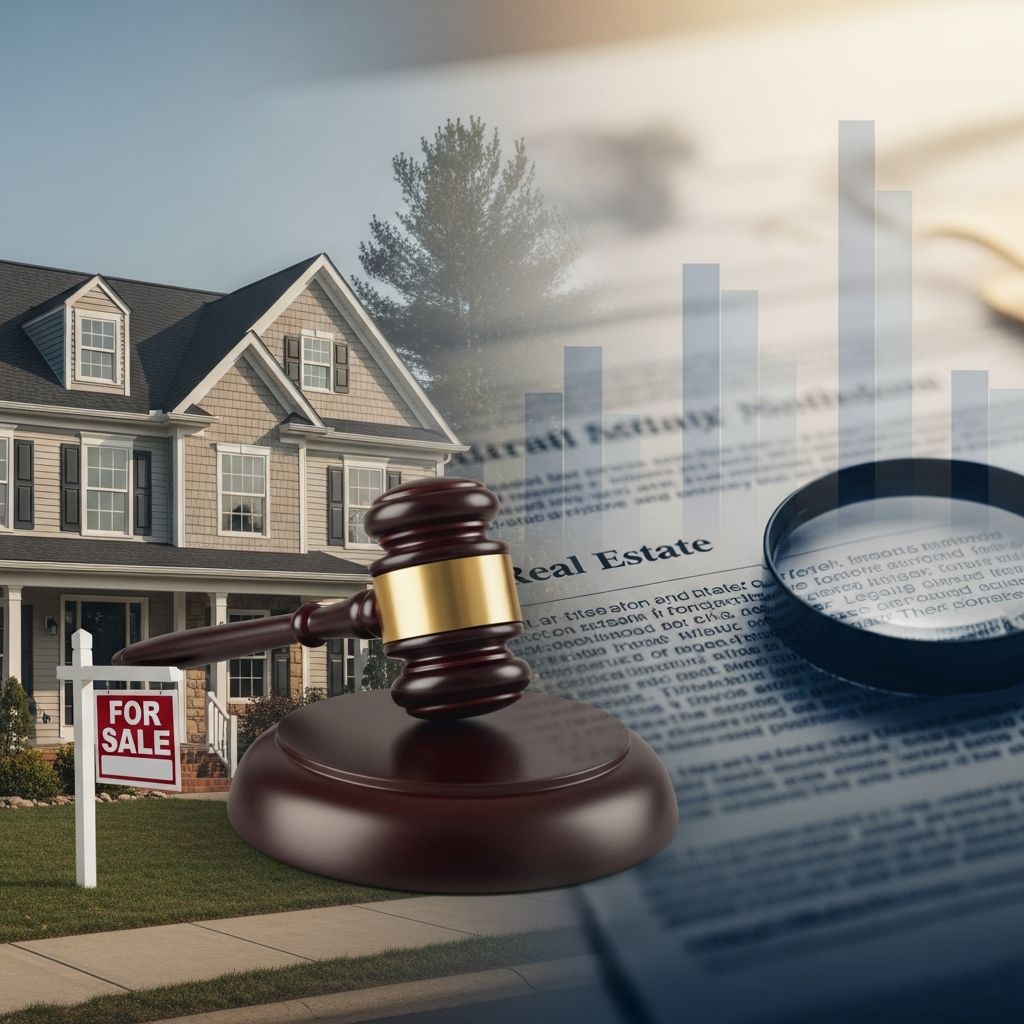
When borrowers fall behind on mortgage payments, lenders have several legal avenues to recover their investment through foreclosure. The United States employs three distinct foreclosure mechanisms, each with unique procedures, timelines, and legal requirements. Understanding these approaches is essential for homeowners facing financial hardship and for anyone seeking to comprehend how property rights transfer when loan obligations go unfulfilled.
The Legal Framework of Property Recovery
Foreclosure represents the legal process by which a lender takes possession of a property when the borrower defaults on their mortgage obligation. The specific method used depends primarily on state law, the terms outlined in the mortgage or deed of trust, and whether the lending contract includes certain clauses that authorize specific foreclosure approaches. Different states have adopted different foreclosure mechanisms based on their legal traditions, and some states permit multiple methods while others restrict lenders to a single approach.
The distinction between foreclosure types hinges on whether court involvement is required. Some states mandate judicial oversight of the entire process, while others permit lenders to conduct foreclosures outside the court system under specific conditions. This fundamental difference creates dramatically different timelines, costs, and legal protections for borrowers.
Court-Supervised Foreclosure Proceedings
The first major category involves foreclosures that proceed through the judicial system. In this framework, a lender must initiate formal legal action by filing a lawsuit against the borrower. This approach requires a judge or court order to authorize the foreclosure and subsequent property sale.
The process typically begins after the borrower has missed consecutive mortgage payments. Many jurisdictions establish a threshold—commonly three consecutive missed payments, representing approximately 90 days of delinquency—before a lender can file a foreclosure action. Before filing suit, lenders customarily send a notice to the borrower indicating that foreclosure will commence unless the outstanding balance is brought current within a specified timeframe, often around 30 days, though this varies by jurisdiction.
Once the court grants the foreclosure order following the legal proceedings, the property is scheduled for public auction. These auctions are frequently referred to as “sheriff’s sales” because local law enforcement typically oversees the event. The property sells to the highest bidder, and the resulting proceeds are applied toward satisfying the mortgage debt and associated costs.
The court-supervised method is available in all 50 states, and several states mandate its use. While this approach provides robust legal protections and opportunities for borrowers to defend their interests, it also tends to be lengthy and complex due to the involvement of the judicial system and associated legal procedures.
Key Characteristics of Court-Based Foreclosure
- Universal availability: All states permit this method; some require it exclusively
- Legal documentation: A lis pendens (notice of pendency of action) is recorded with the county recorder to alert interested parties of the pending lawsuit
- Judicial oversight: A judge must review the case and authorize the foreclosure
- Public notice: A Notice of Foreclosure Sale is issued once the court establishes the auction date and opening bid
- Timeline: Generally takes longer due to court involvement and legal procedures
- Borrower protections: Multiple opportunities to contest the foreclosure and defend their interests in court
Streamlined Extra-Judicial Foreclosure Process
The second major foreclosure approach operates outside the court system, known as non-judicial foreclosure or power of sale foreclosure. This method is authorized in jurisdictions where the mortgage contract includes a power of sale clause—a contractual provision that pre-authorizes the lender to sell the property if the borrower defaults, eliminating the need for court approval.
For this foreclosure method to be valid, the borrower must have explicitly agreed to the power of sale clause when executing the mortgage or deed of trust. This contractual language grants authority to the lender—or more commonly, to a third-party trustee—to conduct an auction and transfer property ownership without judicial involvement, provided they comply with specific notification requirements and observe mandatory waiting periods established by state law.
The power of sale approach generally proceeds more rapidly than court-supervised foreclosure because it bypasses the judicial system entirely. However, the speed and costs vary significantly across the 29 states that authorize this method. Some states impose relatively short waiting periods between notices, while others require extended periods. Additionally, in certain jurisdictions, borrowers retain the right to seek judicial review by filing their own lawsuit if they believe the foreclosure process violated their rights or applicable law.
Non-judicial foreclosures typically commence when the lender files a Notice of Default with the county recorder’s office. This document informs the homeowner and other interested parties that the loan is in default and may proceed to foreclosure. Thirty to 120 days later, depending on state requirements, the lender files a Notice of Trustee Sale, which specifies the auction date, time, and location. In some states, only the Notice of Trustee Sale is recorded, and terminology may vary by jurisdiction.
Twenty-nine states and Washington, D.C. currently permit power of sale foreclosures. These jurisdictions are: Alabama, Alaska, Arizona, Arkansas, California, Colorado, Georgia, Hawaii, Idaho, Maryland, Massachusetts, Michigan, Minnesota, Mississippi, Missouri, Montana, Nebraska, Nevada, New Hampshire, North Carolina, Oregon, Rhode Island, South Dakota, Tennessee, Texas, Utah, Washington, West Virginia, and Wyoming.
Advantages and Considerations for Non-Judicial Foreclosure
- Speed: Generally faster than judicial foreclosure due to reduced legal proceedings
- Cost efficiency: Often less expensive for lenders than court-based processes
- Contractual basis: Requires borrower agreement to power of sale clause at loan origination
- Limited borrower recourse: In many states, borrowers cannot prevent the sale once the process begins
- Judicial review option: Some states permit borrowers to file suit to challenge the foreclosure process
- Notice requirements: Strict compliance with state notification procedures is mandatory
Rare Specialized Foreclosure Mechanism
A third and considerably rarer foreclosure approach exists in only two states: Connecticut and Vermont. Known as strict foreclosure, this method represents a specialized form of judicial foreclosure with a critical distinction from the standard court-based process.
In a strict foreclosure proceeding, the lender files a lawsuit against the defaulting borrower. Rather than requiring a property auction, the court establishes a deadline for the borrower to pay the outstanding mortgage debt in full. If the borrower fails to meet this court-imposed deadline, the property title transfers directly to the lender without any sale occurring.
Strict foreclosures typically occur in situations where the outstanding debt exceeds the property’s market value. In such cases, requiring an auction would likely result in the lender recovering less than the full debt, whereas strict foreclosure ensures complete transfer of the property to satisfy the obligation. This approach essentially gives the lender title to the property as compensation for the unpaid debt.
Because strict foreclosure exists in only two states and represents a fundamentally different outcome from other foreclosure methods, it remains uncommon in American real estate practice. However, understanding this option is important for borrowers in Connecticut and Vermont who face foreclosure proceedings.
Distinguishing Characteristics of Strict Foreclosure
- Geographic limitation: Available only in Connecticut and Vermont
- Judicial requirement: Involves court filing and judicial oversight
- No auction: Property does not sell at public auction
- Direct title transfer: Ownership passes directly to the lender upon deadline expiration
- Applicable situations: Most common when mortgage debt exceeds property value
- Borrower deadline: Court specifies timeframe for full debt payment to prevent title transfer
Comparative Analysis of Foreclosure Methods
| Characteristic | Judicial Foreclosure | Non-Judicial Foreclosure | Strict Foreclosure |
|---|---|---|---|
| Court Involvement | Required | Not required | Required |
| Geographic Availability | All 50 states | 29 states + D.C. | Connecticut, Vermont only |
| Property Sale | Public auction | Public auction | No sale; direct transfer |
| Typical Timeline | Longer (months) | Shorter (weeks to months) | Variable; court-dependent |
| Borrower Right to Challenge | Extensive court options | Limited; varies by state | Court-based defense available |
| Lender Cost | Higher due to legal fees | Lower than judicial | Moderate; court-related costs |
| Notice Requirements | Lis pendens and foreclosure sale notice | Notice of Default; Notice of Sale | Court summons and notices |
Understanding Your Rights and Responsibilities
Borrowers facing default should understand which foreclosure method applies in their state and under their specific mortgage terms. The mortgage or deed of trust document specifies which method the lender may employ. Reviewing this document early, particularly if payment difficulties emerge, allows borrowers to understand their situation and explore available options.
For borrowers in judicial foreclosure states, the court process provides multiple opportunities to respond to the lender’s actions, negotiate modifications, or present defenses. Borrowers facing non-judicial foreclosure may have more limited options but should investigate whether their state permits judicial review of the foreclosure process.
Before foreclosure commences, homeowners should explore alternatives such as loan modification, refinancing, forbearance agreements, or short sales. Contacting the lender directly to discuss hardship situations often yields solutions that benefit both parties compared to the expense and disruption of foreclosure.
Frequently Asked Questions
What triggers the start of a foreclosure process?
Foreclosure typically begins after a borrower misses multiple consecutive mortgage payments, often three payments representing approximately 90 days of delinquency. The lender sends a notice offering the borrower an opportunity to bring the account current within a specified period before initiating foreclosure proceedings.
Can a borrower stop a foreclosure after it begins?
In judicial foreclosure states, borrowers have multiple opportunities to contest the foreclosure and negotiate with the lender during court proceedings. In non-judicial states, options are more limited but may include seeking judicial review or negotiating a resolution with the lender. Declaring bankruptcy also triggers an automatic stay that halts foreclosure temporarily.
What happens to a homeowner after foreclosure completes?
After foreclosure sale, the homeowner loses the property. In some states, borrowers retain a statutory right of redemption allowing them to reclaim the property by paying the debt within a specified period after sale. This right varies significantly by state and foreclosure type.
How does foreclosure affect credit scores?
Foreclosure severely damages credit scores and remains on credit reports for seven years. The impact diminishes over time, particularly if other accounts are managed responsibly after the foreclosure.
Are there alternatives to foreclosure for troubled borrowers?
Yes. Options include loan modification, refinancing, forbearance (temporary payment suspension), short sale (selling for less than owed), deed-in-lieu of foreclosure (transferring property to lender), and in some cases, bankruptcy protection. Lenders often prefer these alternatives to the expense of foreclosure.
State-Specific Variations and Complexity
While this article outlines the three primary foreclosure mechanisms, the specific procedures, timelines, notice requirements, and borrower protections vary considerably among states. Some states have enacted additional protections for borrowers, such as requiring specific waiting periods, mandatory mediation, or pre-foreclosure counseling. Others have streamlined processes to expedite lender recovery.
Borrowers and lenders alike should consult their state’s specific foreclosure statutes and local court rules, as these govern the actual procedures that apply to their situation. Consulting with a real estate attorney in your state can provide crucial guidance tailored to your specific circumstances.
Understanding foreclosure mechanisms empowers borrowers to recognize their options early, take appropriate action to protect their interests, and make informed decisions during financial difficulties. Whether facing potential default or simply seeking knowledge about real estate law, comprehending these three distinct approaches provides essential context for navigating American property rights and obligations.
References
- What to Know About the 3 Different Types of Foreclosure — Experian. Accessed April 2026. https://www.experian.com/blogs/ask-experian/what-to-know-about-3-different-types-of-foreclosure/
- Types of Foreclosure — PropertyRadar Help Center. Accessed April 2026. https://help.propertyradar.com/en/articles/2109429-types-of-foreclosure
- Different Types of Foreclosure in California — San Diego Bankruptcy. Accessed April 2026. https://www.sandiegobk.com/what-2-types-foreclosure-california/
- The 3 Main Types of Foreclosure Explained — Bankruptcy Support Services. Accessed April 2026. https://www.bankruptcysupportservices.com/types-of-foreclosure/
- Guide to Foreclosures — California Courts. Accessed April 2026. https://selfhelp.courts.ca.gov/foreclosures
- Foreclosure — Wex Legal Dictionary, Cornell Law School. Accessed April 2026. https://www.law.cornell.edu/wex/foreclosure
- Understanding Default and Foreclosure — University of Wisconsin-Extension Financial Education. 2021. https://finances.extension.wisc.edu/files/2021/01/Understanding-Default-and-Foreclosure-2.1011.pdf
Similar Articles








Read full bio of Sneha Tete