For Sale by Owner (FSBO): Complete Guide
Master the FSBO process: Learn how to sell your home without a real estate agent and save on commissions.

What is For Sale by Owner (FSBO)?
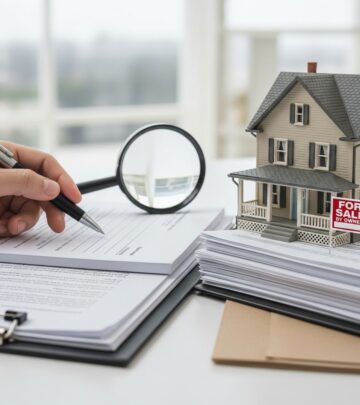
For sale by owner, commonly abbreviated as FSBO and pronounced “fizz-bow,” refers to the process of selling real estate without the representation of a broker or real estate agent. In a FSBO transaction, the homeowner sells directly to a new homeowner, taking on all the responsibilities that would typically be handled by a professional real estate agent. This approach puts sellers in complete control of their transaction, though it also means assuming significant responsibility and workload.
The primary motivation for most homeowners choosing the FSBO route is financial. By eliminating the need for a real estate agent, sellers can avoid paying agent commissions, which typically range from 3% to 6% of the final selling price. However, this potential savings comes with considerable trade-offs, as sellers must handle marketing, pricing, showing, negotiating, and paperwork themselves or hire professionals individually for each service.
According to recent market data, FSBO sales represent only a small portion of the real estate market. In 2024, just 6% of sellers listed their homes FSBO, reflecting the historically low adoption rate of this approach. This trend suggests that many homeowners recognize the complexity involved in selling property without professional guidance, preferring instead to work with experienced real estate agents despite the commission costs.
How For Sale by Owner Works
When a homeowner decides to sell their property themselves, they assume complete responsibility for every aspect of the transaction. This goes far beyond simply advertising the property and showing it to interested buyers. The FSBO seller must navigate multiple interconnected tasks that require knowledge, time, and often professional guidance.
Setting the Sale Price
One of the first and most critical steps in a FSBO sale is determining the appropriate listing price. Sellers must conduct thorough market analysis by evaluating comparable home sales in their area, examining recent sales of similar properties, and understanding current market conditions. However, many homeowners struggle with this task, often developing inflated ideas about their home’s actual market value. Overpricing a property can lead to prolonged time on the market and ultimately lower sale prices, as potential buyers may be deterred by unrealistic asking prices.
Marketing the Property
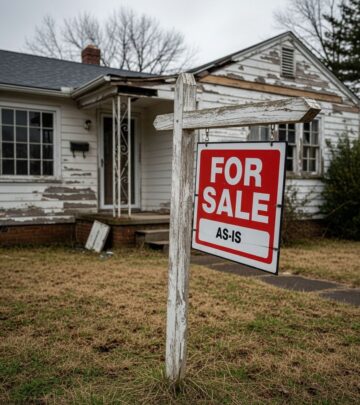
Marketing is another significant responsibility that FSBO sellers must manage. While the simplest approach involves placing a “For Sale” sign in the front yard, effective marketing typically requires much more effort. Sellers should consider staging their home to appeal to potential buyers, investing in professional photography or video tours, and utilizing multiple advertising channels. These channels may include FSBO-specific websites like FSBO.com and ForSaleByOwner.com, local multiple listing service (MLS) listings, social media campaigns, and online advertising platforms. Many sellers also use flat-fee listing services that handle MLS placement and online advertising for a fee, often with tiered service options that provide additional features like professional photography or video production.
Hosting Showings and Open Houses
A substantial part of a real estate agent’s job involves showing properties to potential buyers and hosting open houses. In a FSBO transaction, this burden falls entirely on the seller. This requires the seller to be available at convenient times for potential buyers, maintain the property in pristine condition for viewings, and conduct all-day open houses. This responsibility can be time-consuming and disruptive to the seller’s normal routine.
Negotiating the Sale
Without a seller’s agent to facilitate negotiations, the often-complex process of negotiating the sale falls directly to the seller. This involves more than simply agreeing on a sale price. Effective negotiation requires addressing numerous terms and conditions, including contingencies, escrow timelines, inspection periods, appraisal contingencies, and other provisions designed to protect both parties. For inexperienced sellers, this negotiation process can be particularly challenging and may result in unfavorable terms.
Preparing Legal Documentation
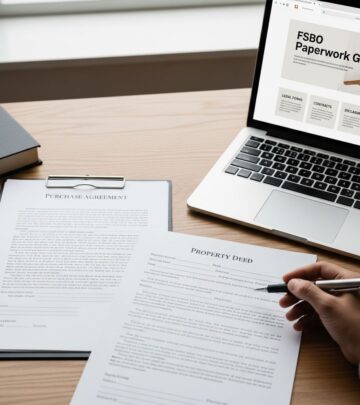
Selling a high-value asset such as a home requires comprehensive legal documentation. FSBO sellers must prepare or collect a well-written purchase agreement or contract, mortgage contracts, property tax bills, certificates of occupancy, titles, warranties, utility bills, and various other legal documents. Many FSBO sellers wisely choose to work with an attorney to ensure these documents are prepared correctly and comply with state and local requirements.
Closing the Sale
Without an agent managing the closing process, FSBO sellers must coordinate directly with the buyer’s lender, the title company, and any other professionals involved in finalizing the sale. This coordination is essential to ensure all requirements are met and the transaction closes smoothly.
Advantages of Selling For Sale by Owner
Despite the significant responsibilities involved, FSBO sales offer several compelling advantages for certain sellers:
- Commission Savings: The most obvious advantage is the potential to save money by not paying real estate agent commissions, which typically represent 3% to 6% of the final sale price. For a home selling for $300,000, this could mean saving $9,000 to $18,000.
- Complete Control: FSBO sellers maintain complete control over every aspect of the selling process, from pricing and marketing to showing and negotiating. There is no outside pressure from a real estate agent pushing to close a deal.
- Direct Communication: Buyers and sellers can communicate directly with each other, potentially leading to faster resolution of issues and better understanding of each party’s priorities.
- Detailed Information Access: Sellers can provide potential buyers with detailed information about the home, the neighbors, and the neighborhood, sharing insights that professional agents might not emphasize.
- Reduced Competition: In some cases, FSBO properties face less competition for buyer attention if the local market has few FSBO listings.
- Potentially Faster Transactions: Without an agent managing the process, some FSBO transactions can move more quickly, particularly if buyer and seller are in agreement and motivated to close.
Disadvantages of Selling For Sale by Owner
While potential advantages exist, FSBO sales also present substantial disadvantages and risks that sellers should carefully consider:
- Buyer’s Agent Commission: Even in FSBO transactions, sellers often still must pay the buyer’s agent’s commission, offsetting much of the anticipated savings. This is a critical point that many FSBO sellers overlook when calculating potential savings.
- Lower Sale Prices: Research consistently shows that homes sold FSBO often sell for less money than comparable homes sold through real estate agents. This reduced sale price frequently exceeds any commission savings achieved.
- Inexperienced Seller Risk: Without professional oversight, inexperienced sellers may make critical errors in pricing, marketing, or negotiating that negatively impact the sale.
- Inflated Home Value: Many homeowners overestimate their home’s market value, leading to overpricing and prolonged market time.
- Incomplete Disclosures: There is risk that sellers may not provide complete disclosures about the home’s condition or history of repairs, potentially exposing them to legal liability.
- Improper Legal Documentation: Without proper legal guidance, FSBO sellers may prepare documentation incorrectly or incompletely, creating legal problems later.
- Lack of Professional Advocacy: Unless buyers hire their own agents, neither party has professional advocacy or representation to protect their interests.
- Significant Time Commitment: FSBO sales require substantial time and effort, making this approach impractical for many sellers with demanding work schedules or other commitments.
FSBO vs. Traditional Real Estate Agent Sale: Key Differences
| Factor | For Sale By Owner (FSBO) | Traditional Real Estate Agent Sale |
|---|---|---|
| Commission Cost | Seller may save on listing agent commission (3-6%) | Seller pays full commission, typically 5-6% split between agents |
| Seller Responsibilities | Seller handles pricing, marketing, showings, negotiations | Agent handles most responsibilities |
| MLS Listing | May require fee or flat-fee service | Agent typically includes MLS listing |
| Buyer’s Agent Commission | Seller often still pays buyer’s agent commission | Seller pays buyer’s agent commission |
| Market Reach | Limited reach unless using MLS and online platforms | Broad exposure through agent networks and MLS |
| Professional Guidance | Limited unless hiring separate professionals | Agent provides expert guidance throughout process |
| Average Sale Price | Often lower than agent-assisted sales | Typically higher due to professional marketing and pricing |
| Legal Support | Seller must hire own attorney | Agent assists with documentation |
| Time Required | High – seller manages everything | Low – agent handles most tasks |
Key Steps in a FSBO Transaction
Understanding the step-by-step process can help FSBO sellers prepare for what lies ahead:
Step 1: Prepare Your Home
Before listing your home, ensure it is in optimal condition. This includes deep cleaning, making necessary repairs, and staging the interior and exterior to appeal to potential buyers. Professional photography or video tours can significantly enhance your listing’s appeal.
Step 2: Research and Price Your Property
Conduct thorough market research by analyzing comparable home sales in your area. Consider hiring a professional appraiser if you’re uncertain about your home’s value. Price your home competitively to attract buyers while maximizing your profit.
Step 3: Create and Advertise Your Listing
Develop a compelling listing description and utilize multiple marketing channels. List your home on FSBO websites, consider MLS listing through a flat-fee service, create social media posts, and place a yard sign. Use professional photos and highlight your home’s unique features.
Step 4: Host Showings and Open Houses
Schedule property showings at convenient times and host open houses regularly. Be prepared to answer questions about the property, neighborhood, and surrounding area. Keep your home clean and welcoming for every showing.
Step 5: Review and Evaluate Offers
When offers arrive, carefully review all terms and conditions. Don’t focus solely on the sale price; examine contingencies, timelines, financing conditions, and other provisions.
Step 6: Negotiate and Make a Counteroffer
If the initial offer isn’t acceptable, negotiate with the buyer. Be prepared to discuss price, terms, contingencies, and other factors. Remember that negotiations involve more than just agreeing on price – they include addressing financing timelines, whether the buyer needs to sell their home first, inspection and appraisal contingencies, and other important provisions. This is an area where professional guidance from an agent or attorney can be invaluable in protecting your interests.
Step 7: Hire Professionals for Documentation and Closing
Engage an attorney to review contracts and prepare necessary legal documentation. Work with the title company and coordinate with the buyer’s lender to ensure smooth closing.
FSBO Resources and Services
Several resources can assist FSBO sellers in managing various aspects of the sale process:
- FSBO Websites: Platforms like FSBO.com and ForSaleByOwner.com offer tiered service packages, including yard signs, online listing services, and professional photography.
- Flat-Fee MLS Services: Local flat-fee listing services can place your home on the MLS and provide online advertising for a single fee, often with options for additional services like professional photography or video tours.
- Real Estate Attorneys: Hiring an attorney to review contracts and prepare legal documentation is highly recommended to protect your interests.
- Professional Photographers and Videographers: Investing in high-quality photos or video tours can significantly increase buyer interest.
- Home Inspectors: Some FSBO sellers offer pre-inspection reports to demonstrate the home’s condition and build buyer confidence.
Important Considerations for FSBO Sellers
Before deciding to sell your home without an agent, carefully consider these important factors:
Market Conditions
FSBO sales are more feasible in strong seller’s markets where there is high demand for homes. In buyer’s markets with excess supply, professional marketing and agent expertise become more valuable.
Local Requirements
Real estate regulations vary significantly by state and locality. Some jurisdictions have specific disclosure requirements, contract standards, and legal provisions that sellers must follow. Understanding these local requirements is essential before proceeding with a FSBO sale.
Buyer’s Agent Representation
In many FSBO transactions, the buyer is represented by a real estate agent. This agent will facilitate the offer process, and depending on state law, may prepare and present the initial offer. Sellers should understand their obligations to buyer’s agents, as not cooperating can significantly limit your potential buyer pool.
Comparable vs. Owner Financing
It’s important to understand that FSBO is fundamentally different from owner financing. With owner financing, the property owner finances the buyer’s purchase directly rather than the buyer obtaining a mortgage from a bank or traditional lender. These are separate real estate concepts with different implications and requirements.
Frequently Asked Questions
Q: Can I still pay a buyer’s agent commission in a FSBO sale?
A: Yes, in most FSBO transactions, sellers still pay the buyer’s agent’s commission, even though they’re saving on the listing agent’s commission. This commission is typically negotiable and should be clearly stated in your listing.
Q: What’s the difference between FSBO and owner financing?
A: FSBO refers only to the process of selling without a real estate agent. Owner financing refers to the property owner financing the buyer’s purchase rather than the buyer obtaining a bank mortgage. These are completely separate concepts and one doesn’t necessarily involve the other.
Q: Who writes the purchase agreement in a FSBO sale?
A: In a typical FSBO sale, if the buyer has an agent, that agent may prepare and present the initial offer. If neither party is represented by an agent, each party should consult with a lawyer to ensure the contract is prepared properly.
Q: How much can I save by selling FSBO?
A: If you avoid paying the listing agent’s commission (typically 2.5-3% of the sale price), you could save money. However, you’ll likely still pay the buyer’s agent’s commission (2.5-3%), and research shows FSBO homes often sell for less than comparable homes sold with agents. Calculate potential savings carefully before committing to FSBO.
Q: Should I hire an attorney for a FSBO sale?
A: Yes, hiring an attorney is highly recommended for FSBO sales. An attorney can review contracts, ensure all necessary disclosures are made, and prepare legal documentation properly to protect your interests.
Q: Is FSBO common in today’s real estate market?
A: No, FSBO is relatively uncommon. As of 2024, only 6% of sellers listed their homes FSBO, reflecting the complexity of real estate transactions and the value most sellers place on professional representation.
References
- Buying a house that’s for sale by owner — Rocket Mortgage. 2024. https://www.rocketmortgage.com/learn/buying-house-for-sale-by-owner
- For sale by owner — Wikipedia. Accessed November 2025. https://en.wikipedia.org/wiki/For_sale_by_owner
- For Sale By Owner (FSBO) — Corporate Finance Institute. 2024. https://corporatefinanceinstitute.com/resources/commercial-real-estate/for-sale-by-owner-fsbo/
- What Does For Sale By Owner Mean? — Bankrate. 2024. https://www.bankrate.com/real-estate/what-is-for-sale-by-owner-fsbo/
- For Sale by Owner (FSBO) vs. Real Estate Agent — Zillow. 2024. https://www.zillow.com/learn/for-sale-by-owner-vs-real-estate-agent/
Similar Articles








Read full bio of Sneha Tete