Foods You Shouldn’t Waste Money On: 10 Budget-Saving Foods
Smart money tips: Skip these overpriced foods and save big on your grocery bill without sacrificing nutrition or flavor.
With grocery prices rising steadily—up about 28% in recent years according to consumer reports—it’s crucial to scrutinize every purchase. Many everyday foods carry inflated price tags due to convenience packaging, branding, or hype, offering little nutritional value for the cost. This article breaks down
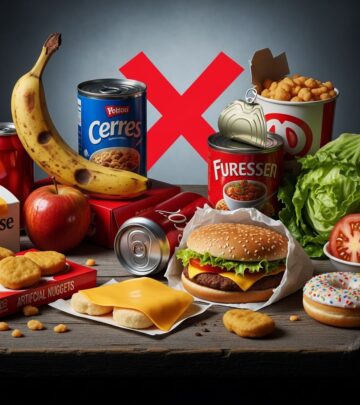
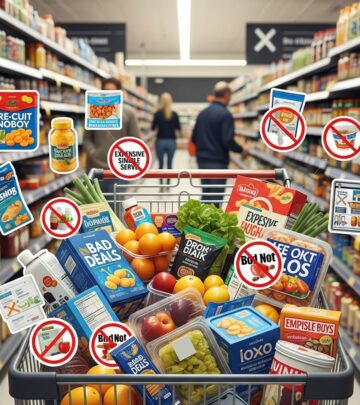
10 foods you shouldn’t waste money on
, backed by cost comparisons and healthier, cheaper alternatives. By skipping these and adopting smart shopping habits, you can slash your food bill by 30-50% while improving your diet.1. Pre-Cut Fruits and Vegetables
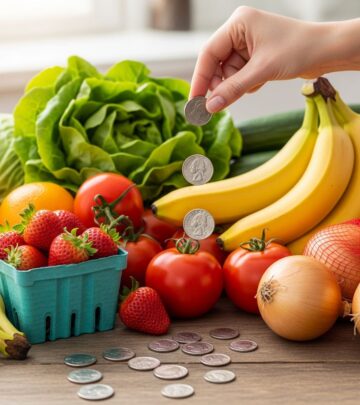
Pre-cut produce like bagged salads, baby carrots, and melon chunks seems convenient but costs 2-3 times more than whole versions. A pound of whole carrots runs about 63 cents per cup, while pre-cut versions can hit $2-3 per pound due to packaging and labor. You’re paying for plastic waste and reduced freshness—pre-cut items spoil faster.
- Cost per serving: Whole carrots: $0.63/cup; pre-cut: $1.50+.
- Why skip: Minimal time savings; buy a peeler or knife instead.
- Alternative: Buy whole produce in bulk. Carrots, onions (55 cents/pound), and cabbage last longer and add crunch to meals.
Pro tip: Wash and chop your own for salads. One head of cabbage yields multiple meals for under $2.
2. Bottled Water
Bottled water is one of the biggest grocery scams, costing $1-3 per gallon versus pennies from the tap. In the U.S., tap water meets strict EPA standards, often tasting better after a simple filter. Brands like Fiji or Voss charge premiums for marketing, not superior quality.
- Annual savings: Switching to filtered tap saves $500+ for a family of four.
- Health angle: Plastic bottles contribute to microplastic exposure; reusable bottles are cheaper long-term.
- Alternative: Invest in a $20 pitcher filter. Add lemon or cucumber for flavored water free.
3. Convenience Snacks (Pre-Packaged Chips, Granola Bars)
Single-serve packs of chips or bars cost 50-100% more per ounce than bulk buys. A $1 granola bar equals $5-7/lb, while homemade trail mix from oats, peanuts, and raisins is pennies per serving. These are loaded with sugar and preservatives, offering empty calories.
| Item | Store-Bought Cost/lb | Homemade Alternative | Savings |
|---|---|---|---|
| Granola Bars | $6-8 | Oats + peanut butter: $2 | 70% |
| Chips | $5 | Popcorn: $0.50 | 90% |
Shop the store perimeter for whole foods like potatoes (53 cents/cup) or popcorn kernels.
4. Organic Everything
Not all organics are worth the 50-100% markup. The Environmental Working Group lists the ‘Clean Fifteen’—avocados, sweet corn, pineapples, onions, papaya, sweet peas, asparagus, honeydew, kiwi, cabbage, mushrooms, cantaloupe, sweet potatoes, mangos, cauliflower—that retain few pesticides even conventionally grown. Save on these and splurge on the ‘Dirty Dozen’ like strawberries.
- Tip: Prioritize local, in-season produce for best value and nutrition.
5. Name-Brand Cereals and Snacks
Branded cereals cost 2x store brands with similar ingredients. Oatmeal, the top bang-for-buck food, costs least processed at $0.20/serving and lowers cholesterol. Instant packets add sugar and salt, doubling the price.
- Swap: Rolled oats with milk (affordable protein source) and bananas.
- Bonus: Bread, especially day-old whole grain, freezes well and beats pricey cereals.
6. Ready-Made Meals and Meal Kits
Meal kits like HelloFresh charge $10-15/serving; cooking from scratch halves that. Frozen dinners pack sodium and cost more than home-cooked beans (27 cents/cup) with rice.
Batch cook staples: Soak dried beans overnight, simmer with onions and carrots for chili. One pot feeds a week.
7. Specialty Milks (Almond, Oat Without Need)
Plant-based milks run $3-5/quart versus $1 for cow’s milk, which provides complete protein, vitamin D, and choline. Unless lactose intolerant, stick to dairy or make your own nut milk cheaply.
- DIY almond milk: 1 cup almonds + water = quart for $2.
8. Cut Flowers for Eating? No—Pre-Trimmed Herbs
Live herb plants ($3) outlast cut bundles ($2/pack, wilts in days). Grow basil or parsley on windowsills for endless supply.
9. Protein Powders and Fancy Supplements
Many get ample protein from eggs ($1.95/dozen, complete protein) or peanut butter ($2.50/lb). Powders cost $20+/lb with fillers.
10. Coffee Shop Drinks and Energy Drinks
A $5 latte equals a week’s home brew. Energy drinks ($2/can) swap for black coffee or tea, cheaper and healthier.
Bonus Money-Saving Food Hacks
To maximize savings:
- Meal plan weekly using the 6-5-4-3-2-1 rule: 6 veggies, 5 fruits, 4 proteins, 3 starches, 2 spreads, 1 treat.
- Shop Aldi or ethnic markets for 40% lower prices.
- Buy bulk staples: Beans, rice, oats.
- Use all chicken: Stock from bones.
- Store asparagus like flowers to double life.
Frequently Asked Questions (FAQs)
Q: What’s the cheapest healthy protein?
A: Eggs at $1.95/dozen or dried beans at 27 cents/cup—both nutrient-dense and versatile.
Q: How can I cut grocery bills by 40%?
A: Switch stores (Aldi), plan meals, cook from scratch, buy generics, and shop perimeter.
Q: Are potatoes really healthy?
A: Yes, high in fiber and vitamins, top on Satiety Index for fullness at 53 cents/cup.
Q: Should I buy organic?
A: Only for high-pesticide produce; save on Clean Fifteen like onions and cabbage.
Q: Best bulk buys?
A: Oats, beans, potatoes, carrots—nutritious and stable for months.
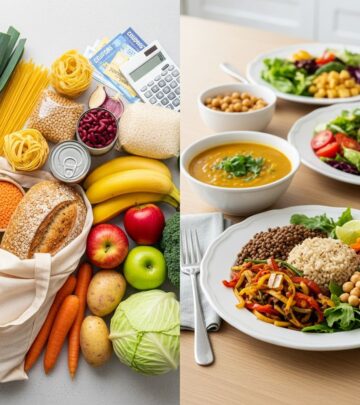
Implementing these changes transforms grocery shopping from expense to investment. Focus on whole foods like those in the ‘bang-for-buck’ list: corn tortillas, beans, onions, carrots, potatoes, bread, oatmeal, milk, eggs, peanut butter. Your wallet and health will thank you.
References
- 10 Foods With the Most Bang for Your Buck — Wise Bread. 2010-approx (authoritative on budget foods, timeless nutrition data). https://www.wisebread.com/10-foods-with-the-most-bang-for-your-buck
- How I Save 40% On My Food Bill (Money Saving Hacks) — YouTube Transcript. 2023-approx (recent consumer trends). https://www.youtube.com/watch?v=ob-06o3TggE
- Best Money Tips: 9 Money-Saving Food Hacks — Wise Bread. 2010-approx (practical hacks). https://www.wisebread.com/best-money-tips-9-money-saving-food-hacks
- Save Money and Eat Better With a 7-Step Food Budget — Wise Bread. 2010-approx (budget strategies). https://www.wisebread.com/save-money-and-eat-better-with-a-7-step-food-budget
- 51 Unusual Money-Saving Tips from Readers — Wise Bread. 2010-approx (reader insights). https://www.wisebread.com/51-unusual-money-saving-tips-from-readers
Similar Articles








Read full bio of medha deb