9 Foods You Didn’t Know You Could Freeze
Discover 9 surprising foods you can freeze to slash grocery bills, minimize waste, and always have ingredients ready for meals.
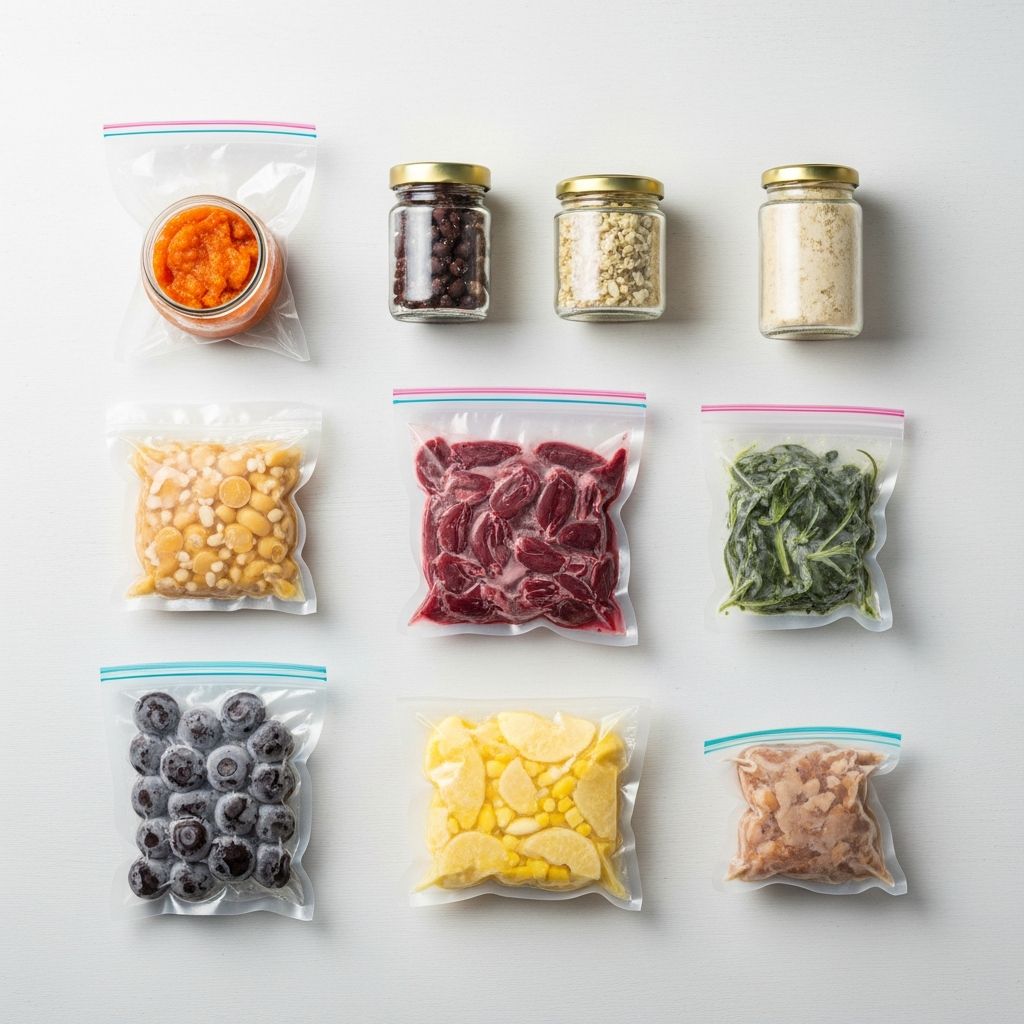
Are you tired of throwing away groceries because they spoil before you can use them? Freezing is a game-changer for stretching your budget and reducing food waste. This guide covers
9 surprising foods
you can freeze, complete with step-by-step instructions, thawing tips, and why it saves money. By mastering these techniques, you could save hundreds annually on groceries while keeping your kitchen stocked with fresh-tasting ingredients.Freezing preserves nutrients and flavor when done right, preventing the need for last-minute store runs. According to food safety experts, proper freezing can extend shelf life dramatically without compromising quality. Let’s dive into the list and transform your freezer into a money-saving powerhouse.
1. Herbs
Fresh
herbs
like basil, cilantro, parsley, and mint elevate any dish but wilt quickly in the fridge. Instead of letting leftovers go bad, freeze them to have garden-fresh flavor year-round.- Whole bunches: Rinse, pat dry, and place in a freezer bag. Squeeze out air, label with date, and freeze. Use directly from frozen in soups or sauces.
- Chopped herbs: Mix with a bit of water or olive oil in ice cube trays. Freeze, then transfer cubes to a bag. Pop one cube into recipes for instant seasoning.
This method locks in oils responsible for aroma and taste. Thaw in the fridge or use frozen—perfect for pesto or marinades. Freezing herbs prevents waste from bulky store packs, saving $5-10 weekly on produce.
2. Eggs
Eggs are versatile but expire fast. Freezing
eggs
(sans shell) turns near-spoiled ones into meal prep gold.- Crack and whisk whites and yolks together.
- Pour into freezer containers or ice cube trays, leaving headspace for expansion.
- Label and freeze up to 12 months.
Add-ins like spinach, peppers, or cheese create ready-to-cook scrambles. Thaw overnight in fridge; never refreeze. This hack meal-preps breakfasts cheaply—buy eggs on sale and stock up. USDA guidelines confirm beaten eggs freeze well, maintaining quality for baking or cooking.
3. Butter
Forgotten
butter
in the fridge? No problem—it’s freezer superstar for up to 12 months.- Whole sticks: Wrap tightly in plastic, then foil or freezer bag.
- Portioned pats: Use for recipes; freeze in bags.
- Salted or unsalted both work.
Thaw in fridge. Ideal for bulk buys during sales. With butter prices fluctuating, freezing extras stabilizes costs—stock up when under $3/lb.
4. Lemons and Limes
Citrus like
lemons
and limes add zing but dry out fast. Freeze whole or sliced for juices, zest, or garnishes.- Whole: Wash, dry, bag, and freeze. Grate frozen for zest; thaw for juice.
- Slices: Spread on tray to freeze individually, then bag. Best for juicing as texture softens.
Use in cocktails, dressings, or desserts. Freezing prevents mushy waste, saving on frequent buys.
5. Cheese
Not all
cheese
freezes equally, but hard varieties shine.| Cheese Type | Freezing Suitability | Best Uses Post-Thaw |
|---|---|---|
| Cheddar, Parmesan, Mozzarella | Excellent (hard/semi-hard) | Cooking, grating, melting |
| Brie, Blue, Cottage | Poor (soft) | Avoid or use in cooked dishes |
- Shred or cube first for easier thawing.
- Bag airtight, remove air.
- Freeze up to 6 months; thaw in fridge.
Texture may crumbly, but melts perfectly. Buy blocks on sale from warehouse clubs.
6. Chicken Broth
Opened
chicken broth
lasts weeks in fridge but months frozen. Portion for convenience.- Ice cubes for small recipes.
- Bags or jars (leave 1-inch headspace).
Boost soups, rice, or gravies. Freezing cubes prevents overuse waste.
7. Various Sauces
**Sauces** like marinara, BBQ, or pesto freeze flawlessly after cooling.
- Portion into bags or containers.
- Lay flat for stacking.
- Thaw in fridge.
Batch-cook and freeze family dinner leftovers. Avoid repeated waste from big jars.
8. Bread
Sliced or artisan
bread
molds quickly—freeze to keep fresh.- Wrap tightly in plastic, then bag.
- Toast slices straight from freezer.
- Whole loaves thaw on counter.
Buy day-olds cheap; freezes up to 3 months.
Are There Foods You Shouldn’t Freeze?
Yes—avoid these to prevent poor texture or safety issues:
- Soft cheeses (e.g., brie, cottage): Become watery.
- Fried foods: Soggy upon thawing.
- Hard-boiled eggs: Rubbery yolk.
- High-water produce: Cucumbers, watermelon, lettuce—mushy.
Stick to the list above for best results.
General Freezing Tips for Success
Maximize savings with these pro tips:
- Label everything with contents and date.
- Portion control: Freeze small amounts to avoid refreezing.
- Headspace for liquids: Prevents bursting.
- Quality freezer bags: Remove air to fight freezer burn.
- Thaw safely: Fridge overnight; cook immediately if microwave-thawed.
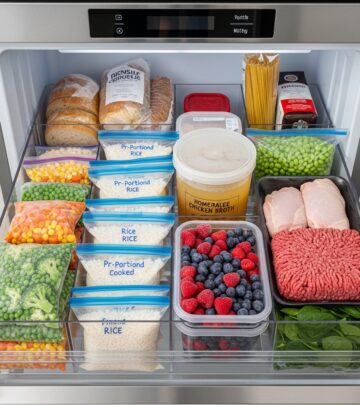
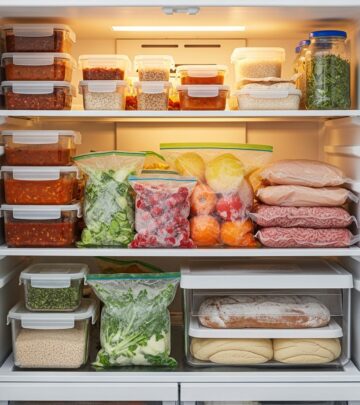
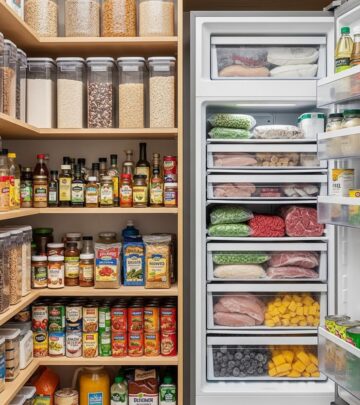
Organize by type for easy access. A full freezer runs efficiently, saving energy.
Benefits of Freezing: Save Money and Reduce Waste
Freezing cuts grocery bills by 20-30% via bulk buys and waste reduction. U.S. households waste $1,500 yearly on food; freezing slashes that. Plan meals around sales, prep ahead, and enjoy home-cooked without daily shopping.
Frequently Asked Questions (FAQs)
Q: How long can most foods stay frozen?
A: 3-12 months depending on type; label dates and use FIFO (first in, first out).
Q: Can I refreeze thawed food?
A: Only if thawed in fridge and still icy-cold; quality drops.
Q: Does freezing kill bacteria?
A: No—thaw/cook properly to eliminate pathogens.
Q: Best freezer temp?
A: 0°F (-18°C) or lower per FDA guidelines.
Q: Can milk be frozen?
A: Yes, in containers with headspace; great for smoothies.
References
- Food Product Dating — United States Department of Agriculture (USDA). 2023-05-10. https://www.fsis.usda.gov/food-safety/safe-food-handling-and-preparation/food-safety-basics/food-product-dating
- 9 Foods You Didn’t Know You Could Freeze — The Penny Hoarder. 2023-01-15. https://www.thepennyhoarder.com/save-money/food-you-can-freeze/
- Freezing and Food Safety — Centers for Disease Control and Prevention (CDC). 2024-02-20. https://www.cdc.gov/foodsafety/freezing-and-food-safety.html
- Household Food Waste in the United States — United States Environmental Protection Agency (EPA). 2024-11-01. https://www.epa.gov/smm/food-material-specific-data
Similar Articles








Read full bio of medha deb