Food Pantry Staples: 20 Meal Ideas And Budget Essentials
Stock your pantry with affordable, long-lasting essentials to save money, reduce waste, and always be meal-ready.
Stocking your pantry with the right
food pantry staples
is one of the smartest ways to save money on groceries. These long-lasting essentials allow you to whip up nutritious meals without frequent shopping trips, reduce food waste, and handle unexpected expenses or emergencies. By focusing on versatile, affordable items with extended shelf lives, you can create a foundation for countless recipes while keeping your budget in check. This guide covers everything from dry goods to spices, with tips on storage, savings strategies, and meal ideas.Why Stock Pantry Staples?
Maintaining a well-stocked pantry saves time and money. According to the U.S. Department of Agriculture (USDA), households that plan around staples like grains and canned goods spend up to 20% less on food annually. These items are inexpensive in bulk, rarely spoil, and form the base of balanced meals. Whether you’re feeding a family or cooking solo, staples prevent impulse buys and last-minute takeout. Prioritize non-perishables that align with your dietary needs, buy during sales, and rotate stock to keep things fresh.
Dry Goods: The Backbone of Every Pantry
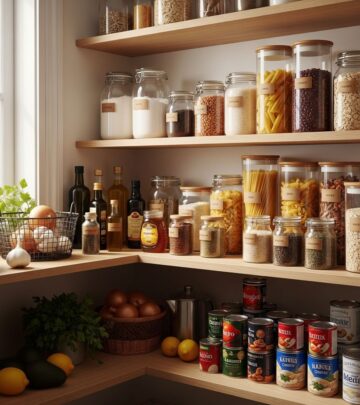
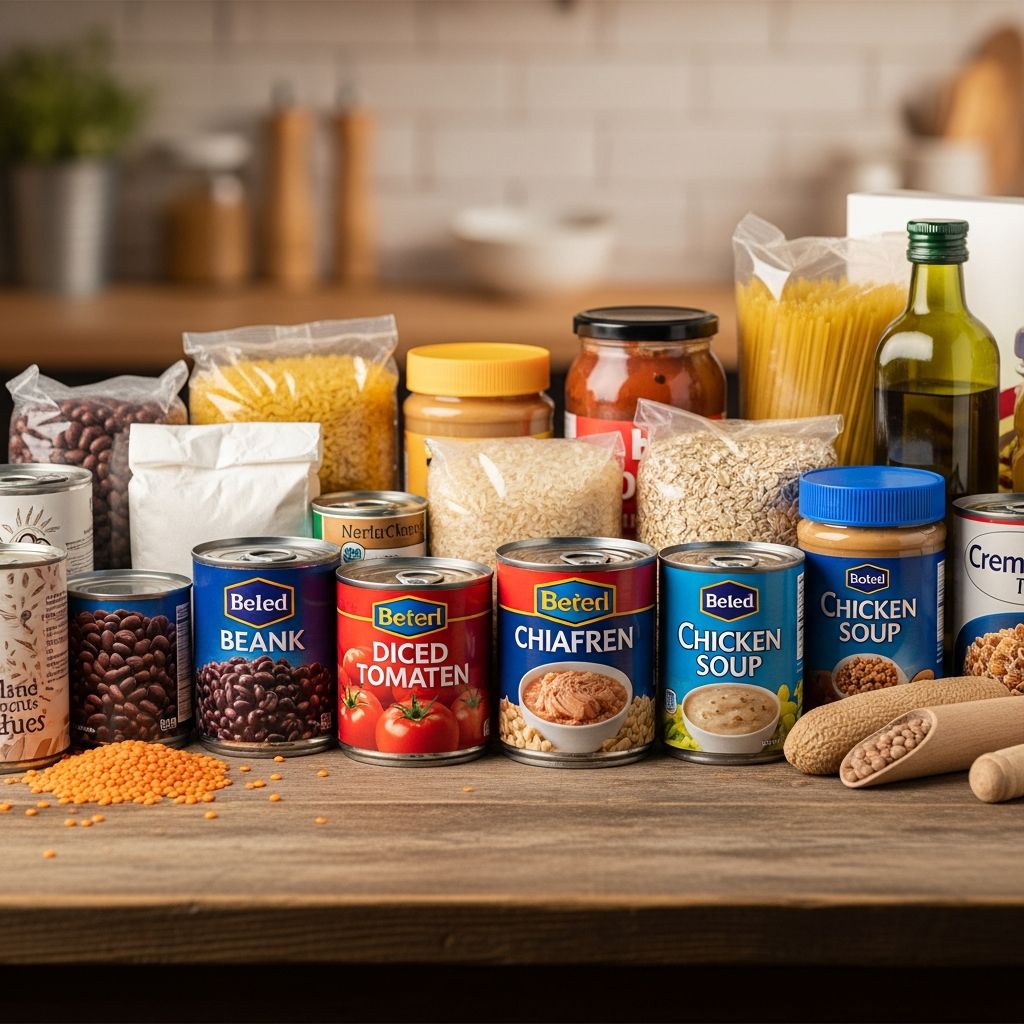
Dry goods are the workhorses of any pantry. They’re cheap, shelf-stable for years, and incredibly versatile for breakfasts, sides, or main dishes.
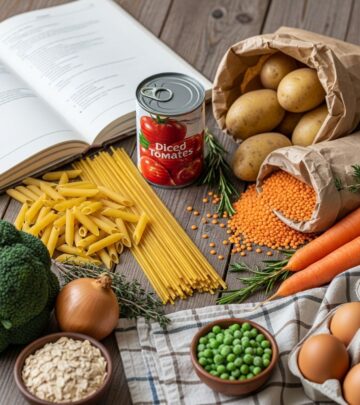
- Rice: White, brown, jasmine, or basmati. A 10-pound bag costs under $10 and feeds a family for weeks. Use for stir-fries, burrito bowls, or pilafs.
- Pasta: Spaghetti, penne, elbows, and whole-grain options. Perfect for quick sauces or casseroles; stock 5-10 pounds.
- Oats: Rolled or steel-cut for oatmeal, granola, or baking. High in fiber and under $0.10 per serving.
- Quinoa and Barley: Protein-packed grains for salads or soups.
- Dried Beans and Lentils: Black beans, chickpeas, lentils. Cheaper than canned; soak overnight for hearty chilis or curries.
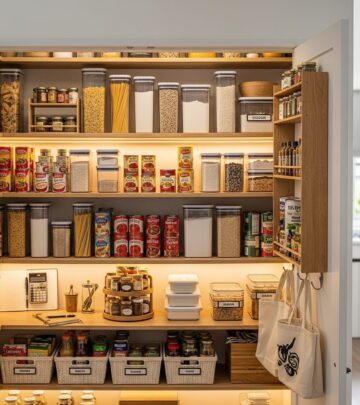
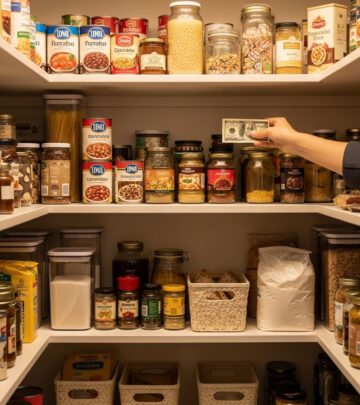
Store in airtight containers in a cool, dry place to prevent pests. Bulk buys from warehouse clubs can cut costs by 30-50%.
Canned and Jarred Goods: Convenience Without the Cost
Canned items offer ready-to-use nutrition with minimal prep. Opt for low-sodium versions to control flavors.
| Item | Uses | Avg. Cost per Can |
|---|---|---|
| Canned Tomatoes (diced, crushed, paste) | Sauces, soups, stews | $1.00 |
| Beans (black, kidney, garbanzo) | Salads, dips, mains | $0.80 |
| Tuna/Salmon | Salads, patties, casseroles | $1.50 |
| Coconut Milk | Curries, smoothies | $1.20 |
| Vegetables (corn, green beans) | Sides, casseroles | $0.70 |
These staples enable meals like tuna casserole or bean chili for under $2 per serving. Check expiration dates and dented cans for deals, but avoid damaged seals.
Oils, Vinegars, and Condiments: Flavor on a Budget
These liquids elevate basic ingredients into gourmet meals without breaking the bank.
- Cooking Oils: Olive (extra virgin for dressings), avocado, canola. A gallon of basic oil lasts months at $5-8.
- Vinegars: Apple cider, balsamic, white. Essential for marinades, dressings; $2-4 per bottle.
- Mustards and Hot Sauce: Dijon, yellow, sriracha. Tiny investments for big flavor boosts.
- Soy Sauce/Tamari: For stir-fries and marinades; low-sodium preferred.
Store oils away from heat to prevent rancidity. Vinegars last indefinitely.
Baking Essentials: Sweet Savings
Baking staples allow homemade treats cheaper than store-bought.
- Flour: All-purpose, whole wheat; 5-pound bag ~$3.
- Sugars: White, brown, powdered.
- Baking Powder/Soda: Leaveners for breads, cakes.
- Vanilla Extract, Chocolate Chips: For cookies, muffins.
- Honey/Maple Syrup: Natural sweeteners.
Homemade bread costs pennies per loaf versus $4 store-bought.
Spices and Seasonings: Maximize Taste Minimally
Fresh spices lose potency quickly, so buy small jars and replenish yearly.
- Essentials: Salt, pepper, garlic/onion powder, cumin, paprika, chili powder, oregano, basil, cinnamon.
- Pro Tip: Buy bulk from ethnic markets for 50% savings.
A well-spiced pantry turns simple rice and beans into restaurant-quality dishes.
Nuts, Seeds, and Nut Butters: Healthy Fats and Protein
These add crunch, nutrition, and satiety.
- Peanut/Almond Butter: $3-5 jar lasts weeks.
- Nuts (almonds, walnuts): Freeze for longevity.
- Seeds (chia, flax): For smoothies, baking.
Portion to avoid overeating; great for no-bake energy balls.
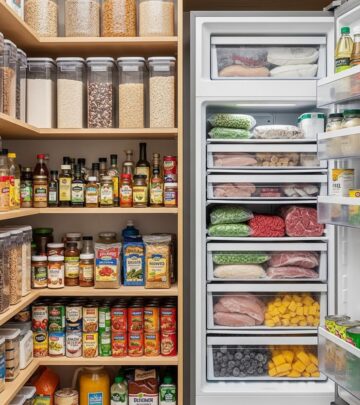
Fridge and Freezer Staples: Extend Freshness
Not purely pantry, but these complement staples.
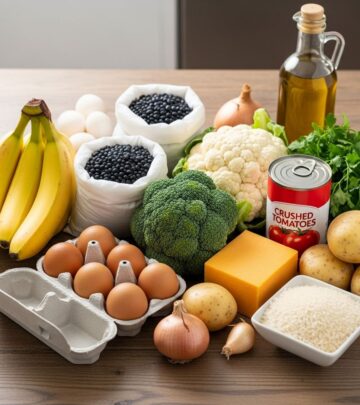
- Fridge: Eggs, mustard, garlic, onions, longer-lasting produce like potatoes, carrots, citrus.
- Freezer: Bread, frozen veggies/fruits, meats like chicken or shrimp.
Freeze extras to stretch dollars.
How to Stock Smart and Save Money
1. Inventory First: Toss expired items; list gaps.
2. Buy in Bulk: Rice, pasta from Costco/Sam’s.
3. Sales and Coupons: Apps like Ibotta rebate staples.
4. Storage Hacks: Airtight bins, cool/dark spots.
5. Meal Plan: Build weekly menus around staples.
6. Rotate Stock: FIFO (first in, first out).
This approach can save $50-100 monthly.
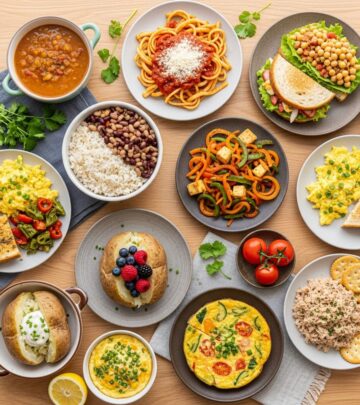
20 Meal Ideas from Pantry Staples
- Rice and beans with spices.
- Pasta primavera with canned tomatoes.
- Tuna salad wraps.
- Oatmeal with honey and nuts.
- Chili mac.
- Vegetable stir-fry over rice.
- Homemade granola bars.
- Bean soup.
- Quinoa salad.
- Baked oats casserole.
- Pasta with olive oil and garlic.
- Lentil curry.
- Fried rice.
- Black bean burgers.
- Tomato basil soup.
- Energy balls.
- Chickpea salad.
- Brownies from pantry items.
- Stuffing with rice.
- Salsa rice bowls.
Frequently Asked Questions (FAQs)
Q: How long do pantry staples last?
A: Most dry goods like rice and pasta last 1-2 years unopened, 6-12 months opened if stored properly. Canned goods: 2-5 years.
Q: What’s the cheapest way to stock up?
A: Shop sales, bulk stores, and ethnic markets. Start with 10 core items like rice, beans, pasta.
Q: Are canned foods healthy?
A: Yes, choose low-sodium/no-BPA. They’re nutrient-dense and convenient.
Q: How to organize my pantry?
A: Use clear bins, label shelves by category (grains, cans), eye-level for frequently used.
Q: Can I stock for emergencies?
A: Yes, aim for 3-day supply per person: grains, proteins, water. USDA recommends rotation.
With these
food pantry staples
, you’ll save money, eat better, and stress less about meals. Start small, build gradually, and enjoy the savings!References
- USDA MyPlate Guidelines: Stocking a Pantry — United States Department of Agriculture. 2024-06-15. https://www.myplate.gov/eat-healthy/healthy-eating-budget
- Food Storage Guidelines — FDA Center for Food Safety and Applied Nutrition. 2023-11-20. https://www.fda.gov/food/buy-store-serve-safe-food/food-product-dating
- Pantry Staples for Nutrition — Harvard T.H. Chan School of Public Health. 2025-01-10. https://www.hsph.harvard.edu/nutritionsource/food-features/pantry-staples/
- Household Food Budgeting — Bureau of Labor Statistics Consumer Expenditure Survey. 2024-09-01. https://www.bls.gov/cex/
- Emergency Food Supply Recommendations — FEMA Ready.gov. 2024-03-05. https://www.ready.gov/food
Similar Articles








Read full bio of medha deb