Food Going Bad Quickly? Here’s How to Fix It
Practical tips to extend the shelf life of your groceries and slash food waste at home effectively.
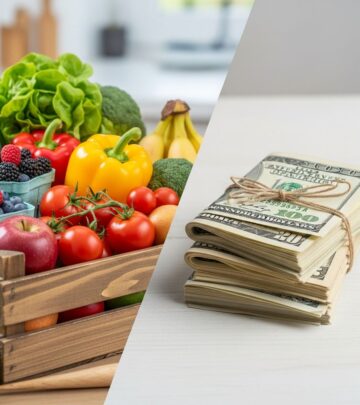
Food waste is a massive issue in households worldwide, with the USDA estimating that up to 100 billion pounds of produce alone are discarded annually in the U.S. Common culprits like bread, milk, lettuce, and meats spoil rapidly if not stored properly, leading to unnecessary expenses amid rising grocery prices—up 8% year-over-year as of recent reports. This guide provides actionable solutions to extend shelf life, organized by food category, drawing from time-tested frugal living practices.
Produce That Wilts and Spoils
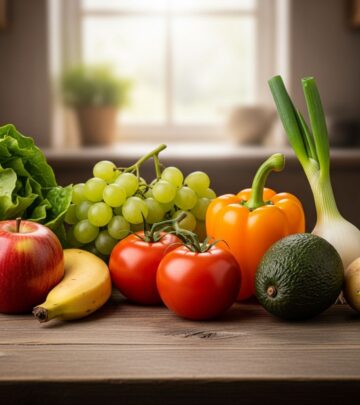
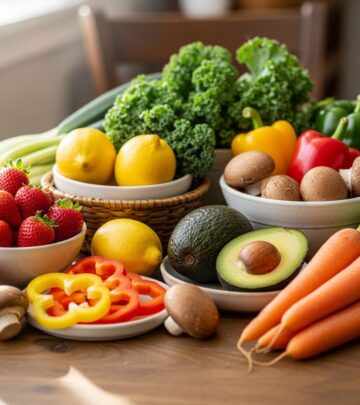
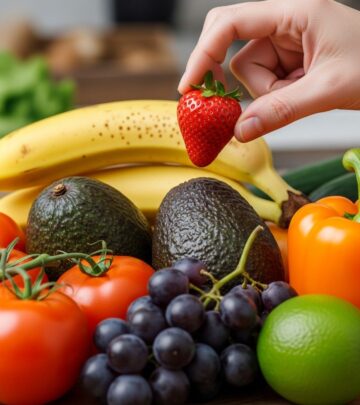
Fresh produce often tops the list of wasted foods because it goes bad within days. Carrots linger too long, lettuce wilts quickly, bananas brown, and apples sit unused. Proper storage can double or triple their usability.
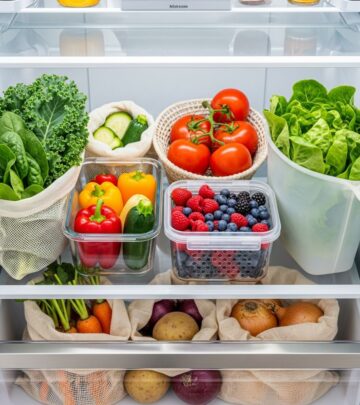
- Leafy Greens (Lettuce, Spinach): Store in a breathable container with a paper towel to absorb moisture. Avoid plastic bags that trap humidity. Wash only before use to prevent bacterial growth.
- Carrots and Root Vegetables: Keep unwashed in a perforated plastic bag in the crisper drawer. Remove green tops immediately as they draw moisture from the roots. Submerge cut carrots in water for longer freshness.
- Apples and Bananas: Separate apples from other fruits; they emit ethylene gas that speeds ripening. Bananas store best on a hook away from direct light, unripe ones at room temperature, ripe in the fridge.
- Berries: Do not wash until ready to eat. Sort out any moldy ones immediately. Use airtight glass containers lined with paper towels.
For bulk buys, consider freezing: blanch greens briefly before freezing in portions, or puree berries for smoothies. These methods prevent the ‘linger too long’ fate highlighted in grocery waste studies.
Bread and Baked Goods
Bread stales in days or grows mold, especially in humid environments. Deli meats and bread pairings often lead to excess waste.
- Whole Loaves: Store in a paper bag at room temperature for 3-5 days. Avoid plastic, which traps moisture and promotes mold.
- Sliced Bread: Freeze in its original packaging or airtight bags. Toast straight from freezer to retain freshness.
- Tortillas and Chips: Refrigerate tortillas; they last weeks. Chips stay crisp in the freezer.
Revive stale bread by sprinkling water and heating in a 350°F oven for 5-10 minutes. Turn extras into croutons, breadcrumbs, or French toast to minimize discard.
Dairy Products: Milk, Eggs, and Cheese
Milk sours, eggs crack prematurely, and cheese molds despite refrigeration. Less milk consumption exacerbates waste.
| Item | Best Storage | Lifespan Extension |
|---|---|---|
| Milk | Back of fridge (coldest spot), not door | Up to 1 week extra |
| Eggs | Original carton in main fridge compartment | 3-5 weeks |
| Cheese (Hard) | Waxed paper wrap, then plastic | Months |
| Cheese (Soft) | Airtight container with cloth | 2 weeks |
Freeze milk in portions for cooking if nearing expiry. Hard cheeses freeze well grated. Test eggs by floating: sinkers are fresh.
Meats and Deli Items
Beef spoils in 3-5 days, deli meats get slimy, and overbuying leads to toss-outs. Buy only what you’ll use soon.
- Steaks and Beef: Purchase 1 day before cooking. Freeze in meal-sized portions immediately.
- Deli Meats: Portion and freeze; thaw as needed. Use within 3 days of opening otherwise.
- Poultry and Fish: Freeze on purchase day if not cooking promptly. Vacuum-seal for best results.
Marinate meats before freezing to enhance flavor upon thawing. Ground meats last shorter, so use promptly or freeze flat for quick defrost.
General Kitchen Strategies to Combat Waste
Beyond specifics, adopt habits for overall success:
- Shop with a list and meal plan to avoid impulse buys.
- Rotate stock: oldest first (FIFO method).
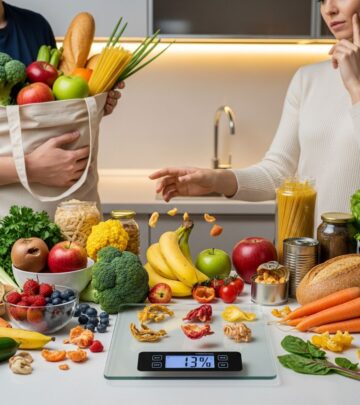
- Use dehydrators for overripe fruits: apple chips or jerky extend usability.
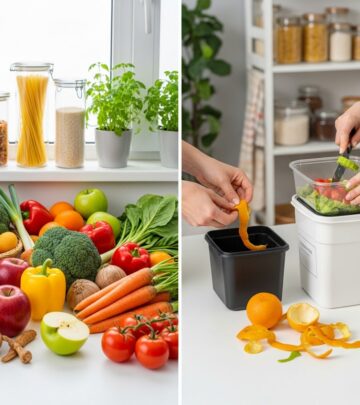
- Compost scraps instead of trashing.
- Check fridge temperature: 37°F ideal for produce, 0°F freezer.
Tools like vacuum sealers or silicone lids replace plastic wrap, reducing air exposure. Track expiry dates with fridge magnets.
Frequently Asked Questions (FAQs)
Q: Why does produce spoil so fast?
A: Ethylene gas, moisture, and bacteria accelerate decay. Proper separation and ventilation counter this.
Q: Can I freeze everything?
A: Most yes, but avoid cucumbers, lettuce (freezer burn), and milk in glass. Portion first.
Q: How to revive wilted lettuce?
A: Soak in ice water 15 minutes, then dry and crisp in fridge.
Q: What’s the most wasted food?
A: Produce (nearly 50%), followed by dairy and meats per USDA data.
Q: Does fridge door storage work?
A: No—fluctuating temps speed spoilage. Use main shelves.
Bonus Tips for Long-Term Savings
Invest in glass containers for visibility and reusability. Bulk buy non-perishables, but scale produce to weekly needs. Apps tracking inventory prevent overbuying. These tweaks can cut household waste by 30-50%, saving hundreds yearly.
By implementing these fixes, transform your kitchen into a waste-free zone. Consistent habits yield fresher food and fuller wallets.
References
- United States Department of Agriculture (USDA) Food Waste Data — USDA. 2023. https://www.usda.gov/foodwaste
- Don’t Waste Your Money: Study on Grocery Waste — WHTM abc27 (USDA cited). 2025-03-28. https://www.usda.gov/media/blog/2023/11/02/usda-food-keepers
- FoodKeeper App Guidelines — USDA. Updated 2024. https://www.foodkeeperapp.usda.gov/
- Food Storage and Safety Guidelines — FDA. 2024-06-15. https://www.fda.gov/food/buy-store-serve-safe-food/food-storage-and-safety
- EPA Food Recovery Hierarchy — U.S. Environmental Protection Agency. 2025. https://www.epa.gov/sustainable-management-food/food-recovery-hierarchy
Similar Articles








Read full bio of medha deb