Flood Insurance: 5 Steps To Secure Coverage
Protect your property from devastating floods with essential coverage insights and requirements for homeowners nationwide.
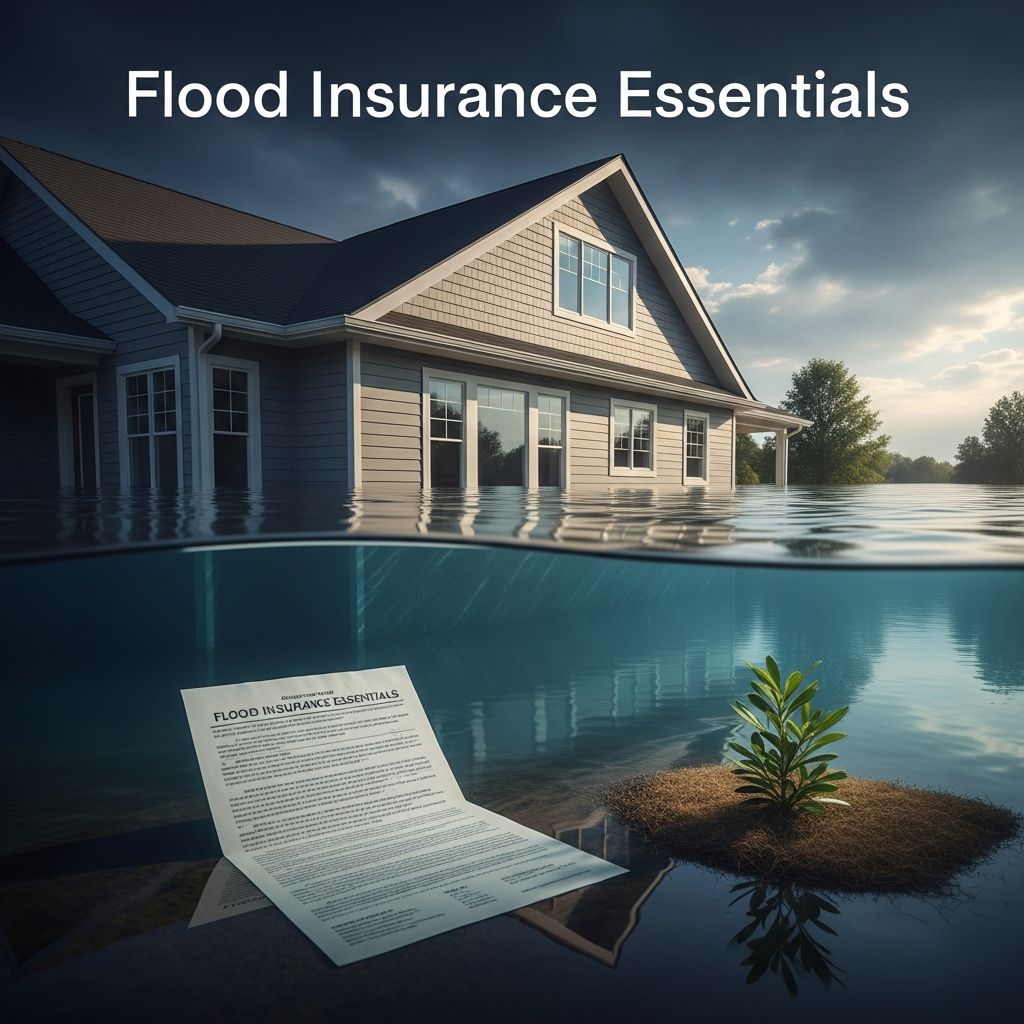
Flood insurance provides critical protection against water damage from flooding, which standard homeowners policies exclude. Homeowners in designated high-risk areas with federally backed mortgages must carry it, but coverage benefits anyone facing potential flood risks.
Understanding Flood Risks Across the U.S.
Floods represent the most common natural disaster in the United States, capable of striking anywhere from coastal regions to inland communities. Unlike other perils covered by typical homeowners insurance, flood damage requires a separate policy because even brief inundation can lead to extensive structural and contents losses.
Properties in Special Flood Hazard Areas (SFHAs)—identified by FEMA flood maps as zones starting with ‘A’ or ‘V’—face at least a 1% annual flood chance, equivalent to a one-in-100-year event. These areas trigger mandatory coverage for mortgaged homes. Moderate-to-low risk zones still experience floods, often from heavy rains, snowmelt, or poor drainage, prompting recommendations for voluntary purchase.
Undeveloped or unstudied areas carry undetermined risks, where floods remain possible despite lacking formal designations. Floodsmart.gov notes eligibility extends broadly, emphasizing proactive coverage.
Legal Mandates for Flood Coverage
Federal law under the Flood Disaster Protection Act mandates flood insurance for properties in SFHAs, Coastal Barrier Resources Systems (CBRS), or Otherwise Protected Areas (OPAs) securing loans from regulated lenders. Lenders verify location using FEMA’s Standard Flood Hazard Determination form.
| Property Situation | Flood Insurance Requirement |
|---|---|
| Principal structure in SFHA | Required |
| Detached residential structure in SFHA securing loan | Required for that structure |
| Property in CBRS/OPA | Required regardless of SFHA status |
| Structure no longer in SFHA per FEMA amendment | Not required with FEMA letter |
Lenders may impose coverage in any area to protect collateral, even absent legal mandates. For force-placed insurance, amounts meet or exceed minimums.
National Flood Insurance Program Overview
The NFIP, managed by FEMA, underwrites most flood policies sold via private agents. It covers building structures up to $250,000 for single-family homes and contents up to $100,000. Non-residential buildings qualify for up to $500,000 building coverage.
- Standard NFIP Dwelling Form for homes.
- Residential Condominium Building Associated Policy (RCBAP) for condos.
- Private insurers offer equivalents if matching NFIP terms and insurer ratings.
NFIP participation requires community eligibility, where local governments enforce floodplain management ordinances.
Coverage Requirements by Property Type
Minimum coverage equals the lesser of: 100% replacement cost value, NFIP maximum, or unpaid principal balance (UPB).
| Property Type | Building Coverage Max (NFIP) | Contents Max |
|---|---|---|
| 1-4 Family Residential | $250,000 | $100,000 |
| Other Residential | $500,000 | $500,000 |
| Non-Residential | $500,000 | $500,000 |
Condo associations must hold master policies covering buildings in SFHAs, with individual unit policies for contents or if master is inadequate.
Deductibles align with NFIP maximums: for 1-4 unit properties under Dwelling Form, and RCBAP for condos.
What Flood Insurance Actually Covers
Building coverage handles foundation, electrical/plumbing systems, appliances, and permanently installed cabinets. Contents policies protect furniture, clothing, electronics, and portable items if separately purchased.
Exclusions include basements (except specific equipment), mold remediation beyond initial damage, and temporary housing—post-flood living expenses fall outside scope.
- Covered: Clean-up, debris removal, structural repairs.
- Not Covered: Outdoor property like fences, seawalls; financial losses from business interruption.
Private Flood Insurance Alternatives
Private policies gain popularity, often providing higher limits or broader terms than NFIP. Lenders accept them if coverage matches or exceeds NFIP standards and issuers meet rating criteria like those from Fannie Mae.
Shop via agents for NFIP or private options; some regions offer primary private coverage without NFIP backing.
Factors Influencing Premium Costs
Average annual premiums range $500-$1,500, varying by flood zone, elevation, construction, deductible, and coverage amounts. High-risk SFHA homes cost more; elevated structures qualify for discounts.
Community participation in NFIP yields lower rates via floodplain management. Waiting periods—typically 30 days—apply to new policies, barring imminent threats.
Steps to Obtain Flood Insurance
- Check flood zone via FEMA’s Flood Map Service Center or lender determination.
- Assess risks beyond maps: local drainage, rainfall history.
- Contact insurance agent for NFIP or private quotes.
- Review policy declarations for coverage adequacy.
- Ensure continuous coverage through loan term; lapses trigger force-placement.
Mitigation Strategies to Lower Risks and Costs
Property improvements like elevation, flood vents, or sump pumps reduce premiums and damage. FEMA endorses these via Community Rating System (CRS) discounts up to 45% for participating communities.
- Install barriers or raise utilities.
- Maintain landscaping to prevent runoff pooling.
- Document valuables for claims.
Claims Process and Payouts
Post-flood, inspectors assess damage within days. Payouts cover repair/replacement at actual cash value or replacement cost if insured to 80%+ value. Adjusters guide proofs of loss submission.
Frequently Asked Questions
Does my homeowners insurance cover floods?
No, standard policies exclude floods; separate flood insurance is essential.
How do I know if I’m in a flood zone?
Use FEMA maps or request lender’s flood determination form.
What’s the waiting period for coverage?
Most policies activate after 30 days, except exceptions for policy renewals.
Can renters get flood insurance?
Yes, contents coverage protects personal belongings up to NFIP limits.
What if my lender force-places insurance?
It meets minimums but often costs more; replace with personal policy promptly.
Future Outlook on Flood Insurance
Climate shifts increase flood frequency, prompting NFIP reforms like Risk Rating 2.0 for premium equity based on actual risks. Private market expansion offers more choices. Homeowners should stay informed via FEMA updates.
Flood insurance safeguards financial stability amid rising threats. Even low-risk owners benefit from peace of mind against unexpected deluges.
References
- Do I Need Flood Insurance? What You Need to Know — Allstate. 2024. https://www.allstate.com/resources/flood-insurance/do-i-need-flood-insurance
- Flood Insurance Requirements for All Property Types — Fannie Mae. 2024-02-07. https://selling-guide.fanniemae.com/sel/b7-3-06/flood-insurance-requirements-all-property-types
- How much flood insurance do I need? — HelpWithMyBank.gov. N/A. https://www.helpwithmybank.gov/help-topics/mortgages-home-equity/flood-insurance/flood-how-much.html
- Flood Insurance Basics — NAIC. N/A. https://naic.org/documents/cmte_c_trans_read_wg_related_flood_insurance_basics_v4.pdf
- Do I need flood insurance for my home? — Insurance Information Institute. 2024. https://www.iii.org/article/do-i-need-flood-insurance-for-my-home
- Commercial Flood Insurance Compliance — Consumer Compliance Outlook. 2022. https://www.consumercomplianceoutlook.org/2022/second-issue/commercial-flood-insurance-compliance
- Who’s eligible for NFIP flood insurance? — Floodsmart.gov. 2024. https://www.floodsmart.gov/get-insured/eligibility
Similar Articles








Read full bio of Sneha Tete