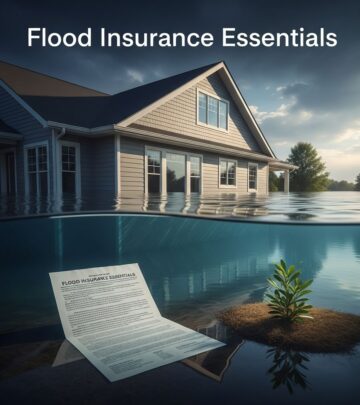
Flood Insurance Coverage Guide
Discover what flood insurance protects, from home structures to personal items, and learn NFIP vs. private options for complete flood protection.

Flood insurance safeguards property against water damage from overflowing rivers, heavy rains, or coastal surges. Unlike standard homeowners policies, it specifically addresses flood perils through programs like the National Flood Insurance Program (NFIP) or private carriers.
Defining Floods and Why Coverage Matters
A flood occurs when water inundates typically dry land, defined by the NFIP as general and temporary inundation from specific sources like inland water overflow, rapid surface runoff, mudflows, or erosion-induced land collapse. This distinction is crucial since homeowners insurance excludes such events, leaving many vulnerable. In high-risk FEMA Special Flood Hazard Areas (SFHAs), lenders mandate coverage for federally backed mortgages.
Annually, floods cause billions in damages across the U.S., affecting even low-risk zones. Adequate coverage prevents financial ruin, covering repairs and replacements not addressed by federal disaster aid, which is often limited.
Core Components of Flood Policies
Standard flood policies divide protection into distinct categories, each targeting different loss types. Understanding these ensures comprehensive safeguarding.
Building Structure Protection
This primary coverage, often called Coverage A, reimburses damage to the home’s foundation, walls, floors, electrical/plumbing systems, HVAC units, and permanently installed appliances like stoves or refrigerators. Detached garages qualify if listed. Limits reach $250,000 for residences under NFIP, calculated at replacement cost or actual cash value, whichever is less.
For instance, submerged electrical panels or cracked foundations from hydrostatic pressure are repairable under this section, but only up to policy caps.
Personal Belongings Safeguard
Coverage B protects movable items inside the building, including furniture, clothing, electronics, and appliances. NFIP caps this at $100,000 for homes, with separate sub-limits for items like air conditioners ($1,500 per unit). Outdoor property or vehicles remain excluded.
Homeowners often undervalue contents; a typical household’s replaceable items can exceed $50,000, making this optional yet vital add-on essential.
Debris Cleanup and Other Expenses
Coverage C handles post-flood removal of debris from insured structures, including trees or vegetation obstructing cleanup. It also covers minor associated costs, aiding swift recovery. NFIP includes up to $1,000 per loss for these expenses.
Compliance and Elevation Costs
Increased Cost of Compliance (Coverage D) funds upgrades to meet local floodplain codes post-substantial damage, such as elevating structures or floodproofing. NFIP provides up to $30,000 for this, promoting long-term resilience.
NFIP: The Federal Backbone
Administered by FEMA since 1968, the NFIP offers standardized policies via over 50 insurers. It suits high-risk areas with predictable terms. Key traits include:
- Uniform Policies: Dwelling Form for 1-4 family homes ($250K building/$100K contents); General Property for others.
- Zone-Based Pricing: Premiums hinge on FEMA flood maps; high-risk A/V zones cost more.
- Waiting Periods: 30 days standard, barring exceptions.
While reliable, NFIP lacks flexibility; basements receive minimal coverage (e.g., sump pumps, not contents).
Private Flood Insurance Alternatives
Private options complement or replace NFIP, especially post-2012 reforms expanding availability. They shine in moderate/low-risk areas with competitive rates.
| Feature | NFIP | Private |
|---|---|---|
| Coverage Limits | $250K building/$100K contents (residential) | Often higher, e.g., millions |
| Customization | Limited | High: basements, pools, deductibles |
| Premiums | Flood zone-based | Risk models may lower costs |
| Availability | Participating communities | Nationwide |
Types include Standard (NFIP-equivalent), Preferred (broader), Customized, Flexible, and Supplemental. Private carriers like Orion180 integrate with homeowners policies for simplicity.
Common Exclusions and Limitations
No policy covers everything. Key gaps include:
- Landscaping, trees, septic systems, decks, pools, seawalls.
- Business interruption, temporary housing, mold remediation beyond direct damage.
- Earth movement, sewer backups (separate coverage needed).
- Below-grade basements: only mechanicals, not finished areas.
Flood damage valuation uses actual cash value minus depreciation, except replacement cost for primary residences.
Choosing and Maximizing Your Policy
Assess risk via FEMA’s Flood Map Service Center. Calculate replacement costs accurately to avoid underinsurance. Compare NFIP quotes (via agents.floodsmart.gov) with private options.
Enhance protection by:
- Elevating utilities.
- Installing flood vents.
- Securing valuables upstairs.
For condos, association policies cover buildings; individuals insure contents.
Frequently Asked Questions
Is flood insurance required?
Yes, in SFHAs with federally backed mortgages.
How much does it cost?
Averages $700/year nationally, varying by zone and elevation.
Does it cover sewer backups?
No; requires separate endorsement or policy.
What’s the claims process?
Proof of loss within 60 days; adjusters assess damage.
Can I get coverage in low-risk areas?
Yes, NFIP and private options available.
Recent Developments and Future Outlook
NFIP faces reform pressures, including Risk Rating 2.0 for equitable pricing. Private market growth offers more choices, potentially reducing federal burden.
References
- Flood Insurance – Florida Office of Insurance Regulation — Florida OIR. Accessed 2026. https://floir.gov/property-casualty/flood-insurance
- What Are the Different Types of Flood Insurance? — Orion180. Accessed 2026. https://orion180.com/blog/flood-disaster-preparedness-insurance-tips/what-are-the-different-types-of-flood-insurance
- Flood Insurance: Coverages Explained for Home Protection — Flood Insurance Guru. Accessed 2026. https://www.floodinsuranceguru.com/the-flood-insurance-guru-blog/flood-insurance-coverages-explained
- FEMA National Flood Insurance Program Summary of Coverage — FEMA. Accessed 2026. https://www.ncdoi.gov/nfip-summarycoverage/open
- What Does Flood Insurance Cover? — National Association of Realtors. Accessed 2026. https://www.nar.realtor/flood-insurance/flood-insurance-coverage
- Flood Insurance Basics — NAIC. Accessed 2026. https://naic.org/documents/cmte_c_trans_read_wg_related_flood_insurance_basics_v4.pdf
Similar Articles








Read full bio of Sneha Tete