Fixing Too Few On-Time Payments on Credit Report
Discover why limited on-time payments hurt your credit and get proven strategies to build a stronger payment history for better scores.

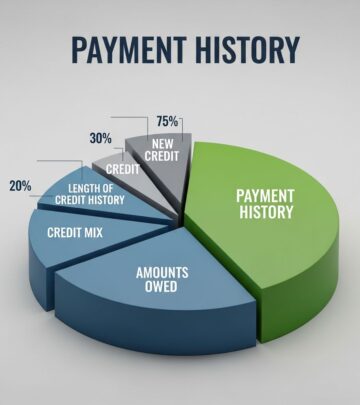
Your credit report serves as a financial snapshot, and one common red flag is having too few accounts currently paid as agreed. This notation signals to lenders that you lack a sufficient track record of timely payments across multiple accounts, which can hinder your ability to secure loans, credit cards, or favorable interest rates. Payment history, making up 35-40% of your FICO or VantageScore, is the dominant factor in credit scoring models. Building more positive payment records is essential for long-term financial success.
Understanding Payment History in Credit Scoring
Payment history tracks your reliability in meeting debt obligations over time. Credit bureaus like Equifax, Experian, and TransUnion compile data from lenders on whether payments are made on time, late, or missed. A strong history demonstrates trustworthiness, predicting future behavior. For those with too few accounts paid as agreed, it often means limited active accounts or a short history of consistent payments, leading scorers to view you as higher risk.
Key elements include:
- On-time payments: The backbone of a positive record, showing consistent responsibility.
- Late payments: Reported after 30 days overdue, with severity increasing for 60, 90+ days.
- Delinquencies and collections: Unpaid balances sent to collectors, lingering 7 years.
- Bankruptcies: Chapter 7 stays 10 years; Chapter 13, 7 years.
Scoring models prioritize recency and frequency: recent lates hurt more than isolated old ones.
Why ‘Too Few Accounts Paid as Agreed’ Appears
This message typically shows when you have fewer than 2-3 accounts with a history of on-time payments, or if most accounts are new without established patterns. New credit users, recent immigrants, or those who’ve closed old accounts often face this. Lenders report monthly, but thin files lack data for robust analysis.
| Credit Scoring Model | Payment History Weight | Other Major Factors |
|---|---|---|
| FICO | 35% | Amounts owed (30%), Length of history (15%) |
| VantageScore | 40% | Age/type of credit (21%), Credit utilization (20%) |
Data from major models highlights payment history’s dominance.
Consequences of Limited Positive Payment Records
A sparse on-time payment history elevates perceived risk, resulting in:
- Higher interest rates on loans and cards, costing thousands extra over time.
- Denials for mortgages, auto loans, or premium credit products.
- Lower credit limits, increasing utilization ratios that further ding scores.
- Challenges renting apartments or securing utilities without deposits.
For instance, someone with only one paid-as-agreed account might see scores 50-100 points below peers with diversified histories. Employers and insurers may also check, impacting job offers or premiums.
Steps to Build More Accounts Paid as Agreed
Improving requires deliberate actions to accumulate positive reports. Start small and scale.
- Review your credit reports: Access free weekly via AnnualCreditReport.com (government site). Identify gaps or errors.
- Catch up on delinquencies: Pay overdue balances to halt negative reporting and begin positive streaks.
- Set up autopay: Automate minimum payments to avoid oversights; pair with calendar alerts.
- Open starter accounts: Consider secured credit cards or credit-builder loans reporting to all bureaus.
- Add utility/rent reporting: Services like Experian Boost or rental platforms like RentTrack add positive non-traditional data.
Consistency over 6-12 months can shift your profile significantly.
Choosing the Right Credit Products to Build History
Select beginner-friendly options:
- Secured cards: Deposit-backed, low risk; graduates to unsecured after good behavior.
- Credit-builder loans: Funds held until repaid; reports installments positively.
- Store cards:
- Authorized user status: Piggyback on a trusted person’s seasoned account (ensure they pay on time).
Easy approval but high APR—use sparingly.
Avoid high-fee subprime products; focus on those from reputable issuers reporting promptly.
Sample Starter Plan
| Month | Action | Expected Outcome |
|---|---|---|
| 1-3 | Get secured card + autopay | 3 months positive reports |
| 4-6 | Add credit-builder loan | Diversified installment history |
| 7-12 | Boost utilities/rent | Score boost 20-50 points |
Advanced Techniques for Faster Recovery
Beyond basics:
- Dispute inaccuracies: Under FCRA, challenge wrong lates via bureau portals.
- Goodwill letters: Politely request removal of one-time lates from loyal issuers.
- Pay-for-delete: Negotiate with collectors (not guaranteed).
- Build mix: Balance revolving (cards) and installment (loans) for optimal profile.
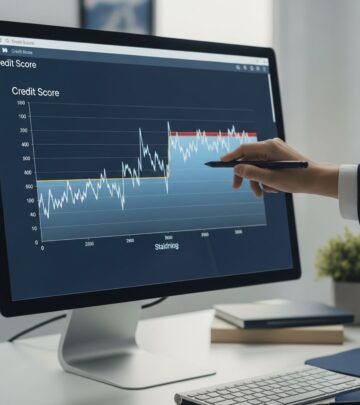
Monitor progress monthly; tools like Credit Karma offer free tracking.
Common Myths About Payment History
Myth 1: Paying early hurts—False; on-time is ideal, early counts positively.
Myth 2: Closing old accounts helps—They age your history; keep if paid off.
Myth 3: One late is permanent—Impacts fade over time with new positives.
Long-Term Maintenance for Peak Credit Health
Once built, protect it:
- Keep utilization under 30%.
- Limit new inquiries.
- Review reports annually.
- Diversify 5-10 accounts over years.
Aim for 750+ FICO for prime rates.
Frequently Asked Questions (FAQs)
What does “too few accounts currently paid as agreed” exactly mean?
It indicates insufficient positive payment records on your report, often due to few active accounts or new credit history.
How long until new payments improve my score?
1-2 months for reporting, 6+ for meaningful gains.
Can non-credit bills help?
Yes, via services adding utilities/phone payments.
Does payment history affect everyone the same?
No, thin files amplify its weight.
Is autopay foolproof?
Nearly; confirm minimum covers due amount.
References
- Payment History Is the Most Important Factor in Your Credit Score — ScoreSense. 2023. https://www.scoresense.com/blog/payment-history-is-the-most-important-factor-in-your-credit-sco
- What’s the Difference Between Payment History and Credit History? — AF Bank. 2024. https://www.afbank.com/article/whats-the-difference-between-payment-history-and-credit-history
- Payment History and How It Impacts Credit — Capital One. 2025-01-15. https://www.capitalone.com/learn-grow/money-management/payment-history/
- What Is Payment History and How Does It Impact Your Credit? — Credit Karma. 2024. https://www.creditkarma.com/credit/i/payment-history-credit-report
- Credit History vs. Payment History — Academy Bank. 2023. https://www.academybank.com/article/how-are-credit-history-and-payment-history-different
- How Does Payment History Affect Your Credit? — Prosper. 2024. https://www.prosper.com/blog/what-is-payment-history
- How to Improve Your Payment History — Experian. 2025-02-01. https://www.experian.com/blogs/ask-experian/how-to-improve-payment-history/
Similar Articles








Read full bio of medha deb