Fixing Home Plumbing Issues: Expert Guide To Common Repairs
Discover essential strategies to identify, repair, and prevent common plumbing challenges in your residence for lasting functionality.
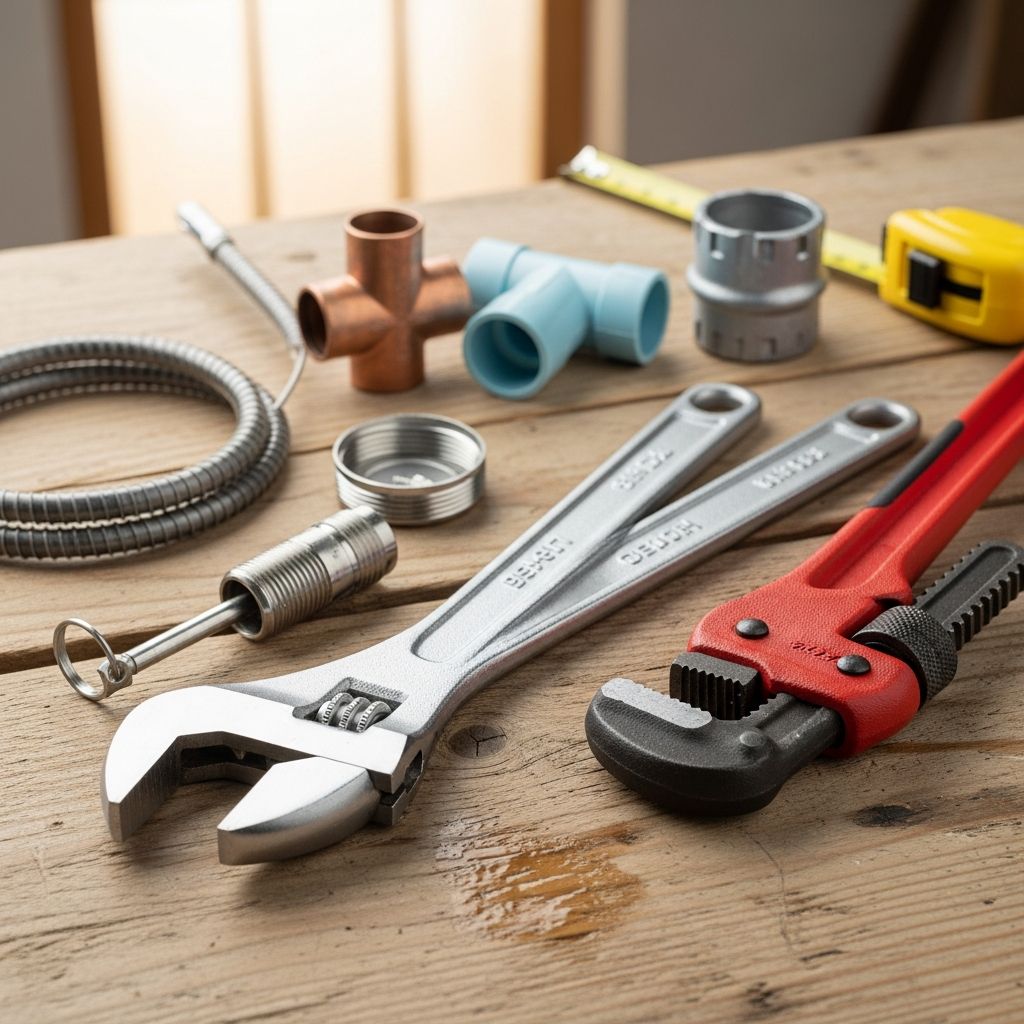
Plumbing systems form the backbone of any household, quietly delivering water and removing waste until something goes wrong. When issues arise, they can disrupt daily life, inflate utility costs, and even threaten structural integrity. This comprehensive guide equips homeowners with the knowledge to spot early warning signs, apply effective fixes, and adopt preventive habits. From minor annoyances like dripping taps to major crises like pipe bursts, understanding these challenges empowers you to act swiftly and minimize damage.
Recognizing Early Indicators of Plumbing Trouble
Detecting problems before they escalate saves time and money. Common signals include unexplained spikes in water bills, discolored flow from outlets, unusual noises from pipes, or lingering odors around drains. For instance, a gradual rise in monthly charges often points to silent leaks wasting gallons daily. Visual checks reveal damp patches on walls or ceilings, while auditory cues like banging or gurgling suggest pressure imbalances or air traps.
- Damp spots or puddles: Indicate hidden leaks behind fixtures or in walls.
- Strange sounds: Hammering noises signal sudden flow stops, known as water hammer.
- Foul smells: Sewer gas escaping from dry traps or vent failures.
- Pressure changes: Weak streams from multiple outlets hint at systemic blockages.
Regular inspections, especially in basements, attics, and under sinks, catch these issues early. Schedule seasonal reviews to maintain system health.
Addressing Dripping and Leaking Fixtures
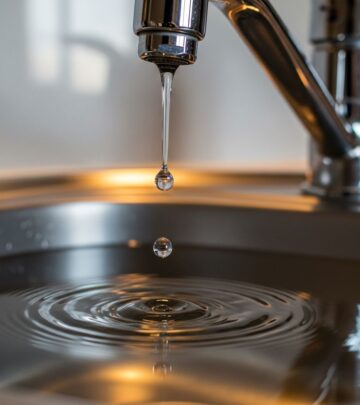
Dripping faucets top the list of frequent complaints, wasting up to 3,000 gallons yearly per household. Causes range from worn washers and O-rings to corroded seats. In bathrooms and kitchens, these leaks manifest as steady drips or base seepage.
To fix a standard compression faucet:
- Turn off the water supply.
- Disassemble the handle to access the cartridge or stem.
- Replace rubber seals and clean mineral buildup.
- Reassemble and test for tightness.
For compressionless models, swap the entire cartridge unit. Persistent leaks may require professional valve replacement. Outdoor hose bibs often fail due to cracked housings; insulating them prevents winter cracks.
| Leak Type | Common Cause | DIY Fix Cost | Pro Repair Cost |
|---|---|---|---|
| Handle base drip | Worn O-ring | $5-10 | $100-150 |
| Spout leak | Bad washer | $2-5 | $75-125 |
| Hose bib crack | Freeze damage | $20-50 | $200-300 |
Clearing Blockages in Drains and Toilets
Clogged drains affect every home, stemming from grease, hair, or debris accumulation. Kitchen sinks suffer from fatty deposits, while bathrooms battle soap and hair combos. Slow drainage precedes full backups, potentially flooding floors.
DIY unclogging starts with natural remedies:
- Pour boiling water followed by baking soda and vinegar; let fizz for 15 minutes before flushing.
- Use a plunger with petroleum jelly on the rim for better seal.
- Employ a drain snake for deeper reaches.
Toilets demand cup plungers and avoid chemical cleaners that damage porcelain. If backups recur across fixtures, suspect main line obstructions like tree roots, necessitating hydro-jetting by experts.
Restoring Optimal Water Pressure
Low pressure frustrates showers and chores, often from aerator clogs, pipe corrosion, or municipal supply dips. Test by timing fill rates: a 5-gallon bucket should fill in under 30 seconds at 40-60 PSI.
Troubleshooting steps:
- Clean or replace faucet aerators and showerheads mineral-clogged by hard water.
- Inspect pressure regulator; adjust to 50-80 PSI.
- Check for leaks reducing overall flow.
Whole-house issues may involve pump failures or service line restrictions, best handled by plumbers with pressure gauges.
Managing Toilet Malfunctions
Running toilets quietly squander 200+ gallons daily via faulty flappers, fill valves, or overflow chains. Diagnosis involves tank dye tests: color in bowl after an hour confirms leakage.
Replacements are straightforward:
- Flapper: Universal kits fit most tanks; ensure chain slack.
- Fill valve: Fluidmaster models adjust height easily.
Handle clogs with plungers first; avoid flushable wipes that mimic paper but clog worse.
Handling Pipe Leaks and Bursts
Leaking pipes cause the bulk of water damage claims. Visible drips are obvious, but slab or wall-hidden ones raise bills and mold risks. Temporary patches use epoxy putty or clamps.
For bursts, often from freezes:
- Shut off main valve immediately.
- Drain system and thaw slowly with warm towels.
- Patch or replace section with PEX or copper.
Prevention includes pipe insulation and drip faucets in cold snaps.
Troubleshooting Water Heater Challenges
No hot water disrupts routines. Sediment in tanks reduces efficiency; annual flushes mitigate this. Noises like pops indicate buildup; relight pilots on gas units carefully.
Symptoms and solutions:
| Symptom | Cause | Fix |
|---|---|---|
| Lukewarm water | Sediment | Flush tank |
| No ignition | Pilot out | Relight per manual |
| Rust-colored | Anode failure | Replace anode rod |
Tankless models need descaling; consult pros for electrical checks.
Dealing with Odors and Discolored Water
Bad smells trace to dry P-traps, bacterial growth, or vent blockages. Refill traps monthly in unused areas. Discoloration signals rust, minerals, or sediment.
| Odor Source | Description | Solution |
|---|---|---|
| Sink drain | Sour | Baking soda scrub |
| Sewer-like | Gas escape | Check vents |
| Earthy | Dry trap | Add water |
Install softeners for persistent issues.
Winter-Proofing Against Frozen Pipes
Cold weather threatens exposed lines. Insulate attics, garages, and crawlspaces. Maintain 55°F indoors; open cabinets for circulation. Know your shutoff valve location.
FAQs
What causes most home clogs?
Hair, grease, and debris buildup; prevent with screens and hot water flushes.
Can I fix low pressure myself?
Yes, start with aerator cleaning; pros for regulators.
How often flush water heater?
Annually to remove sediment.
Is chemical drain cleaner safe?
Avoid; they corrode pipes—use enzymes instead.
What if my sump pump fails?
Test monthly; replace if cycles erratically to avoid floods.
Seasonal Maintenance Checklist
- Inspect hoses and connections.
- Flush water heater.
- Clean aerators.
- Test pressure relief valve.
- Insulate vulnerable pipes.
Proactive care extends system life, cutting repair needs by half.
References
- Common Signs of Plumbing Problems — Travelers Insurance. 2023-10-15. https://www.travelers.com/resources/home/safety/common-signs-of-plumbing-problems
- Common Plumbing Problems and How to Fix Them — Nationwide. 2024-05-20. https://www.nationwide.com/lc/resources/home/articles/common-plumbing-problems-solutions
- 18 Common Plumbing Problems and How to Resolve Them — Angi. 2024-08-12. https://www.angi.com/articles/plumbing-problems.htm
- 20 Common Plumbing Problems and Solutions for Homeowners — CPI Service. 2023-11-05. https://cpiservice.com/blog/plumbing-problems/
- Top 7 Plumbing Problems To Fix ASAP — Northern Comfort Systems. 2024-02-28. https://northerncomfortsystems.com/blog/plumbing-problems-to-fix/
Similar Articles








Read full bio of Sneha Tete