Fixing High Credit Utilization
Discover why high credit utilization hurts your score and proven strategies to lower it fast for better financial health.
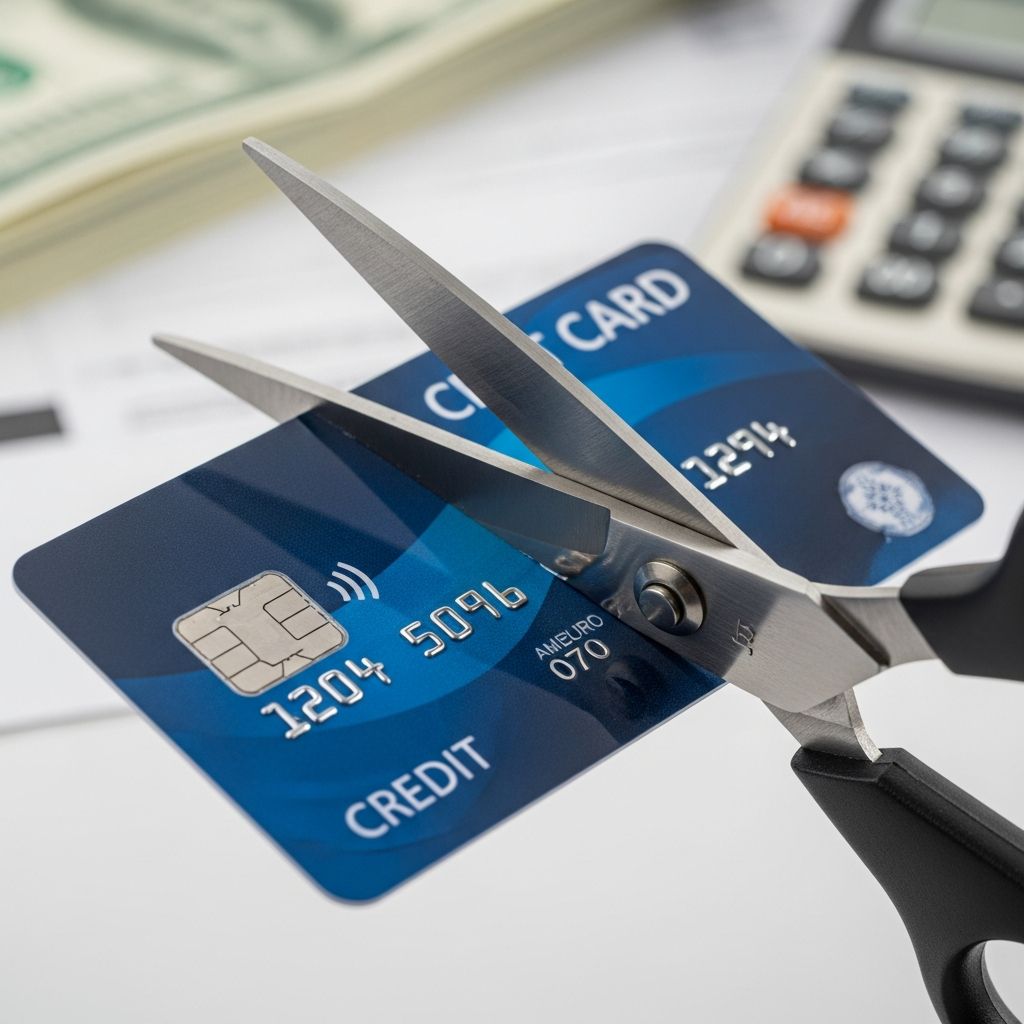
Your credit utilization ratio measures how much of your available credit you’re using, and when it’s too high, it can significantly drag down your credit score. Keeping this ratio low is key to demonstrating responsible credit management to lenders.
Understanding Credit Utilization Basics
Credit utilization is calculated by dividing your total credit card balances by your total credit limits, then multiplying by 100 to get a percentage. For instance, with $300 owed on a $1,000 limit card, the ratio is 30%. This metric applies to revolving credit like credit cards, not installment loans such as mortgages.
Lenders report balances to credit bureaus at the end of each billing cycle, typically every 30-45 days, so your score reflects those snapshots rather than daily usage. Both overall utilization across all accounts and the highest utilization on any single account influence your score.
Why Credit Utilization Drives Your Credit Score
In FICO models, amounts owed—including utilization—comprise 30% of your score, second only to payment history at 35%. VantageScore weights percentage of credit used at 20%. A high ratio signals over-reliance on credit, raising red flags for lenders about potential default risk.
Conversely, low utilization shows you manage debt well and have breathing room for new obligations. Changes in utilization can update your score quickly since models prioritize recent reported balances. Newer models like FICO 10T and VantageScore 4.0 even analyze utilization trends over time.
Optimal Utilization Levels for Top Scores
Aim for under 30% overall and per account for solid credit health, though lower is better. Here’s how utilization correlates with FICO score ranges based on average data:
| Score Range | Average Utilization | Implication |
|---|---|---|
| Exceptional (800-850) | 7.1% | Low risk, best rates |
| Very Good (740-799) | 15.2% | Strong profile |
| Good (670-739) | 38.6% | Acceptable but room to improve |
| Fair (580-669) | 61.4% | Higher risk perceived |
| Poor (300-579) | 80.7% | Serious score drag |
Data from Experian shows clear patterns: elite scores pair with single-digit utilization. Bands like 0-10% are ideal, 11-30% good, 31-50% fair (with hits), 51-70% high risk, and over 71% a danger zone.
Consequences of Elevated Utilization
High ratios make you appear financially stretched, leading to score drops that hinder loan approvals, raise interest rates, or limit credit access. For example, maxed cards suggest inability to handle more debt, prompting lenders to deny applications or offer worse terms.
- Reduced approval odds for mortgages, auto loans, or new cards.
- Higher APRs on approved credit, increasing borrowing costs.
- Lower credit limits on future accounts.
- Longer recovery time if combined with late payments.
Even if payments are on time, utilization alone can shave points, affecting opportunities like rentals or jobs requiring credit checks.
Practical Tactics to Lower Utilization Now
Reduce balances relative to limits through targeted actions. Prioritize high-impact moves for fastest results.
- Pay Down Balances Aggressively: Focus on cards closest to limits. Pay before statement closing to report lower figures.
- Request Credit Limit Increases: Higher limits dilute utilization if balances stay same; approval depends on history.
- Avoid New Charges: Freeze cards or use debit/cash until ratios improve.
- Balance Transfers: Move debt to 0% intro APR cards, but watch fees and manage payoff.
- Become an Authorized User: Piggyback on a trusted person’s low-utilization card for instant limit boost.
Track progress with free tools from bureaus; aim for multiple payments per cycle if needed.
Long-Term Habits for Sustained Low Utilization
Beyond quick fixes, build enduring practices:
- Set spending caps at 20-25% of limits.
- Automate payments to cover full balances monthly.
- Diversify credit mix without overextending.
- Review statements weekly to catch creep.
- Build emergency savings to avoid card reliance.
Consistent low usage compounds into higher scores over time, unlocking premium financial products.
Utilization vs. Other Score Factors: A Comparison
| Factor | FICO Weight | Quick to Change? | Control Level |
|---|---|---|---|
| Payment History | 35% | No | High |
| Amounts Owed (Utilization) | 30% | Yes | Very High |
| Length of History | 15% | No | Medium |
| Credit Mix | 10% | Slow | Medium |
| New Credit | 10% | Yes | High |
Utilization stands out for its heavy weight and rapid adjustability.
Common Myths About Credit Utilization
- Myth: Must use credit monthly to ‘prove activity.’ No—low or zero is fine; inactivity rarely hurts if history exists.
- Myth: Closing old cards helps. Often worsens ratios by shrinking limits.
- Myth: Only overall matters. Per-account highs hurt too.
- Myth: 30% is magic max. It’s a guideline; 10% or less optimizes.
Frequently Asked Questions
What counts as high credit utilization?
Over 30% overall or per card; above 50% risks major score damage.
How soon does paying down debt improve my score?
Next bureau report, often 30-45 days, though some models update faster.
Does utilization affect mortgage approvals?
Yes—lenders scrutinize it heavily for debt-to-income alongside scores.
Can I improve without spending less?
Yes, via limit increases or transfers, but spending control is ideal long-term.
Is 0% utilization bad?
No, it’s excellent; shows ample available credit.
Monitoring and Next Steps
Regularly check scores and reports from Equifax, Experian, TransUnion. Tools like apps provide utilization trackers. Start with a balance audit today—small reductions yield big gains.
Mastering utilization empowers better rates, more options, and financial freedom. Consistent effort pays off.
References
- Why Your Credit Utilization Ratio Matters — Huntington Zone Credit Union. 2023. https://advice.hzcu.org/credit-and-debt/credit/article/why-your-credit-utilization-ratio-matters
- Everything You Need To Know About Credit Utilization Ratio — Bankrate. 2024-01-15. https://www.bankrate.com/credit-cards/advice/credit-utilization-ratio/
- How Does Credit Utilization Affect Your Credit Score? — Centier Bank. 2023-05-10. https://www.centier.com/resources/articles/article-details/how-does-credit-utilization-affect-your-credit-score
- What Is a Credit Utilization Rate? — Experian. 2025-03-20. https://www.experian.com/blogs/ask-experian/credit-education/score-basics/credit-utilization-rate/
- What is Your Credit Utilization Ratio? — Discover. 2024. https://www.discover.com/credit-cards/card-smarts/what-is-your-credit-utilization-ratio/
- What Is a Credit Utilization Ratio? — Equifax. 2024-11-05. https://www.equifax.com/personal/education/debt-management/articles/-/learn/credit-utilization-ratio/
- Understanding Credit Utilization — American 1 Credit Union. 2023. https://www.american1cu.org/financial-resources/understanding-credit-utilization
Similar Articles








Read full bio of medha deb