Fixing Credit Report Errors: Your Guide
Master the process of disputing inaccuracies on your credit report to protect your financial future and boost your score effectively.
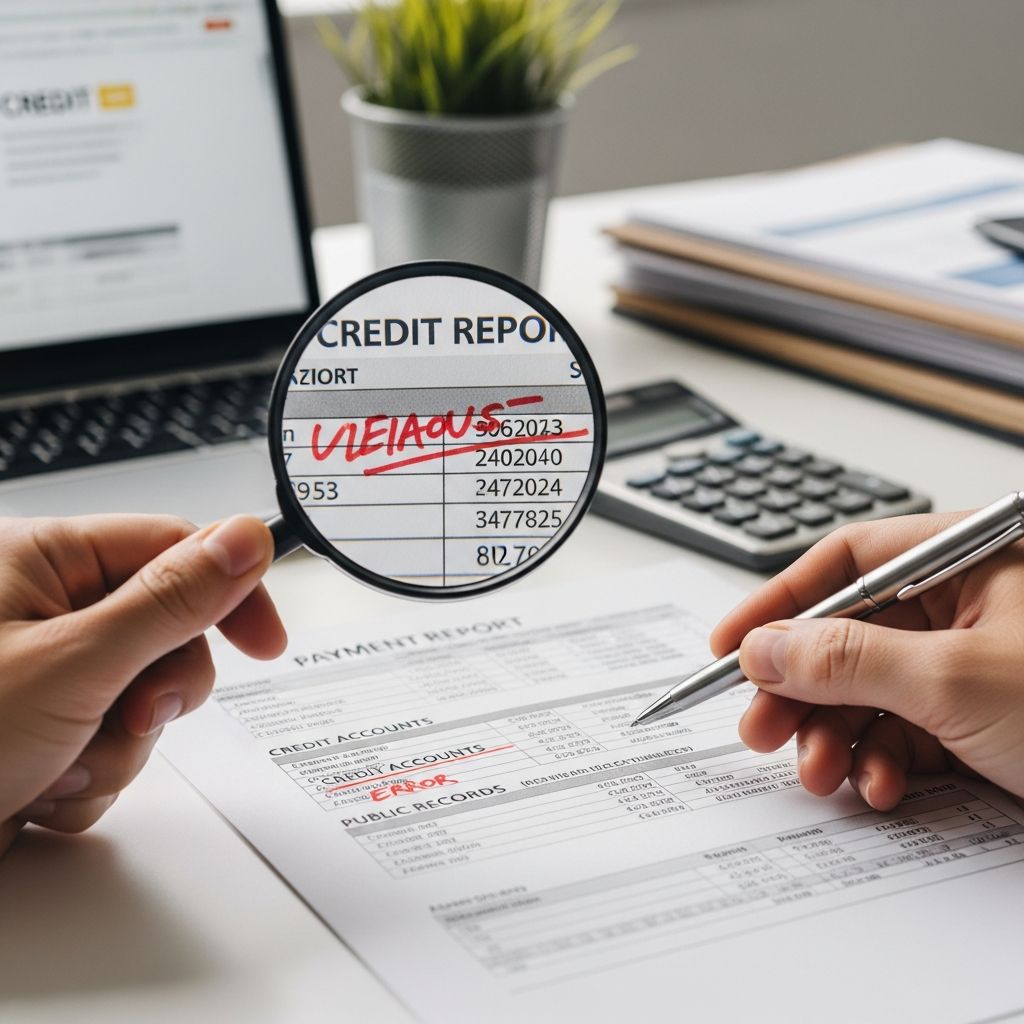
Your credit report is a cornerstone of your financial life, influencing everything from loan approvals to rental applications. Errors on this document can unfairly damage your credit score and opportunities. Fortunately, federal laws like the Fair Credit Reporting Act (FCRA) empower you to challenge inaccuracies directly. This guide provides a complete roadmap to spotting issues, launching disputes, and securing corrections, drawing from authoritative consumer protection resources.
Understanding Credit Reports and Common Mistakes
Credit reports, compiled by agencies such as Experian, Equifax, and TransUnion, aggregate data from lenders, collections agencies, and public records. They detail your payment history, credit utilization, account ages, and inquiries. Inaccuracies arise from data entry errors, identity mix-ups, or outdated information.
Common errors include:
- Incorrect personal details like name, address, or Social Security number.
- Accounts that don’t belong to you, often due to identity theft.
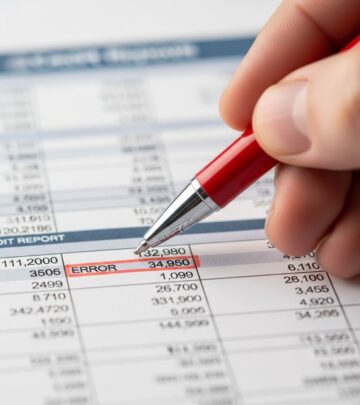
- Wrong balances or payment statuses on legitimate accounts.
- Outdated negative items, such as collections over seven years old.
- Duplicate listings of the same debt.
Review your reports annually for free at AnnualCreditReport.com to catch these early. Regular checks prevent small mistakes from escalating into major financial hurdles.
Step-by-Step Process to Launch a Dispute
Disputing errors follows a structured approach mandated by the FCRA. Bureaus must investigate within 30 days, and furnishers (like banks) must verify data. Here’s how to proceed systematically.
Step 1: Obtain and Scrutinize Your Reports
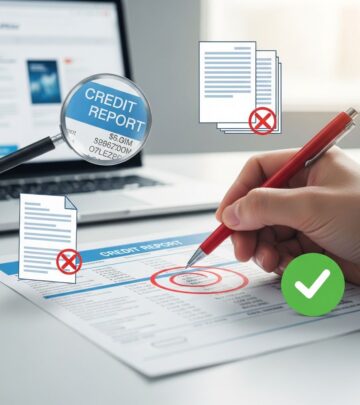
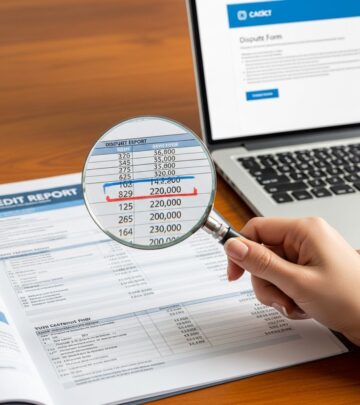
Start by pulling free weekly reports from AnnualCreditReport.com, the sole federally authorized site. Examine every section: personal info, accounts, inquiries, and public records. Highlight suspicious items with notes on why they seem wrong.
Step 2: Compile Robust Evidence
Strong disputes rely on proof. Gather:
- Copies of your credit report with errors marked.
- Bank statements, payment receipts, or closure letters.
- ID documents like a driver’s license or utility bills for identity verification.
- Court documents, such as divorce decrees affecting joint accounts.
Never send originals; photocopies suffice. Organize everything chronologically for clarity.
Step 3: Draft a Clear Dispute Letter
Write a concise letter to each bureau showing the error. Include:
- Your full contact info and account numbers.
- Specific error descriptions with explanations.
- Supporting documents.
- A demand for investigation, correction, or deletion.
The Consumer Financial Protection Bureau (CFPB) offers sample letters. For identity theft, request a fraud block.
Step 4: Submit to Credit Bureaus
Options include online portals, mail, or phone, but mail certified with return receipt provides the best proof. Addresses are on reports or bureau sites. Dispute with all three major bureaus if errors appear across them.
| Bureau | Online Dispute | Mailing Address Example |
|---|---|---|
| Experian | Dispute Center login required | P.O. Box 4500, Allen, TX 75013 |
| Equifax | Online form available | P.O. Box 740256, Atlanta, GA 30374 |
| TransUnion | Digital submission | P.O. Box 2000, Chester, PA 19016 |
Step 5: Notify the Data Furnisher
Simultaneously, send a parallel dispute to the creditor or furnisher. Use their dispute address from the report. This dual approach pressures both parties to reconcile records.
What Happens During the Investigation
Once submitted, bureaus forward your dispute and evidence to the furnisher. They have 30 days (extendable to 45 for mailed disputes) to investigate. Bureaus must:
- Review your submission.
- Notify furnishers.
- Update or delete unverified info.
- Send results within five days of completion.
If deemed frivolous, they explain why in writing. Expect a revised report and score update if changes occur.
Handling Unresolved or Rejected Disputes
Not all disputes succeed initially. If rejected:
- Request a ‘statement of dispute’ be added to your report, visible to future lenders.
- Gather more evidence and refile with new details.
- Contact the furnisher directly for their records.
- File a complaint with the CFPB at consumerfinance.gov/complaint.
For persistent issues, consider legal aid. The FCRA allows lawsuits for willful noncompliance, potentially yielding damages.
Special Cases: Identity Theft and Fraud
Fraud alerts and credit freezes are vital. Place a free 1-year fraud alert via one bureau (shared with others). For freezes, contact each separately—they’re free and block new accounts. Submit an identity theft report to FTC.gov and police for extended protection.
Preventing Future Errors
Proactive habits minimize risks:
- Monitor reports quarterly.
- Use credit monitoring services.
- Shred sensitive documents.
- Update furnishers promptly on changes.
Accurate reports lead to better rates and approvals.
Frequently Asked Questions (FAQs)
How long does a credit dispute take?
Up to 30 days, sometimes 45.
Can I dispute online?
Yes, but mail offers better documentation control.
What if the error is on all three reports?
Dispute each separately.
Do disputes affect my score?
Usually not during investigation.
Is professional help necessary?
Often not, but useful for complex cases.
References
- How to Dispute Credit Report Errors: A 5-Step Guide — Consumer Protection. Accessed 2026. https://consumerprotection.net/how-to-dispute-credit-report-errors/
- Filing a dispute – Annual Credit Report.com — AnnualCreditReport.com. Accessed 2026. https://www.annualcreditreport.com/filingADispute.action
- How to Dispute Credit Report Information – Experian — Experian. Accessed 2026. https://www.experian.com/blogs/ask-experian/credit-education/faqs/how-to-dispute-credit-report-information/
- Disputing Errors on Your Credit Reports — Consumer.ftc.gov. 2023-10-01. https://consumer.ftc.gov/articles/disputing-errors-your-credit-reports
- How do I dispute an error on my credit report? — Consumer Financial Protection Bureau. Accessed 2026. https://www.consumerfinance.gov/ask-cfpb/how-do-i-dispute-an-error-on-my-credit-report-en-314/
- Disputing Errors on Your Credit Reports (PDF) — Consumer Financial Protection Bureau. 2021-08. https://files.consumerfinance.gov/f/documents/cfpb_dispute-errors-credit-reports_handout_2021-08.pdf
- Dispute errors on your credit report — USAGov. Accessed 2026. https://www.usa.gov/credit-report-errors
Similar Articles








Read full bio of medha deb