Fixed vs Variable Student Loan Rates
Discover the key differences between fixed and variable student loan interest rates to make an informed borrowing decision for your education.
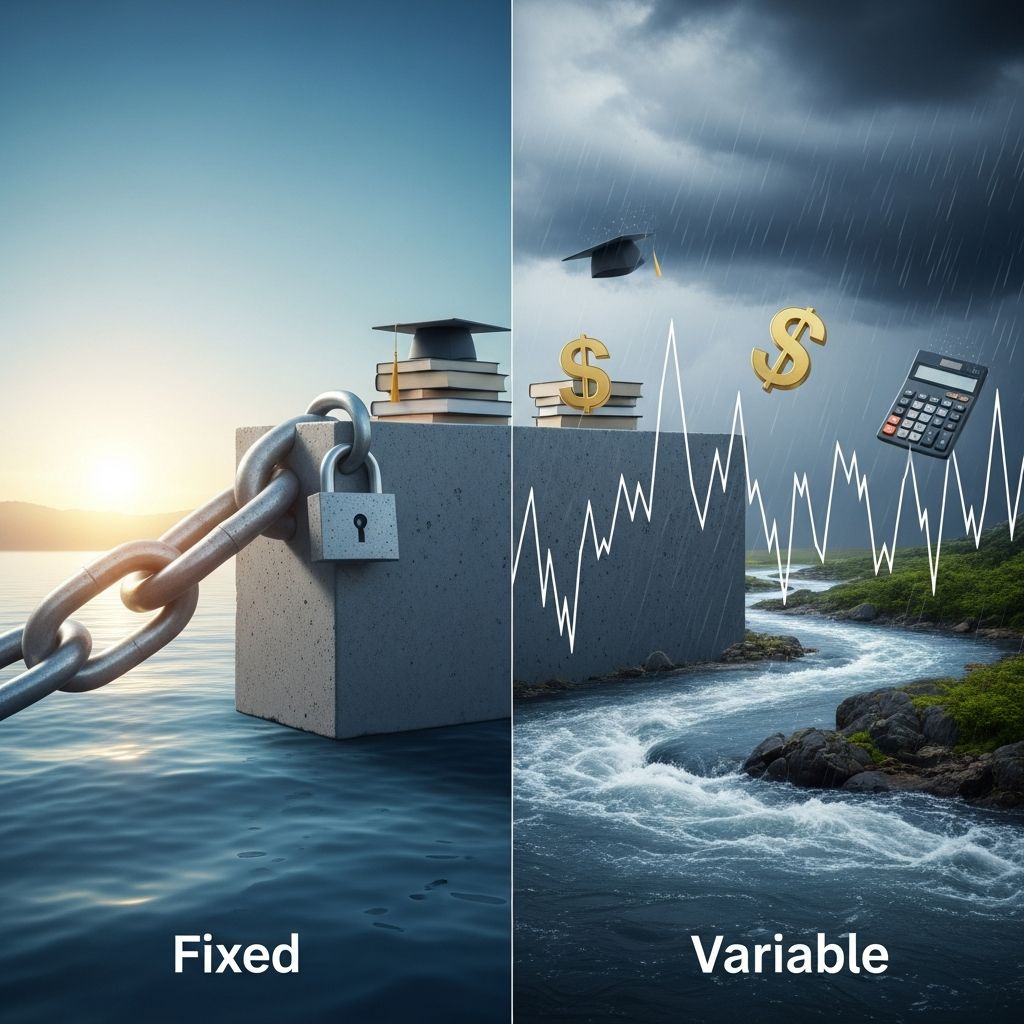
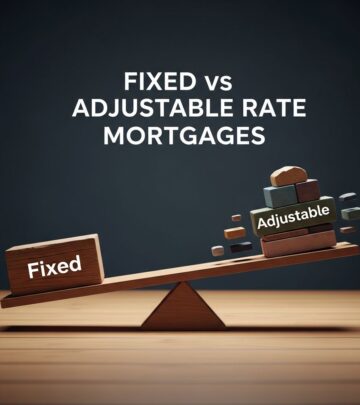
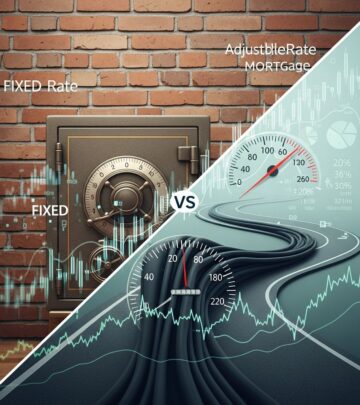
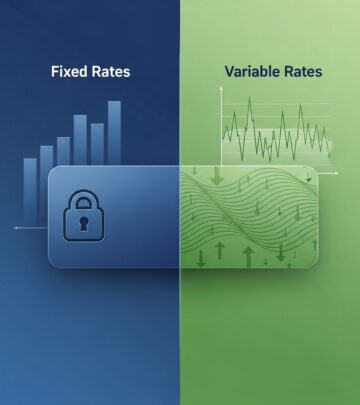
Choosing between fixed and variable interest rates for student loans can significantly affect your long-term financial health. Fixed rates offer unchanging payments, providing peace of mind, while variable rates start lower but carry the risk of increases tied to market shifts. This guide breaks down everything you need to know to select the right option based on your circumstances.
Understanding Interest Rate Basics in Student Lending
Interest rates determine how much extra you pay beyond the principal borrowed. In student loans, these rates come in two main forms: fixed, which remain constant throughout the loan term, and variable, which adjust periodically based on economic benchmarks.
Federal student loans exclusively feature fixed rates, set annually by Congress and applied to new loans within specific academic years. Private lenders, however, provide flexibility with both types, often tailoring offers based on your credit profile and market conditions.
How Fixed Interest Rates Operate
With a fixed-rate student loan, the interest percentage stays the same from disbursement to full repayment. This stability translates to consistent monthly payments, assuming a standard amortization schedule. Borrowers can reliably forecast their budget, unaffected by broader economic changes.
Federal loans exemplify this model, typically offering competitive rates plus benefits like income-driven repayment and potential forgiveness programs. Private fixed-rate loans mirror this predictability but may carry higher initial rates to offset lender risk.
Advantages of Fixed Rates
- Budgeting Ease: unchanging payments simplify financial planning, ideal for those with tight incomes post-graduation.
- Protection from Hikes: immune to Federal Reserve rate increases or market volatility.
- Long-Term Certainty: total interest costs are known upfront, aiding debt management strategies.
Drawbacks of Fixed Rates
- Higher Starting Point: often begin above variable rates, increasing early costs.
- Missed Savings Opportunities: no benefit if market rates decline significantly.
Mechanics of Variable Interest Rates
Variable rates fluctuate according to an index like the Secured Overnight Financing Rate (SOFR) or Prime Rate, plus a fixed margin set by the lender. Adjustments occur monthly, quarterly, or annually, directly impacting your payment amount.
These loans often launch with lower rates than fixed counterparts, attracting cost-conscious borrowers. However, lenders impose lifetime and periodic caps to limit extreme rises—for instance, a cap might restrict increases to 2% per year or 8% overall.
Benefits of Variable Rates
- Lower Initial Payments: reduced early interest eases cash flow during studies or entry-level jobs.
- Potential for Decreases: falling indexes can lower your rate, cutting total costs without refinancing.
- Short-Term Appeal: suits quick payoff plans where exposure to changes is minimal.
Potential Downsides of Variable Rates
- Payment Uncertainty: rises can strain budgets, especially during economic upswings.
- Rate Caps Limitations: while protective, caps may not prevent substantial increases over time.
- Historical Trends: recent Federal Reserve hikes have pushed many variable rates upward.
Comparative Analysis: Fixed vs Variable at a Glance
| Feature | Fixed Rate | Variable Rate |
|---|---|---|
| Rate Stability | Constant throughout term | Adjusts periodically |
| Initial Rate | Typically higher | Usually lower |
| Payment Predictability | Fixed amounts | Can fluctuate |
| Risk Level | Low | Higher, with caps |
| Best For | Long-term borrowers | Short-term payers |
This table highlights core differences, showing fixed rates prioritize security while variable ones gamble on market favorability.
Factors Influencing Your Decision
Several personal and economic elements should guide your choice. Risk tolerance tops the list: conservative planners favor fixed rates for their reliability.
Loan duration matters greatly. Short terms (under 5 years) minimize variable rate exposure, making them viable. Longer horizons amplify risks, often favoring fixed options.
Current economic climate plays a role. In rising rate environments, like post-2022 Fed hikes, locking in fixed protects against escalation. Anticipated drops might justify variable bets.
Creditworthiness affects available rates. Strong profiles unlock better private offers, potentially swaying toward variable for initial savings. Finally, federal vs private context: start with federal fixed for perks, refinance privately if advantageous.
Real-World Payment Scenarios
Consider a $30,000 loan over 10 years. At 6% fixed, monthly payments hit about $333, totaling $9,960 in interest. A 4.5% starting variable rate might drop payments to $315 initially but rise to 8% mid-term, pushing averages higher and totals unpredictable.
Tools like loan calculators reveal these dynamics, emphasizing planning’s importance. Short-term example: same loan over 3 years at variable 4% could save hundreds if stable, but a spike erases gains.
Strategic Tips for Loan Management
Maximize either choice with proactive steps. Prioritize extra principal payments to shrink balance faster, amplifying fixed predictability or mitigating variable risks.
Monitor indexes like SOFR via Federal Reserve sites. If variable rates climb, refinance to fixed promptly, leveraging improved credit post-graduation.
Explore federal options first for fixed rates and protections. Private variable suits only calculated risks, like aggressive repayment plans.
Frequently Asked Questions
Are federal student loans fixed or variable?
All federal undergraduate and graduate loans carry fixed rates, set yearly by law.
Can I switch from variable to fixed?
Yes, refinancing with a new lender converts variable to fixed, often at better terms with established credit.
What indexes drive variable rates?
Common ones include SOFR, Prime Rate, or LIBOR successors, plus lender margins.
Is variable better in low-rate times?
Potentially, if you expect stability or drops, but historical rises caution against over-reliance.
How do caps work on variable loans?
Lifetime (e.g., +8%) and periodic (e.g., +2%/year) limits prevent runaway costs.
Navigating Rate Environments in 2026
As of 2026, persistent inflation and policy shifts continue influencing rates. Federal funds rates remain elevated, pressuring variable benchmarks upward. Borrowers should prioritize fixed for new debt, reserving variable for short horizons or hedging with extra payments.
Stay informed via official sources like the U.S. Department of Education for federal updates and lender disclosures for private terms.
References
- Variable vs. Fixed Student Loan Interest Rates – ELFI — Education Loan Finance. 2024. https://www.elfi.com/fixed-variable-student-loan-rates-comparison/
- Fixed or Variable Interest Rate Student Loan: Which One Should You Choose? — MPOWER Financing. 2024. https://www.mpowerfinancing.com/blog/fixed-or-variable-interest-rate-student-loan-which-one-should-you-choose
- Fixed or Variable Interest Rate: Which Is Better? — Iowa Student Loan. 2024. https://www.iowastudentloan.org/articles/college/fixed-or-variable-interest-rate.aspx
- Fixed or Variable Student Loan Rate: Which Is Better? — Experian. 2024. https://www.experian.com/blogs/ask-experian/variable-vs-fixed-rate-student-loans/
- Fixed vs. Variable Interest Rates — South Carolina Student Loan. 2024. https://www.scstudentloan.org/college-planning-center/resources/fixed-vs-variable-interest-rates
- Fixed vs Variable Interest Rates: Which Option Is Right for You? — Sallie Mae. 2024. https://www.salliemae.com/blog/fixed-vs-variable-interest-rates/
- Fixed vs. Variable Student Loan Rates: Which Is Best? — Bankrate. 2024. https://www.bankrate.com/loans/student-loans/fixed-variable-student-loan/
Similar Articles








Read full bio of medha deb