Fixed vs Variable Expenses: Key Differences
Master your budget by understanding fixed and variable expenses and how they impact your finances.
What’s the Difference Between Fixed and Variable Expenses?
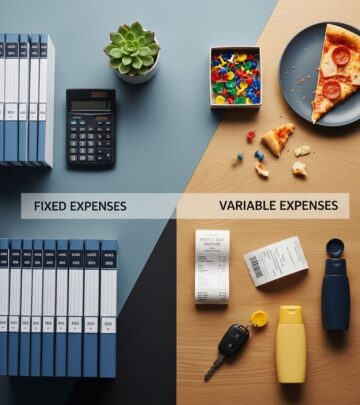
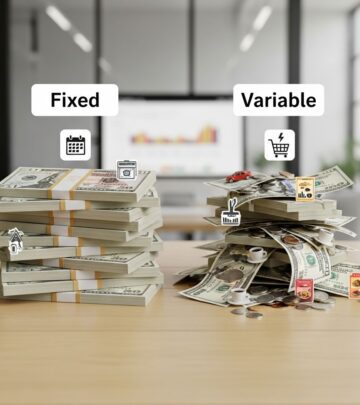
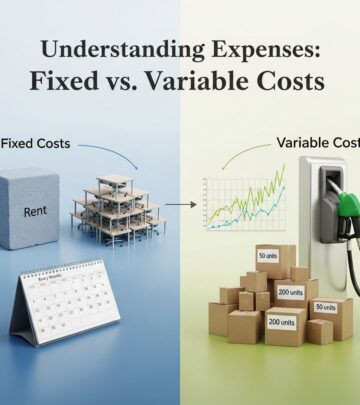
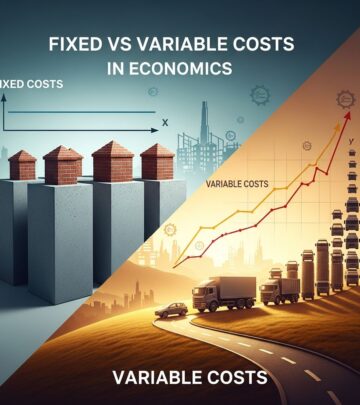
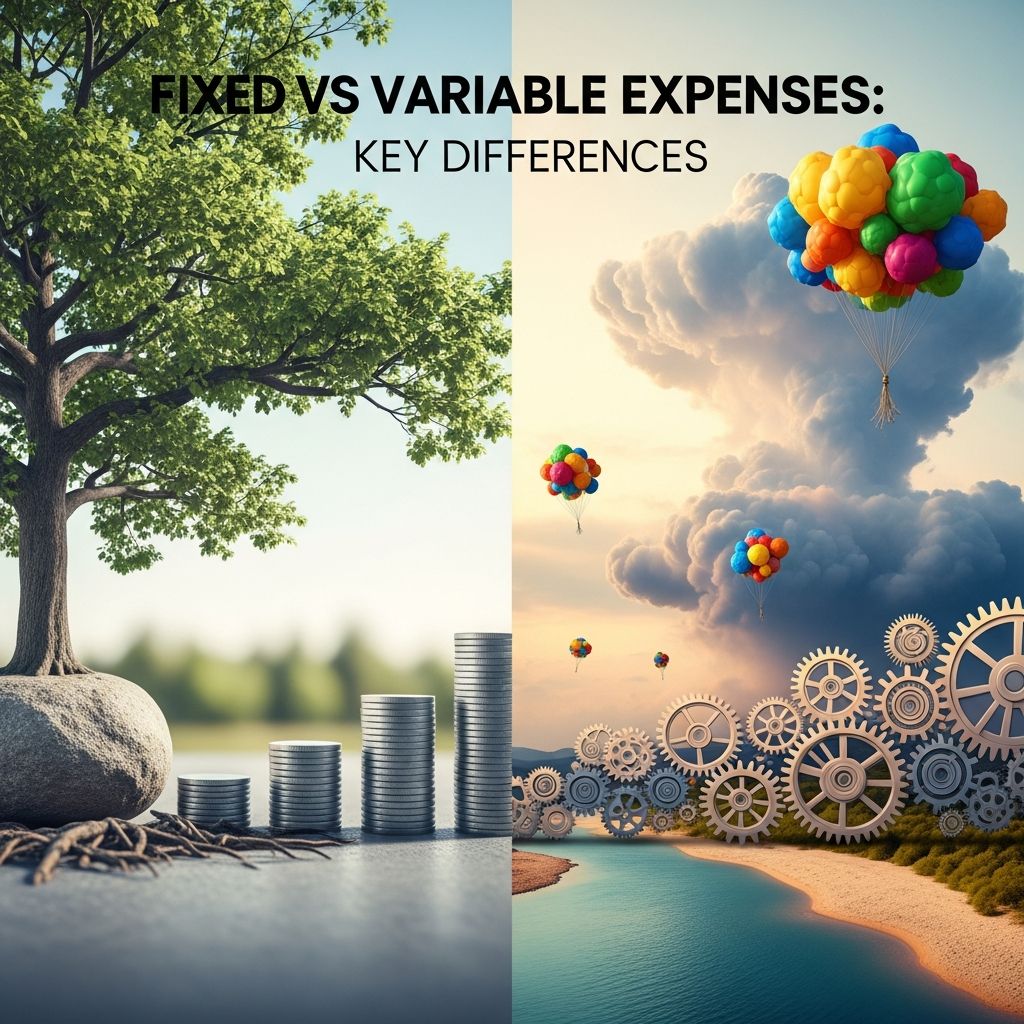
Managing your finances effectively starts with understanding the two fundamental categories of expenses: fixed and variable. These terms describe how your costs behave and change over time. Fixed expenses remain constant month after month, while variable expenses fluctuate based on your lifestyle, consumption, and circumstances. Knowing the distinction between these two types helps you create a more accurate budget, anticipate your financial obligations, and make informed decisions about spending and savings.
Whether you’re managing a household budget or overseeing business finances, recognizing which expenses fall into each category is crucial for maintaining financial stability and planning for the future. This understanding allows you to allocate resources more strategically and identify areas where you can cut costs or optimize spending.
Understanding Fixed Expenses
Fixed expenses are costs that remain constant within your budget, occurring at regular intervals such as monthly, quarterly, or annually. These are predictable obligations that you can rely on staying the same amount, making them easier to plan for. Fixed expenses are often contractual in nature, meaning you’ve committed to paying a set amount for a specific service or obligation.
The predictable nature of fixed expenses provides stability and a reliable foundation for your budget. Because they don’t fluctuate frequently, you can allocate money with confidence, knowing exactly what you’ll need to pay each billing period. However, this stability comes with limited flexibility—changing or eliminating fixed expenses often requires significant lifestyle adjustments or contract renegotiations.
Common Examples of Fixed Expenses
Fixed expenses are present in most budgets and include:
- Rent or mortgage payments
- Car payments or vehicle leases
- Insurance premiums (health, auto, home, or life insurance)
- Property taxes
- Phone and internet bills
- Loan payments (student loans, personal loans, or other debt)
- Subscription services (streaming platforms, gym memberships)
- Childcare or tuition costs
- Utilities with stable rates
These expenses form the backbone of your monthly budget and represent obligations you must meet regardless of your income or personal circumstances. Understanding the total of your fixed expenses helps you determine the minimum income needed to maintain your current lifestyle.
Understanding Variable Expenses
Variable expenses are costs that change from month to month based on usage, lifestyle choices, economic conditions, and unexpected events. These expenses are less predictable than fixed costs, making them more challenging to budget for accurately. Variable expenses can increase or decrease significantly depending on factors beyond your control or based on discretionary choices you make.
While some variable expenses are essential to maintaining your standard of living, such as groceries and utilities, others are discretionary, such as dining out and entertainment. Understanding which variable expenses are necessary versus optional empowers you to make smarter financial decisions and identify opportunities to reduce spending when needed.
Common Examples of Variable Expenses
Variable expenses typically include:
- Groceries and food purchases
- Dining out and takeout
- Gasoline and transportation costs
- Utilities with fluctuating usage (electricity, water, gas)
- Clothing and personal care items
- Entertainment and recreation
- Home and car maintenance or repairs
- Medical bills and healthcare expenses
- Travel and vacation costs
These expenses require more active management because they can vary significantly based on your choices and circumstances. Tracking variable expenses helps you identify spending patterns and discover areas where you might reduce costs without sacrificing essential needs.
Key Differences: Fixed Versus Variable Expenses
| Aspect | Fixed Expenses | Variable Expenses |
|---|---|---|
| Predictability | Highly predictable and consistent | Less predictable and fluctuating |
| Frequency | Occur regularly at set intervals | Occur based on usage or circumstances |
| Amount | Same dollar amount each period | Dollar amount changes month to month |
| Flexibility | Limited flexibility; difficult to change quickly | Greater flexibility; easier to adjust |
| Budgeting | Easier to budget because amounts are known | Requires estimation and tracking |
| Control | Limited control over amounts | More control through personal choices |
| Examples | Rent, insurance, car payments, subscriptions | Groceries, gas, entertainment, repairs |
How Each Type Affects Your Budget
Fixed and variable expenses impact your budget in distinctly different ways. Understanding these impacts helps you create a more realistic and sustainable financial plan.
Impact of Fixed Expenses
Fixed expenses provide a stable, predictable baseline for your budget. They create a foundation of obligations that your income must cover before you can address other financial needs. This stability makes it easier to plan ahead and ensure you can meet all your essential commitments. However, the inflexibility of fixed expenses means that if your income decreases, you cannot quickly reduce these costs, potentially creating financial stress.
Fixed expenses often include both needs and wants. Many fixed costs, such as rent and insurance, are necessities. However, others, like subscription services or premium gym memberships, may be discretionary. Regularly reviewing your fixed expenses to identify unnecessary commitments can help you reduce your overall financial obligations.
Impact of Variable Expenses
Variable expenses offer greater flexibility, allowing you to adjust spending based on your financial situation and priorities. During periods of lower income, you can reduce variable expenses by cutting back on dining out, entertainment, or discretionary purchases. This flexibility makes variable expenses valuable for maintaining financial stability during challenging times.
However, the unpredictability of variable expenses makes budgeting more challenging. Utility bills might spike during extreme weather, car repairs can occur unexpectedly, and medical expenses may arise without warning. Accurately estimating variable expenses requires tracking your spending over several months to establish realistic averages and account for seasonal variations.
Budgeting Strategies for Fixed and Variable Expenses
Creating an effective budget requires specific strategies for managing both types of expenses. Here are practical approaches to help you take control of your finances:
Steps to Budget Effectively
- List all fixed expenses: Write down every fixed expense you pay, including the amount and payment frequency. This creates a clear picture of your baseline financial obligations.
- Calculate total fixed expenses: Add up all your fixed expenses to determine the minimum income required to maintain your current lifestyle.
- Track variable expenses: For at least three months, record all variable expenses to identify patterns and establish realistic averages.
- Categorize variable expenses: Separate essential variable expenses from discretionary ones to understand where you can reduce spending if necessary.
- Set spending limits: Establish monthly budgets for each variable expense category based on your historical average and current income.
- Monitor and adjust: Regularly review your spending against your budget and adjust categories as needed.
Using the 50/30/20 Budget Rule
A popular budgeting framework is the 50/30/20 rule, which allocates your after-tax income as follows: fifty percent toward needs (essential fixed and variable expenses), thirty percent toward wants (discretionary variable expenses), and twenty percent toward savings and debt repayment. This approach helps ensure you’re covering essentials while still enjoying discretionary spending and building financial security.
Stability Versus Flexibility
The contrast between fixed and variable expenses represents a fundamental tension in personal finance: stability versus flexibility.
The Stability of Fixed Expenses
Fixed expenses offer predictability and stability, allowing you to plan with confidence. You know exactly when payments are due and how much they will be. This consistency makes it easier to set aside money and avoid missed payments. However, this stability comes at the cost of flexibility—fixed expenses create contractual obligations that limit your ability to quickly adapt to changing circumstances. If you lose your job or face a financial emergency, you cannot immediately reduce many fixed expenses.
The Flexibility of Variable Expenses
Variable expenses provide adaptability, allowing you to adjust spending based on your financial situation and priorities. During good financial times, you might enjoy more dining out and entertainment. During challenging periods, you can reduce these discretionary expenses to preserve cash. This flexibility makes variable expenses valuable for weathering financial storms, but their unpredictability requires more active management and vigilance to avoid overspending.
Practical Example: Analyzing Your Expenses
Consider a real-world example of how fixed and variable expenses work together in a budget. A small business or household might have the following expense breakdown:
- Fixed expenses: Twenty thousand dollars monthly for rent, salaries or mortgage, insurance premiums, and loan payments
- Variable expenses: Between eight thousand and fifteen thousand dollars monthly for raw materials or groceries, utility bills, and shipping or transportation costs
- Total monthly income: Fifty thousand to sixty thousand dollars
In this scenario, the fixed expenses of twenty thousand dollars represent the baseline that must be covered. Variable expenses range from eight thousand to fifteen thousand dollars, creating a total monthly obligation between twenty-eight thousand and thirty-five thousand dollars. This leaves fifteen thousand to thirty-two thousand dollars for additional investments, savings, or additional spending, depending on actual variable expenses incurred that month.
Controlling Variable Expenses
While variable expenses are less predictable than fixed expenses, many can be controlled through conscious choices and strategic planning. Some variable expenses offer more control than others. When purchasing clothing, for example, you can choose to buy cheaper items, shop secondhand, or wait for sales to save money. Similarly, dining out is discretionary—you can reduce this expense by cooking at home more frequently.
However, not all variable expenses can be easily controlled. Emergency medical expenses, unexpected home repairs, and other unforeseen costs arise regardless of your preferences. Building an emergency fund is crucial for managing these unavoidable variable expenses without disrupting your overall budget.
Finding Patterns and Opportunities for Savings
Effective expense management requires identifying patterns in your spending and recognizing opportunities for cost reduction. Review your historical expenses to identify areas where overspending happens most often and where savings may be possible.
Look for seasonal patterns in variable expenses. For example, utility bills typically increase during extreme weather months. Entertainment and dining expenses might spike around holidays. Recognizing these patterns helps you budget more accurately and avoid being caught off guard by predictable fluctuations.
Additionally, examine your fixed expenses regularly for opportunities to reduce costs. Can you refinance a loan at a lower rate? Can you switch insurance providers for better rates? Can you eliminate subscriptions you no longer use? Even small reductions in fixed expenses accumulate to significant savings over time.
Frequently Asked Questions
Q: Can an expense be both fixed and variable?
A: Yes, some expenses can have both fixed and variable components. Utilities are a common example—you might pay a fixed monthly service fee plus a variable amount based on usage. Phone bills might include a fixed plan cost plus variable charges for overages or additional services.
Q: What happens if my fixed expenses exceed my income?
A: If fixed expenses exceed your income, you need to make significant changes. This might include finding lower-cost housing, refinancing debt, renegotiating insurance rates, or seeking ways to increase income. In extreme situations, you may need to consider major lifestyle changes or seek professional financial advice.
Q: How can I reduce my fixed expenses?
A: Reducing fixed expenses often requires effort and negotiation. You can shop for better insurance rates, refinance loans, downsize housing, eliminate unnecessary subscriptions, or renegotiate service contracts. While these changes take time and effort, they can result in substantial long-term savings.
Q: Why is tracking variable expenses important?
A: Tracking variable expenses helps you understand your spending patterns, identify areas for potential savings, and create more accurate budgets. Without tracking, variable expenses often exceed expectations, undermining your overall financial plan.
Q: How should I prepare for unexpected variable expenses?
A: Build an emergency fund covering three to six months of living expenses. This safety net allows you to handle unexpected variable expenses without derailing your budget or accumulating debt. Additionally, set aside funds monthly for anticipated variable expenses like car maintenance and medical costs.
Q: Should I prioritize paying down variable or fixed expenses?
A: Prioritize fixed expenses first, as they are contractual obligations. However, managing variable expenses prevents them from spiraling out of control. Ideally, you should allocate income to cover all fixed expenses, then carefully manage variable expenses to avoid overspending.
References
- Fixed vs. Variable Expenses: Differences & Examples — Ramp. 2025. https://ramp.com/blog/fixed-expenses-vs-variable-expenses
- Variable Expenses vs. Fixed Expenses: Examples and How to Budget — NerdWallet. 2025. https://www.nerdwallet.com/finance/learn/what-are-variable-expenses
- Fixed Expenses Vs. Variable Expenses: What’s the Difference? — Bankrate. 2025. https://www.bankrate.com/personal-finance/fixed-expenses-vs-variable-expenses/
- Variable and Fixed Expenses: Understanding the Differences — Concur. 2025. https://www.concur.com/blog/article/variable-and-fixed-expenses-understanding-differences
- Fixed vs. Variable Costs: Key Differences & Examples — MetLife. 2025. https://www.metlife.com/stories/personal-finance/fixed-vs-variable-costs/
- Fixed vs. Variable Expenses — PNC Insights. 2025. https://www.pnc.com/insights/personal-finance/spend/fixed-vs-variable-expenses.html
- Budgeting 101: Comparing Fixed and Variable Costs — Wellby Financial. 2025. https://www.wellbyfinancial.com/blog/comparing-fixed-variable-costs/
Similar Articles








Read full bio of Sneha Tete