Fixed vs Variable APR: Key Differences
Discover how fixed and variable APRs impact your loans and credit cards, with pros, cons, and strategies to choose wisely.
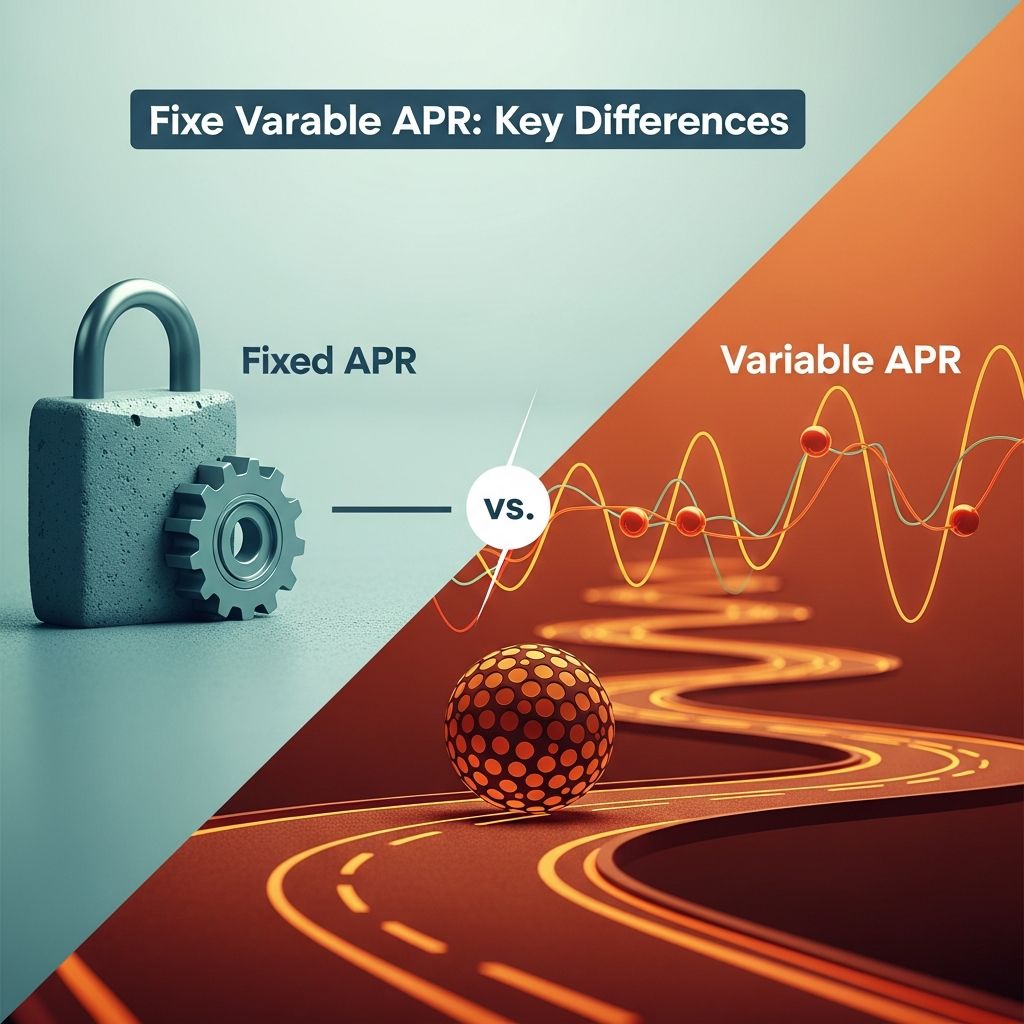
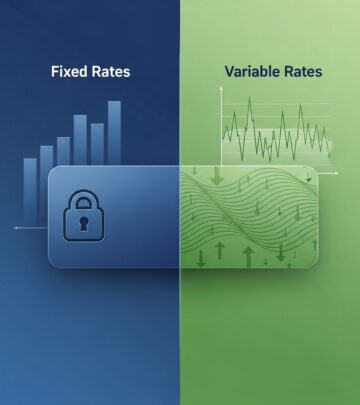
Annual Percentage Rate (APR) represents the yearly cost of borrowing, encompassing interest and certain fees. Fixed APR maintains a consistent rate throughout the loan or credit term, providing payment predictability. Variable APR, however, adjusts periodically based on market benchmarks like the prime rate, introducing potential fluctuations in costs.
Understanding Fixed APR in Depth
A
fixed APR
locks in the interest rate from the outset, shielding borrowers from external market shifts. This stability allows for precise budgeting, as monthly payments remain unchanged regardless of economic conditions. Lenders calculate fixed rates considering factors like credit score, loan term, and overall risk profile at approval time.While marketed as unchanging, fixed APRs aren’t entirely immune to adjustments. Issuers can raise rates with 45 days’ advance notice for reasons such as late payments or significant credit score declines. Even then, changes typically apply only to new balances, preserving prior terms for existing debt.
Advantages of Choosing Fixed APR
- Predictable payments: Ideal for fixed-income households planning long-term budgets.
- Protection from rate hikes: No surprises if market rates surge, as seen in past economic upturns.
- Simpler financial planning: Easier to calculate total interest over the loan life.
Potential Drawbacks of Fixed APR
- Higher initial rates: Lenders often charge a premium for the certainty offered.
- Missed savings opportunities: Borrowers don’t benefit if market rates fall.
- Limited flexibility: Refinancing may be needed to capture lower rates elsewhere.
Decoding Variable APR Mechanics
**Variable APR** ties directly to an index, such as the U.S. prime rate—set by banks based on the federal funds rate—plus a fixed margin determined by the lender. This margin accounts for your creditworthiness and product specifics. As the index moves, so does your APR, potentially multiple times yearly depending on the lender’s policy.
Credit card statements and loan agreements disclose the current variable APR, index used, and margin. Changes don’t require notification unless they exceed certain thresholds or stem from account-specific issues like delinquency. This setup passes market risks to borrowers but can yield lower starting rates.
Benefits of Variable APR
- Potentially lower entry rates: Often start below fixed equivalents, reducing early costs.
- Opportunity for decreases: Rate drops translate to immediate savings on interest.
- Market alignment: Reflects real-time economic conditions, beneficial in low-rate environments.
Downsides of Variable APR
- Unpredictable costs: Rising rates can inflate payments unexpectedly.
- Budgeting challenges: Variable payments complicate cash flow management.
- Higher long-term risk: In rising-rate periods, total interest paid may exceed fixed alternatives.
Comparative Analysis: Fixed vs Variable APR
To illustrate differences, consider this table comparing key attributes:
| Feature | Fixed APR | Variable APR |
|---|---|---|
| Rate Stability | Consistent throughout term (with exceptions) | Fluctuates with market indexes |
| Initial Rate | Often higher | Typically lower |
| Notification of Changes | 45 days’ notice required | Not always required |
| Best For | Long-term predictability | Short-term borrowing, falling rates |
| Risk Level | Lower market risk | Higher exposure to rate changes |
This comparison highlights trade-offs: fixed offers security at a potential premium, while variable gambles on market trends for savings.
Common Financial Products Featuring Each APR Type
Fixed APR dominates in products prioritizing stability:
- Traditional mortgages and auto loans: Fixed terms ensure steady housing or vehicle payments.
- Personal loans: Short- to medium-term with locked rates for debt consolidation or emergencies.
- Some credit cards: Rare but available for balance transfers seeking consistency.
Variable APR prevails where flexibility or lower intro rates matter:
- Credit cards: Nearly universal, adjusting with prime rate shifts.
- Home equity lines of credit (HELOCs): Draw-as-needed with variable pricing.
- Private student loans and adjustable-rate mortgages (ARMs): Balance risk and reward.
Factors Influencing Your APR Choice
Selecting between fixed and variable depends on personal circumstances:
- Loan duration: Short terms favor variable for likely stability; long terms suit fixed.
- Risk tolerance: Conservative borrowers prefer fixed; optimists may risk variable.
- Economic outlook: Anticipated rate hikes push toward fixed; expected drops favor variable.
- Financial goals: Debt payoff timelines and budget flexibility guide decisions.
Review your credit report via annualcreditreport.com before applying, as strong scores unlock better rates across both types. Tools like loan calculators help model scenarios under varying rate paths.
Strategies to Manage APR Effectively
Regardless of type, minimize costs through smart practices:
- Pay balances fully: Avoid interest accrual on credit cards.
- Refinance opportunistically: Switch variable to fixed during low-rate windows.
- Monitor statements: Track index changes and negotiate if eligible.
- Build credit: Higher scores pressure lenders for favorable terms.
- Shop competitors: Compare offers from multiple institutions.
Frequently Asked Questions (FAQs)
Can a fixed APR ever increase?
Yes, but only with notice for issues like late payments or credit deterioration, affecting new transactions.
Do variable APRs always rise?
No, they can decrease with falling indexes, though increases are more common in inflationary times.
Which is cheaper overall?
Variable often starts lower but fixed may save more if rates climb; model both for your situation.
Are credit cards mostly variable?
Yes, standard cards use variable APRs tied to prime, unlike some fixed promo offers.
How does prime rate affect my APR?
Variable APR = prime rate + margin; prime tracks Fed policy, influencing most consumer debt.
Navigating Rate Changes in Practice
Historical examples underscore impacts. During 2022-2023 Fed hikes, variable credit card APRs jumped from ~16% to over 20%, ballooning minimum payments. Fixed-rate mortgage holders, conversely, enjoyed locked sub-4% rates amid chaos. Borrowers with HELOCs faced tough choices: pay down draws or refinance to fixed home equity loans.
For credit cards, intro 0% APR periods—often fixed—transition to variable post-promo, catching users off-guard. Always read fine print: “variable APR based on prime rate plus X%.” Personal loans vary: online lenders like SoFi or LendingClub offer both, with fixed suiting most due to term lengths.
Advanced tip: Hybrid products like ARMs start variable (e.g., 5/1 ARM fixed five years, then adjusts) blend benefits. But for simplicity, fixed personal loans edge out variables for non-experts.
Impact on Total Borrowing Costs
Assume a $10,000 personal loan at 10% APR over 36 months:
- Fixed: ~$322/month, total interest $1,920.
- Variable (avg 10%, but rises to 12%): ~$335/month avg, total ~$2,060.
Small shifts compound; a 2% hike on $5,000 credit card balance adds ~$100 yearly interest. Use amortization calculators to project.
Regulatory Protections for Borrowers
CARD Act mandates 45-day notice for credit card rate hikes, 21 days for payment due date changes. Lenders must disclose APRs in ads via Schumer Box. For mortgages, TILA ensures clear variable rate disclosures, including worst-case scenarios. These safeguard against surprises, empowering informed choices.
References
- Fixed APR vs. Variable APR — Experian. 2023-10-15. https://www.experian.com/blogs/ask-experian/fixed-apr-vs-variable-apr/
- Fixed vs. variable interest rates: What’s the difference? — Capital One. 2024-05-20. https://www.capitalone.com/learn-grow/money-management/fixed-vs-variable-apr/
- Fixed vs Variable Credit Card Interest Rates: Key Differences — SoFi. 2024-02-12. https://www.sofi.com/learn/content/fixed-vs-variable-interest-rate-credit-cards/
- What are fixed and variable APR credit cards? — Chase. 2023-11-08. https://www.chase.com/personal/credit-cards/education/build-credit/difference-between-fixed-variable-apr-credit-cards
- Fixed vs. variable interest rates: What’s the difference? — Oportun. 2024-01-30. https://oportun.com/financial-education/fixed-vs-variable-interest-rates-whats-the-difference/
Similar Articles








Read full bio of Sneha Tete