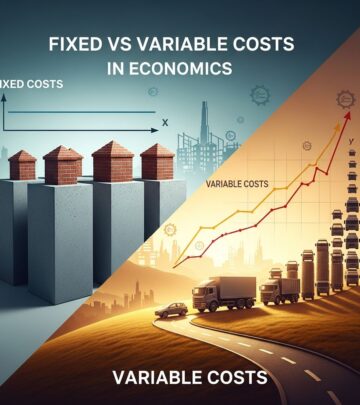
Understanding Expenses: Fixed vs. Variable Costs
Master your finances by distinguishing between predictable and fluctuating costs
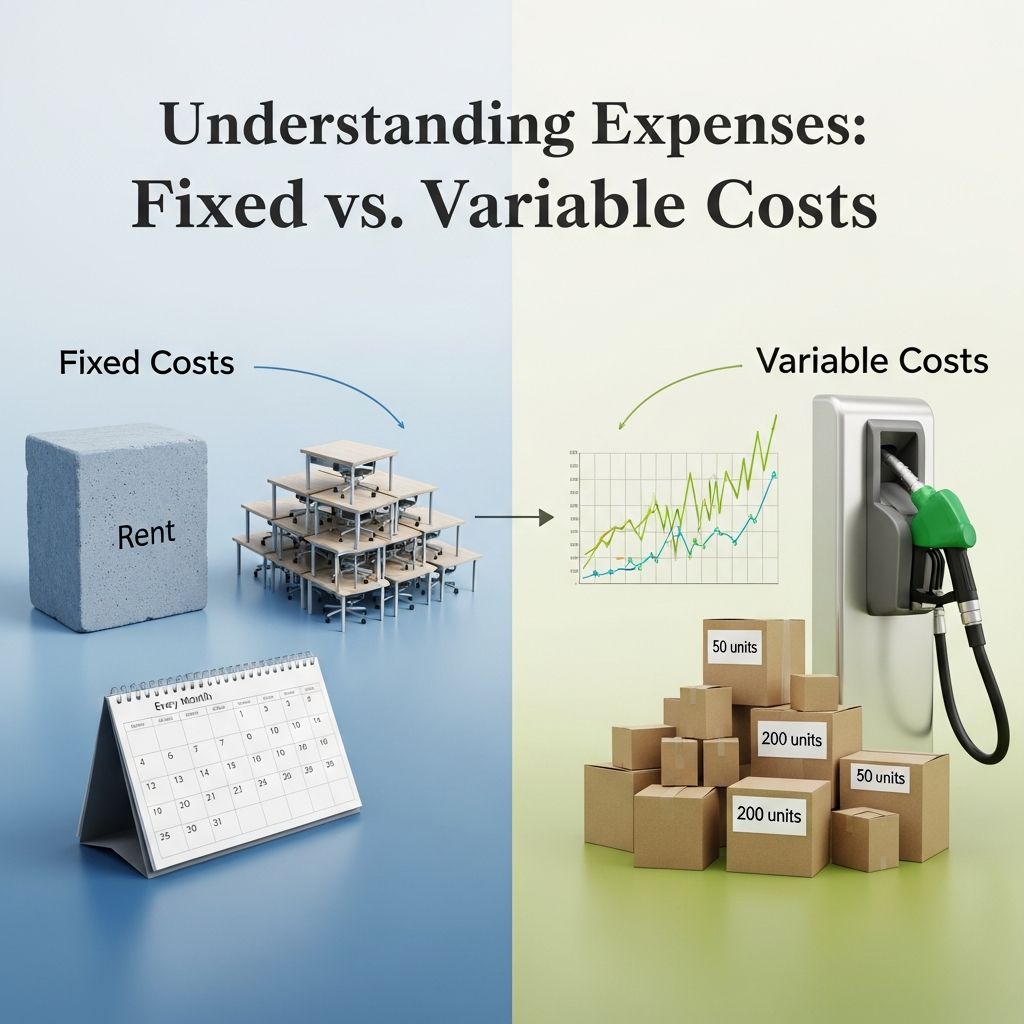
Managing personal finances effectively requires a fundamental understanding of how money flows out of your account each month. The expenses you incur fall into distinct categories, each with different characteristics and implications for your overall financial health. By learning to identify and separate these cost types, you can develop more effective budgeting strategies and maintain better control over your financial future.
The Foundation: What Distinguishes These Two Expense Categories
Every expense in your budget belongs to one of two primary categories based on how predictable and changeable it is. Understanding this distinction is the cornerstone of effective financial planning.
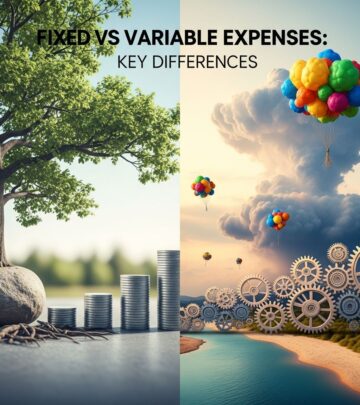
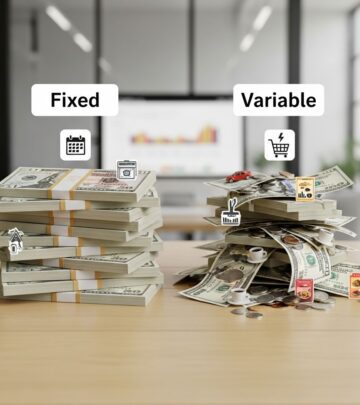
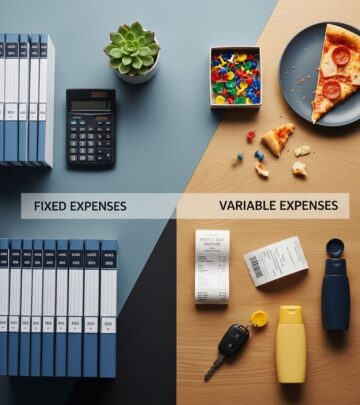
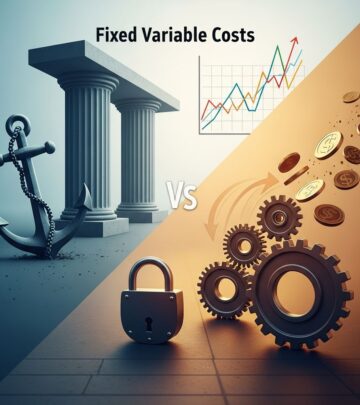
Fixed expenses are costs that remain consistent from month to month, maintaining the same dollar amount regardless of your lifestyle choices or economic conditions. These obligations typically arise from agreements or contracts that lock in a specific payment amount. Because they stay constant, fixed expenses are easier to anticipate and incorporate into your monthly budget planning.
Variable expenses, by contrast, fluctuate throughout the month and year based on your decisions, consumption patterns, and external circumstances[10]. The amounts you spend on these categories shift based on how much you use services, how often you make purchases, or how your needs change seasonally.
Recognizing Fixed Costs in Your Budget
Fixed expenses create a financial baseline that you can depend on. Because these costs remain stable, they provide predictability that simplifies the budgeting process. Identifying all your fixed expenses is an essential first step toward comprehensive financial management.
Common fixed expenses include:
- Rent or mortgage payments—the largest expense for most households
- Car payments and vehicle loans
- Insurance premiums including auto, home, health, and life insurance
- Phone bills and internet service
- Subscription services such as streaming platforms and software
- Child care costs and tuition fees
- Gym memberships and recurring memberships
- Property taxes
- Other loan payments beyond vehicle loans
These expenses share a common characteristic: you know approximately how much you’ll pay each month. This predictability makes them easier to budget for compared to variable expenses. However, fixed expenses can feel inflexible because changing them often requires significant lifestyle adjustments or breaking contractual commitments.
Identifying Variable Expenses in Your Monthly Spending
Variable expenses demand more attention and monitoring because they fluctuate based on your choices and circumstances. While less predictable than fixed costs, variable expenses often offer more control and opportunity for adjustment.
Typical variable expenses include:
- Groceries and food purchases
- Dining out and food delivery services
- Entertainment expenses including movies, concerts, and activities
- Clothing and personal shopping
- Gasoline and transportation costs
- Home and car repairs and maintenance
- Medical bills and healthcare expenses
- Utility bills that vary by season
- Holiday and special occasion spending
- Hobby supplies and personal interests
The key distinction with variable expenses is that you have significant control over many of them. While some—like emergency medical care—are unavoidable, others like entertainment and dining out can be adjusted based on your financial situation.
The Middle Ground: Semi-Fixed Expenses
Some expenses don’t neatly fit into either category. These hybrid costs maintain a baseline fixed component but include variable portions that fluctuate. Understanding semi-fixed expenses improves your budgeting accuracy.
Examples include:
- Utility bills with base charges plus usage fees
- Insurance premiums that adjust based on claims or risk
- Vendor retainers with fixed fees plus project overages
For these expenses, separating the fixed and variable portions helps you forecast more accurately and understand which parts of the cost you can influence.
Building a Comprehensive Expense Comparison
| Characteristic | Fixed Expenses | Variable Expenses |
|---|---|---|
| Consistency | Remain the same each month | Change based on activity and choices |
| Predictability | Highly predictable month to month | Less predictable, require monitoring |
| Budgeting Ease | Easy to include in budgets | Requires closer tracking and forecasting |
| Cost Control | Difficult to adjust quickly | Can be reduced by scaling back activity |
| Flexibility | Limited, often contractually bound | More flexible and adjustable |
| Payment Schedule | Set schedule (monthly, quarterly, annual) | Incurred as activity occurs |
| Volume Impact | Stay the same regardless of activity level | Increase or decrease with output |
Why This Distinction Matters for Your Budget
Understanding the difference between these expense types offers several practical advantages for your financial management.
Better spending control: When economic conditions tighten or your income decreases, knowing which expenses you can adjust provides immediate relief options. Variable expenses typically decrease naturally as activity slows, while fixed expenses require deliberate action like renegotiating contracts.
Improved financial forecasting: By separating these cost categories, you can calculate your break-even point—the minimum income needed to cover all expenses. This knowledge guides decisions about pricing, savings targets, and financial growth.
Enhanced financial flexibility: Understanding how your variable expenses scale with activity helps you assess how quickly you can adapt to changing circumstances. During periods of reduced income, high variable expenses provide more room for adjustment than high fixed expenses.
Greater operational efficiency: Analyzing these expenses reveals spending patterns and opportunities for improvement. You might identify energy-saving opportunities in utilities or opportunities to renegotiate fixed-cost contracts.
Applying the 50/30/20 Rule to Your Expense Categories
A popular budgeting framework called the 50/30/20 rule provides guidance for allocating your income across expense types. While originally designed for personal budgets, this approach helps clarify expense prioritization.
According to this framework:
- 50% of your income should cover basic needs—typically fixed expenses like rent, insurance, and utilities
- 30% should go toward wants—often variable expenses like entertainment and dining out
- 20% should be dedicated to savings and debt reduction
Many fixed expenses fall into the “needs” category since they represent essential costs. However, some variable expenses like groceries and utilities also qualify as needs, while others like entertainment represent wants. This framework helps you evaluate whether your spending aligns with your priorities.
Strategies for Managing Fixed Expenses Effectively
While fixed expenses are difficult to change quickly, you’re not powerless. Strategic approaches can help reduce these costs over time.
Maintain lean fixed expenses: Keeping your fixed-cost baseline as low as possible preserves financial flexibility and reduces the minimum cash reserves you need during slower periods. This might mean choosing a more affordable rental property or declining optional subscription services.
Renegotiate contracts: When renewal dates approach, contact providers to discuss rate reductions or better terms. Insurance companies, service providers, and subscription platforms often offer better rates for loyal customers willing to ask.
Review bundled services: Combining services like phone, internet, and streaming into bundle deals often reduces overall costs compared to individual subscriptions.
Techniques for Controlling Variable Expenses
Variable expenses offer more immediate control opportunities. Because they scale with activity, you can adjust them without breaking contracts.
Set spending limits: Establish personal guidelines or use budgeting tools to cap discretionary spending categories like entertainment and dining out.
Track spending patterns: Monitor fluctuations in categories like groceries, transportation, and utilities to identify overspending trends and opportunities for reduction.
Plan for seasonal variations: Build predictable spikes—like higher winter heating bills or holiday shopping—into your forecasts to avoid financial surprises.
Leverage technology: Use budgeting apps and accounting software to flag when variable costs grow faster than your income, allowing you to make adjustments before problems develop.
Control discretionary spending: Since many variable expenses are discretionary, reducing them often provides the fastest way to protect your financial margins during downturns.
Building Emergency Reserves Based on Fixed Costs
Financial advisors recommend maintaining emergency savings equal to three to six months of expenses. Knowing your total fixed expenses helps determine an appropriate emergency fund target. Since fixed expenses must be covered regardless of income, your emergency fund should prioritize covering these baseline costs first, then variable necessities like food and utilities.
Frequently Asked Questions About Expense Categories
Can expenses move between categories over time?
Yes. An expense classified as variable can become fixed through commitment, and vice versa. For example, a utility bill might shift from variable to partially fixed when you enroll in a budget billing program. This flexibility means you should revisit your expense classifications periodically as circumstances change.
Are all fixed expenses essential?
Not necessarily. While many fixed expenses represent true needs like shelter and insurance, others like subscription services are discretionary. Evaluating which fixed expenses are truly essential versus optional helps identify areas where you might make changes.
Which type of expense is easier to reduce during financial difficulty?
Variable expenses are typically easier to reduce immediately by scaling back consumption or purchases. Fixed expenses require more time to adjust because they often involve contracts or major lifestyle changes.
How should I handle bi-annual or quarterly fixed expenses?
Divide these into monthly amounts for budgeting purposes. For example, if car insurance costs $600 every six months, budget $100 monthly to ensure you have adequate funds when the bill arrives.
Moving Forward with Expense Awareness
Distinguishing between fixed and variable expenses provides the foundation for effective financial management. By identifying these categories in your own budget, you gain clarity about your financial obligations and opportunities for adjustment. This knowledge enables you to make informed decisions about spending, prioritize savings, and build resilience against financial challenges. Start by listing your expenses, categorizing them, and calculating totals for each group. This simple exercise reveals patterns and opportunities for improvement that can meaningfully impact your financial trajectory.
References
- Fixed vs. Variable Expenses: Examples & Key Differences — Ramp. 2024. https://ramp.com/blog/fixed-expenses-vs-variable-expenses
- How Can I Plan for Variable and Fixed Expenses? — NerdWallet. 2024. https://www.nerdwallet.com/finance/learn/what-are-variable-expenses
- Fixed Expenses Vs. Variable Expenses: What’s the Difference? — Bankrate. 2024. https://www.bankrate.com/personal-finance/fixed-expenses-vs-variable-expenses/
- Fixed Expenses vs. Variable Expenses — MetLife. 2024. https://www.metlife.com/stories/personal-finance/fixed-vs-variable-costs/
- Budgeting 101: Comparing Fixed and Variable Costs — Wellby Financial. 2024. https://www.wellbyfinancial.com/blog/comparing-fixed-variable-costs/
- Variable and Fixed Expenses: Understanding the Differences — Concur. 2024. https://www.concur.com/blog/article/variable-and-fixed-expenses-understanding-differences
Similar Articles








Read full bio of Sneha Tete