Fixed Expenses vs. Variable Expenses: What’s the Difference?
Master budgeting by understanding the difference between fixed and variable expenses.
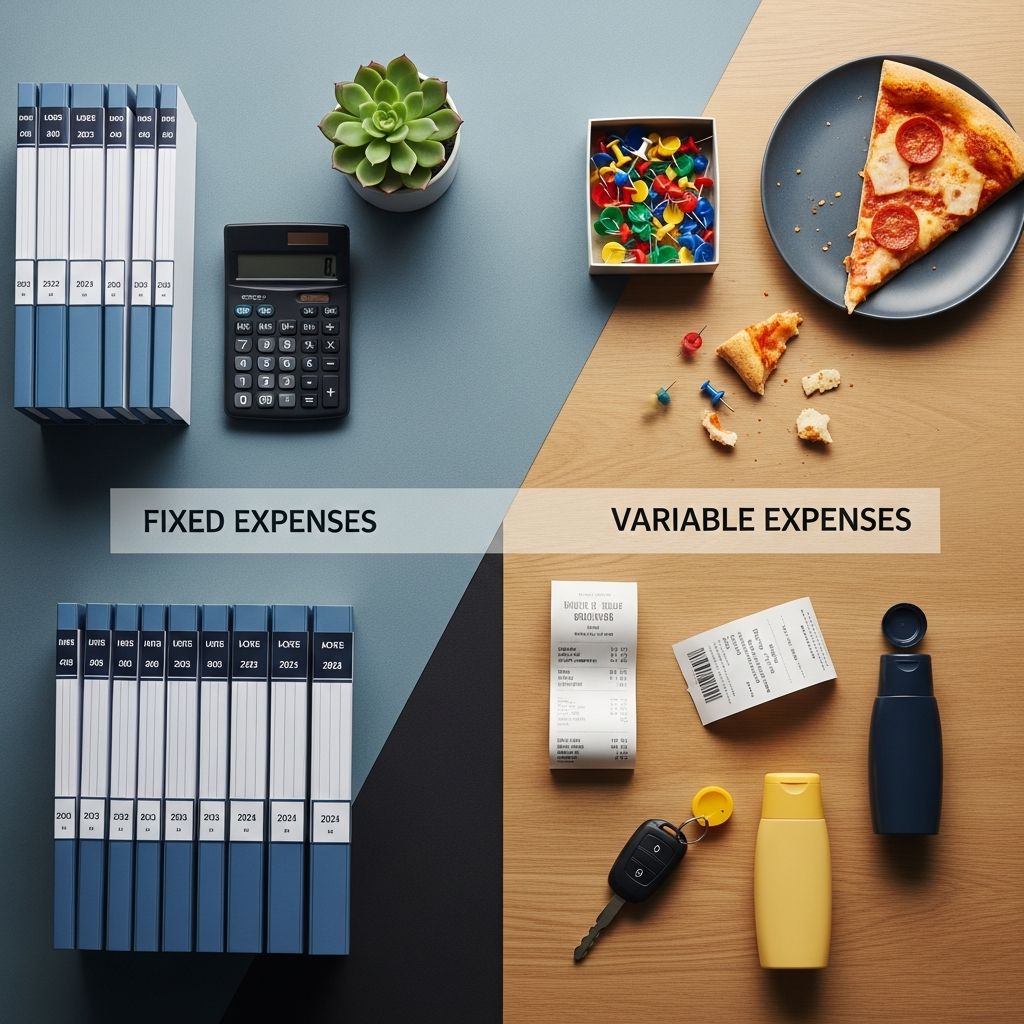
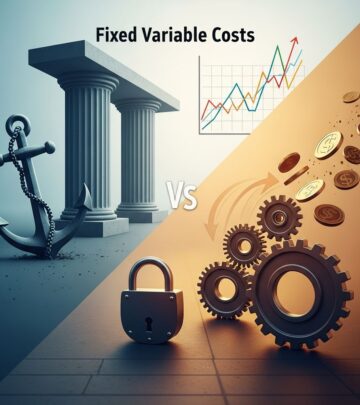
Creating an effective budget requires understanding the fundamental distinction between fixed and variable expenses. Both types of costs play crucial roles in your financial planning, yet they function differently and require different management strategies. Fixed expenses are costs that largely remain constant month after month, such as your monthly rent or mortgage payment. Variable expenses, on the other hand, are costs that may fluctuate or change throughout the year, such as grocery bills, entertainment spending, or car repairs. By learning to identify and categorize your expenses correctly, you can develop a more accurate budget and gain better control over your finances.
What Are Fixed Expenses?
Fixed expenses are costs that remain consistent month after month, regardless of external circumstances or your consumption levels. These expenses are typically predetermined through contracts or agreements and have minimal fluctuation over time. The predictable nature of fixed expenses makes them easier to plan for and anticipate within your budget. While price adjustments may occur during the term of an agreement, you are usually notified in advance, allowing you to adapt your budget accordingly.
Fixed expenses provide a stable baseline for budgeting purposes. You know exactly how much you need to pay each month, which simplifies financial planning and helps prevent unexpected budget shortfalls. However, fixed expenses often lack flexibility due to contractual obligations, meaning you may face challenges in reducing or eliminating these costs without significant effort or legal implications.
Common Examples of Fixed Expenses
Understanding what qualifies as a fixed expense is essential for accurate budgeting. Here are the most common fixed expenses that most households encounter:
- Rent or mortgage payments
- Car payments or vehicle leases
- Other loan payments (student loans, personal loans)
- Insurance premiums (car, homeowners, life insurance)
- Property taxes
- Phone and internet bills
- Cable or streaming service subscriptions
- Child care costs or tuition fees
- Gym memberships or other recurring subscriptions
- Salaried employee wages (from a business perspective)
These expenses are typically outlined in formal agreements or contracts that specify the exact amount due and the payment schedule. Because they are contractually obligated, they must be prioritized in your budget to avoid penalties, credit damage, or service interruptions.
What Are Variable Expenses?
Variable expenses are costs that fluctuate based on your usage, consumption, or the level of activity in your business or household. Unlike fixed expenses, variable costs change from month to month depending on circumstances, decisions, or external factors. The amount you spend on variable expenses can vary significantly, making them less predictable than fixed costs. However, variable expenses often offer greater flexibility, as you have more control over how much you spend in these categories.
Variable expenses require active management in your budget because spending in these areas can range widely. Understanding your typical spending patterns in variable expense categories can help you set realistic budgets and identify areas where you might reduce spending to meet your financial goals.
Common Examples of Variable Expenses
Variable expenses encompass a wide range of costs that change based on your lifestyle and consumption patterns. Common variable expenses include:
- Groceries and dining out
- Clothing and accessories
- Personal care items and services
- Entertainment (movies, concerts, events)
- Gasoline and vehicle fuel
- Home and car repairs
- Medical bills and healthcare expenses
- Utilities (electricity, gas, water)
- Travel and vacation expenses
- Credit card bills without a payment plan
Some variable expenses offer more control than others. For example, when purchasing clothing, you can choose to buy cheaper items, shop secondhand, or wait for sales to save money. However, other variable expenses like emergency medical bills cannot be easily controlled. If you get sick and need urgent medical care, you must pay the necessary costs regardless of your budget constraints.
Fixed vs. Variable Expenses: Key Differences
Understanding the distinct characteristics of fixed and variable expenses is crucial for effective financial management. These two categories differ in several important ways:
| Characteristic | Fixed Expenses | Variable Expenses |
|---|---|---|
| Predictability | Highly predictable and consistent | Unpredictable and fluctuating |
| Monthly Amount | Stays the same each month | Changes month to month |
| Control Level | Limited control; contractually obligated | Greater control; can be adjusted |
| Planning | Easy to budget and plan for | Requires active management and monitoring |
| Flexibility | Inflexible due to contractual terms | More flexible; can be reduced or eliminated |
| Examples | Rent, insurance, loan payments | Groceries, gas, entertainment, repairs |
The key distinction lies in consistency and control. Fixed expenses provide predictability but limited flexibility, while variable expenses offer flexibility but require more active management. Understanding this balance is essential for creating a budget that works for your financial situation.
How to Budget for Fixed and Variable Expenses
Effective budgeting requires accounting for both fixed and variable expenses accurately. Here are strategies for managing each type:
Budgeting for Fixed Expenses
Fixed expenses should form the foundation of your budget. Start by listing all your fixed expenses and their monthly amounts. Since these costs remain constant, you can easily calculate your annual fixed expenses and determine how much of your monthly income must be allocated to these essential obligations. Consider setting up automatic payments for fixed expenses to ensure you never miss a payment and avoid late fees or service interruptions.
For expenses paid on irregular schedules, such as car insurance premiums paid twice yearly, divide the total payment by the number of months between payments to calculate a monthly allocation. For example, if you pay $600 in car insurance twice a year, you would budget $100 per month for this expense, allowing you to accumulate the funds needed when payment is due.
Budgeting for Variable Expenses
Variable expenses require a different approach. Review your spending history for the past three to six months to establish realistic estimates for each variable expense category. Identify your average spending in areas like groceries, utilities, entertainment, and dining out. Use these averages as a baseline for your budget, but build in a buffer for months when spending may be higher.
Track your variable spending throughout the month to ensure you stay within your budgeted amounts. Many people find that monitoring spending closely in variable expense categories makes it easier to identify areas where they can reduce spending if needed. When times are tight financially, variable expenses are often the easiest place to make cuts without affecting essential services.
The 50/30/20 Budgeting Rule
A popular budgeting approach known as the 50/30/20 rule can help you allocate your funds between fixed and variable expenses. This rule suggests allocating 50% of your after-tax income to needs (which typically include most fixed expenses and essential variable expenses), 30% to wants (discretionary variable expenses), and 20% to savings and debt repayment. This framework provides a balanced approach to managing both fixed and variable expenses while maintaining financial health and building savings.
Managing Cash Flow with Fixed and Variable Expenses
There is a direct correlation between fixed and variable expenses and your overall cash flow. Your business or household must have enough cash coming in to pay all operating expenses and maintain stability, while also allowing for future investments or financial goals.
Fixed expenses create a predictable baseline for budgeting. You know the minimum amount you need to earn each month to cover these obligations. This stability helps in financial planning but can present challenges if your income decreases, as you still must meet these contractual obligations.
Variable expenses, while less predictable, offer greater flexibility. When business slows or income decreases, you can adjust variable spending to maintain cash flow. For example, you might delay investments in new equipment, reduce dining out, or postpone vacation plans. This flexibility makes variable expenses valuable in managing short-term cash flow challenges.
Controlling Variable Expenses for Better Financial Health
Since variable expenses typically offer more control than fixed expenses, they are often the best area to focus on when you need to reduce spending or improve your financial situation. Here are strategies for controlling variable expenses:
- Track spending regularly: Monitor your variable spending daily or weekly to stay aware of your consumption patterns and identify areas of excessive spending.
- Set category limits: Establish spending limits for each variable expense category and work to stay within those limits throughout the month.
- Use cash for discretionary spending: Pay for variable expenses like entertainment and dining out with cash to create a tangible limit on spending.
- Look for deals and discounts: Shop sales, use coupons, and compare prices to reduce spending on groceries, clothing, and other variable expenses.
- Reduce energy consumption: Implement energy-saving habits to lower your utility bills, a significant variable expense for many households.
- Plan entertainment: Look for free or low-cost entertainment options instead of regularly purchasing expensive outings.
- Maintain vehicles regularly: Proper maintenance can reduce unexpected car repairs, which are variable expenses that can strain your budget.
Why Both Matter for Your Budget
Both fixed and variable expenses are critical components of your overall financial picture. Fixed expenses represent your essential financial obligations and provide a foundation for budgeting, while variable expenses reflect your lifestyle choices and consumption patterns. By accurately accounting for both types of expenses, you gain a comprehensive understanding of your financial situation and can make informed decisions about your money.
Understanding the difference between fixed and variable expenses also helps you identify opportunities for financial improvement. While fixed expenses are difficult to reduce, variable expenses often present numerous opportunities for saving. Equally important, recognizing your fixed expenses ensures you don’t overspend in variable categories and compromise your ability to meet essential obligations.
Frequently Asked Questions
Q: Can an expense be both fixed and variable?
A: Some expenses can have characteristics of both. For example, utility bills typically have a base fixed charge plus a variable component based on usage. Similarly, phone bills might include a fixed monthly plan charge plus variable overage fees. In these cases, it’s helpful to separate the fixed and variable components for budgeting purposes.
Q: What happens if I can’t afford my fixed expenses?
A: If your income cannot cover fixed expenses, you need to address this urgently. Consider negotiating lower rates with service providers, refinancing loans, finding more affordable housing, or increasing your income through additional work. Prioritize meeting essential fixed expenses to avoid serious consequences like eviction, loan defaults, or service disconnections.
Q: How should I prioritize expenses if my income is reduced?
A: Prioritize fixed expenses first, as these are contractually obligated and missing payments can have serious consequences. After ensuring fixed expenses are covered, focus on essential variable expenses like groceries and utilities. Discretionary variable expenses like entertainment and dining out should be reduced first when facing a budget shortfall.
Q: How often should I review my budget for fixed and variable expenses?
A: Review your budget monthly to track spending against your plan. Conduct a more comprehensive review quarterly or annually to adjust for changes in fixed expenses or spending patterns in variable categories. Major life changes, income changes, or significant spending increases warrant immediate budget reviews.
Q: Is it possible to convert a variable expense into a fixed expense?
A: Yes, in some cases. For example, you might negotiate a fixed-price service contract for home repairs, or switch to a fixed-rate energy plan. However, converting variable to fixed expenses typically means paying a premium for the predictability and may not always be financially beneficial.
References
- Fixed Expenses Vs. Variable Expenses: What’s the Difference? — Bankrate. 2025-11-29. https://www.bankrate.com/personal-finance/fixed-expenses-vs-variable-expenses/
- Variable Expenses vs. Fixed Expenses: Examples and How to Budget — NerdWallet. 2025-11-29. https://www.nerdwallet.com/finance/learn/what-are-variable-expenses
- Fixed vs Variable Expenses: What’s the Difference? — Microsoft 365 Life Hacks. 2025-11-29. https://www.microsoft.com/en-us/microsoft-365-life-hacks/budgeting/fixed-variable-expenses-whats-the-difference
- Fixed vs Variable Expenses: What’s the Difference? — Chase Bank. 2025-11-29. https://www.chase.com/personal/banking/education/budgeting-saving/fixed-and-variable-expenses
- Variable and Fixed Expenses: Understanding the Differences — Concur. 2025-11-29. https://www.concur.com/blog/article/variable-and-fixed-expenses-understanding-differences
Similar Articles








Read full bio of Sneha Tete