First-Time Buyers Guide to Foreclosure Properties
Explore the financial advantages and hidden challenges of purchasing foreclosed homes as a first-time buyer.
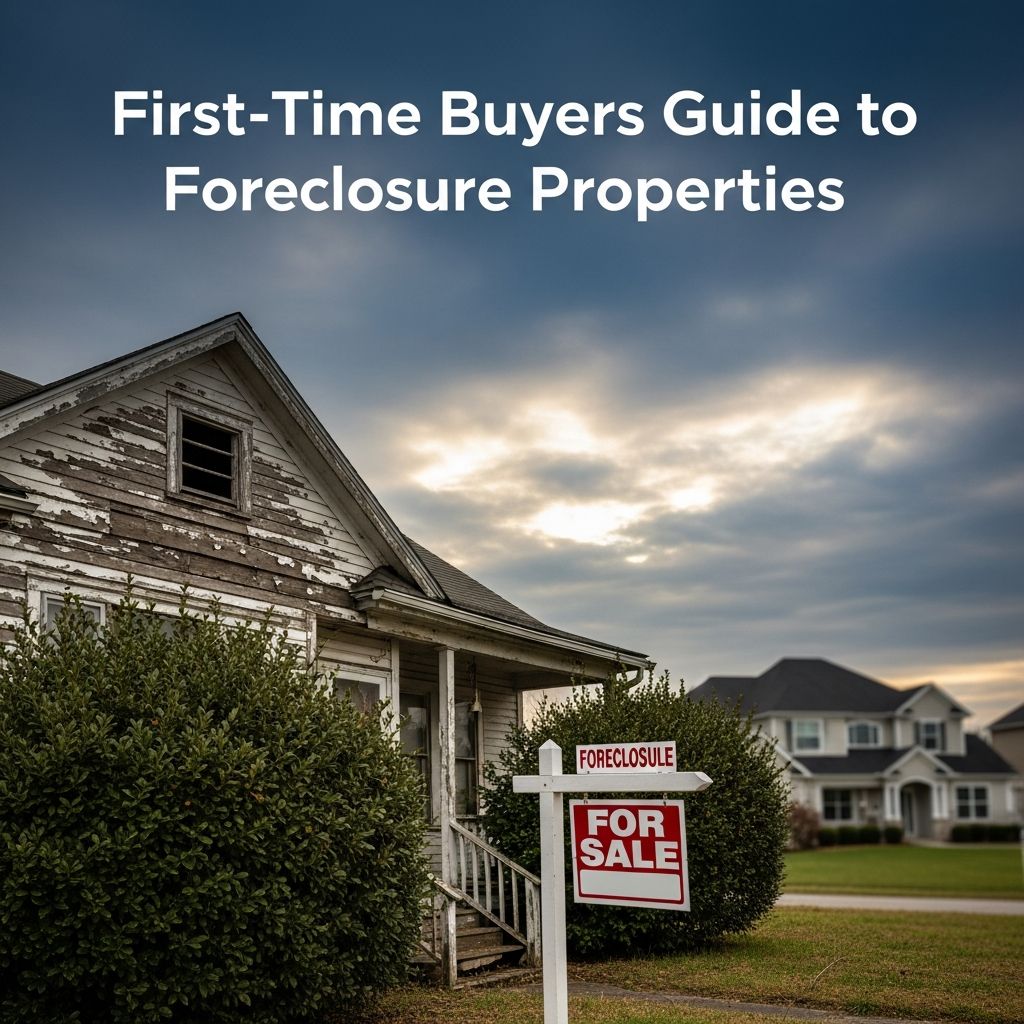
The journey to homeownership represents one of the most significant financial decisions most people make. For first-time buyers, the prospect of entering the real estate market can feel overwhelming, especially when faced with rising prices and limited inventory. One avenue that often captures the attention of prospective homeowners is purchasing foreclosed properties. These homes, which have returned to lender ownership due to borrower default, frequently carry price tags substantially below market value. However, the appeal of financial savings must be weighed against unique risks and complexities that distinguish foreclosure purchases from conventional real estate transactions.
Understanding the Foreclosure Market Landscape
The current real estate environment presents particular conditions that merit consideration for prospective buyers. Housing inventory levels have expanded meaningfully, increasing the availability of various property types, including foreclosures. This expanded supply creates opportunities for buyers to exercise greater selectivity and negotiating power compared to markets characterized by severe scarcity.
Foreclosed homes enter the market through a specific legal process. When homeowners default on mortgage obligations, lenders typically initiate foreclosure proceedings to recover their investment. Once the bank assumes ownership, their primary objective becomes rapid resale to minimize carrying costs such as property taxes, insurance, and maintenance expenses. This fundamental motivation—the lender’s desire for quick recovery—fundamentally shapes how these properties are priced, marketed, and sold.
The Financial Case for Foreclosure Purchases
Substantial Price Reductions
The most compelling reason many buyers consider foreclosures centers on pricing. Research indicates that foreclosed homes typically sell at approximately 35% discounts compared to similar properties in comparable condition. This substantial markdown reflects lenders’ eagerness to liquidate assets and recover outstanding loan balances, accrued fees, unpaid taxes, and other associated costs.
For first-time buyers operating within tight budget constraints, this pricing differential can dramatically expand purchasing power. In markets where median home prices exceed $400,000, the opportunity to acquire property at significantly reduced rates may provide access to neighborhoods or property types otherwise financially unreachable.
Accessible Market Entry Point
Beyond raw pricing advantages, foreclosure properties provide another financial benefit: they level the playing field for first-time buyers competing against experienced investors. Since these properties typically require substantial repairs and customization, professional developers and flippers sometimes overlook opportunities that don’t promise immediate returns. This can create windows where motivated first-time buyers can successfully compete against more experienced real estate investors.
Navigating the Condition Challenge
As-Is Sales Requirements
Understanding the concept of “as-is” sales proves essential for any potential foreclosure buyer. Lenders bear no responsibility for remedying existing defects or preparing properties for occupancy. The bank’s contractual obligation extends only to conveying legal title; cosmetic issues, structural problems, mechanical failures, and code violations remain entirely the buyer’s responsibility post-closing.
This as-is requirement exists because banks operate outside the housing industry. They maintain no expertise in property rehabilitation and cannot justify spending capital on improvements when their goal is immediate liquidation. Consequently, buyers must approach foreclosure acquisitions with realistic expectations about the property’s condition and the investments required for habitability.
Common Defects and Hidden Problems
Foreclosed properties frequently exhibit particular categories of deterioration stemming from prolonged owner neglect or property abandonment. As homeowners face foreclosure proceedings, their financial resources typically become severely constrained, limiting their ability to maintain properties effectively. Many owners experience reduced motivation to invest in upkeep once they understand the home will no longer be theirs.
Typical problems encountered in foreclosed homes include:
- Deferred maintenance affecting roofing, siding, and exterior structures
- Plumbing system failures requiring extensive replacements
- Electrical code violations or system degradation
- Mold proliferation from water intrusion or moisture accumulation
- HVAC system breakdowns limiting climate control functionality
- Foundation issues or structural damage from weather exposure
- Abandoned personal belongings requiring professional removal and disposal
The cumulative repair costs for properties with multiple deficiency categories can quickly escalate, sometimes consuming much or all of the apparent price advantage.
Financial Preparation and Budget Requirements
Establishing Reserve Funds
Prudent foreclosure buyers must budget substantially beyond the purchase price itself. A comprehensive approach should include dedicated capital reserves for anticipated repairs, contingency allocations for unforeseen problems, and funding for the extended transaction timeline. Many experienced advisors recommend setting aside repair budgets equal to 10-20% of the purchase price as a baseline, then adjusting upward based on property inspection findings.
Closing Cost Considerations
Standard real estate transactions often feature seller contributions toward buyer closing costs. Foreclosure purchases typically operate differently, with buyers absorbing substantially more transaction expenses. Title insurance, recording fees, legal services, and inspection costs frequently fall entirely on the buyer’s shoulders. These additional expenses can amount to thousands of dollars beyond the down payment.
Operational Complexities in Foreclosure Transactions
Heightened Competition and Bidding Dynamics
When foreclosed properties enter the market at attractive price points, they frequently attract multiple competing offers from professional investors, experienced flippers, and other first-time buyers. Cash buyers particularly dominate this competitive landscape, since many lenders prefer immediate payment over financing arrangements. First-time buyers relying on mortgage financing may find themselves systematically outbid by investors offering faster closings and fewer contingencies.
This competitive pressure sometimes compels buyers to waive important protections, such as home inspection contingencies, to strengthen their offers relative to alternatives. Such decisions introduce substantial risk, as they prevent professional assessment of property conditions before funds are committed.
Title and Lien Complications
Foreclosed properties may carry title complexities absent from conventional sales. If previous owners neglected property tax obligations or utility bills, governmental or utility company liens may encumber the property. These legal claims must be satisfied before clear title can transfer to the new owner. Comprehensive title searches, conducted by qualified title professionals, reveal these issues before closing, allowing buyers to assess whether resolution costs justify proceeding.
Extended Transaction Timelines
Foreclosure purchases typically extend considerably longer than conventional home sales. Banks process transactions using internal approval workflows and legal review processes designed for institutional protection rather than speed. Multiple layers of authorization may be required, and some banks maintain deliberately slow processes to ensure thoroughness. First-time buyers accustomed to standard transaction timelines frequently encounter delays and uncertainty throughout the purchase process.
Strategic Preparation for Successful Foreclosure Purchases
Pre-Approval and Financial Readiness
Obtaining mortgage pre-approval before foreclosure shopping significantly strengthens a buyer’s competitive position. Pre-approved financing demonstrates serious intent and purchasing capacity to lenders reviewing offers. For cash buyers, maintaining liquid reserves immediately available for down payment and closing demonstrates comparable commitment.
Professional Guidance and Expert Support
Engaging a real estate agent with specific foreclosure experience provides substantial advantages. These professionals understand lender expectations, institutional processes, and effective negotiation approaches specific to distressed properties. They can guide first-time buyers through unfamiliar procedures, interpret bank requirements, and advocate effectively during negotiations. Additionally, experienced agents possess access to foreclosure listings and can alert clients to opportunities matching their criteria.
Comprehensive Property Evaluation
Despite as-is sale requirements, buyers should pursue detailed professional inspections whenever possible. Some foreclosure sales restrict inspection access, but astute negotiation sometimes secures inspection rights before commitment. Professional inspectors identify defects, estimate repair costs, and alert buyers to potential safety issues. These assessments provide data supporting confident purchasing decisions and accurate repair budgeting.
Evaluating Personal Suitability for Foreclosure Ownership
Risk Tolerance Assessment
Foreclosure purchases introduce elevated uncertainties compared to conventional home purchases. Buyers must honestly evaluate their comfort level with unknowns, unexpected expenses, and potential renovation challenges. Individuals preferring predictability and certainty should carefully consider whether foreclosure acquisitions align with their psychological preferences and financial security needs.
Renovation Capacity and Timeline Flexibility
First-time buyers planning immediate occupancy should carefully consider whether foreclosed properties meet their timelines. Properties requiring substantial renovation may remain unsuitable for months or years. Buyers lacking renovation experience, construction knowledge, or contractor relationships may face significant challenges managing repair projects independently. Alternatively, outsourcing all renovation work to professional contractors escalates project costs considerably.
When Foreclosures Make Strategic Sense
Foreclosure purchases prove most advantageous for buyers meeting specific criteria. Individuals with substantial cash reserves beyond down payment requirements can absorb unexpected repair costs without financial strain. Buyers with renovation experience, construction knowledge, or contractor relationships can manage repairs economically. Those with flexible timelines can accommodate extended transaction periods and property reconstruction timeframes. Finally, buyers comfortable with financial uncertainty and unpredictability can navigate the inherent risks effectively.
Conversely, buyers with limited financial flexibility, minimal renovation experience, tight occupancy timelines, or low risk tolerance may find conventional purchases better aligned with their circumstances and preferences.
Comparison: Foreclosures Versus Conventional Properties
| Factor | Foreclosed Properties | Conventional Properties |
|---|---|---|
| Purchase Price | Typically 20-35% below market value | Market-rate pricing |
| Property Condition | Often requires substantial repairs | Variable; many move-in ready |
| Inspection Access | Frequently restricted or limited | Generally unrestricted |
| Seller Concessions | Minimal; as-is sales standard | Negotiable; common in competitive markets |
| Transaction Timeline | Typically 60-90+ days | Usually 30-45 days |
| Competition Level | High from professional investors | Variable; depends on market conditions |
| Repair Budget Required | $20,000-$100,000+ typical | Minimal for move-in ready homes |
Frequently Asked Questions About Foreclosure Purchases
Can first-time buyers obtain financing for foreclosed homes?
Yes, provided the property meets lender standards and the buyer maintains adequate credit, income documentation, and down payment reserves. Lenders may impose additional requirements or conditions for foreclosed properties, such as requiring professional inspections or limiting LTV ratios. Early pre-approval clarifies whether specific lenders will finance foreclosure purchases.
What does “preforeclosure” mean, and does it differ from standard foreclosures?
Preforeclosure refers to properties in early foreclosure stages where the owner still holds title but faces imminent default consequences. Purchasing preforeclosures directly from owners can create mutually beneficial outcomes: buyers acquire properties at reduced prices while owners avoid final foreclosure proceedings and associated credit damage. Preforeclosure opportunities often appear in multiple listing service (MLS) databases with specific designations.
How can I determine whether repair costs justify the purchase price discount?
Obtain detailed contractor estimates for all identified repairs before committing to purchase. Compare the sum of the purchase price plus estimated repair costs against comparable property prices in move-in ready condition. If the total investment significantly exceeds market values for similar finished homes, the deal may not provide genuine savings.
Should I waive inspection contingencies to compete with other offers?
Waiving inspection contingencies introduces substantial risk, particularly for first-time buyers unfamiliar with property assessment. While inspection waivers may strengthen competitive positions, they eliminate critical opportunities to identify problems before financial commitment. Alternative negotiation strategies, such as offering faster closing timelines or reduced contingencies, may strengthen offers without eliminating inspection protections entirely.
What happens if I discover major problems after closing?
As-is sales generally preclude post-closing remedies from sellers or lenders. Buyers bear full responsibility for addressing discovered defects after closing. This reality underscores the critical importance of pre-purchase inspections and thorough property evaluation before financial commitment.
Final Considerations for First-Time Foreclosure Buyers
Foreclosure properties can represent legitimate opportunities for financially prepared, risk-tolerant first-time buyers. The potential for substantial cost savings and significant equity buildup through renovation appeals to many buyers. However, the complications inherent in foreclosure transactions, combined with typical property condition issues and heightened competition, require careful consideration and thorough preparation.
Success in foreclosure purchases depends less on the property itself and more on the buyer’s circumstances, resources, and temperament. Individuals with adequate financial reserves, renovation capacity, flexible timelines, and professional guidance can navigate these transactions effectively. Those lacking these elements should carefully consider whether conventional purchases might better serve their long-term interests and financial security.
Whatever path first-time buyers choose, thorough research, professional consultation, and realistic self-assessment provide essential foundations for sound real estate decisions.
References
- What to Know About Buying a Foreclosed Home — Experian. November 2025. https://www.experian.com/blogs/ask-experian/should-i-buy-a-foreclosure-for-my-first-home/
- The pros and cons of buying a foreclosed home — First Citizens Bank. https://www.firstcitizens.com/personal/insights/home/buying-foreclosed-home-pros-and-cons
- Buying A Foreclosed Home: Pros, Cons and A Step-by-Step Guide — Rocket Mortgage. https://www.rocketmortgage.com/learn/buying-a-foreclosed-home-pros-cons-and-how-to-purchase
- The Pros and Cons of Buying a Foreclosed Home — Tim Smith Real Estate Group. https://timsmithrealestategroup.com/blog/the-pros-and-cons-of-buying-a-foreclosed-home
- Buying a Foreclosure: Pros & Cons — Absolute Mortgage. https://www.absoluteloans.com/blog/246774/purchasing-a-home/the-pros-cons-of-buying-a-foreclosure
- Pros and Cons of Buying a Foreclosed Home in 2026 — AmeriSave. https://www.amerisave.com/learn/buying-a-foreclosed-home
Similar Articles








Read full bio of Sneha Tete