First-Time Banking Essentials: A Beginner’s Guide To Accounts
Master the fundamentals of opening and managing your initial bank accounts for secure financial independence and smart money habits.
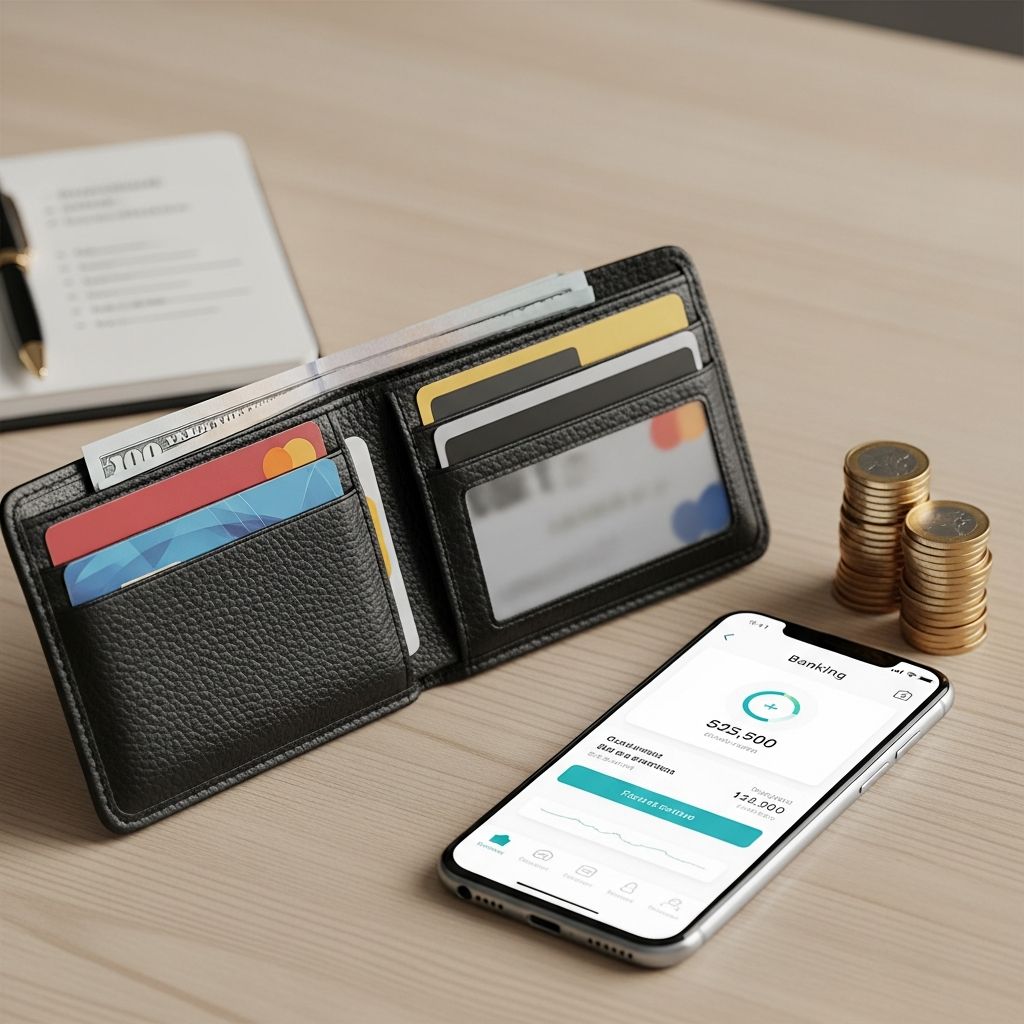
Embarking on your banking journey marks a pivotal step toward financial autonomy. This guide outlines key strategies for novices to establish solid banking practices, covering account selection, daily management, and growth tactics.
Core Concepts in Personal Banking
Grasping fundamental banking terminology equips individuals with the tools to navigate financial systems confidently. A checking account serves as the primary hub for everyday transactions, enabling deposits, withdrawals, bill payments, and debit card usage. In contrast, a savings account focuses on accumulation, often earning interest—the bank’s reward for holding funds—which compounds over time to grow balances.
Other essentials include deposits (adding funds via cash, checks, or transfers) and withdrawals (removing money through ATMs, apps, or branches). Understanding credit score impacts future borrowing, while terms like ATM (Automated Teller Machine) highlight convenient access points. Familiarity with these builds a strong foundation for informed choices.
Defining Your Financial Objectives
Clear goals direct banking decisions. Short-term aims might include funding emergencies or vacations, while long-term ones encompass home purchases or retirement. Start by listing priorities: calculate costs, timelines, and required monthly contributions.
- Emergency fund: Aim for 3-6 months of living expenses in savings.
- Debt reduction: Allocate surplus to high-interest loans.
- Major purchases: Automate transfers to savings for vehicles or education.
Revisiting goals quarterly ensures alignment with life changes, fostering disciplined habits.
Selecting the Ideal Financial Institution
Choosing between traditional banks, credit unions, or online-only options depends on needs like branch proximity, digital tools, and fees. Credit unions often provide lower rates and member-focused service, while online banks excel in high-yield savings and app-based access.
Evaluate these factors:
| Factor | Traditional Bank | Credit Union | Online Bank |
|---|---|---|---|
| Fees | Moderate | Low | Minimal |
| ATM Access | Extensive network | Shared networks | Reimbursements common |
| Digital Tools | Strong | Improving | Advanced apps |
| Interest Rates | Lower | Competitive | Highest for savings |
Prioritize institutions with no-fee accounts, robust mobile apps, and 24/7 support.
Opening Your Initial Accounts
Most beginners benefit from paired checking and savings accounts. Checking handles routine flows—direct deposits, payments—while savings builds reserves. Requirements typically include ID, SSN, and minimum deposits; online processes take minutes.
Opt for:
- No-fee checking: Unlimited transactions, debit access.
- High-yield savings: Earns superior interest, federal insurance up to $250,000.
Link accounts for overdraft protection, transferring funds automatically to avoid fees. Teens may access joint or custodial options with parental oversight.
Mastering Account Monitoring
Regular statement reviews prevent errors and reveal patterns. Digital dashboards track deposits, withdrawals, and balances in real-time. Set alerts for low funds or large transactions.
Common monitoring tools:
- Mobile apps for instant balances.
- Monthly e-statements for trends.
- Budget trackers integrated with banks.
Early detection of fraud limits losses—report debit card issues within two days to cap liability at $50.
Building a Sustainable Budget
A budget channels income into categories: necessities (50%), wants (30%), savings (20%). List earnings, then assign to housing, food, transport, and fun.
Steps to create one:
- Track income sources.
- Log expenses for 30 days.
- Categorize and adjust excesses.
- Automate savings transfers.
Apps simplify this, categorizing spends and forecasting shortfalls.
Smart Spending and Saving Techniques
Separate spending from saving via distinct accounts. Automate payroll splits: 10% to savings first. Track via ledgers or apps to curb impulses—record every transaction promptly.
Avoid pitfalls:
- Overdrafts: Maintain minimum balances or use protection.
- ATM fees: Choose in-network or reimbursed options.
- Impulse buys: Implement 24-hour waits.
Certificates of Deposit (CDs) lock funds for higher rates, suiting goal-oriented saving.
Navigating Fees and Protections
Banks charge for overdrafts, low balances, or out-of-network ATMs. Select fee-free accounts and monitor diligently. FDIC insures deposits, ensuring safety.
Pro tips:
| Fee Type | Avoidance Strategy |
|---|---|
| Monthly Maintenance | Meet direct deposit or balance minimums |
| Overdraft | Enable protection, track spends |
| Foreign Transaction | Use no-fee debit cards abroad |
Digital Banking and Security Best Practices
Leverage apps for transfers, payments, and insights. Enable two-factor authentication, unique passwords, and transaction alerts.
- Frost debit cards immediately if lost.
- Avoid public Wi-Fi for banking.
- Review for unauthorized activity monthly.
Advancing Beyond Basics
Once established, explore money market accounts for liquidity and yield, or credit-building via secured cards. Consistent management enhances credit history for loans. Teach youth via teen accounts.
Frequently Asked Questions
What is the difference between checking and savings accounts?
Checking facilitates daily transactions without interest; savings earns interest for future needs with withdrawal limits.
How do I avoid bank fees?
Choose no-fee options, maintain balances, use in-network ATMs, and set overdraft protections.
Can I open a bank account online?
Yes, most institutions allow instant digital openings with ID verification.
What should my first financial goal be?
Build an emergency fund covering 3-6 months of expenses.
Is my money safe in a bank?
FDIC/NCUA insurance protects up to $250,000 per account.
How often should I check my account?
Daily via app, weekly reviews, monthly statements.
References
- A Young Adult’s Guide to Banking on Your Own — USALLIANCE Blog. 2023. https://blog.usalliance.org/a-young-adults-guide-to-banking-on-your-own
- Banking 101: An Introduction to Banking Basics — Citi.com. 2024. https://www.citi.com/banking/personal-banking-guide/basic-finance/banking-101
- Banking Basics: Your Guide to Financial Freedom — Bank of Tescott Blog. 2023-10-01. https://www.bankoftescott.com/about-us/the-bank-of-tescott-blog/detail.html?title=banking-basics-your-guide-to-financial-freedom
- Banking Basics — St. Louis Fed. 2020-10-01. https://www.stlouisfed.org/publications/page-one-economics/2020/10/01/banking-basics
- Banking 101: The Ultimate Guide to Banking Basics in 2026 — ChooseFI. 2026. https://choosefi.com/fundamentals/banking-101-the-ultimate-guide-to-banking-basics
- Banking basics: Personal banking 101 — Citizens Bank. 2024. https://www.citizensbank.com/learning/managing-your-finances/banking-basics.aspx
Similar Articles








Read full bio of Sneha Tete