Essential Preparation Guide for First-Time Apartment Renters
Master the fundamentals of apartment hunting and move-in with confidence
Embarking on your journey as an independent renter represents a significant milestone in personal development and financial responsibility. The transition from living with family or in student housing to managing your own apartment involves numerous decisions that can impact your financial stability and quality of life. Understanding the fundamental steps required before signing a lease allows you to navigate the rental market strategically and avoid common pitfalls that first-time renters encounter.
Establishing Your Financial Foundation
The cornerstone of successful apartment hunting begins with honest financial assessment. Before you even begin searching for listings, you must understand what you can realistically afford. The U.S. Department of Housing and Urban Development recommends that housing expenses should not exceed 30% of your gross monthly income. This benchmark serves as a practical guideline to ensure that rent payments leave sufficient funds for other essential expenses such as food, transportation, insurance, and savings.
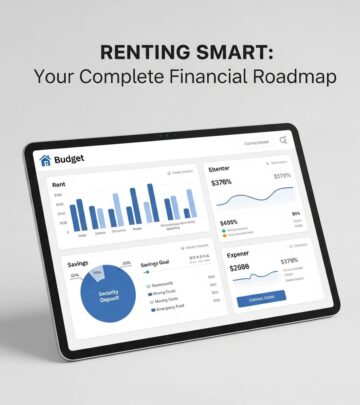
Many inexperienced renters make the mistake of stretching their budgets to the maximum, overlooking the reality that rent represents only one component of housing costs. Your complete financial obligation includes utility expenses, internet connectivity, renters insurance, potential pet fees, parking charges, and maintenance supplies. Creating a comprehensive budget spreadsheet that accounts for these variables provides clarity on your actual affordability range.
Consider exploring income-generating opportunities if you discover that desirable neighborhoods fall beyond your current budget constraints. Developing a side income stream or identifying a compatible roommate can substantially reduce your individual housing expense burden while expanding your available options.
Selecting Your Living Location Strategically
Geography significantly influences your rental experience and daily quality of life. Rather than pursuing any available apartment, thoughtfully evaluate neighborhood characteristics that align with your lifestyle preferences and practical requirements. Ask yourself several critical questions:
- What is my commute distance to my workplace or primary destinations?
- Do I prioritize access to public transportation, or do I prefer walkable neighborhoods?
- Am I seeking vibrant entertainment districts or quieter residential areas?
- How do neighborhood costs compare to surrounding regions?
- What amenities and attractions matter most to my lifestyle?
Researching neighborhoods through online platforms, local community groups, and in-person exploration helps you understand traffic patterns, noise levels, safety records, and social atmosphere. This reconnaissance prevents the disappointment of discovering after move-in that your neighborhood doesn’t match your expectations or meets your actual needs.
Evaluating Physical Space and Amenities
The apartment itself must satisfy both your practical requirements and personal preferences. Beyond basic shelter, modern apartment communities offer diverse amenities that enhance living quality. Evaluate whether the property includes features such as fitness facilities, communal outdoor spaces, on-site laundry capabilities, or parking arrangements. These conveniences, while sometimes overlooked, significantly impact daily comfort and long-term satisfaction.
During property tours, pay close attention to spatial flow, natural lighting, storage capacity, and the condition of common areas. Note the number of stairs you must navigate to your unit, as this affects your regular routines, particularly when carrying groceries or moving furniture. Inquire about climate control effectiveness in different seasons, as this directly influences utility expenses and comfort levels throughout the year.
Comprehensive Property Inspection Procedures
Before committing to any lease, conduct a thorough walkthrough inspection of your potential apartment. Bring a flashlight and smartphone to document your findings through photos and notes. This documentation protects you by creating a record of the property’s condition at the time you’re viewing it.
Systematically examine the following areas:
- Walls for holes, stains, or visible damage requiring repair
- Flooring for scratches, stains, or structural issues
- Appliances for proper functionality and cleanliness
- Plumbing fixtures for leaks or adequate water pressure
- Electrical outlets for proper functionality
- Doors and windows for secure locks and smooth operation
- HVAC systems for heating and cooling capability
- Cleanliness of ventilation systems and air filters
Request that the property manager address any identified issues before you move in rather than attempting repairs independently later. Establishing clear expectations about property condition protects both your security deposit and your living environment from the outset.
Understanding Lease Agreements Thoroughly
Your lease agreement represents a legally binding contract that defines your rights, responsibilities, and financial obligations. Unfortunately, many first-time renters sign without fully comprehending the terms. Dedicate time to carefully review every provision, and request clarification on any language you don’t understand.
Critical lease components to scrutinize include:
- Lease duration and renewal procedures
- Monthly rent amount and payment due dates and methods
- Security deposit details and return conditions
- Pet policies and associated fees or deposits
- Utility cost allocation between tenant and landlord
- Guest policies and overnight visitor restrictions
- Noise regulations and quiet hours
- Decorating permissions and wall modification policies
- Parking arrangements and visitor parking availability
- Maintenance request procedures and response timeframes
- Late rent penalties and lease violation consequences
Pay particular attention to which utilities you’re responsible for paying, as this significantly impacts your monthly expenses. Understanding these obligations prevents unexpected cost surprises and disputes with your landlord.
Preparing Necessary Documentation
Apartment applications require substantial documentation demonstrating your reliability as a tenant. Organize these materials in advance to streamline the application process and present yourself professionally to landlords. Typical required documents include:
- Proof of employment and current job title
- Recent pay stubs demonstrating stable income
- Tax returns from the previous year
- Bank statements showing financial reserves
- References from previous landlords or employers
- Government-issued identification
- Background check authorization forms
Having these materials readily available demonstrates responsibility and expedites your application review. Many apartments operate on a first-qualified, first-accepted basis, so quick document submission can give you a competitive advantage in competitive rental markets.
Securing Renters Insurance Coverage
Renters insurance protects your personal belongings against theft, fire, and other covered incidents while also providing liability protection if someone is injured in your apartment. Many landlords require proof of insurance before move-in, and even when not mandated, this coverage provides essential financial protection at a modest cost.
Compare quotes from multiple insurance providers to find coverage that meets your needs within your budget. Understanding your policy limits and covered scenarios prevents gaps in protection and ensures you’re adequately compensated if misfortune occurs.
Organizing Your Move-In Process
Successful move-in requires advance planning and coordination of multiple logistical elements. Establish your utility accounts well before your move-in date to ensure electricity, gas, water, and internet are activated when you arrive. Delays in utility setup can make your first days extremely uncomfortable.
Notify the U.S. Postal Service of your address change through their online portal to ensure mail reaches your new location. Update your address with your employer, financial institutions, subscription services, and government agencies to prevent missed communications.
Create a moving inventory documenting what you’re transporting and its condition. This protects you in case items are lost or damaged during the moving process. Photograph valuable items for insurance documentation purposes.
Pre-Arrival Property Preparation
Before physically arriving at your apartment, coordinate with management to ensure basic preparation work is complete. Request that the unit be professionally cleaned, with particular attention to kitchen appliances, bathroom fixtures, and flooring. Verify that any maintenance issues identified during your walkthrough have been appropriately addressed.
Obtain copies of all access keys well before move-in day to avoid delays or lockout situations. Confirm parking arrangements and obtain any required parking permits or passes. This advance coordination prevents logistical complications that could disrupt your first day.
Budget Considerations for Move-In Costs
First-time renters often underestimate the total financial outlay required for apartment establishment. Beyond monthly rent, you’ll encounter numerous upfront expenses that significantly impact your initial cash requirements. A comprehensive first-apartment budget should include:
- Security deposit (typically equal to one month’s rent)
- First month’s rent
- Last month’s rent deposit (if required)
- Application and processing fees
- Pet deposits (if applicable)
- Utility activation deposits
- Internet setup and installation fees
- Moving company expenses or truck rental
- Initial furniture purchases
- Basic household supplies and cleaning equipment
- Renters insurance premium
These expenses can collectively equal three to four months of rent, so planning and saving in advance prevents financial strain during your transition.
Future Financial Obligations and Planning
Understanding that moving expenses extend beyond immediate move-in costs prepares you for long-term affordability. Ongoing expenses include monthly rent, utilities that fluctuate seasonally, internet bills, renters insurance, and maintenance supplies. Some renters also encounter unexpected maintenance requests or appliance replacements that require financial reserves.
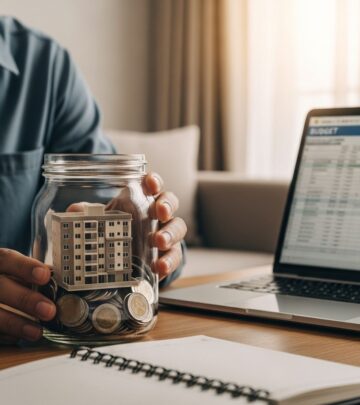
Establish an emergency fund separate from your regular budget to address unexpected expenses without resorting to credit cards or postponing essential maintenance requests. This financial buffer provides security and prevents landlord-tenant conflicts arising from deferred maintenance reporting.
Strategic Questions to Ask During Property Tours
Your apartment tour represents a critical information-gathering opportunity. Beyond visual inspection, engage property management or landlords with specific questions that reveal important operational details:
- What is the average monthly utility cost for this unit?
- How are maintenance requests submitted and prioritized?
- What is the typical response timeframe for emergency repairs?
- How are security deposits itemized and returned?
- Are there any hidden fees not explicitly listed in the lease?
- What are the noise complaint procedures and enforcement mechanisms?
- How are parking spots assigned and enforced?
- What is the pet policy regarding breed restrictions or size limitations?
Documenting these responses in writing creates a reference record and ensures consistent communication with property management going forward.
Identifying and Avoiding Rental Scams
Unfortunately, rental markets attract fraudulent operators who exploit eager renters seeking housing solutions. Protect yourself by verifying landlord legitimacy before providing personal information or payment. Common scam indicators include requests for payment before viewing the property, unwillingness to meet in person, or pressure for immediate decisions without time for thorough consideration.
Always verify property ownership independently rather than relying solely on the person showing the apartment. Request references from current tenants and contact them directly to discuss their experiences. Never wire money to unfamiliar individuals or provide personal financial information to unverified contacts.
Creating Your Move-In Day Checklist
Consolidating all preparatory activities into a structured checklist ensures nothing is overlooked during your transition. Your comprehensive move-in checklist should encompass financial preparations, documentation collection, utility arrangements, address changes, insurance acquisition, property inspection confirmation, and moving logistics coordination. Working systematically through each item eliminates last-minute scrambling and allows you to begin your apartment experience with confidence and organization.
Successfully transitioning into your first apartment requires attention to financial realities, thorough property evaluation, careful lease review, and comprehensive logistical planning. By approaching apartment selection methodically and preparing thoroughly before move-in day, you establish a strong foundation for a positive rental experience and demonstrate the responsibility that landlords seek in long-term tenants.
References
- First Time Apartment Renter’s Guide: 20 Step Checklist — Apartment List. Accessed 2026-03-31. https://www.apartmentlist.com/renter-life/first-time-renter-apartment-guide-checklist
- Checklist for first-time apartment renters — Missouri S&T eConnection. 2024-05. https://econnection.mst.edu/2024/05/checklist-for-first-time-apartment-renters/
- The Ultimate First Apartment Checklist — Rent.com Blog. Accessed 2026-03-31. https://www.rent.com/blog/renting-first-apartment-guide-checklist/
- Your First Apartment Checklist: What to Look for When Renting — Wilmington for Rent. Accessed 2026-03-31. https://www.wilmingtonforrent.com/blog/your-first-apartment-checklist-what-to-look-for-when-renting
- Apartment Walkthrough Checklist: 25 Essential Items to Review — Zillow Learn. Accessed 2026-03-31. https://www.zillow.com/learn/rental-walkthrough-checklist/
Similar Articles








Read full bio of medha deb