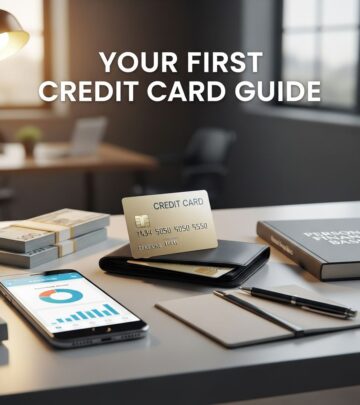
Starting Your Credit Card Journey: A First-Timer’s Handbook
Master the essentials of obtaining and responsibly managing your inaugural credit card.

Obtaining your first credit card represents a significant milestone in establishing financial independence and building a foundation for long-term creditworthiness. While the prospect may seem daunting, understanding the fundamentals of credit cards and approaching the process strategically can set you up for success. This comprehensive guide walks you through everything you need to know before, during, and after applying for your inaugural credit card.
Understanding the Foundation: Why Your First Card Matters
A credit card serves multiple purposes beyond simple transaction convenience. It functions as a tool for establishing credit history, which lenders and financial institutions use to assess your reliability as a borrower. When managed responsibly, your first credit card demonstrates to future creditors that you can handle borrowed money, make timely payments, and maintain manageable debt levels. This positive history becomes instrumental when you later apply for mortgages, auto loans, or other significant lines of credit.
Additionally, many credit cards offer rewards programs, purchase protection, and fraud liability protection—benefits that can enhance your everyday spending. Security features on credit cards typically exceed those of debit cards, offering additional peace of mind for your transactions.
Preparing Yourself: Pre-Application Assessment
Evaluating Your Readiness
Before submitting an application, honestly assess whether you’re prepared to manage a credit card responsibly. Financial preparedness involves more than just having income; it requires understanding your spending patterns, establishing a budget framework, and committing to timely payment habits. Consider these preparatory questions:
- Do you have a steady income source to cover monthly payments?
- Can you create and maintain a realistic monthly budget?
- Are you prepared to pay your balance in full or substantially each month?
- Do you understand interest rates and how they accumulate on unpaid balances?
Reviewing Your Credit Profile
Your credit score significantly influences which cards you qualify for and what terms you’ll receive. If you’ve never had credit before, you won’t have a score yet, but checking your credit report is still valuable. You’re entitled to one free credit report annually from each of the three major credit reporting agencies—Equifax, Experian, and TransUnion. Review your report for any errors or unfamiliar accounts that might affect your creditworthiness.
If you’re starting with limited or no credit history, secured credit cards and student-focused cards may be more accessible options. These products are specifically designed for individuals building credit from the ground up.
Gathering Required Information and Documentation
Credit card applications require specific personal and financial information. Before beginning your application, assemble the following documentation to streamline the process:
- Government-issued photo identification (driver’s license or passport)
- Social Security number (which verifies your identity and creditworthiness)
- Current mailing address and contact information
- Employment details and estimated annual gross income
- Housing information (whether you rent or own)
- Approximate monthly housing costs
The Credit Card Accountability Responsibility and Disclosure Act (CARD), enacted in 2009, requires issuers to verify your income and ability to manage credit responsibly. This federal protection safeguards consumers, particularly younger applicants, from irresponsible lending practices.
Selecting the Right Card for Your Circumstances
Comparing Available Options
With thousands of credit card products available, the selection process requires intentional research rather than impulse decision-making. Avoid applying for the first card offering that catches your attention. Instead, compare multiple options based on specific criteria aligned with your financial situation and spending patterns.
Key Selection Criteria
| Selection Factor | What to Look For | Why It Matters |
|---|---|---|
| Annual Fees | Cards with no or minimal annual charges | Reduces unnecessary costs as a beginner |
| Interest Rate (APR) | Lower annual percentage rates | Minimizes cost if you carry a balance |
| Rewards Programs | Modest cash back or point structures | Adds value to regular spending |
| Approval Likelihood | Cards marketed to limited credit histories | Higher approval odds for applicants like you |
| Terms Clarity | Clear, straightforward terms documentation | Easier to understand obligations and benefits |
Card Types for First-Time Applicants
Student Credit Cards target college-age applicants and often have approval-friendly criteria, sometimes offering modest rewards without annual fees.
Secured Credit Cards require a cash deposit that typically becomes your credit limit. These cards are designed for individuals with no credit history or damaged credit, providing an accessible entry point while you establish payment history. Deposit requirements generally range from $200 to $500, though you can typically deposit more to obtain a higher credit limit.
Fair Credit Cards are marketed to applicants with credit scores between 630 and 690, bridging the gap between beginner and traditional cards.
Pre-Qualified Offers from your existing bank or credit union may provide streamlined approval if you already have a relationship with the institution.
Navigating the Application Process
Application Methods Available
Credit card applications can be completed through multiple channels. Online applications remain the most convenient and widely available option, though you may also apply in person at a bank branch or over the phone with customer service representatives.
Step-by-Step Online Application Guide
- Visit the Issuer’s Website: Navigate to your selected card’s official page and review the features, terms, and benefits one final time before committing to apply.
- Locate the Application: Find and click the application button or link, typically prominently displayed on the product page.
- Complete Personal Information: Enter your legal name, date of birth, Social Security number, current address, phone number, and email address.
- Provide Financial Details: Supply your gross annual income, current employment status, employer information, and housing situation with associated costs.
- Review Terms and Conditions: Carefully read the card agreement, paying particular attention to interest rates, fees, rewards terms, and important deadlines.
- Submit Your Application: After verifying all information for accuracy, submit your completed application.
- Receive Decision: Most issuers provide a response within seconds of submission, though some applications may require additional review.
Understanding Application Outcomes
After submission, you’ll receive one of three responses: approval, conditional approval, or denial. An approval grants immediate access to your new credit account. A conditional approval may require additional documentation or verification steps before activation. A denial means you didn’t meet the issuer’s current criteria, but you can typically reapply after addressing underlying issues like building additional credit history.
Maximizing Your New Card: Responsible Usage Strategies
Establishing Payment Discipline
Once your card arrives, responsible usage patterns are crucial to building positive credit history. Begin by creating a detailed budget that accounts for your expected credit card spending. This framework prevents overspending and ensures you can comfortably cover your full balance each month.
Set up automatic payments to eliminate the risk of missed due dates, which significantly damage credit scores and incur substantial penalty fees. Most card issuers allow you to schedule automatic payments for your full balance, minimum payment, or a specific amount each month.
Managing Credit Utilization
Your credit utilization ratio—the percentage of available credit you use each month—substantially impacts your credit score. Financial experts generally recommend maintaining utilization below 30%, though lower is always better. If your card has a $1,000 limit, try keeping your monthly balance under $300. This demonstrates to creditors that you can access credit responsibly without relying heavily on borrowed funds.
Monitoring Account Activity
Regularly review your statement for accuracy and suspicious transactions. Most cards offer free credit score monitoring, allowing you to track your creditworthiness improvement over time. This ongoing attention helps you identify potential fraud quickly and observe the positive impact of responsible credit management on your score.
Common Questions About First Credit Cards
When Should I Apply for My First Card?
The ideal timing combines financial readiness with life circumstances. Apply when you have steady income, understand basic budgeting principles, and can commit to on-time monthly payments. Age requirements vary by issuer, but you must be at least 18 years old. If you’re unable to qualify due to insufficient income, becoming an authorized user on a trusted family member’s card provides an alternative way to build credit.
How Many Cards Should I Get Initially?
There’s no universal correct answer, as individual financial situations vary significantly. Some people thrive with one card, while others benefit from multiple cards to manage different spending categories or maximize rewards. The critical factor is ensuring you can track spending across all accounts, meet every payment deadline, and avoid overspending. For first-time cardholders, starting with one card and adding additional products only after you’ve established disciplined usage patterns is advisable.
What If I Don’t Have Any Income?
If you lack independent income, becoming an authorized user on someone else’s established account provides access to credit while you develop financial independence. The primary account holder remains responsible for all debt, so ensure you select someone trustworthy who manages their credit responsibly. This arrangement can help you build credit history without requiring you to qualify independently.
How Quickly Will My Credit Score Improve?
Credit score improvements follow a gradual trajectory based on consistent positive behavior. Opening a new account initially causes a slight score dip, but making on-time payments and maintaining low utilization builds credit over months and years. Most applicants notice meaningful improvements within 6-12 months of responsible card management.
Final Considerations and Next Steps
Obtaining your first credit card represents an important step toward financial maturity and expanded borrowing opportunities. By thoroughly understanding the requirements, carefully selecting a product suited to your circumstances, and committing to responsible usage patterns, you establish a foundation for long-term financial health. Remember that your credit card is a financial tool requiring discipline and attention, not a source of free spending power. Approach it with intentionality, and you’ll benefit from improved creditworthiness, enhanced convenience, and valuable rewards for years to come.
References
- An Essential Guide to Your First Credit Card — Experian. 2025. https://www.experian.com/blogs/ask-experian/how-to-get-your-first-credit-card/
- How to Get Your First Credit Card: A Beginner’s Guide — Credit Counselors of Las Vegas. April 14, 2025. https://www.ccculv.org/how-to-get-your-first-credit-card-a-beginners-guide/
- A Guide to Credit Cards for Beginners — Citi. 2025. https://www.citi.com/credit-cards/understanding-credit-cards/how-to-get-a-first-credit-card
- How to Get Your First Credit Card — Chase Bank. 2025. https://www.chase.com/personal/credit-cards/education/build-credit/how-to-get-your-first-credit-card
- A Guide to Choosing the Best First Credit Card — Navy Federal Credit Union. 2025. https://www.navyfederal.org/makingcents/credit-debt/best-first-credit-card.html
- 11 Things to Know Before Getting Your First Credit Card — NerdWallet. 2025. https://www.nerdwallet.com/credit-cards/learn/things-to-know-first-credit-card
Similar Articles








Read full bio of medha deb