When to Expect Your First and Last Paycheck
Guide to understanding paycheck timing, deductions, and what to expect.

Starting a new job brings excitement and anticipation, but it also raises practical questions about compensation. One of the most important questions new employees ask is: when will I actually get paid? Understanding your employer’s pay schedule and knowing what to expect from your first and last paychecks is crucial for effective financial planning and budgeting. This comprehensive guide will walk you through everything you need to know about paycheck timing, pay schedules, deductions, and how to manage your earnings effectively.
Understanding Pay Schedules and Payment Methods
Your employer’s pay schedule is the framework that determines how often you receive payment and when each pay period begins and ends. Different industries, companies, and roles may use different pay schedules, so it’s essential to understand your specific employer’s system from day one. Before your first day on the job, a human resources representative or your hiring manager should provide you with detailed information about the pay schedule and when you’ll receive your first paycheck based on your start date. Many employers also include this information in the employee handbook, which you can reference at any time.
Pay schedules typically fall into several categories: weekly, bi-weekly, semi-monthly, or monthly. Each has its own rhythm and timing considerations. Understanding which schedule your employer uses will help you plan your personal finances more effectively and avoid surprises when payday arrives.
When Should You Expect Your First Paycheck?
The timing of your first paycheck depends primarily on two factors: your employer’s payroll schedule and your actual start date relative to the pay period. There are several common scenarios you may encounter when starting a new job, each with different implications for when you’ll receive your initial payment.
Starting on the First Day of a Pay Period
If you’re fortunate enough to start your new job on the first day of a new pay period, you’ll likely receive your first paycheck on the same day as your coworkers during their regular payday. This scenario presents the most straightforward timeline and minimal complications. However, even in this situation, there’s a possibility that your full paycheck may arrive slightly later than your colleagues’ payments. This delay can occur because your new employer must complete required paperwork before processing your payroll, such as new hire documents, tax withholding forms, and direct deposit setup requests.
The amount of any potential delay depends entirely on the systems and procedures your new employer has established. Some companies have streamlined processes that minimize delays, while others may require additional time. It’s wise to ask your HR representative for a specific date rather than assuming you’ll receive payment on the standard company payday.
Starting in the Middle of a Pay Period
Starting mid-pay period presents more variability in your first paycheck timeline. Your employer has two main options for handling this situation. The first option is to pay you on schedule for only the days you worked between your hire date and the end of the payroll period. The second option is for your employer to skip the immediate payday and instead pay you on the next scheduled payday for all the time you’ve worked since starting your job.
If your employer chooses the second option, your first paycheck will likely be noticeably higher than you can expect from subsequent paychecks, as it will cover more days of work than a standard pay period. For example, if you start your job on a Wednesday, the payroll period ends on Friday, and payday is the following Friday, you’ll either receive payment the following Friday for three days of work, or you’ll get a full two-week paycheck on the next scheduled payday covering approximately 13 days of work.
Direct Deposit and Payment Methods
Regardless of your start date, if you’ve requested that your employer pay you via direct deposit, there’s an important consideration: your first paycheck may be issued as a paper check. This occurs because the payroll department may need additional time to process and set up your direct deposit information. Once your direct deposit is properly configured in their system, all subsequent paychecks should deposit directly into your bank account on the scheduled payday. Make sure to clarify this with your HR department so you’re not caught off guard if your first payment arrives in paper form.
When Should You Expect Your Last Paycheck?
Understanding when you’ll receive your final paycheck is just as important as knowing when your first one will arrive, whether you’re leaving your job voluntarily, being laid off, or being terminated. The timing of your last paycheck depends significantly on your employer’s specific policies, and these policies can vary considerably from company to company.
Some employers will continue to pay you on their regular schedule even after your employment ends. This means if you leave on a Tuesday but payday isn’t until Friday, you’ll wait until that Friday to receive your final paycheck. Other employers choose to pay employees on or shortly after their last day of work, which provides faster access to your final earnings. Additionally, some employers may include final payment details in an exit agreement or termination paperwork. It’s important to ask about your employer’s specific policy before your last day so you can plan accordingly.
In some cases, your final paycheck may include additional payments such as accrued vacation time, unused sick days, or bonuses, depending on your company’s policy and state regulations. Understanding what’s included in your final paycheck helps you manage the transition between jobs more effectively.
Understanding Your Paycheck: Gross Pay vs. Net Pay
One of the biggest surprises new employees experience is that their first paycheck is significantly smaller than they expected. This discrepancy between what you thought you’d earn and what you actually receive is due to various deductions from your gross pay. Understanding the difference between gross pay and net pay is fundamental to managing your finances effectively.
Gross Pay: Your Full Earnings
Gross pay is the total amount of compensation you’ve earned for the work you performed during a pay period, before any deductions are taken out. For hourly employees, you calculate gross pay by multiplying your hourly rate by the number of hours worked during the pay period. For example, if you earn $20 per hour and worked 40 hours in a week, your gross pay for that week is $800. For salaried employees, gross pay is typically a flat amount per paycheck that remains consistent from period to period, assuming no bonuses or overtime.
Understanding your gross pay is important because you’ll need this information when completing paperwork for loans, rental applications, and other financial transactions. Many lenders and landlords want to know your gross income to assess your creditworthiness and ability to afford their products or services.
Net Pay: Your Take-Home Amount
Net pay is your gross pay minus all applicable deductions. This is the actual amount of money that gets deposited into your bank account or handed to you on payday. Net pay is also referred to as “take-home pay” because it represents the real purchasing power you have from your earnings. This is the number you should use when creating your personal budget and planning your financial obligations.
Common Paycheck Deductions
Understanding what comes out of your paycheck helps demystify why your net pay is lower than expected. Typical deductions include:
- Federal income tax withholding
- State and local income taxes (depending on your location)
- Social Security and Medicare taxes
- Health insurance premiums (if you’ve enrolled in employer coverage)
- Retirement plan contributions, such as 401(k) or 403(b) plans
- Life insurance premiums
- Dependent care flexible spending account contributions
- Union dues (if applicable)
- Court-ordered wage garnishments
The exact deductions you’ll experience depend on your specific situation, employment benefits, and state regulations. Your pay stub will itemize all deductions, allowing you to see exactly where your money is going. If you notice unexpected deductions or amounts that seem incorrect, contact your HR or payroll department immediately to clarify.
Your Pay Stub: Understanding Your Earnings Statement
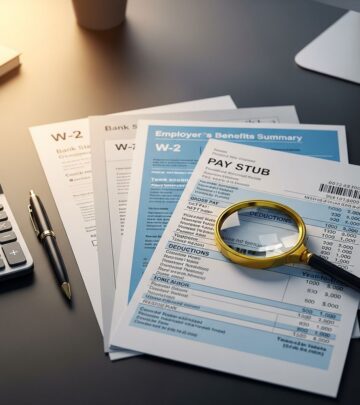
Your pay stub is a detailed record of your earnings and deductions for each pay period. It serves as both a receipt of payment and an important financial document. Your pay stub typically shows:
- Your gross pay amount
- Hours worked (for hourly employees)
- All deductions itemized by category
- Your net pay or take-home amount
- Accrued vacation time and sick time balances
- Year-to-date earnings and tax withholdings
Always review your pay stub carefully each pay period. This practice helps you verify that you’re being paid correctly, that the correct deductions are being taken, and that your benefits are being handled properly. If you notice discrepancies or have questions, don’t hesitate to reach out to your payroll department.
Alternative Payment Methods: Cash and Other Options
While most employees receive payment through direct deposit or paper checks, some positions offer alternative payment methods. Depending on the job you do, you may receive payment in cash. For example, those in the foodservice industry may receive cash during or at the end of their shift from tips. Other positions that are more project-based may also result in cash payments. For instance, if a homeowner hires a company to paint their house, the homeowner may pay the company’s employees in cash at the end of the job.
Cash payments require additional responsibility, as you won’t have an automatic digital record. It’s advisable to keep receipts or create your own record of cash payments received for tax purposes and personal accounting.
Managing Your First Paycheck Wisely
Receiving your first paycheck is exciting, but how you manage it sets the tone for your financial future. Rather than immediately spending your earnings on non-essential purchases, consider these strategic steps to build financial stability.
Create a Budget Based on Net Pay
Your budget should be built around your net pay, not your gross pay, since that’s the actual money you have available. List your essential expenses—rent or mortgage, utilities, groceries, transportation, and insurance—and allocate your net pay accordingly. Once you’ve covered essentials, you can designate portions for savings, debt repayment, and discretionary spending.
Start an Emergency Fund
Financial experts recommend beginning with an emergency fund of $500 to $1,000, eventually growing it to cover three to six months of essential expenses. This fund provides crucial protection against unexpected financial setbacks. Automate a small amount from each paycheck into a separate savings account dedicated to this purpose. You won’t even miss the money if you set it up automatically, and you’ll be building financial security with each paycheck.
Address Existing Debt
If you have existing debt from student loans, credit cards, or other sources, prioritize paying it down using your first paychecks. High-interest debt, particularly credit card balances, should be addressed aggressively to prevent interest from compounding and creating financial hardship.
Plan for Retirement
While retirement might seem far away when you’re starting your career, the earlier you begin contributing to retirement accounts, the more time your money has to grow through compound interest. If your employer offers a 401(k) match, contribute enough to receive the full match—it’s essentially free money.
Frequently Asked Questions
Q: What if I don’t receive my paycheck on the expected date?
A: Contact your HR or payroll department immediately. There may be a processing delay, a banking issue, or a technical problem. Most employers take missing paychecks seriously and will investigate promptly.
Q: Can my employer withhold my final paycheck?
A: In most states, employers are legally required to provide your final paycheck by a specific date, often immediately or within a few days of termination. Check your state’s specific regulations for exact requirements.
Q: Why is my paycheck smaller than expected?
A: Deductions for taxes, Social Security, Medicare, health insurance, and retirement contributions reduce your gross pay. Review your pay stub to see the specific deductions.
Q: Should I adjust my tax withholding?
A: If you receive a large tax refund or owe taxes each year, you may want to adjust your W-4 form to change your withholding. Consult with HR or a tax professional to determine the optimal amount.
Q: When do I start receiving direct deposit?
A: After you submit your direct deposit information, it typically takes one to two pay periods for the setup to process. Your first payment may be issued as a paper check.
Conclusion
Understanding when to expect your first and last paychecks, how your pay is calculated, and what deductions to anticipate empowers you to manage your finances effectively from day one. Whether you’re starting a new job or transitioning between positions, being informed about paycheck timing and composition helps you create realistic budgets and make smart financial decisions. Take time to review your pay stub carefully, ask questions about anything you don’t understand, and use your earnings strategically to build long-term financial security.
References
- When Will I Get Paid? First and Last Paychecks Discussed — Indeed Career Advice. 2025-06-09. https://www.indeed.com/career-advice/pay-salary/when-will-i-get-paid
- Just Got Paid? Here’s How to Manage Your First Paycheck — Exchange Bank of Northeast Missouri. 2025. https://www.ebnemo.com/blog/post/just-got-paid-here-s-how-to-manage-your-first-paycheck-like-a-pro
- First Paycheck? Here’s How to Make It Count — Peoples Bank & Trust Company. 2025. https://www.pbtc.net/blog/post/first-paycheck-here-s-how-to-make-it-count
- 5 Things to Do With Your First Real Paycheck — Lincoln Financial Group. 2025. https://www.lincolnfinancial.com/public/individuals/products/workplaceplan/lifeevents/fivethingstodowithyourpaycheck
- Final Paycheck Laws by State 2025 — Paycor. 2025. https://www.paycor.com/resource-center/articles/final-paycheck-laws-by-state/
- 40.1-29. Time and Medium of Payment; Withholding Wages — Virginia Legislative Information System. 2025. https://law.lis.virginia.gov/vacode/title40.1/chapter3/section40.1-29/
Similar Articles








Read full bio of medha deb