First Access Credit Card Review 2025: Pros & Cons
Complete guide to First Access credit card: fees, benefits, and whether it's right for rebuilding credit.
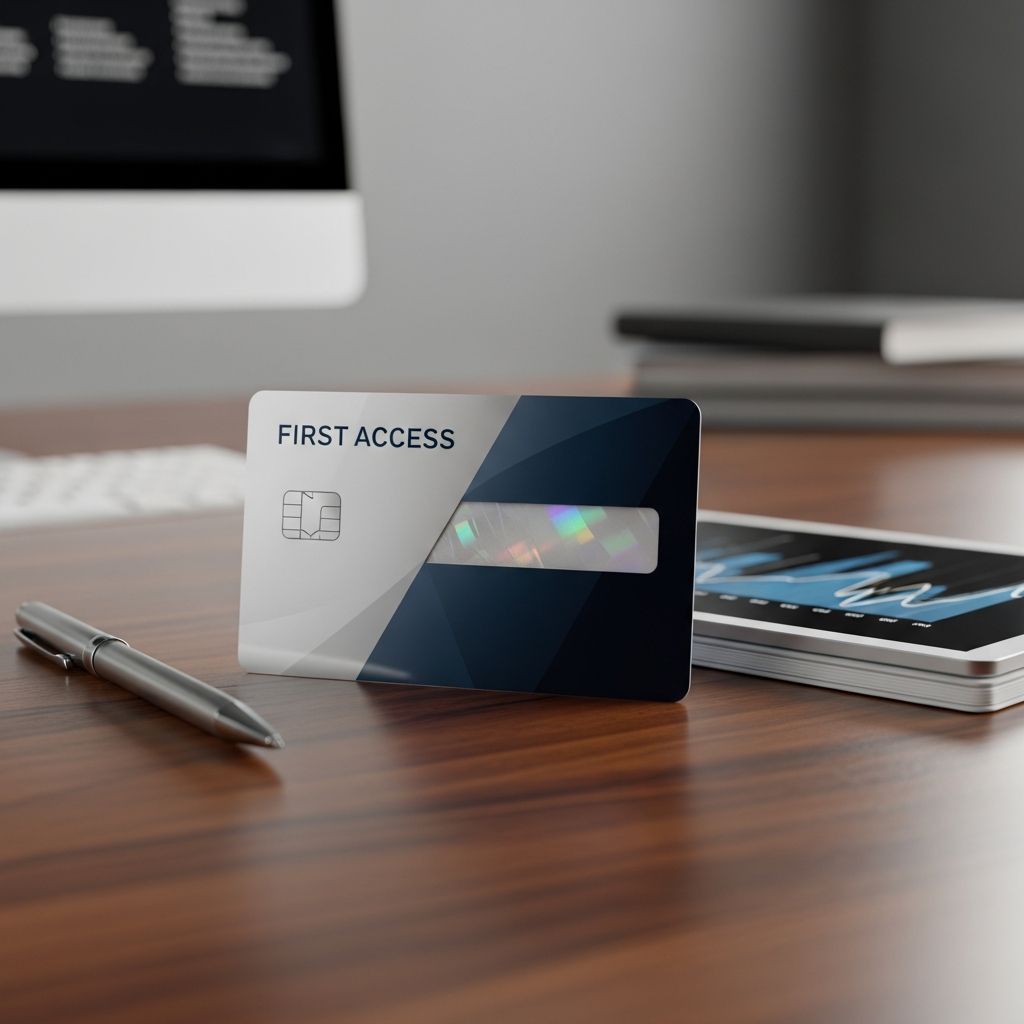
Building credit can be challenging, especially if you have a limited credit history or past financial difficulties. The First Access credit card positions itself as a solution for individuals seeking to rebuild their credit profile. However, like many credit products designed for those with less-than-perfect credit, it comes with significant trade-offs. This comprehensive review examines the First Access credit card’s features, fees, benefits, and potential drawbacks to help you determine if it’s the right choice for your financial situation.
First Access Credit Card Highlights
Understanding the key features of the First Access credit card is essential before making an application decision. Here are the primary characteristics:
- $95 one-time setup fee
- $75 annual fee in the first year, reducing to $48 in subsequent years
- Extremely high APR of 35.99% (variable)
- Initial credit limit of $300 with no ability to increase for 12 months
- 1% cash back rewards on all payments made toward your balance
- No security deposit required
- Reports to all three major credit bureaus
- Easy online application with instant approval decisions
Main Benefits and Perks
Easy Application Process
The First Access credit card application is entirely online and designed for speed. Most applicants receive an approval decision within minutes of completing their information. The streamlined process makes it accessible to those who may not qualify for traditional credit cards. If instant approval isn’t possible, First Access will contact you via email or letter to request additional documentation or explain their decision.
Accepted Anywhere Visa Is Accepted
Despite being marketed toward individuals with challenged credit histories, the First Access credit card is a standard Visa card. This means you can use it anywhere that accepts Visa payments—millions of merchants worldwide. This universal acceptance is particularly valuable for those rebuilding credit, as it allows you to integrate credit-building into your regular spending habits without restriction.
Earn Rewards for Making Payments
Unlike many credit-building cards that offer no rewards whatsoever, First Access provides 1% cash back on all payments made toward your bill. For every $100 you pay, you earn $1 in cash back. While this may seem modest, it represents genuine value for responsible cardholders, encouraging consistent payment behavior while providing a financial reward for building positive credit habits.
Reports to All Three Credit Bureaus
A critical feature for credit-building purposes, the First Access credit card reports your activity to Equifax, Experian, and TransUnion. When you use the card responsibly—paying on time, staying well below your credit limit, and managing your overall credit utilization—this reporting helps establish a positive payment history that can incrementally improve your credit score over time.
No Security Deposit Required
The First Access credit card is an unsecured credit card, meaning you don’t need to provide collateral or deposit funds upfront to obtain a credit line. This is a significant advantage over secured credit cards, which typically require you to deposit money equal to your credit limit. While your initial credit limit is modest at $300, you gain access to credit without tying up your own cash.
Significant Drawbacks to Consider
High Fees Structure
Perhaps the most problematic aspect of the First Access credit card is its extensive and expensive fee structure. These fees can quickly erode any benefits gained from the card’s credit-building features:
- $95 setup fee – charged once upon approval
- $75 annual fee – first year; reduces to $48 thereafter
- $8.25 monthly fee – begins after the first 12 months
- $10 or 3% cash advance fee – charged on cash advances
- Up to $41 late or returned payment fee – for missed or bounced payments
- $29 per authorized user fee – if you add additional cardholders
- $10 premium card design fee – for specialty card aesthetics
- 25% credit limit increase fee – applied to any requested limit increases
These fees compound significantly. In your first year alone, you could face $95 (setup) + $75 (annual) + up to $99 (monthly fees for nine months) = approximately $269 in fees, assuming no additional charges. For someone with a $300 credit limit, this represents nearly 90% of your available credit consumed by fees alone.
Extremely High Interest Rate
At 35.99% APR, the First Access credit card carries one of the highest interest rates available in the credit card market. This variable rate means that any balance you carry will accrue interest rapidly. For context, the average credit card APR hovers around 20-21%. At the First Access rate, a $1,000 balance would cost approximately $359.90 in annual interest charges alone. This makes it critically important to pay off your balance in full each month—carrying any revolving balance quickly becomes financially devastating.
Required Checking Account
To qualify for the First Access credit card, you must maintain an active checking account. This requirement eliminates the card as an option for unbanked individuals who lack traditional banking relationships. If you’re trying to rebuild credit but don’t have a bank account, you’ll need to explore alternative credit-building options.
Low Initial Credit Limit
Your starting credit limit is just $300, one of the lowest in the credit card market. You cannot request an increase for 12 months, after which First Access charges a fee equal to 25% of the requested increase. This restriction limits your ability to make larger purchases or manage unexpected expenses, potentially forcing you to seek alternative credit sources.
Does the First Access Credit Card Help Build Credit?
The First Access credit card can help build credit, but only if you use it strategically and responsibly. Since the card reports to all three major credit bureaus, your payment history becomes part of your credit profile. Making on-time payments, keeping your utilization low (ideally below 30% of your $300 limit), and avoiding late fees demonstrates responsible credit behavior. However, the high fees and interest rate mean that the actual financial benefit may be offset by the costs of using the card, particularly if you carry a balance.
The card works best as a short-term credit-building tool—using it for one or two small, easily manageable purchases each month, paying them off in full immediately, and gradually improving your credit score over 6-12 months. Once your credit score improves sufficiently, graduating to a better credit card with lower fees and rates should be your primary goal.
Credit Limit and Increases
All new First Access cardholders receive an initial $300 credit limit. This limit cannot be increased during your first 12 months of card membership. After one year, you may call customer service to request a credit line increase. However, eligibility for increases is not guaranteed, and First Access charges a fee equal to 25% of your requested increase. For example, requesting a $100 increase to reach $400 would cost you $25.
Is the First Access Credit Card Secured?
No, the First Access credit card is not a secured card. It’s an unsecured credit product, which means you don’t need collateral or a security deposit to obtain your credit line. First Access compensates for this risk by charging the high 35.99% APR and implementing the extensive fee structure mentioned above. Essentially, they’re betting that cardholders will pay the premium for unsecured credit access.
Comparison With Alternatives
When evaluating the First Access credit card, it’s worth comparing it to other credit-building options available in the market. Many financial institutions offer credit-building cards with significantly better terms. For example, the Capital One Platinum Credit Card charges no annual fees, no setup fees, and has a lower APR. The Upgrade Cash Rewards Visa offers similar rewards functionality without the excessive fee structure.
| Feature | First Access | Capital One Platinum | Upgrade Rewards |
|---|---|---|---|
| Setup Fee | $95 | $0 | $0 |
| Annual Fee | $75/$48 | $0 | $0 |
| APR | 35.99% | 26.99% | Varies |
| Credit Limit | $300 | $200-$2,500 | $500+ |
| Rewards | 1% on payments | None | 1% on purchases |
| Security Deposit | No | No | No |
Who Should Consider This Card
The First Access credit card is specifically designed for individuals with poor or limited credit history who cannot qualify for mainstream credit cards. If you fall into this category, have no other credit-building options available, and can commit to paying your balance in full every month to avoid interest charges, the card may serve as a stepping stone. The key is using it as a temporary solution—not a long-term credit product.
The card is not appropriate for individuals who already have fair or good credit, those who anticipate carrying balances, or anyone who cannot commit to paying bills on time. For these individuals, virtually any alternative credit card would be superior.
Frequently Asked Questions
Q: What is the payment due date for the First Access credit card?
A: Your payment due date is only 21 days after your billing cycle closes, which is shorter than the typical 24-25 day grace period offered by most credit cards. This shorter timeline requires more careful attention to payment schedules.
Q: Can I redeem my cash back rewards immediately?
A: No. You cannot redeem cash back until your account has been active and in good standing for at least six months. This limitation is unusual and restricts your access to earned rewards.
Q: What happens if I miss a payment?
A: First Access charges up to $41 for a late or returned payment, significantly damaging your credit score in the process. This underscores the importance of setting up automatic payments or calendar reminders.
Q: Is there a grace period for purchases?
A: Unlike most credit cards, the First Access credit card has no grace period on purchases. This means interest begins accruing immediately on new charges, making it even more critical to pay balances in full quickly.
Q: How long should I keep the First Access card?
A: Ideally, use it for 6-12 months to establish positive payment history and improve your credit score. Once your score increases sufficiently, apply for a better credit card with lower fees and rates, then close the First Access account or keep it open with minimal use.
Q: Will the First Access card impact my credit score negatively?
A: A hard inquiry from your application will cause a small, temporary dip in your credit score. However, the positive payment history established through responsible use should offset this decline within a few months.
The Bottom Line
The First Access credit card represents an expensive solution to a real problem: building credit when traditional options aren’t available. While the card does offer genuine benefits—no security deposit, universal Visa acceptance, rewards, and credit bureau reporting—the excessive fees and punitive 35.99% APR make it a challenging proposition financially.
For most individuals, there are superior credit-building alternatives available. However, if you’ve exhausted other options, have no access to secured credit cards, and can absolutely commit to paying your balance in full each month while avoiding all additional fees, the First Access card may serve as a temporary stepping stone. The key is treating it as a short-term tool—not a permanent solution—and graduating to better credit products as your score improves.
Before applying, carefully consider whether the fees justify the credit-building benefits in your specific situation. If you have any doubts, explore other credit-building options first.
References
- First Access Visa Credit Card Review 2025 — Money Crashers. Accessed November 2025. https://www.moneycrashers.com/first-access-credit-card-review/
- First Access Visa Credit Card Review — Bankrate. https://www.bankrate.com/credit-cards/reviews/the-first-access-visa-credit-card/
- First Access Visa Card Review: Worth the Fees? — Kudos. https://www.joinkudos.com/blog/first-access-visa-r-card-review-is-it-right-for-you
- First Access VISA: High Fees for Bad Credit — LendingTree. https://www.lendingtree.com/credit-cards/review/first-access/
- 5 Things to Know About the First Access Credit Card — NerdWallet. https://www.nerdwallet.com/credit-cards/learn/first-access-credit-card
Similar Articles








Read full bio of Sneha Tete