Fire Claims and Home Insurance Rate Changes
Discover how a fire claim or nearby incident can raise your home insurance premiums, the typical increases, duration, and strategies to manage costs effectively.
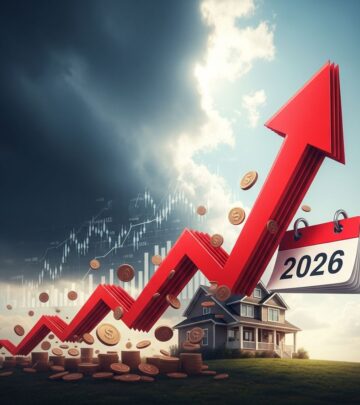
Submitting a fire-related claim on your homeowners insurance policy typically results in higher premiums, with average increases around 29% for a single claim and up to 60% for multiple ones. These adjustments stem from insurers’ risk assessments that factor in claim history alongside broader neighborhood and regional data.
Understanding Premium Adjustments After Fire Events
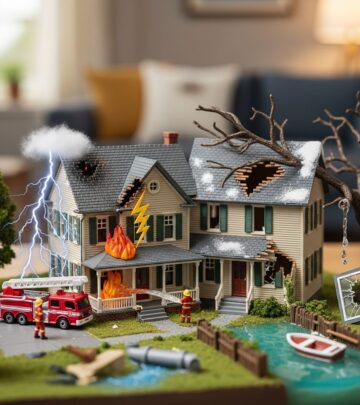
Home insurance rates are calculated based on perceived risk levels, which encompass individual property details, local claims patterns, and large-scale events like wildfires. A fire claim signals elevated vulnerability to your insurer, prompting a reevaluation of your policy terms at renewal. Even without a personal claim, incidents in your vicinity can trigger rate hikes because carriers analyze data at the ZIP code or community level to distribute risk across policyholders.
Fire claims stand out due to their high associated costs. In 2021, the average payout for fire and lightning damage reached $83,519, far exceeding typical wind and hail claims at $12,913. This disparity underscores why such events disproportionately affect premiums compared to minor damages.
Quantifying the Impact: Expected Rate Hikes
Premium escalations vary by claim severity, prior history, location, and insurer policies. Data indicates a single fire claim often leads to a 21-29% rise, while repeated incidents in proximity can push increases beyond 60%. In high-risk zones like parts of California or Texas, homeowners have faced hikes up to 43% amid rising wildfire frequency.
| Claim Type | Average Premium Increase | Example Context |
|---|---|---|
| Single Fire Claim | 29% | Individual property fire |
| Multiple Claims | 60%+ | Neighborhood incidents |
| ZIP Code Fire Event | 21-29% | Nearby neighbor’s loss |
| Climate High-Risk Area | 82% over baseline | 2018-2022 data |
This table summarizes averages drawn from industry reports, highlighting how context amplifies effects. Individual results depend on factors like credit score and home features.
Why Neighborhood Fires Affect Your Rates
Insurers employ catastrophe models and databases like the Comprehensive Loss Underwriting Exchange (CLUE) to track claims for up to seven years. A fire next door updates local risk profiles, potentially surcharging all properties in the area. From 2018 to 2022, areas with elevated climate risks saw premiums 82% higher than safer counterparts, illustrating shared risk dynamics.
- Risk pooled across communities: Individual homes contribute to collective data pools.
- Analytics-driven pricing: Algorithms flag zones with recent losses.
- Proximity matters: Block-level data can influence even non-affected homes.
Duration of Premium Increases
Surcharges from fire-related events generally persist 3 to 7 years, aligned with CLUE retention periods. Insurers review recent history, often 3-5 years, but full records linger. State regulations may cap visibility of older claims, allowing gradual normalization.
In practice, a nearby fire might elevate rates for the full seven-year window unless mitigated by loss-free years or policy switches. Proactive measures can accelerate recovery.
Additional Factors Driving Rate Escalations
Beyond claims, several elements contribute to rising premiums:
- Construction inflation: Materials costs up 19% since 2020, per Gordian data, alongside labor shortages.
- Aging infrastructure: Older homes with outdated wiring or roofs face higher scrutiny.
- New hazards: Additions like pools or certain pets increase liability exposure.
- Disaster trends: Natural catastrophe losses up nearly 700% since the 1980s, per Insurance Information Institute.
In California, dwelling fire policies surged from $150 to $230 per $100,000 covered value between 2018 and 2021, reflecting wildfire pressures. Nationally, premiums rose 24% from 2021-2024, outpacing 11% inflation.
Steps to Minimize Increases Post-Fire
Homeowners can counteract hikes through targeted actions:
- Shop competitors: Compare quotes; rates vary widely post-claim.
- Bolster credit: Strong scores correlate with lower premiums.
- Enhance safety: Install alarms, sprinklers, or updated wiring for discounts.
- Bundle policies: Combine auto and home for multi-line savings.
- Review coverage: Avoid over-insuring; opt for higher deductibles.
Documenting improvements via photos or inspections strengthens renewal negotiations.
Navigating Claims in High-Risk Areas
Wildfire-prone regions like California face insurer pullbacks, pushing reliance on state FAIR Plans with limited scopes. Premiums there have spiked, with some hikes exceeding 10% annually. Homeowners should assess dwelling fire policies for basic protection but pair with comprehensive options where possible.
Frequently Asked Questions
Does a neighbor’s fire raise my premiums?
Yes, nearby claims enter shared databases, often leading to 21-29% increases via territorial risk adjustments.
How much does a fire claim cost in premiums?
Average 29% for one claim; severity and history dictate exact figures.
Can I avoid rate hikes after filing?
Not typically, but shopping around and safety upgrades help offset impacts.
How long do surcharges last?
3-7 years, tied to CLUE data retention.
Does good credit help post-claim?
Yes, it can secure better rates from insurers factoring credit in pricing.
Long-Term Strategies for Rate Stability
To sustain affordability amid rising risks, prioritize preventive maintenance and annual policy audits. Community efforts, like neighborhood firebreaks, can influence local ratings. Monitoring state insurance departments for rate filing approvals provides foresight into trends.
Ultimately, informed homeowners blend vigilance with adaptability, turning potential crises into manageable adjustments.
References
- Does Your Home Insurance Premium Go up After a Fire? — Experian. 2023. https://www.experian.com/blogs/ask-experian/does-home-insurance-premium-go-up-after-fire/
- Insurance Information Institute: Facts + Statistics: Homeowners and renters insurance — III.org. 2023-01-01. https://www.iii.org/fact-statistic/facts-statistics-homeowners-and-renters-insurance
- The California Home Insurance Challenge in Eight Charts — Terner Center, UC Berkeley. 2023. https://ternercenter.berkeley.edu/research-and-policy/the-california-home-insurance-challenge-in-eight-charts/
- Why Your Home Insurance Premium Increased by 20% — Agency Height. 2023. https://agencyheight.com/home-insurance-premium-increase-after-neighbors-fire/
- Homeowners Insurance and Fire Damage — The Zebra. 2024. https://www.thezebra.com/homeowners-insurance/coverage/does-homeowners-cover-fire-damage/
Similar Articles








Read full bio of medha deb