Finding A Trustworthy Auto Mechanic: 6 Key Checks
Complete guide to selecting a reliable mechanic for your vehicle care needs

Selecting the right mechanic is one of the most important decisions you’ll make as a vehicle owner. Your choice directly impacts your car’s longevity, your safety on the road, and your financial well-being. A skilled and honest mechanic becomes an invaluable partner in maintaining your vehicle, while a poor choice can lead to unnecessary expenses, substandard repairs, and ongoing frustration. This guide walks you through the essential steps and considerations for identifying a mechanic who combines technical expertise with integrity and clear communication.
Understanding Why Mechanic Selection Matters
The consequences of choosing the wrong mechanic extend far beyond inconvenience. Improper repairs can compromise your vehicle’s safety, putting you and your passengers at risk. Honest, skilled mechanics perform repairs correctly the first time, saving you money on repeat visits and preventing costly damage from accumulated problems. A trustworthy professional explains what’s happening with your vehicle in understandable language, reducing the stress and anxiety many people feel about automotive issues. Additionally, building a relationship with a dependable mechanic means you have someone invested in your car’s long-term health who can provide preventative maintenance advice tailored to your specific vehicle.
Evaluating Professional Qualifications and Certifications
One of the most reliable indicators of a mechanic’s competence is their professional certification. The National Institute for Automotive Service Excellence (ASE) represents the gold standard in automotive technician credentials. Technicians earning ASE certification must pass rigorous examinations covering specific areas of automotive repair and maintain their credentials through retesting every five years. This requirement ensures that certified mechanics stay current with evolving automotive technology and repair standards.
Beyond ASE certification, inquire about a mechanic’s experience with your vehicle’s make and model. Some shops specialize in particular brands, developing deep expertise with specific systems and common issues. This specialization can be particularly valuable for European vehicles, luxury brands, or older classic cars that require specialized knowledge. Ask about the length of time the mechanic has been in business and their experience level. Longevity in the industry often correlates with customer satisfaction and business stability.
Gathering Information Through Research and Recommendations
Word-of-mouth recommendations remain one of the most valuable research tools available. Ask friends, family members, and coworkers about their mechanic experiences, paying attention to patterns in their feedback. People who have trusted a mechanic for years can offer genuine insights into reliability, honesty, and quality of work. Online review platforms provide another crucial research avenue, allowing you to identify patterns in customer satisfaction or recurring complaints. Look for reviews that provide specific details about experiences rather than vague praise or criticism.
The Better Business Bureau (BBB) offers an additional verification point, as repair shops that receive complaints are documented in their database. While every business occasionally receives complaints, the pattern and nature of complaints reveal important information. A shop that resolves issues constructively differs significantly from one with numerous unresolved disputes. Check the shop’s rating and read summaries of complaints to understand common concerns.
Consider visiting the shop’s website and social media presence. A professional online presence often reflects the shop’s overall standards. Look for information about their services, team credentials, and how they communicate with customers online. Shops that respond professionally to customer inquiries demonstrate strong communication values.
Assessing Communication and Transparency
Clear communication separates exceptional mechanics from mediocre ones. During your initial contact and consultation, observe how the mechanic addresses your concerns. A good mechanic listens carefully to your description of issues, asks clarifying questions, and explains their findings in plain language rather than automotive jargon. They take time to ensure you understand the problem and the proposed solution without rushing you through the conversation.
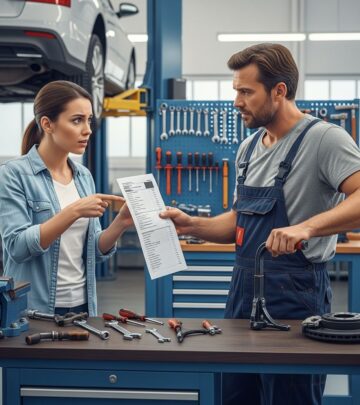
Before any work begins, you should receive a written estimate detailing the labor, parts, and additional charges. This estimate serves as a contract, protecting both you and the shop by establishing clear expectations. Reputable mechanics won’t proceed with work beyond what you’ve approved and will contact you before any significant price increases. If a mechanic pressures you to authorize work immediately or resists providing written estimates, this represents a major red flag.
Transparency about pricing extends to explaining why repairs are necessary. Be skeptical of mechanics who recommend expensive repairs without adequately explaining the problem or showing you the failed component. Honest mechanics are happy to discuss why a repair is essential and what happens if it’s delayed. They understand that educated customers make better decisions and develop greater trust in their recommendations.
Evaluating Shop Facilities and Organization
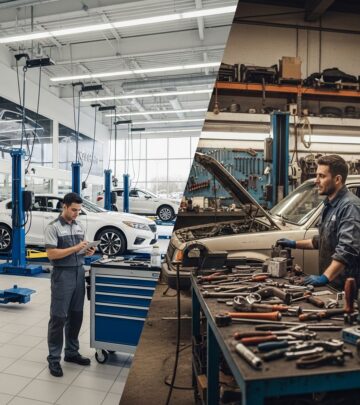
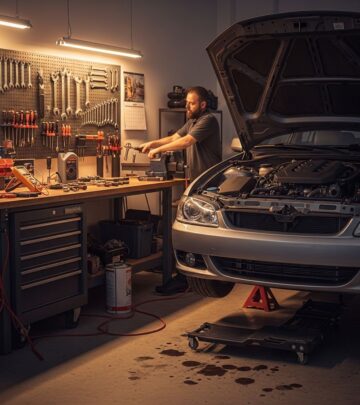
The condition and organization of a repair shop often reflect the professional standards of its staff. While shops don’t need to be sterile environments, signs of basic organization and cleanliness indicate that the mechanics care about quality work. A well-maintained facility suggests attention to detail extending to the repairs performed on your vehicle. Pay attention to whether tools are properly organized, whether the waiting area is clean and comfortable, and whether you can observe organized workflows in the repair bays.
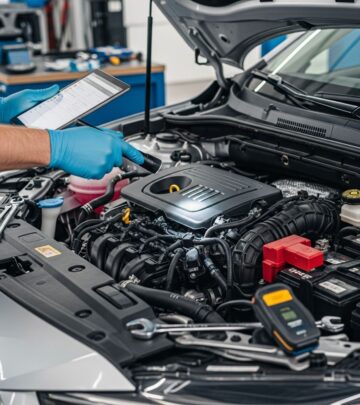
Modern repair work increasingly requires specialized diagnostic equipment. Ask about the diagnostic tools and equipment available at the shop. Shops equipped with computerized diagnostic systems can identify problems more accurately and efficiently than those relying solely on mechanical inspection. This equipment investment demonstrates the shop’s commitment to quality diagnostics and staying current with automotive technology.
Understanding Warranty Coverage and Guarantees
Warranties on repairs and parts provide concrete evidence of a mechanic’s confidence in their work. Reputable shops stand behind their repairs with guarantees, typically offering minimum coverage of 12 months and 12,000 miles on most repairs. Some shops provide longer warranties on specific work. This guarantee means the shop will address any issues that arise from their repair work without additional charges, demonstrating their commitment to quality.
When comparing shops, ask them to quote warranties for a common repair such as brake work. The warranty terms reveal how comfortable the shop is with the quality of their work. Shops offering generous warranties know that their reputation depends on getting repairs right the first time. Conversely, shops offering minimal or no warranty coverage suggest less confidence in their workmanship.
Understand the terms of any warranty clearly. Does it cover only labor or both parts and labor? Can you take your vehicle elsewhere if problems arise, or must you return to the original shop? Does the warranty transfer if you sell your car? These details matter when you need to rely on the warranty.
Starting with Minor Services as a Trial
Rather than trusting a new mechanic with major repairs immediately, test their work on routine maintenance tasks. An oil change, tire rotation, or fluid top-off provides an excellent opportunity to evaluate their competence, communication, and professionalism without significant financial risk. During this trial service, observe their attention to detail, whether they explain the vehicle’s condition, and how they communicate findings.
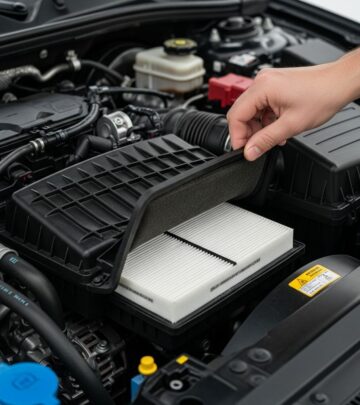
Ask to see old parts after routine service. Honest mechanics are happy to show you old spark plugs, air filters, or other replaced components, helping you understand why replacement was necessary. If a mechanic refuses to show you parts or gets defensive about your request, question their honesty.
Pay attention to how thoroughly they document your vehicle’s condition. Do they provide a written report detailing what was checked, what was done, and what might need attention in the future? Detailed documentation shows professionalism and provides you with a record of your vehicle’s maintenance history.
Making Your Decision: A Comparison Framework
| Evaluation Criteria | Good Indicator | Warning Sign |
|---|---|---|
| Certifications | ASE certified, current credentials | No certifications mentioned |
| Communication | Clear explanations, patient responses | Vague answers, dismissive attitude |
| Estimates | Written, detailed, before work starts | Verbal only, vague costs, surprises after |
| Facility | Organized, clean, modern equipment | Cluttered, dirty, outdated tools |
| Warranties | 12+ months/12k miles standard | No warranty or minimal coverage |
| Reviews | Consistent positive feedback | Multiple unresolved complaints |
Independent Shops Versus Dealerships
The choice between independent mechanics and dealership service departments depends on several factors. Independent shops often offer more competitive pricing and may provide greater flexibility in scheduling. However, dealerships sometimes possess specialized diagnostic equipment and training specific to your vehicle’s brand. If your vehicle is under warranty, confirm that independent repairs won’t void coverage before choosing that option.
Quality mechanics exist in both settings. The determining factor should be the individual mechanic’s expertise, communication style, and reputation rather than the type of facility. An honest, skilled independent mechanic may serve you better than a dismissive dealership technician, and vice versa.
Building and Maintaining a Lasting Relationship
Once you’ve identified a trustworthy mechanic, invest in maintaining that relationship. Follow their maintenance recommendations for oil changes, tire rotations, and inspections to keep your vehicle in optimal condition and identify potential problems early. Keep detailed records of all services and repairs, creating a comprehensive maintenance history for your vehicle. This documentation helps future mechanics understand your car’s service history and can increase resale value.
Communicate openly about any unusual sounds, performance changes, or concerns you notice. Early reporting of potential problems often prevents small issues from becoming expensive repairs. Ask questions when you don’t understand something—good mechanics welcome the opportunity to educate customers. Finally, show appreciation for quality service. A mechanic who feels valued and respected will prioritize your vehicle and maintain the strong relationship you’ve built.
Frequently Asked Questions
How long should I wait for an appointment with a good mechanic?
Quality mechanics are often busy, which typically indicates they have satisfied customers. A one to three-week wait for non-emergency service is normal. However, reputable shops maintain flexibility for safety issues like brake problems or suspension concerns.
Should I always get a second opinion on major repairs?
For repairs costing $1,000 or more, obtaining a second opinion protects your interests. Take your vehicle to another qualified mechanic with your original estimate and let them provide independent assessment. This approach helps confirm the necessity and scope of major work.
What should I do if I discover work was completed improperly?
Contact the original shop immediately with documentation of the problem. Reputable shops will correct warranty-covered issues at no charge. If the shop refuses responsibility, contact the Better Business Bureau and consider small claims court for significant financial losses.
How often should I change mechanics?
Once you’ve found a trustworthy mechanic, consistency provides significant advantages. They become familiar with your vehicle’s history and quirks, enabling faster diagnostics. Change only if service quality declines or you move to a location too far away to visit the shop conveniently.
Key Takeaways for Finding Your Perfect Mechanic
Selecting a trustworthy mechanic requires patience and research but yields significant rewards in vehicle longevity, safety, and cost savings. Prioritize certified professionals with strong community reputations who communicate clearly and transparently about pricing. Evaluate their facilities, warranty coverage, and willingness to explain your vehicle’s condition. Test new mechanics with routine maintenance before entrusting them with major repairs. Trust your instincts—if something feels wrong in your interactions with a mechanic, exploring other options is wise. By following these guidelines, you’ll develop a professional relationship with a mechanic who truly cares about your vehicle’s health and your peace of mind.
References
- How to Choose a Mechanic You Can Trust — Wawanesa U.S. 2024. https://www.wawanesa.com/us/blog/how-to-choose-a-mechanic-you-can-trust
- How to Find a High-Quality Car Repair Shop — Consumer Reports. 2024. https://www.consumerreports.org/cars/car-repair-maintenance/how-to-find-a-high-quality-car-repair-shop-a9066489721/
- How Do I Choose a Good Mechanic? — Applewood Auto Care. 2024. https://applewoodautocare.com/how-do-i-choose-a-good-mechanic/
- Reliable Auto Repair Shop Selection Tips — Honest Mechanix. 2024. https://www.honestmechanix.net/post/how-to-choose-a-reliable-auto-repair-shop
Similar Articles








Read full bio of Sneha Tete