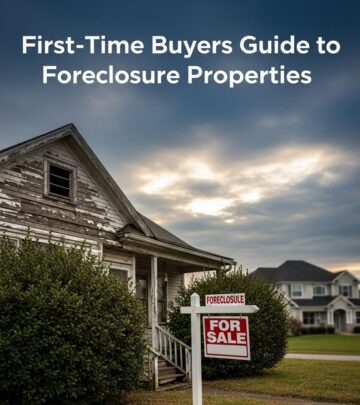
Finding an REO or Short Sale Buyer’s Agent
Expert guidance on selecting the right buyer's agent for REO and short sale transactions.

Finding an REO or Short Sale Buyer’s Agent: A Comprehensive Guide
Navigating the complex world of real estate-owned (REO) properties and short sales requires specialized expertise that goes far beyond traditional home buying. When you’re ready to make an offer on a distressed property, having the right buyer’s agent by your side can mean the difference between a successful transaction and a costly mistake. This guide will help you understand what to look for when selecting a buyer’s agent who specializes in REO and short sale transactions.
Understanding REO and Short Sale Transactions
Before diving into agent selection, it’s important to understand the unique nature of these property types. An REO property is a home that has gone through foreclosure and is now owned by the lender or mortgage company. A short sale, by contrast, is a property sold for less than what is owed on the mortgage, with the lender’s approval of the reduced payoff. Both transactions involve multiple parties and complex approval processes that differ significantly from standard real estate deals.
The buyer’s agent represents your interests throughout these specialized transactions. They communicate with listing realtors, facilitate the submission of purchase offers, and advocate for you during negotiations. Unlike traditional sales where the process moves relatively quickly, REO and short sale transactions can take months or even longer, requiring an agent with patience, persistence, and deep market knowledge.
Key Qualifications to Look for in an REO or Short Sale Agent
Experience in Distressed Properties
The most critical qualification for a buyer’s agent in this niche is direct experience with REO and short sale transactions. Your agent should have handled multiple deals of this type and be familiar with the unique challenges and timelines involved. Ask potential agents how many short sales and REO properties they’ve represented buyers on in the past two years. An agent with fewer than five transactions in this area may not have sufficient expertise to guide you effectively through the process.
Understanding of the Lender Approval Process
A qualified agent must understand how lenders evaluate short sales and REO properties. They should be familiar with the lender’s loss mitigation department, the approval timelines, and the documentation requirements. Your agent should know what makes a lender more likely to approve a transaction and how to structure an offer to maximize approval chances. They should also understand how brokers price opinions (BPOs) work and why lenders commission them to verify property valuations.
Strong Communication and Negotiation Skills
In REO and short sale transactions, your agent will need to communicate with multiple parties simultaneously: the seller, listing agent, lender, title company, and possibly attorneys. They must be able to manage expectations, keep all parties informed, and prevent deals from falling apart due to miscommunication. Additionally, they should have excellent negotiation skills to advocate for your interests while working toward lender approval.
Local Market Expertise
Your agent should have deep knowledge of your local real estate market, including comparable sales, pricing trends, and neighborhood dynamics. This expertise is crucial for determining fair market value and understanding why a property is being sold at a discount. Agents familiar with local market conditions are better equipped to help you identify genuine opportunities versus properties that may have underlying issues.
Vetting Potential Buyer’s Agents
Ask the Right Questions
When interviewing potential agents, ask specific questions about their experience with distressed properties. Consider asking:
- How many REO and short sale transactions have you completed in the past two years?
- What is your average timeline for these types of transactions in our market?
- Can you provide references from recent clients who purchased REO or short sale properties?
- How do you handle situations where a lender rejects an offer or changes terms?
- What documentation do you typically prepare before making an offer?
- How frequently do you communicate with clients during the lender approval phase?
- Are you familiar with state-specific laws affecting short sales and foreclosure transactions?
Check Professional Credentials
Verify that your potential agent holds a valid real estate license and is a member of the National Association of REALTORS® (NAR). Some agents pursue additional designations such as the REALTORS® Short Sales and Foreclosure Resource (SFR) certification, which indicates specialized training in distressed properties. While not required, these credentials demonstrate a commitment to professional development in this niche.
Review Past Transactions
Request a list of recent transactions, particularly those involving REO and short sale properties. Ask about the average time on market, approval rates, and whether deals closed on schedule. An agent with a strong track record in this area will have data to back up their claims and should be willing to provide client references you can contact directly.
Assess Market Knowledge
A knowledgeable agent should be able to discuss current market conditions, inventory levels of REO properties, and typical approval timelines for your local lenders. They should also understand how economic factors affect short sale and REO transactions. During your consultation, ask them to analyze a specific property you’re interested in and explain their pricing assessment and lender approval likelihood.
Understanding the Buyer’s Agent’s Role in REO and Short Sales
Pre-Offer Analysis
Before you make an offer, your agent should pre-qualify the listing agent, seller, and property itself. This includes understanding the current status of the short sale process and evaluating whether the property represents a legitimate opportunity. Your agent should review MLS remarks for “subject to lender approval” wording and determine what stage the short sale is in. This preliminary work helps manage expectations and prevents you from making offers on properties unlikely to close.
Offer Preparation and Submission
Your agent will help you craft a strong, clean offer that includes appropriate contingencies and language acknowledging lender approval requirements. They’ll ensure your offer is well-structured and positions you competitively while protecting your interests. Your agent should also advise on offering price strategy, considering comparable sales and the property’s condition.
Lender Package Compilation Assistance
Once the seller accepts your offer, the listing agent will compile the short sale package for lender submission. This typically includes the purchase contract, seller hardship letter, financial statements and tax returns, and comparative market analysis. Your agent should stay in touch with the listing agent throughout this process, checking for lender updates and keeping you informed of progress.
Timeline and Approval Management
Your agent serves as your advocate during the potentially lengthy lender approval phase. They should maintain regular communication with the listing agent and lender’s loss mitigation department, providing you with realistic updates about approval likelihood and timeline. When the lender finally issues an approval letter outlining the approved sale price, net proceeds required, and expiration date for approval, your agent will help you understand the terms and coordinate next steps.
Problem-Solving During Complications
In complex situations involving discrepancies in property valuations, legal concerns, or investor hesitations, your agent should employ problem-solving skills to find solutions that keep the transaction moving forward. They should advocate for your interests while remaining pragmatic about lender requirements and constraints.
Red Flags When Evaluating Agents
Be cautious of agents who make unrealistic promises about timelines or approval likelihood. Short sales and REO transactions inherently involve uncertainty, and any agent guaranteeing quick closings is being misleading. Similarly, be wary of agents with minimal experience in this niche or those who treat REO and short sale deals the same as traditional transactions.
Avoid agents who pressure you to make offers quickly without adequate analysis or who seem unfamiliar with lender requirements and documentation needs. Additionally, steer clear of agents who lack strong communication skills or seem unwilling to update you regularly throughout the process. The combination of inexperience and poor communication can result in missed opportunities or costly mistakes.
The Importance of Specialization
While many real estate agents claim to handle REO and short sale transactions, true specialization requires dedicated focus and extensive experience. An agent who occasionally handles these transactions may not have the depth of knowledge needed to navigate the complexities effectively. Look for agents who focus a significant portion of their business on distressed properties and can demonstrate consistent success in this area.
Specialized agents have relationships with lenders’ loss mitigation departments, understand common reasons for approval or denial, and know how to structure deals for maximum approval likelihood. They’ve encountered most problems that arise in these transactions and know how to resolve them efficiently. This expertise typically translates to better outcomes for buyers and a smoother overall experience.
Making Your Final Decision
After interviewing multiple agents and gathering information, compare your options based on experience, market knowledge, communication style, and pricing. Remember that agent commission is typically the same across agents, so your decision should focus on expertise and service quality rather than cost. The savings from an experienced agent’s guidance often far exceed any savings from choosing a less knowledgeable representative.
Choose an agent who makes you feel confident in their abilities, communicates clearly and regularly, and demonstrates genuine interest in helping you navigate this complex process. Your relationship with your buyer’s agent will be crucial throughout the entire transaction, so personal rapport and trust are important considerations alongside professional qualifications.
Frequently Asked Questions
Q: What is the difference between an REO property and a short sale?
A: An REO property is owned by the lender after foreclosure, while a short sale is sold by the current owner for less than the mortgage balance with lender approval. REO transactions typically have clearer timelines, while short sales can be more unpredictable.
Q: How long does the lender approval process typically take?
A: While timelines vary by lender and property, the approval process often takes 30 to 60 days or longer. Your agent should have data on typical approval timeframes for major lenders in your market.
Q: Should I make an offer contingent on inspection in a short sale?
A: Yes, inspection contingencies are important in these transactions. However, structure them carefully and understand that lenders may require inspections before approval. Your agent should advise on appropriate contingency language for your market.
Q: Can the lender change terms after initially approving a short sale?
A: Unfortunately, yes. Even after months of waiting, lenders can reject or change terms without explanation. This is one reason having an experienced agent is crucial—they can help manage this risk and keep deals on track.
Q: What should I avoid when working with a buyer’s agent on short sales?
A: Avoid making offers without proper analysis, ignoring communication from your agent, pushing unrealistic timelines, and failing to pre-qualify properties. Trust your agent’s expertise and follow their guidance on structuring offers for lender approval.
Q: Do I need pre-approval for a short sale purchase?
A: Yes, lenders typically require buyer pre-approval before considering an offer. Pre-approval demonstrates your financial capacity to close and increases your offer’s credibility with the lender.
References
- Who are the Players in a Short Sale Transaction? — Orlando Realty Consultants. Accessed November 2025. https://orlandorealtyconsultants.com/who-are-the-players-in-a-short-sale-transaction/
- A Guide to Short Sales & Foreclosure Transactions — Chicago Realtor. Accessed November 2025. https://chicagorealtor.com/a-guide-to-short-sales-foreclosure-transactions/
- What Role Does a Realtor Have in a Short Sale? — Your Home Sold Guaranteed Realty. Accessed November 2025. https://yourhomesoldguaranteedrealty-barbhasthebuyers.com/what-role-does-a-realtor-have-in-a-short-sale/
- Representing a Buyer in a Short Sale: A Step-by-Step Guide for Realtors — Glass Realty Florida. Accessed November 2025. https://glassrealtyflorida.com/blog/representing-a-buyer-in-a-short-sale-a-step-by-step-guide-for-realtors
- The Short Sale Workflow — National Association of REALTORS®. Accessed November 2025. https://www.nar.realtor/legal/risk-management/the-short-sale-workflow
Similar Articles








Read full bio of Sneha Tete