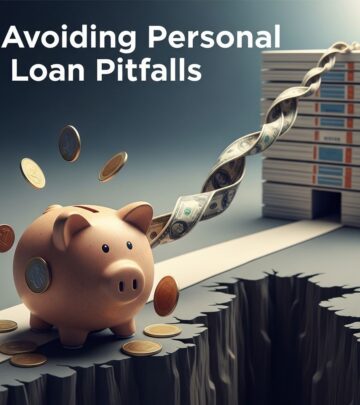
How to Find a Trustworthy Personal Loan Lender
Learn how to evaluate personal loan lenders, compare offers, and avoid costly borrowing mistakes with a clear, step-by-step approach.

Personal loans can be powerful tools for consolidating debt, covering emergencies, or financing big expenses, but only if you borrow from a trustworthy lender and fully understand the cost of the loan. Choosing the wrong lender can leave you with higher rates, unexpected fees, and long-term financial stress.
This guide walks you through how to evaluate personal loan lenders, compare offers the right way, read the fine print, and avoid scams so you can borrow confidently and responsibly.
What Makes a Personal Loan Lender Trustworthy?
A trustworthy personal loan lender is one that is transparent, regulated, fairly priced, and responsive to borrowers. You should be able to clearly understand what you will pay, how long you will pay it, and what happens if you miss a payment.
Trustworthy lenders are typically banks, credit unions, and licensed online lenders that follow federal and state lending laws, including disclosure requirements under the Truth in Lending Act (TILA), which requires clear presentation of interest rates and total finance charges.
Key Traits of a Reliable Lender
- Clear disclosures: APR, fees, repayment term, and total cost are easy to find and understand before you apply.
- Regulation and licensing: The lender operates under applicable federal and state rules and is properly licensed, where required.
- Fair pricing: Rates and fees are competitive for your credit profile, not wildly above what similar lenders charge.
- Reasonable underwriting: The lender evaluates your ability to repay by reviewing income, debts, and credit history.
- Robust customer support: Multiple support channels, clear complaint procedures, and helpful information about hardship options.
- Data security: Uses encryption and clear privacy policies to protect your personal and financial data.
Types of Personal Loan Lenders
| Type of Lender | Typical Strengths | Typical Drawbacks |
|---|---|---|
| Banks | Established institutions, competitive rates for strong credit, in-person service. | May require existing relationship, stricter approval criteria. |
| Credit Unions | Often lower rates and fees, member-focused, more flexible for moderate credit. | Membership required, smaller geographic reach. |
| Online Lenders | Fast applications, quick decisions, broad range of credit profiles served. | Rates and fees vary widely; some lenders are less established. |
| Online Marketplaces | Compare multiple offers with one form, convenient rate shopping. | Lead generation can increase marketing calls/emails. |
Step-by-Step: How to Evaluate Personal Loan Lenders
Before you apply for a personal loan, take a systematic approach. Rushing can lock you into an expensive or inflexible loan that is difficult to escape.
1. Check the Lender’s Legitimacy
- Verify registration and licensing: In the U.S., many lenders are banks or credit unions regulated at the federal or state level. You can usually verify licensing through your state financial regulator or attorney general’s website.
- Confirm company identity: Make sure the lender has a physical address, real customer service phone numbers, and a professional domain (not free email services).
- Review public records: Check for enforcement actions or warnings from agencies such as the Consumer Financial Protection Bureau (CFPB).
2. Compare APR, Not Just Interest Rate
The annual percentage rate (APR) reflects both the interest rate and required fees, providing a single measure of loan cost. Comparing APRs is the most reliable way to compare offers between lenders.
- Two loans with the same interest rate can have very different APRs if one charges high origination fees.
- Marketplace sites and banks often publish a range of APRs based on borrower credit profiles and loan terms.
- Make sure you are comparing APRs for the same loan amount and term (for example, $10,000 over 3 years).
3. Examine Fees and Total Cost
Fees can significantly increase what you pay over the life of the loan, even if the interest rate looks competitive.
- Origination fee: A one-time fee deducted from your loan or added to your balance.
- Late fees: Charged if you miss or delay a payment.
- Prepayment penalty: A fee for paying off your loan early (many reputable personal loans have no prepayment penalty).
- Non-sufficient funds (NSF) fees: If your payment attempt fails due to low balance.
When comparing lenders, consider the total amount you will have paid by the end of the term: principal plus all interest and mandatory fees.
4. Review Eligibility Requirements
Each lender sets its own underwriting standards, and understanding these can save time and unnecessary hard credit inquiries.
- Credit score ranges: Many banks and prime lenders reserve their best terms for borrowers with good to excellent credit, while some online lenders serve borrowers with fair or limited credit histories.
- Income and employment: Lenders typically look for stable income that supports the new payment alongside existing debt.
- Debt-to-income (DTI) ratio: A lower DTI (your monthly debts compared to income) may improve approval odds.
- Membership requirements: Credit unions often require membership; some banks lend only to existing customers.
5. Evaluate Loan Terms and Flexibility
Beyond price, the structure and flexibility of the loan should fit your financial situation and goals.
- Loan amounts: Some lenders focus on smaller loans while others offer larger balances for big projects.
- Repayment terms: Shorter terms usually mean higher payments but lower total interest; longer terms lower your monthly cost but increase total interest.
- Repayment features: Look for options such as autopay discounts, due-date changes, or hardship assistance if you run into trouble.
- Funding speed: Some lenders can fund loans as quickly as the same or next business day after approval.
6. Research Reputation and Customer Experience
While no lender is perfect, consistent patterns in public feedback can highlight strengths and weaknesses.
- Independent reviews: Consider evaluations from financial publications that systematically rate personal loan products across multiple criteria.
- Customer feedback: Look at common themes related to billing, customer service, and problem resolution.
- Complaint handling: Reputable lenders typically respond promptly and professionally to complaints.
Common Red Flags: Signs a Lender May Not Be Trustworthy
Learning what to avoid is just as important as knowing what to look for. Certain practices are strong warning signs that a lender may be predatory or even fraudulent.
- Guarantees of approval without checking your credit or income: Legitimate lenders assess your ability to repay; blanket guarantees in all circumstances are suspect.
- Pressure to decide immediately: High-pressure sales tactics and rushed deadlines are often used to push borrowers into unfavorable terms.
- Upfront fees before loan approval: Reputable personal loan lenders do not require you to pay a separate fee before your loan is approved and disbursed.
- Requests for unusual payment methods: Demands for payment via gift cards, cryptocurrency, or wire transfers to individuals are strong fraud indicators.
- Lack of clear written documentation: You should receive a full loan agreement and disclosures before committing.
- Unsolicited aggressive outreach: Repeated phone calls, emails, or messages promising instant cash with minimal details often signal scams.
How to Compare Multiple Personal Loan Offers
Comparing offers correctly can save you a significant amount over the life of the loan. Research indicates that shopping around for credit can lead to better terms, particularly when borrowers obtain several quotes in a short window.
Use Prequalification When Possible
Many lenders and marketplaces offer prequalification, allowing you to see likely rates and terms based on a “soft” credit inquiry that does not affect your credit score.
- Use prequalification to gather several offers before submitting a full application.
- Confirm whether the estimated APR includes any origination fees.
- Understand that final approval and pricing may differ slightly from prequalification.
Compare Key Data Points Side by Side
| Factor | Why It Matters | What to Prefer |
|---|---|---|
| APR | Captures interest and required fees. | Lower APR for the same term and amount. |
| Monthly Payment | Affects your monthly budget and cash flow. | Payment you can afford comfortably without stretching. |
| Loan Term | Impacts total interest and payment size. | Shortest term you can reasonably afford. |
| Fees | Can increase total cost significantly. | Low or no origination, no prepayment penalties. |
| Flexibility | Ability to adjust if your situation changes. | Options for date changes, autopay discounts, hardship help. |
Consider Your Overall Financial Plan
A trustworthy lender and a reasonable rate are important, but the loan still needs to fit your budget and long-term plans.
- Make a simple budget showing income, existing obligations, and where the new payment fits.
- For debt consolidation, calculate your current weighted average interest rate and compare it to the new loan’s APR to ensure you are truly saving money.
- Avoid extending your repayment period so much that you pay far more interest than necessary.
Protecting Yourself When Applying for a Personal Loan
The application process is when you provide sensitive information, so take extra care to protect your identity and finances.
Safeguard Your Personal Data
- Use secure connections: Only apply through websites that use HTTPS and avoid public Wi-Fi when entering sensitive information.
- Limit information sharing: Provide only what is required on official applications; be cautious with documents sent by email.
- Review privacy policies: Understand how the lender will use, store, and share your information.
Read the Agreement Before You Sign
Under U.S. law, lenders must provide key disclosures of cost and terms before you become obligated on the loan. Take the time to read them fully.
- Confirm the APR, payment schedule, total of payments, and all fees.
- Check whether the interest rate is fixed or variable.
- Review default clauses and any rights the lender has if you miss payments.
- Keep copies of everything you sign or submit.
Have a Plan for Repayment
- Set up automatic payments if available, which may reduce your rate slightly and help avoid late fees.
- Build a small buffer in your checking account to cover unexpected timing issues.
- If you encounter difficulty, contact the lender early to discuss hardship options rather than missing payments without notice.
Frequently Asked Questions (FAQs)
Q: How many personal loan quotes should I get before choosing a lender?
A: Many personal finance experts recommend getting at least three to five quotes so you can compare APRs, fees, and terms across multiple lenders. Using prequalification tools that rely on soft credit checks can help you do this without affecting your credit score.
Q: Does shopping around for a personal loan hurt my credit?
A: Prequalification typically uses a soft inquiry, which does not impact your score. When you formally apply, the lender will perform a hard inquiry. If you submit several applications within a short window, some credit scoring models treat them as a single inquiry when they are clearly rate-shopping for the same type of loan.
Q: Is an online lender as safe as a bank?
A: Many online lenders are regulated financial institutions or work with regulated banks and follow the same consumer protection laws as traditional lenders. Focus on licensing, transparent disclosures, secure websites, and independent reviews to judge safety rather than whether the lender operates online or in a branch.
Q: What is a reasonable APR for a personal loan?
A: Reasonable APRs vary based on credit score, income, and overall financial profile. Financial data from major marketplaces show that borrowers with strong credit can often qualify for single-digit APRs, while those with lower scores may see higher rates. Comparing several offers is the best way to know what is reasonable for your situation.
Q: Should I choose a longer term to lower my monthly payment?
A: A longer term reduces your monthly payment but increases the total interest you pay over the life of the loan. Generally, it is wise to choose the shortest term that still fits comfortably within your budget, especially when using a loan for debt consolidation or non-essential expenses.
References
- What is the Truth in Lending Act? — Consumer Financial Protection Bureau (CFPB). 2023-05-10. https://www.consumerfinance.gov/ask-cfpb/what-is-the-truth-in-lending-act-en-1629/
- Best banks for personal loans in January 2026 — LendingTree. 2025-12-20. https://www.lendingtree.com/personal/best-bank-for-personal-loan/
- Credit Unions: Advantages and Disadvantages — National Credit Union Administration (NCUA). 2024-03-15. https://mycreditunion.gov/life-events/advantages-credit-unions
- Best personal loans of 2026 — NerdWallet. 2025-11-05. https://www.nerdwallet.com/l/awards-personal-loans-2026
Similar Articles








Read full bio of medha deb