Minimize Food Waste: 5 Practical Strategies To Save Money
Discover practical strategies to cut food waste, save money on groceries, and make your kitchen more efficient every day.
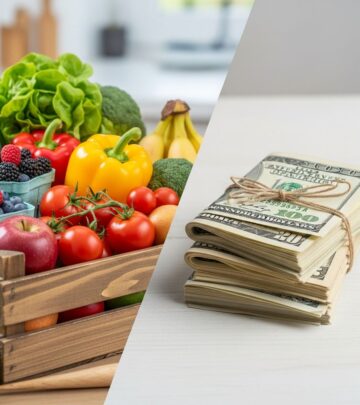
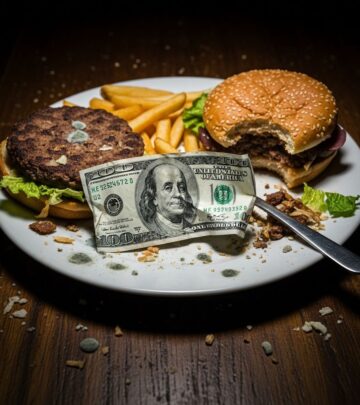
Food waste is a silent budget killer in most households. The average American family throws away about $1,800 worth of groceries each year, much of it perfectly edible produce, meats, and pantry staples. By implementing simple strategies, you can drastically reduce this waste, stretch your grocery budget further, and contribute to environmental sustainability. This article outlines
five key strategies
drawn from expert advice and real-world practices to help you identify where youre throwing away food and stop it today.1. Take Inventory of Your Food
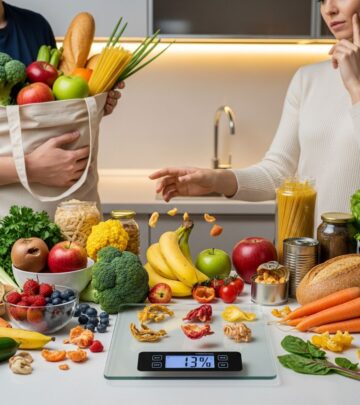
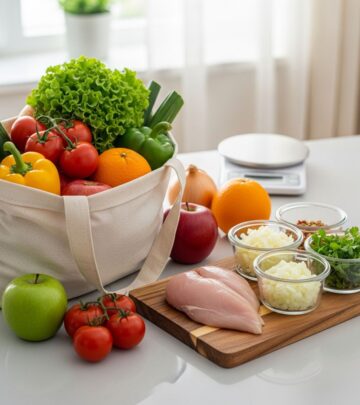
The first step to minimizing food waste is knowing exactly what you have on hand. Before heading to the grocery store, take a thorough inventory of your cabinets, refrigerator, and freezer. Make a list of items in each category—produce, dairy, meats, grains, and canned goods. This prevents duplicate purchases and ensures you use items before they expire.
Expert Dana Gunders, author of ‘Waste-Free Kitchen Handbook,’ recommends thinking ‘double duty’ when planning. If you buy fresh cilantro for one recipe, plan a second dish that uses it too, avoiding wilted leftovers headed for the trash. A tidy fridge and organized pantry make this easier—clean them weekly to spot expired items hiding in the back.
- Pro Tip: Use a whiteboard or app like Out of Milk to track inventory in real-time.
- Time Savings: 15 minutes weekly prevents $50+ in monthly waste.
Organizing your space also reveals forgotten gems, like that half-bag of rice or lonely jar of salsa, inspiring creative meals around what you already own.
2. Make a Meal Plan and Grocery List
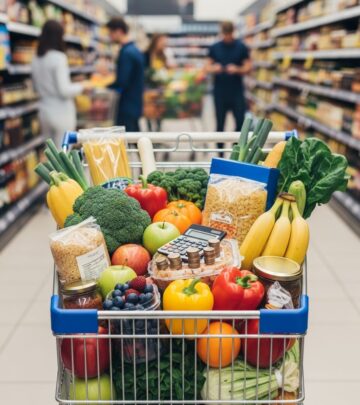
Impulse buys and unplanned meals are major culprits in food waste. Combat this by creating a weekly
meal plan
based on your inventory and sales flyers. Then, craft a precise grocery list and stick to it religiously.Planning accounts for life’s surprises—include flexible options like frozen dinners for unexpected dinners out. Overbuying fresh produce leads to spoilage; instead, buy only what fits your plan. Studies show households that meal plan waste 25% less food.
| Day | Meal Idea | Key Ingredients |
|---|---|---|
| Monday | Stir-fry | Frozen veggies, rice, chicken |
| Tuesday | Pasta primavera | Pasta, cherry tomatoes, basil |
| Wednesday | Leftovers remix | Whatever’s left |
| Thursday | Frozen pizza night | Store-bought or homemade base |
This table example shows how to build flexibility into your plan. Adjust portions to avoid excess, and always shop with your list to dodge tempting displays.
3. Store Food Properly and Use Your Freezer
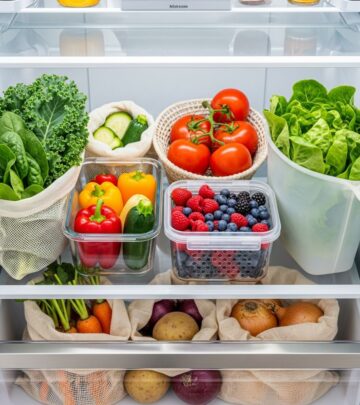
Improper storage accelerates spoilage. Keep visible items like ripe fruits on countertops—out of sight in crisper drawers means out of mind. Learn produce-specific storage: bananas away from other fruits to slow ethylene ripening, leafy greens in airtight containers with a paper towel to absorb moisture.
The freezer is your best ally. Almost anything can be frozen: milk, cheese, bread, raw eggs (crack into ice cube trays), meats, and veggies. Portion into single-serve bags labeled with dates for easy access. Frozen produce thaws quickly and retains nutrients, making it ideal over fresh for sporadic use.
- Freezer Hacks: Blend overripe bananas for smoothies or bread; freeze herbs in olive oil cubes for instant pesto.
- Revival Tricks: Soak wilted greens in ice water for 20 minutes to crisp them up.
Regular fridge cleaning prevents mold and forgotten items, ensuring you see and use everything efficiently.
4. Buy Ugly Produce and Shop Smart
Perfectly shaped produce costs more due to cosmetic standards—up to 40% of crops are discarded for looks alone. Opt for
ugly produce
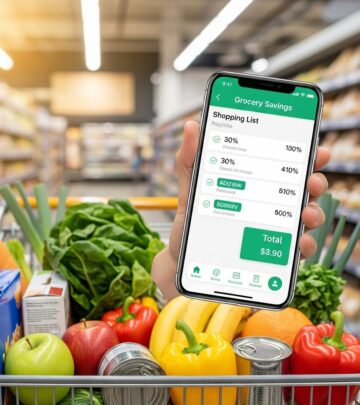
: blemished apples, cratered potatoes, or misshapen carrots. They’re just as nutritious and tasty after a quick trim.Subscription boxes like Imperfect Foods or Hungry Harvest deliver discounted ugly produce, customized to your preferences with a ‘Never List’ for dislikes. Boxes start at $11 for 7 pounds, feeding 1-2 people, with organic options. Local farmers markets and CSAs offer similar deals on imperfect, seasonal bounty—often 30-50% cheaper.
| Service | Box Size | Price Range | Customization |
|---|---|---|---|
| Imperfect Foods | Mini to Super | $11-$42 | Full, organic options |
| Hungry Harvest | Harvest boxes | $15-$42 | Never List, add-ons |
| CSA/Farmers Market | Variable | 20-50% off retail | Seasonal picks |
Buy frozen or bagged produce for longevity and value. Start a small garden for homegrown ‘uglies’—inexpensive and rewarding.
5. Repurpose Leftovers, Preserve, and Donate
Don’t let leftovers languish—remix them into new dishes. Tired chicken becomes tacos or soup; overripe fruit stars in smoothies, breads, or jams. Run a ‘pantry challenge’: create meals from existing stock before buying more.
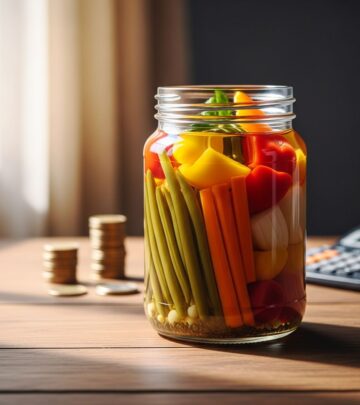
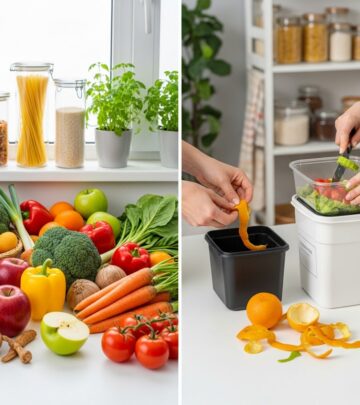
Preserve excess through canning, pickling, or fermenting—age-old methods to extend shelf life. Compost scraps like coffee grounds and veggie ends for garden fertilizer, diverting waste from landfills.
If items won’t be eaten, donate to food banks or neighbors (check guidelines). This clears space and helps others while reducing your waste footprint.
- Repurpose Ideas: Soft strawberries in jam; bruised peaches baked; stale bread into croutons.
Frequently Asked Questions (FAQs)
Q: How much money can I save by reducing food waste?
A: The average family can save $1,500-$1,800 annually by cutting waste through smart planning and storage.
Q: Is ugly produce safe to eat?
A: Yes, cosmetic imperfections don’t affect edibility. Trim bruises and revive wilted items as needed.
Q: What’s the best way to store produce longer?
A: Use airtight containers, keep visible, separate ethylene producers, and freeze extras.
Q: Are food waste subscription boxes worth it?
A: Absolutely for busy households—discounted, customizable, and reduces waste while delivering fresh food.
Q: Can I compost in an apartment?
A: Yes, use a countertop bin or vermicomposting for small spaces, turning scraps into nutrient-rich soil.
The Bottom Line: Waste Not, Want Not
Minimizing food waste isn’t about perfection—it’s small, consistent habits that add up. By taking inventory, planning meals, storing smartly, embracing ugly produce, and repurposing creatively, you’ll save money, reduce environmental impact, and enjoy fresher food. Start with one strategy this week and build from there for lasting savings.
References
- USDA Food Waste FAQs — United States Department of Agriculture. 2024-02-15. https://www.usda.gov/foodwaste/faqs
- ReFED Food Waste Monitor — ReFED (nonprofit). 2023-11-01. https://www.refed.org/food-waste-monitor
- Household Food Waste Prevention — EPA. 2025-01-10. https://www.epa.gov/sustainable-management-food/food-recovery-hierarchy
- Food Waste Reduction Tips — FDA. 2024-06-20. https://www.fda.gov/food/consumers/food-waste-and-food-rescue
- American Wasteland — Jonathan Bloom, Da Capo Lifelong Books. 2010 (updated insights 2023). https://americanwasteland.com
Similar Articles








Read full bio of Sneha Tete